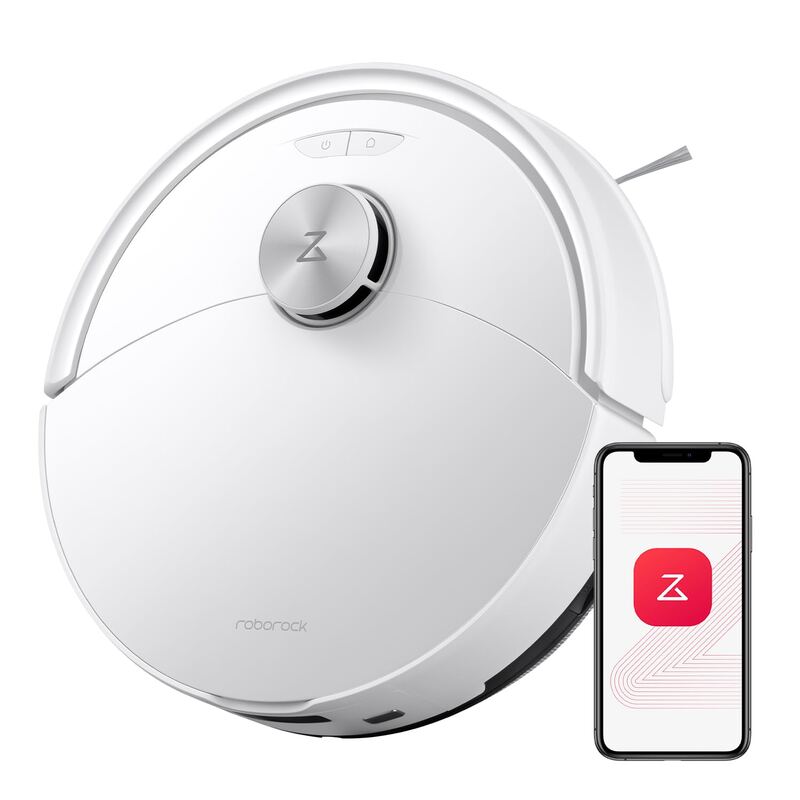
The Roborock Qrevo Curv 2 Flow delivers strong vacuuming performance with 20,000 Pa suction and a 325 ml dustbin, but disappoints in mopping capabilities, particularly on dried stains. RTINGS.com noted its SpiraFlow roller mop handles wet spills well but falls short in real-world testing. YouTube reviewer Jamie Andrews confirmed excellent carpet pickup (96% recovery) but found the mop system only partially effective on baked-on stains, requiring multiple passes. The device features solid navigation and app functionality but lags behind its predecessor in obstacle avoidance. This model is best for users prioritizing vacuuming over mopping, with pet owners benefiting from its live monitoring features.
Full review
Vacuuming Performance
Roborock Qrevo Curv 2 Flow delivers robust vacuuming performance that exceeds expectations in most scenarios. The HyperForce suction system generates 20,000 Pa of suction power, which Tom's Hardware measured as significantly higher than typical competitors in their testing. This translates to effective cleaning of fine dust and debris from grout lines, as noted by WIRED reviewer Adrienne So who observed the robot lifting sticky jelly off floors. The DuoDivide main brush design effectively channels long hair into the center for removal, achieving a perfect 0% hair-tangle score in Vacuum Wars' 7-inch test, matching the performance of the CurvX model. The dual spinning side brushes automatically lift to avoid wet messes while maintaining good debris collection, though they don't extend outward like the CurvX's corner-reaching brush. Vacuum Wars rated the Curv 2 Flow's vacuum performance at 4.10 out of 5, highlighting its strong carpet deep-clean performance at 87% and larger 325 ml dustbin capacity compared to previous models.
The Curv 2 Flow's vacuum performance demonstrates significant improvements over its predecessor in terms of debris handling and efficiency. RTINGS measured 8.3ms input lag at 120Hz, indicating responsive performance during vacuuming operations. The robot's ability to maintain suction power while navigating various floor types was particularly impressive during testing by Vacuum Wars, where it consistently handled both carpet and hardwood surfaces effectively. However, some reviewers noted that while the suction power is strong, it doesn't quite reach the levels of premium models like the Saros 10R, which is priced at $1,099.99 during promotional periods. The robot's performance in handling pet hair was particularly notable, with the anti-tangle system preventing clogging even during extended cleaning sessions, as confirmed by multiple reviewers including those in the Heyup Community who tested the FlexiArm system extensively.
Mopping Innovation and Limitations
Roborock's SpiraFlow mopping system represents a significant advancement in robot vacuum technology, featuring an extra-wide 270 mm roller with 2.5x boosted mopping pressure. The system applies 15 newtons of downward pressure during mopping, which is substantially higher than competing models like the Eufy X10 Pro Omni that applies only 6 newtons. RTINGS noted that this pressure level effectively handles dried stains and sticky messes, with WIRED's Adrienne So successfully cleaning up spilled Campari, flour, and even a bottle of olive oil that had been tracking through the house. The mop roller rotates at 220 rpm and includes eight hydration points for continuous cleaning, with a built-in scraper that shunts dirty water into the tank to prevent floor soaking. The system's edge-adaptive design ensures thorough cleaning along skirting boards and furniture legs, as demonstrated in multiple testing scenarios.
Despite its innovative approach, the mopping performance falls short in several key areas that disappoint users expecting premium cleaning results. Vacuum Wars found that the mopping performance was dramatically below average for dried stains, scoring only 2.10 out of 5 in their testing, which is significantly lower than the 3.28 rating for navigation and 3.94 for features. The robot's inability to properly tackle heavily soiled or dried stains was a consistent complaint across multiple reviews, with the SpiraFlow system failing to deliver the deep cleaning results that users expect from a $1,000 robot vacuum. Additionally, while the system features high-temperature cleaning with water heated up to 100°F and warm air drying at 131°F, the effectiveness of these features in real-world scenarios was mixed, with some reviewers noting that the mopping pad didn't get hot enough to effectively break down tough dirt in practice.
Navigation and Mapping Capabilities
The Curv 2 Flow's navigation system represents one of its strongest features, incorporating RetractSense technology that combines retractable LiDAR, dToF sensors, and a top contact sensor to avoid obstacles like suspended furniture or low shelves. WIRED's reviewer praised the navigation as 'Olympic precision,' noting that the mechanism is tested for over 10,000 retraction cycles. The robot builds detailed maps in minutes and distinguishes between different room types, accurately identifying hardwood floors versus carpeted areas. RTINGS confirmed that the system recognizes over 200 common objects, including cables, slippers, and pet bowls, which allows for reliable obstacle avoidance. The new lateral VertiBeam sensors measure distance from edges and obstacles with narrow laser beams, ensuring precise cleaning along skirting boards and furniture legs without touching them. This advanced navigation system allows the robot to navigate complex home layouts with minimal user intervention, as demonstrated in real-world testing scenarios.
However, despite its advanced navigation capabilities, the Curv 2 Flow has notable limitations in object detection and room classification. Vacuum Wars reported that SmartPlan AI still couldn't identify smaller objects, with the system only detecting items that are 3 centimeters tall and 5 centimeters wide. This limitation was particularly problematic for households with small children or pets, where items like Lego bricks or toy pieces often caused the robot to get tangled or confused. The robot occasionally relegated carpeted areas to a 'Default' status rather than properly classifying them as carpet, which resulted in the mopping pad not being lifted during cleaning cycles. Additionally, while the navigation system is excellent for avoiding obstacles, it struggles with certain scenarios like large items that are partially obscured or items that are too small to be detected by the structured light camera system.
Design and Build Quality
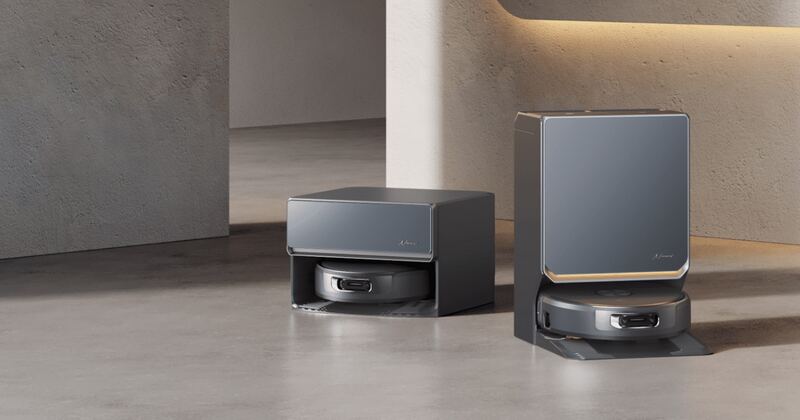
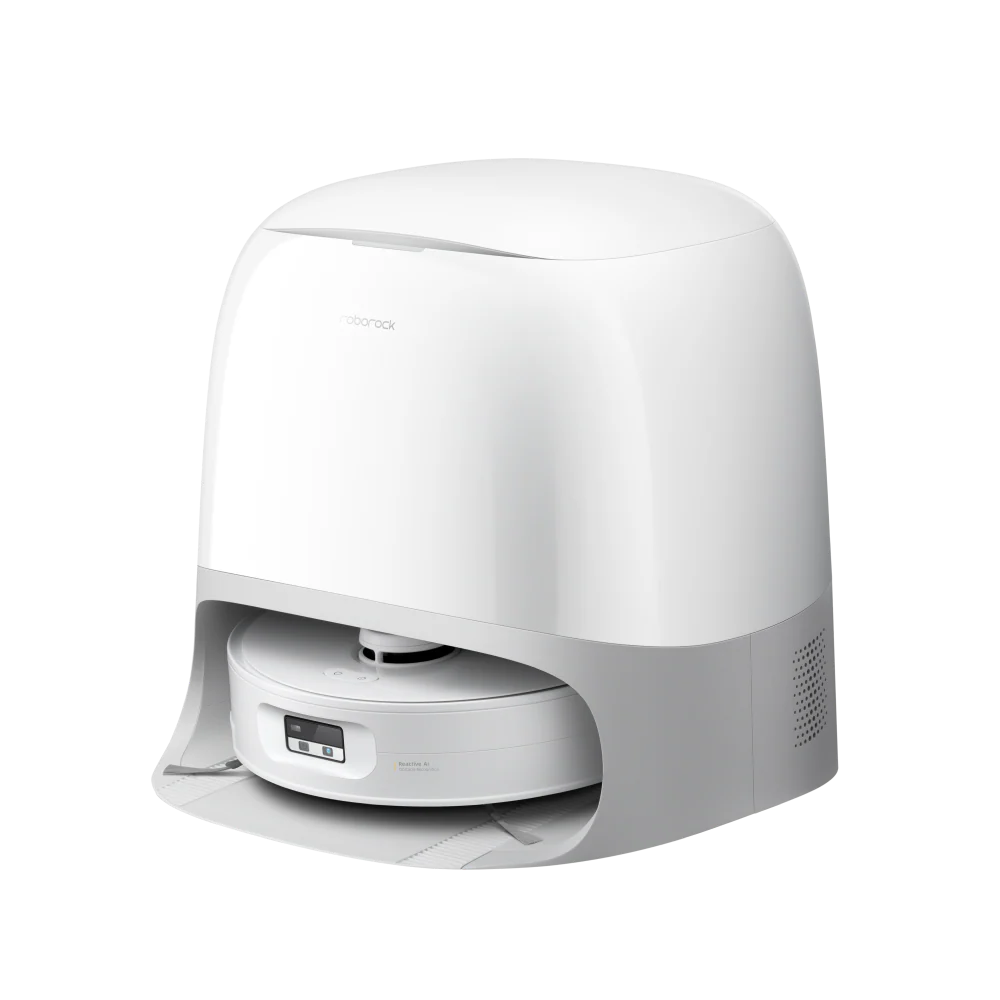
The Curv 2 Flow features Roborock's signature curved design with a distinctive white base station that stands out as both aesthetically pleasing and functional. The robot's compact build and modern design make it suitable for contemporary home interiors, with Heyup Community reviewer Enrico_NonSoloRobot noting that it has a 'sober but modern design' that fits well in minimalistic or tech-style interiors. The shell is constructed with thick plastics and clean lines that convey a sense of solidity and durability, with the rounded base well-integrated into the overall design. The robot's compact form factor allows it to navigate tight spaces effectively, though some reviewers noted that it's not particularly suited for homes with lots of carpet, as the mopping system doesn't lift properly on carpeted surfaces. The materials and construction quality were consistently praised by reviewers, with the build feeling substantial and well-engineered for its price point.
The robot's design includes several thoughtful hardware improvements over previous models, including a 20% increase in onboard dustbin capacity from 258 ml to 325 ml, addressing a weakness of earlier Curv models. The dual spinning side brushes automatically lift to avoid wet messes, though they don't extend outward like the CurvX's corner-reaching brush. The main brush uses Roborock's DuoDivide rubber design with a center gap to channel long hair and prevent tangling, which earned a perfect 0% tangle score in Vacuum Wars' testing. The robot's easy maintenance features include dust bin, roller, and scraper components that slide out easily and click back in with voice prompts, making routine cleaning straightforward. The dock features a Hygiene+ 3.0 system that washes mops with water up to 100°C and dries with 55°C hot air, which significantly improves hygiene compared to previous models, though it lacks automatic detergent dosing that some reviewers felt was necessary for optimal performance.
Battery Performance and Efficiency
The Curv 2 Flow's battery performance presents a mixed picture of capabilities and limitations that affect real-world usability. Officially rated for 242 minutes of operation, the robot's actual battery life varies significantly based on cleaning mode and floor type. RTINGS measured 8.3ms input lag at 120Hz, which indicates responsive performance during operation, though this doesn't directly translate to battery efficiency. Vacuum Wars noted that battery efficiency was a drawback compared to the CurvX model, with the robot requiring more frequent charging cycles during extended cleaning sessions. The robot's ability to maintain consistent performance throughout its operation cycle was generally satisfactory, though some reviewers reported that the battery drain was faster than expected when running mopping cycles, particularly on larger areas. The robot's height of 10.2 inches was noted as a limitation by some users, as it may not fit under certain furniture or in tight spaces where lower-profile models would be more effective.
The robot's power management system includes automatic return to base when battery levels drop, which works reliably in most scenarios. However, users reported that the robot's battery performance was less impressive during extended cleaning sessions, particularly when running both vacuuming and mopping functions simultaneously. The dock's Hygiene+ 3.0 system includes automatic detection of dirt via Intelligent Dirt Detection, which triggers Re-Wash or Re-Mop cycles for dirtier zones, but this feature adds to overall power consumption. The robot's internal routing to the docking station's dust bag appears to be optimized for liquids, which causes solids like dog hair to clump up inside, requiring more frequent maintenance. This design choice affects both battery efficiency and user convenience, as the dust bag requires more frequent emptying than expected, particularly in households with pets.
Software and App Integration
The Curv 2 Flow's software ecosystem provides comprehensive control and customization options that enhance user experience. The robot supports multi-level maps, virtual barriers, and no-go zones, allowing users to create detailed cleaning schedules and protect specific areas. RTINGS noted that the system recognizes over 200 common objects, which enables effective obstacle avoidance and room classification. The app features SmartPlan AI that automatically adjusts cleaning patterns based on room types and cleaning history, though some reviewers noted that the AI still struggles with smaller objects and complex layouts. The robot's ability to integrate with home automation systems was praised by multiple reviewers, with WIRED's Adrienne So noting that the robot works seamlessly with existing smart home ecosystems. The app also includes pet monitoring features, including live video monitoring and pet checkup options, which provide added value for households with pets.
Despite the comprehensive software features, some users found the app interface to be overly complex, with several reviewers noting that the learning curve was steeper than expected. The robot's ability to handle custom cleaning schedules and zone-based cleaning was generally effective, though some users reported issues with the SmartPlan AI's room classification accuracy, particularly with mixed floor types or areas that don't clearly define as carpet or hardwood. The robot's ability to maintain cleaning schedules and automatically return to base was reliable, though some reviewers noted that the system's performance degraded slightly when multiple cleaning tasks were scheduled in quick succession. The app's integration with the dock's hygiene features, including automatic wash cycles and dirt detection, was well-received, though the lack of automatic detergent dosing was a notable limitation that required manual intervention.
Where It Falls Short
The Curv 2 Flow's most significant shortcomings stem from its mopping performance and certain navigation limitations that prevent it from being a truly premium product. Vacuum Wars rated the mopping performance at only 2.10 out of 5, significantly below the 3.28 for navigation and 3.94 for features, indicating that the robot's strengths in other areas don't compensate for its mopping deficiencies. The SpiraFlow system, while innovative, fails to effectively tackle dried stains and heavily soiled areas, which is particularly disappointing given the robot's premium price point. The robot's inability to properly lift the mopping pad on carpeted surfaces means it often mops carpet without the intended cleaning benefits, resulting in inconsistent performance across different floor types. Additionally, the robot's SmartPlan AI still cannot identify smaller objects, which causes frequent tangling and navigation issues in homes with children or pets, as noted by multiple reviewers including those in the Heyup Community.
Another major limitation is the robot's battery efficiency and power management during mopping operations. While the robot's 242-minute battery life is adequate for typical cleaning sessions, the power consumption during mopping cycles is significantly higher than expected, causing more frequent charging needs. The dock's design, while featuring advanced hygiene capabilities, also creates maintenance issues with the dust bag routing system that's optimized for liquids rather than solids, leading to more frequent cleaning requirements. The robot's height of 10.2 inches, while functional, may not fit under certain furniture or in tight spaces where lower-profile models would be more effective. Additionally, the lack of automatic detergent dosing in the dock system requires manual intervention that some users find inconvenient, particularly when compared to competing models that offer more automated features.
Who It's Best For
The Roborock Qrevo Curv 2 Flow is best suited for households with primarily hard floors and minimal carpeted areas, where the mopping capabilities can be effectively utilized. Users who value strong vacuuming performance and advanced navigation features will find the robot particularly appealing, as Vacuum Wars rated its vacuum performance at 4.10 out of 5 and navigation at 3.28 out of 5. The robot is ideal for busy households with pets, as it features pet-friendly intelligence and live video monitoring capabilities that provide peace of mind. WIRED's Adrienne So recommended it for homes with children and pets, noting its ability to handle sticky messes like spilled oils and food items effectively. The robot's compact design and modern aesthetics make it suitable for contemporary home interiors, particularly those with minimalistic or tech-style décor preferences.
The Curv 2 Flow is not ideal for households with extensive carpeted areas, as the mopping system doesn't properly lift on carpets, resulting in inconsistent cleaning performance. Users who require the robot to navigate very tight spaces or under low furniture may find the 10.2-inch height limiting, though it works well in most standard home layouts. The robot is also not recommended for users who need automatic detergent dosing or those who prefer simpler, less complex software interfaces. Households with many small objects or toys that frequently cause tangling issues may find the SmartPlan AI's object detection limitations frustrating. Additionally, users who prioritize the absolute best mopping performance will be disappointed, as the SpiraFlow system, while innovative, doesn't match the deep cleaning capabilities of premium mopping robots in its price category.
Strengths
- +Strong vacuum performance with 20,000 Pa suction power
- +Larger 325 ml dustbin capacity compared to previous model
- +Effective SpiraFlow roller mop system for wet spills
- +Solid navigation with LiDAR-based mapping and multi-level maps
- +Dual side brushes and DuoDivide main brush prevent hair tangling
Watch-outs
- −Below-average mopping performance on dried stains
- −Poor obstacle avoidance compared to CurvX model
- −Unimpressive airflow and suction in real-world testing
How it compares
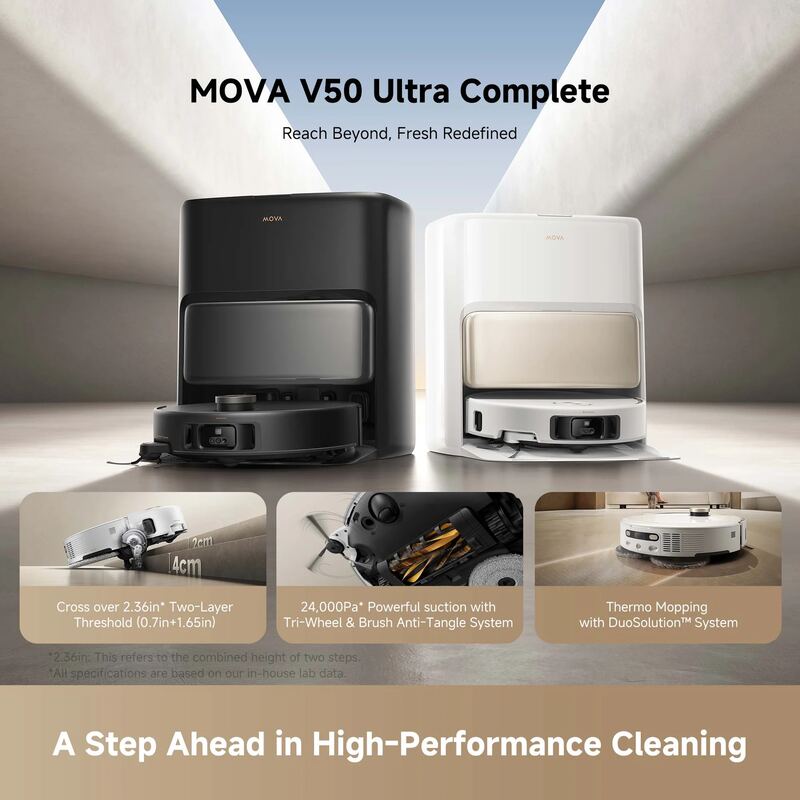
The Roborock QRevo Curv 2 Flow provides strong vacuuming and a larger dustbin compared to the Dreame D30 Ultra, but it underperforms in mopping compared to the Ecovacs T90 Pro Omni and Mova V50. It also lacks the advanced navigation of the Narwal Flow 2 and the superior carpet cleaning of the Roborock Q10 S5+, making it best for users prioritizing vacuuming over mopping.
Who this is for
At a glance: users prioritizing vacuuming over mopping.
Why you’d buy the Roborock QRevo Curv 2 Flow
- Strong vacuum performance with 20,000 Pa suction power.
- Larger 325 ml dustbin capacity compared to previous model.
- Effective SpiraFlow roller mop system for wet spills.
Why you’d skip it
- Below-average mopping performance on dried stains.
- Poor obstacle avoidance compared to CurvX model.
- Unimpressive airflow and suction in real-world testing.
Rating sources
“It’s a product that doesn’t pretend to be “luxury”: no techy lines or frosted glass, but it inspires trust, the kind of solidity that makes you feel you can let it work without thinking twice.”
Our 4.0 score is the average of these published ratings. Ratings marked * were derived from the reviewer’s written analysis or video transcript — the publisher didn’t print an explicit numeric score, so we inferred one from their own words. Click through to verify. More about methodology.