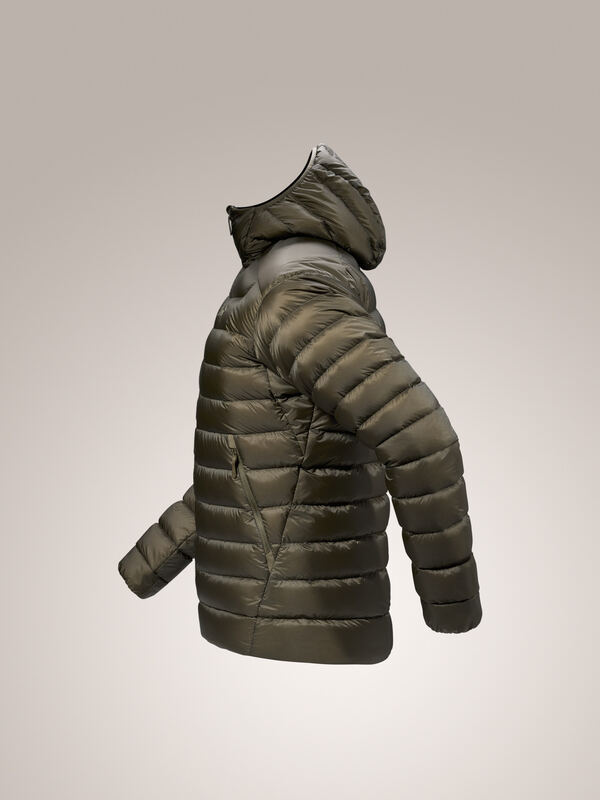
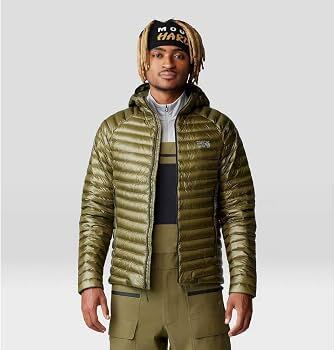
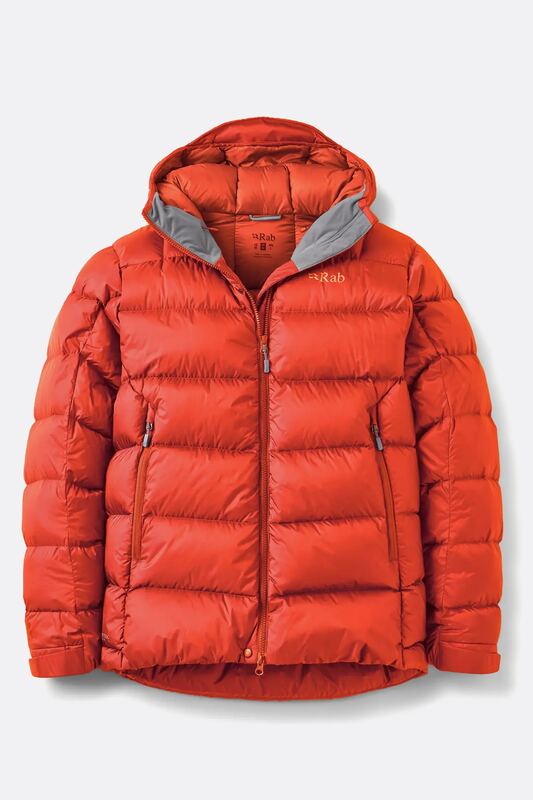
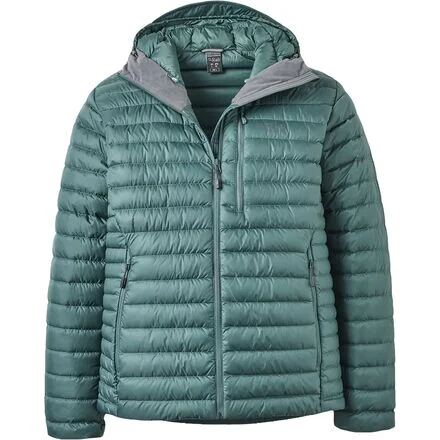
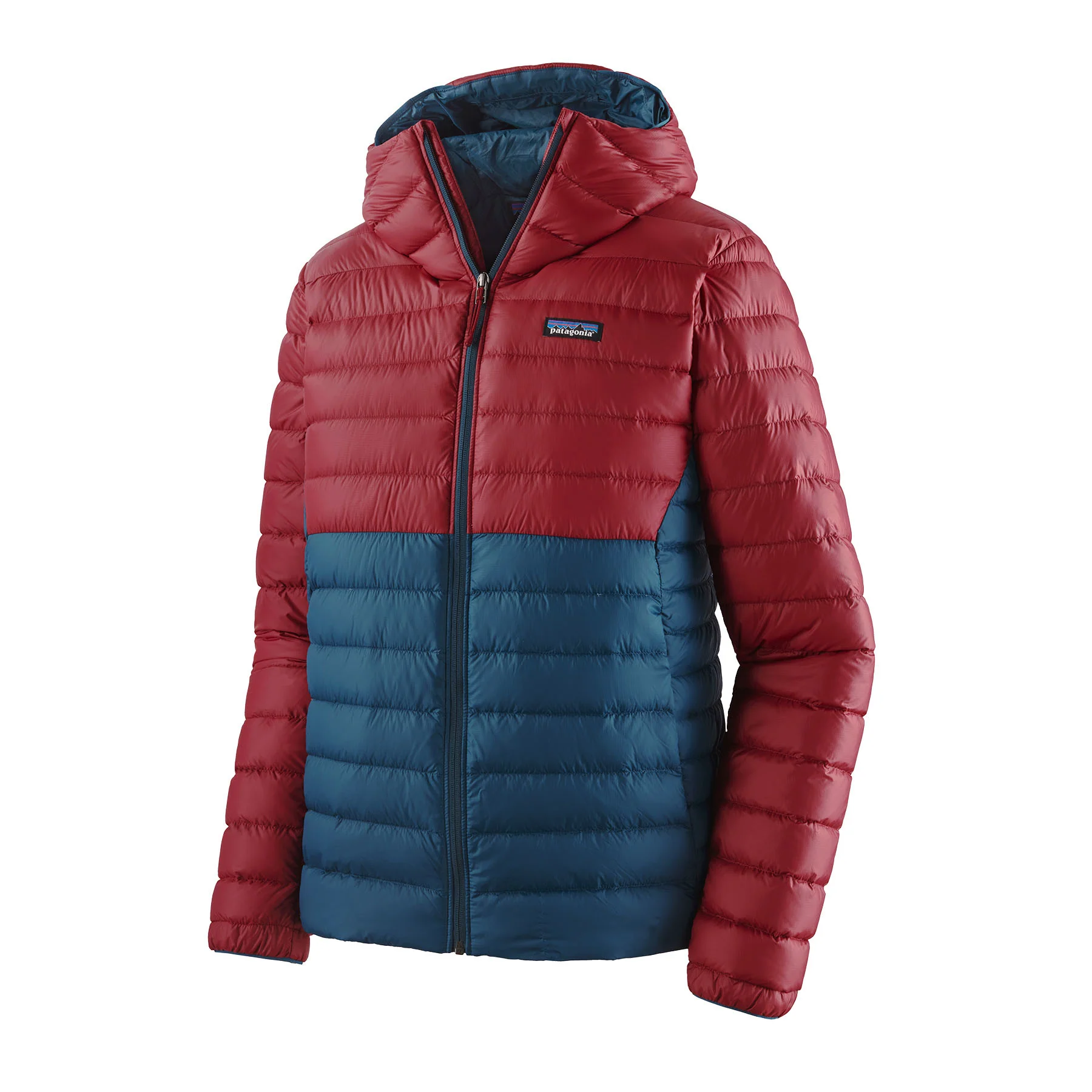
The Patagonia Down Sweater delivers an excellent warmth-to-weight ratio using 800-fill-power traceable down, allowing it to compress into its internal chest pocket for highly efficient packability. However, the standard version lacks a hood and relies on a DWR finish that only sheds light moisture; outdoorgearlab warned that down loses insulation when wet, making it unsuitable for sustained rain or high-output activities without an additional shell. This jacket fits dry-cold environments and camp use but should be avoided by those needing all-weather protection or who require integrated headgear.
Full review
Warmth and insulation in sub-freezing conditions
The Patagonia Down Sweater delivers reliable warmth for its weight class, utilizing 800-fill-power traceable down to create a high loft that traps heat efficiently. Despite these variations, reviewers consistently found the jacket performs above average for lightweight puffers. The Trek documented its use during backpacking trips in Washington State where temperatures dropped below freezing at night; the reviewer described it as an indispensable camp layer that provided instant comfort when crawling out of a sleeping bag on frosty mornings.
The insulation strategy works best in dry, cold environments rather than wet or high-output scenarios. PackLite Life observed that while the jacket is genuinely warm for its weight—noticeably warmer than synthetic alternatives like the Nano Puff at similar weights—it loses most of its insulating properties when wet. The Trek confirmed this limitation during a trip to the Olympic Coast, where the wind coming off the Pacific made the jacket feel insufficient as a standalone outer layer without an additional shell. In these conditions, reviewers noted that the down requires careful management and should be treated as a mid-layer or camp piece rather than all-weather armor.
Packability into internal chest pocket
One of the defining features of this jacket is its ability to compress down to an incredibly small size using its built-in storage system. This pocket doubles as a stuff sack and includes a carabiner loop, allowing users to clip it securely to the outside of a backpack or duffel bag without carrying a separate pouch. Better Trail found that while stuffing the jacket requires some effort to fully zip closed due to the tight fit, the resulting compact size makes it easy to carry everywhere.
The packability translates directly into travel utility and backcountry convenience. The internal pocket design eliminates the risk of losing a separate stuff sack, a common frustration with other ultralight jackets that rely on external compression sacks.
NetPlus recycled ripstop shell durability
The outer fabric is constructed from NetPlus ripstop material made entirely from postconsumer recycled fishing nets, a choice that addresses environmental concerns while providing a lightweight barrier. Base-Mag found the fabric to be super soft to the touch and highly durable for its weight class, noting that it stretches and compresses repeatedly in a backpack without losing its shape or loft. The 20-denier ripstop weave offers reasonable resistance to abrasion during casual hiking and camp use, making it suitable for everyday wear around town as well as trail activities.
However, the lightweight nature of the shell introduces fragility concerns that reviewers frequently flagged. Outdoorgearlab reported tearing a hole in the jacket after extensive use, concluding that the fabric is significantly less durable than heavier alternatives in their testing group. A YouTube reviewer warned against wearing the jacket through thorn bushes or engaging in off-terrain scrambling, noting that the thin material snags easily on vegetation and sharp objects like V-hooks. While Patagonia includes a repair patch inside to extend the garment's life, reviewers agreed that the shell requires protection from rough surfaces to maintain its integrity over time.
Fit and layering versatility
The jacket features a regular fit designed to sit comfortably between base layers and hard shells without excessive bulk. Better Trail described the cut as slightly less trim than performance-focused alternatives, making it cozy but not restrictive enough to feel like a marshmallow when worn alone. The Trek appreciated that the fit allows for easy layering over a t-shirt or light fleece in temperatures ranging from 40s down into the 20s Fahrenheit.
Sizing can vary slightly depending on the specific model iteration and user body type. A YouTube reviewer who stands 6 feet tall and weighs 170 pounds noted that the men's medium fit well across the shoulders but felt slightly baggier in the arms compared to previous versions of the jacket. Another reviewer, standing 5'4 inches, found the large size loose enough to layer a hoodie underneath without feeling restricted, though they cautioned that the arm movement remained unrestricted even when worn over just a t-shirt. The adjustable hem drawcord allows users to cinch the waist for a more tailored silhouette or to seal out wind during colder conditions.
Weather resistance limitations
Water protection relies entirely on a durable water repellent (DWR) finish applied to the shell, which sheds light drizzle but offers no waterproofing. The Trek emphasized that while the PFC-free coating causes precipitation to bead up and roll off initially, it provides zero defense against sustained rain or heavy sweat from high-output activities. Outdoorgearlab scored water resistance low in their analysis, warning that keeping the jacket dry is critical because down loses its insulating properties when wet. The skigirl noted that while the jacket stands up to wind well due to the tight weave of the ripstop fabric, it should never be used as a primary rain layer.
Sustainability and ethical sourcing
Environmental responsibility is woven into every aspect of the jacket's construction, from materials to manufacturing. Base-Mag praised Patagonia's commitment to fighting climate change through these material choices, noting that the jacket represents a high-quality option for environmentally conscious consumers who want gear that aligns with their values.
The manufacturing process also adheres to strict ethical guidelines. PackLite Life added that Patagonia's Worn Wear repair and resale program supports a circular economy by keeping the jacket out of landfills for years. These factors combine to make the Down Sweater one of the most responsibly made down jackets available, justifying its premium price point for shoppers who prioritize supply chain transparency.
Features and pocket configuration
Storage options are thoughtfully distributed to balance accessibility with minimal weight. A YouTube reviewer demonstrated how the side pockets cover a large area, allowing hands to rest comfortably while hiking in cold weather. The main zipper features a YKK coil with a fabric backing to block wind drafts from entering through the teeth.
Strengths
- +Filled with 800-fill-power traceable down, providing excellent warmth-to-weight ratio.
- +Shell constructed from NetPlus ripstop material made of 100% postconsumer recycled fishing nets.
- +Stuffs into an internal zippered chest pocket for high packability and compact storage.
- +Fair Trade Certified sewn construction supports ethical manufacturing practices.
Watch-outs
- −The standard jacket version lacks a hood, requiring separate headgear in precipitation.
- −DWR finish only sheds light moisture; the down loses insulation properties when wet.
- −Sewn-through baffle construction creates minor cold spots along seam lines.
How it compares
Its sewn-through baffle construction creates minor cold spots along seam lines.
Rating sources
Not in the average — we derived this score from the review's words, and a publisher printed a score for this product, so the printed number counts instead.
Counts as 4.45/5 in our score — this publisher's 1 scores on the site average 4.50, so its scores are adjusted down to compare fairly with other publishers.
“The Patagonia Down Sweater Hoody ($345) is a lightweight puffy that we would recommend to just about anybody, anywhere.”
Our 4.4 score is the average of 1 of the scored reviews above, each adjusted for how strictly its publisher scores; 9 more reviewed it without printing a score and are not in the average. 1 derived score above is not in the average because a publisher printed a score for this product. Ratings marked * were derived from the reviewer’s written analysis or video transcript — the publisher didn’t print an explicit numeric score, so we inferred one from their own words. Click through to verify. More about methodology.