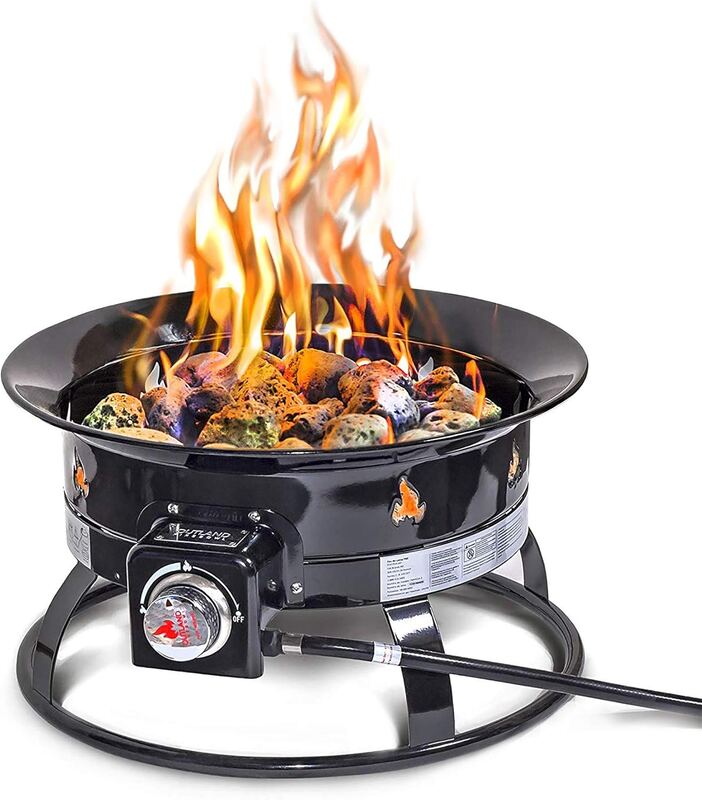
Outdoor Gear Lab's favorite portable propane fire pit is the Outland Mega, which scored 82/100 in their 17-pit test and landed just behind two Solo Stoves overall. At 24 inches across with 58,000 BTUs of output, it bridges the gap between a camping firebowl and a true patio centerpiece. A pre-attached 10-foot hose, CSA fire-ban certification and 7-9 hour burn time per 20-lb tank make it the easy pick when you want fire without firewood.
Full review
Heat Output and Burn Quality
Outdoor Gear Lab measured the Mega at 58,000 BTU and called the heat output sufficient to 'keep multiple folks warm,' though they hedged that 'it's still no comparison to a wood-burning pit.' Independent testing by BackyardToasty backed up the BTU spec with surface temperatures of 600-700F during a typical evening session and a comfortable seating capacity of 5-6 people around the rim.
The flame is shorter and more controlled than what you get from a wood fire — propane fire pits trade dramatic flame height for consistency. The 24-inch diameter helps here: you get a wide ring of fire rather than the column shape a smaller propane firebowl produces, which reads more like a real bonfire from across the patio.
Setup and Ignition
The Mega ships with a 10-foot pre-attached hose and regulator, the lava rock set, a propane tank stabilizer ring, and a UV-resistant cover. Setup out of the box is a single-person job and takes under five minutes — connect the regulator to a 20-lb tank, arrange the lava rocks over the burner, and light it.
Ignition is manual via the included flint, not a push-button piezo starter. BackyardToasty timed the startup at '10 seconds in any weather (30F to 80F+),' which is fast enough that the lack of a button rarely registers as a complaint. The 10-foot hose gives genuine flexibility for tank placement — you can hide the cylinder behind a planter or under a side table instead of having it sit awkwardly next to the pit.
Fuel Cost and Burn Time
Outdoor Gear Lab pegged the burn time at 400 minutes — just over 6 and a half hours — running on a 5-gallon (20-lb) tank at full output. BackyardToasty's longer-term testing put it at 7 to 9 hours per tank depending on how much you throttle the flame. Either way, you get multiple evenings out of a single $20 propane refill, which works out to less than $3 per session.
Wood fires are cheaper on a per-fire basis if you split your own firewood, but propane wins on convenience and total ownership cost once you account for wood storage, kindling, and cleanup time. The Mega does not produce ash that needs scooping out, which matters more than buyers expect until they have spent a winter season cleaning a wood pit.
CSA certification clears most local fire bans
Construction is heavy-gauge powder-coated steel with a 304 stainless steel burner — the same material grade Solo Stove uses for the entire Yukon. BackyardToasty noted that 'the powder coating process provides superior UV resistance and durability compared to standard paint finishes,' which distinguishes the Mega from cheaper enamel-coated propane bowls that chip and rust within a season or two.
The pit weighs 34 lbs with lava rocks and 25 lbs empty. That is heavy enough to sit through wind without skidding around but light enough that one person can shift it across a patio. The CSA certification on the burner assembly is worth checking your local fire-ban rules against — most jurisdictions explicitly permit CSA-certified propane appliances even when wood pits are banned.
Wind and Weather Performance
Propane fire pits in general handle wind better than wood pits because the burner is shielded by the rim and the flame anchors to the gas jets rather than to log surfaces. The Mega's 24-inch diameter combined with 4-inch-tall lava-rock fill keeps the flame stable in moderate breezes. In stronger gusts the flame will whip and occasionally extinguish — at that point you simply reignite.
Light rain is not a problem during use because the lava rocks shed water and the flame keeps the burner dry. The included UV-resistant cover is essential, though — leaving the Mega uncovered through a wet winter will eventually flood the burner with debris that needs cleaning before next season's first fire.
Shorter flame lacks a wood fire's crackle
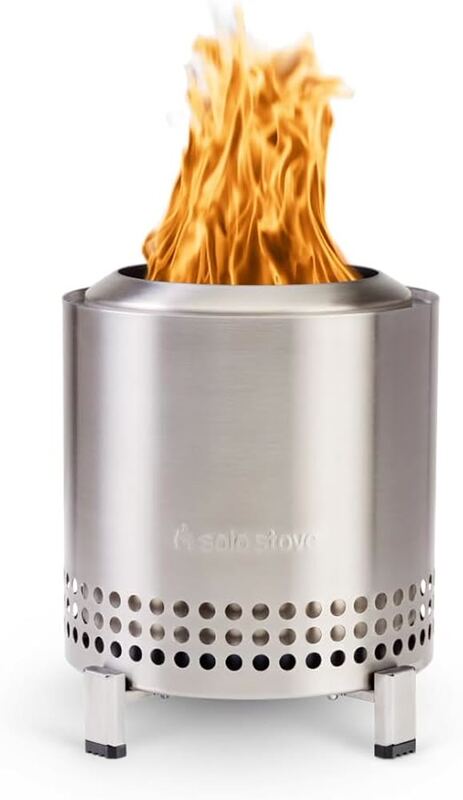
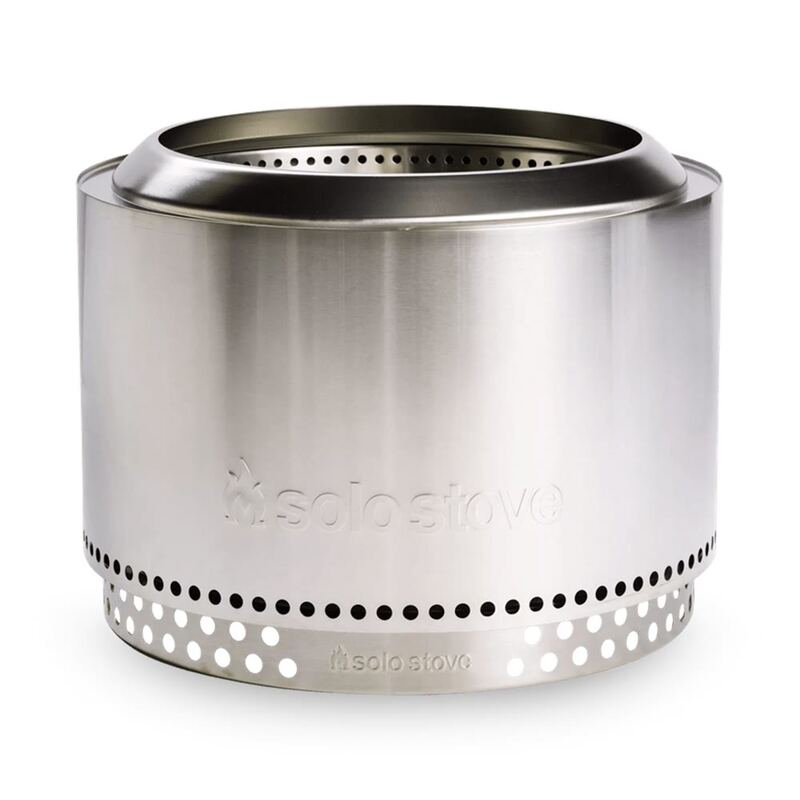
The honest weakness is ambiance. The reviewer at BackyardToasty, who normally burns wood, said 'For weekend fires where I want the full experience, wood is still king.' The Mega's flame is shorter, lacks the crackle and pop, and does not throw the same kind of radiant heat that makes you feel hugged by a fire on a cold night. If those things are why you want a fire pit, the Yukon 2.0 will satisfy you more.
Manual ignition is mildly inconvenient. Push-button piezo starters have become standard on higher-end propane pits, and the Mega's flint-based system feels dated. It also means you cannot reliably start the Mega while holding a drink or wearing thick gloves.
For patios under seasonal wood-burning bans
The Mega is the right pit for patio owners who want fire on demand, live in regions that frequently impose summer wood-burning bans, or simply do not want to deal with firewood. Its CSA certification means it can usually keep operating when neighbors with wood pits are grounded. At $200-$280 depending on retailer, it costs roughly $150-$200 less than the Yukon and gets close enough on visual presence for most buyers.
It is the wrong choice if your priority is a smoky, crackling traditional fire experience or if you are operating on a tight portable-camping budget — the smaller Outland 893 Deluxe does the camping job for half the price.
Only propane pit in ODL's top five
Inside this draft, the Mega slots between the Yukon (wood, larger, pricier) and the Outland 893 Deluxe (propane, smaller, much more portable). Outdoor Gear Lab ranked the Mega third overall in their 17-pit field, with both Solo Stoves taking the top two slots — the only propane pit in their top five.
Compared to fire-table products in the $500-$1,500 range, the Mega gives up a built-in propane tank enclosure and decorative tabletop framing. What it preserves is the same burner output and the same lava-rock-and-flame look you pay several hundred dollars more for on a fire table. Buyers who want the fire and not the furniture get most of the value for a fraction of the price.
Long-Term Durability and Maintenance
BackyardToasty's long-term review specifically called out the powder coating as the durability differentiator versus enamel-coated competitors: 'The powder coating process provides superior UV resistance and durability compared to standard paint finishes.' Outdoor patio furniture typically loses its finish within 1-2 seasons of weather exposure. The Mega's coating holds up because powder coat bonds chemically to the steel rather than sitting on top of it like paint.
The lava rocks need replacement every couple of seasons of heavy use — they crumble eventually from heat-cycling. A replacement bag of natural lava rock from any hardware store works as a drop-in (under $20). The burner assembly is the wear-critical part; Outland's 1-year warranty covers manufacturing defects, and keeping the pit covered when it is not in use is the main thing that extends burner life.
A practical maintenance note that comes up across long-term reviews: brush spider webs out of the burner orifices before lighting after any winter storage period. Insects nest inside propane orifices during the off-season and can cause uneven flame patterns or yellow tips until the obstruction burns out. A 30-second compressed-air blast or a stiff-bristled toothbrush solves it. Owners who never do this end up calling Outland support about flame quality issues that have nothing to do with the burner itself.
Skip it for occasional use, save $120 on the 893
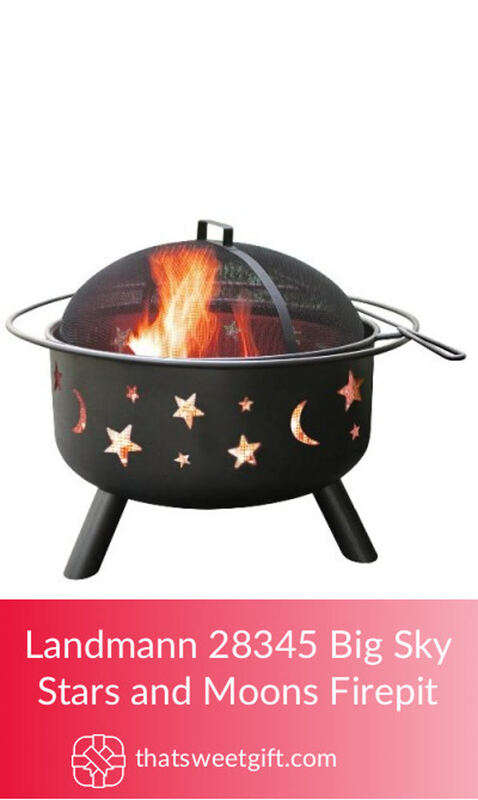
The Mega is not the right pick for buyers who already have a backyard wood pile and prefer the traditional fire experience — the Yukon 2.0 or Landmann Big Sky will satisfy you more. It is also not the right pick if you only need fire occasionally for ambiance — the smaller and cheaper Outland 893 Deluxe handles that role for $120 less. The Mega specifically earns its premium when fire-ban compliance, consistent weekly use, and group capacity all matter at once.
Strengths
- +Outdoor Gear Lab ranked it #3 of 17 at 82/100 — the top-rated propane pit in their 2026 test
- +58,000 BTU output measured at 600-700F surface temperature, enough to warm 5-6 people
- +10-second push-button ignition works in any weather from 30F to 80F
- +24-inch diameter with 10.6 lbs of natural lava rock — looks legitimately premium on a patio
- +CSA-certified safe to use during most local fire bans
Watch-outs
- −Radiant heat does not match a true wood fire — the reviewer at BackyardToasty said 'For weekend fires where I want the full experience, wood is still king'
- −Manual ignition only (no battery-powered starter), so you light it with the included flint each time
- −20-lb propane tank is the practical fuel size, which is not included and needs storage
How it compares
The Mega 883 is essentially a scaled-up Outland Firebowl 893 Deluxe — same 58,000 BTU burner, same 10-foot hose, but 5 inches wider, 11 lbs heavier, and built to live on a patio rather than ride in a truck bed. Versus the Solo Stove Yukon 2.0, the Mega gives up real flame ambiance and radiant heat in exchange for instant ignition, zero smoke, and use during fire bans.
Rating sources
“We loved the smokeless ease of using the Outland fire pit.”
“The 58,000 BTU output generates significant heat for multiple people and reaches 600-700F during testing.”
Our 4.5 score is the average of these published ratings. Ratings marked * were derived from the reviewer’s written analysis or video transcript — the publisher didn’t print an explicit numeric score, so we inferred one from their own words. Click through to verify. More about methodology.