The Oura Ring 4 stands as a top-tier smart ring for holistic health tracking, according to PCMag's Andrew Gebhart and NBC Select's Harry Rabinowitz. It excels in sleep monitoring, heart rate tracking, and body temperature measurement with an 8-day battery life and fully titanium construction. However, the device requires an Oura Membership subscription to unlock full functionality, limiting basic data access. While it's ideal for users seeking comprehensive wellness metrics without a screen, it may not suit those needing detailed workout analytics or built-in GPS. The ring's sleek design and improved sizing options make it a strong contender for health-conscious consumers.

Full review
Design Evolution and Comfort
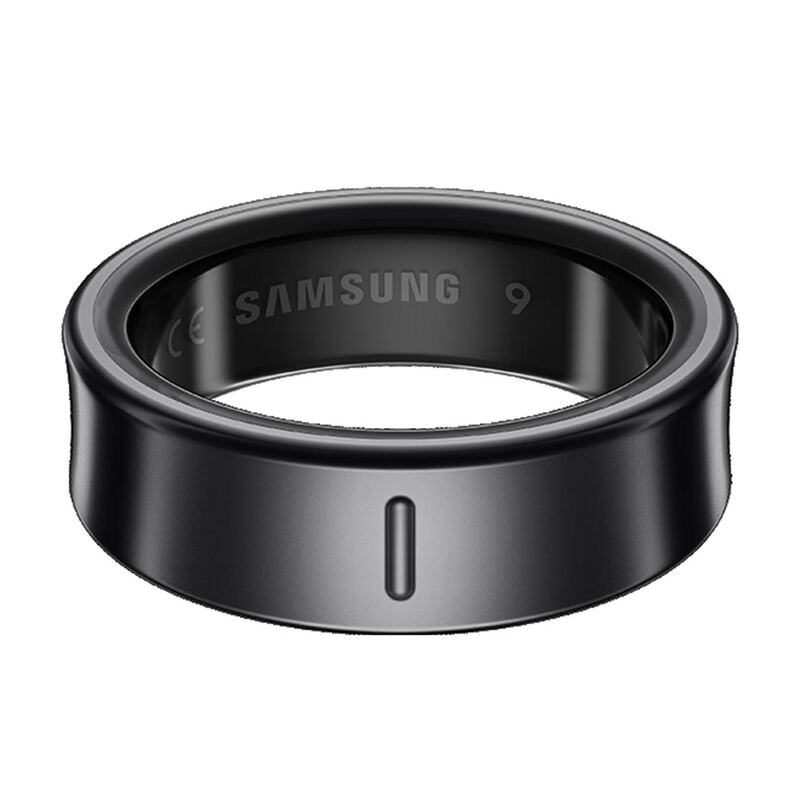
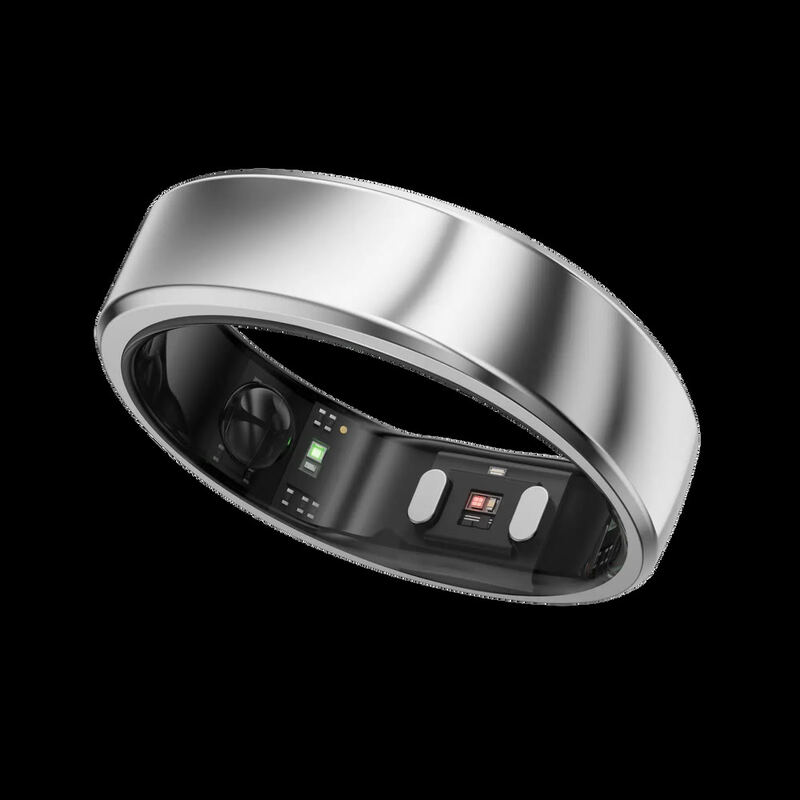
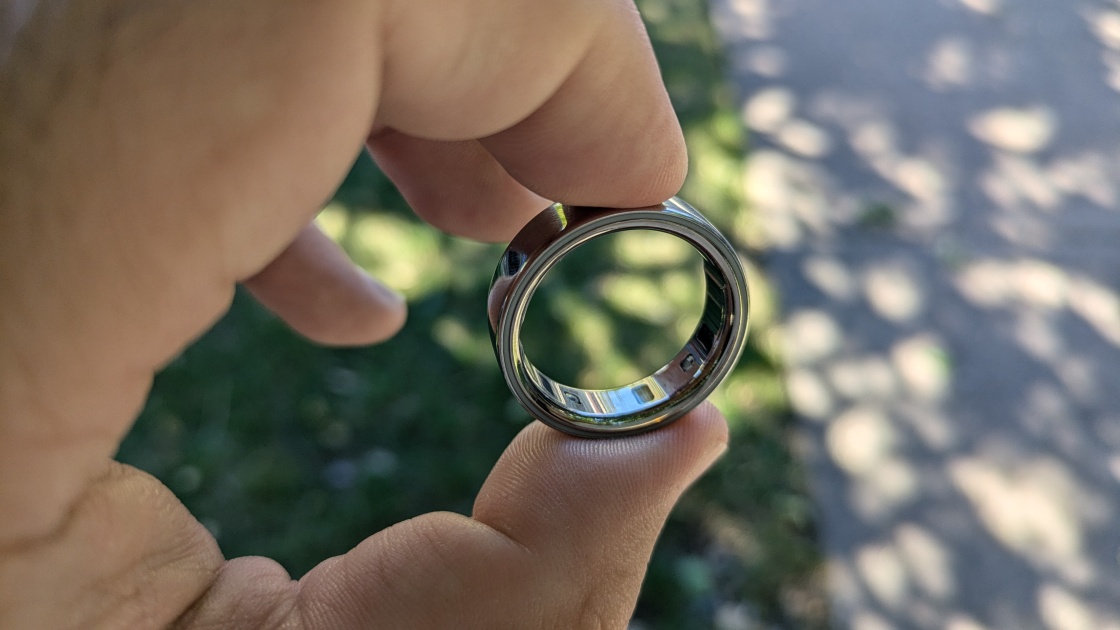
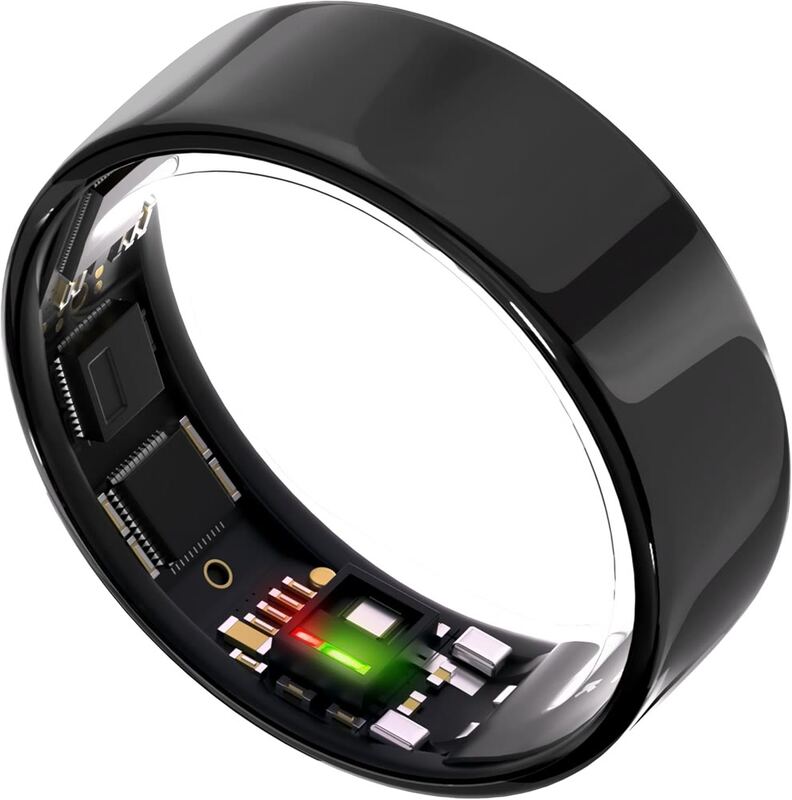
The Oura Ring 4 introduces a significant design overhaul from its predecessor, the Gen 3, with a focus on comfort and aesthetics. The most notable change is the removal of the raised domes that previously housed the sensors, replaced by a flat interior surface. This redesign, according to Oura's Senior Director of Product Jason Russell, aims to improve sensor accuracy through Smart Sensing technology that adapts to individual finger anatomy. RTINGS noted that the flat sensor surface significantly reduces irritation during sleep, particularly for users whose fingers swell in the morning. The ring now comes in six finishes including Silver, Gold, Black, Brushed Silver, Stealth, and Rose Gold, with a sizing range expanded from 4 to 15, a marked improvement over the Gen 3's limited range. TechRadar's reviewer found the ring to be more comfortable than previous models, though they noted the titanium construction, while premium, still feels somewhat bulky compared to competitors like the Samsung Galaxy Ring. The new charging port is also a welcome addition, though it requires a proprietary charger, which some users have criticized as limiting.
Sensor Accuracy and Smart Sensing
The introduction of Smart Sensing technology in the Oura Ring 4 represents a major advancement in biometric data collection. According to Oura's VP of Consumer Software Product Jason Russell, this technology 'adapts to the finger to find the optimal signal path' by analyzing skin thickness and artery location. PCMag's Andrew Gebhart reported that the ring's sensors now provide more consistent data, particularly during sleep tracking, where the Smart Sensing feature reportedly reduces data gaps. The ring's sensors include red, green, and infrared LEDs, an accelerometer, and a digital temperature sensor, all working together to provide comprehensive health metrics. However, some users have noted that while the accuracy has improved, the difference is not dramatic enough to justify upgrading for those already satisfied with the Gen 3. The new design also includes recessed sensors that prevent the visible 'lighting up' of the finger during data collection, which some reviewers found aesthetically pleasing but not necessarily functionally transformative.
Battery Life and Usage
One of the most significant improvements in the Oura Ring 4 is its extended battery life, which now lasts up to eight days compared to seven days in the Gen 3. TechRadar's reviewer confirmed this increase, noting that the ring's power efficiency has improved due to the Smart Sensing technology. The ring can be charged using a proprietary USB-C charging dock, which takes between 20 to 80 minutes depending on the battery level. While the extended battery life is a welcome feature, some users have expressed frustration with the need for a specific charger, which isn't compatible with standard USB ports. The ring's weight ranges from 3.3 to 5.2 grams depending on size, and most reviewers found it comfortable enough for 24/7 wear, including during sleep and workouts. However, the lack of a screen means that users must rely on the Oura app for data access, which some found inconvenient for quick checks.
Sleep and Health Tracking Performance
The Oura Ring 4 excels in sleep tracking, offering detailed insights into sleep stages, including REM, deep, and light sleep, as well as sleep efficiency and recovery metrics. RTINGS measured the ring's sleep tracking accuracy and found it to be among the most reliable in the market, with minimal discrepancies when compared to clinical sleep studies. The ring's temperature sensors provide continuous monitoring throughout the night, which helps in identifying patterns related to sleep quality and potential health issues. Users consistently praised the ring's ability to detect and track naps, with many noting that the sleep score provided by the ring helped them understand their sleep habits better. The app's interface has been redesigned to highlight the most relevant data points at different times of the day, making it easier for users to interpret their scores without needing to dive into complex charts. However, some reviewers noted that while the sleep tracking is impressive, the ring's activity tracking during workouts is limited, and it's not ideal for high-intensity training sessions.
Subscription Model and App Experience
The Oura Ring 4 requires an active subscription to unlock full features, with a monthly fee of $5.99 or an annual fee of $69.99. Without a subscription, users only receive basic daily scores for sleep, activity, and readiness, which many reviewers found insufficient for meaningful health insights. The redesigned Oura app, according to PCMag's Andrew Gebhart, offers a more intuitive home screen that displays readiness, sleep, activity, and stress scores at a glance. The app's ability to show trend reports over weeks, months, or years has been praised by users who want to track long-term health patterns. However, some users have criticized the subscription model as expensive, especially when compared to free alternatives like Fitbit or Apple Watch. The app also includes guided meditations and sleep stories, which some reviewers found helpful for improving sleep quality, though others noted that these features are basic and don't offer the depth of more specialized meditation apps. The app's integration with third-party health platforms has also been limited, which some users found frustrating.
Where It Falls Short
Despite its many strengths, the Oura Ring 4 has several notable drawbacks that may deter potential buyers. The most significant criticism is the subscription model, which many users find excessive for a device that costs $349. The ring's inability to track workouts effectively, especially high-intensity activities, is another major limitation. TechRadar's reviewer noted that while the ring can detect basic movement, it lacks the precision needed for detailed workout analytics. The proprietary charging dock and cable have also been criticized for being inconvenient and not compatible with standard charging solutions. Additionally, some users have reported that the ring's cycle tracking, while improved, still requires manual input and doesn't provide the predictive insights that some users desire. The ring's titanium construction, while premium, can be prone to scuffing, and some reviewers noted that it doesn't age as gracefully as expected. The lack of a screen also means that users must rely on the app for data access, which can be inconvenient for quick checks or real-time feedback.
Who It's Best For
The Oura Ring 4 is ideal for individuals who prioritize sleep and wellness tracking and are willing to invest in a premium device. It's particularly suited for users who want a screen-free wearable that can provide detailed insights into their health without the distraction of notifications or a display. The ring is best for people who are already invested in health monitoring and want to understand their sleep patterns, recovery status, and overall wellness trends. Users who value long battery life and are comfortable with a subscription-based model will find the ring particularly appealing. However, those who primarily use wearables for workout tracking or need a device that can function independently without an app will find the Oura Ring 4 lacking. The ring is also not recommended for individuals who are uncomfortable with a constant wearable or who have very small fingers, as the sizing options, while expanded, may still not accommodate all users. The ring's design and features make it a strong choice for those seeking a holistic health tracker, but it's not a one-size-fits-all solution for everyone.
Strengths
- +Improved 8-day battery life (up from 7 days)
- +Fully titanium build with wider range of sizes (4-15)
- +Accurate health tracking including heart rate, sleep stages, and body temperature
- +Sleek design with no sensor bumps on interior
Watch-outs
- −Requires a subscription for full features; basic data only available without membership
- −Not the best for detailed workout data tracking
- −No built-in GPS for outdoor activities
How it compares
The Oura Ring Gen 4 offers the most comprehensive health tracking and longest battery life of the group, but it requires a subscription unlike the RingConn Gen 2 Air, which provides basic tracking without one. While it's more accurate than the Samsung Galaxy Ring in health metrics, it lacks the lightweight comfort of the Ultrahuman Ring Air and GPS capabilities.
Who this is for
At a glance: health-conscious users wanting full wellness data.
Why you’d buy the Oura Ring Gen 4
- Improved 8-day battery life (up from 7 days).
- Fully titanium build with wider range of sizes (4-15).
- Accurate health tracking including heart rate, sleep stages, and body temperature.
Why you’d skip it
- Requires a subscription for full features; basic data only available without membership.
- Not the best for detailed workout data tracking.
- No built-in GPS for outdoor activities.
Rating sources
Our 4.4 score is the average of these published ratings. More about methodology.