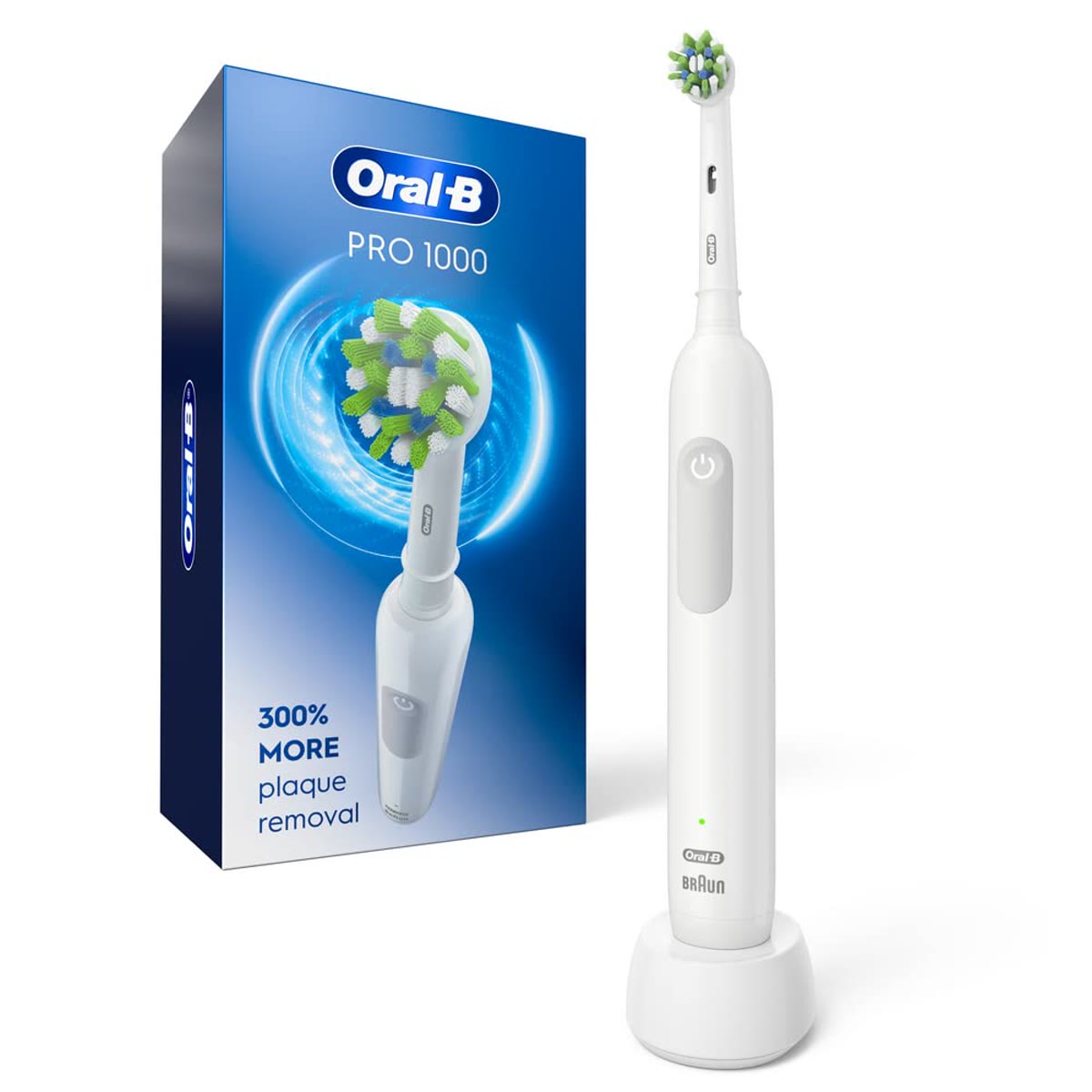
The Pro 1000 is the cheapest Oral-B that still has the two things that matter: an oscillating-pulsating head and a pressure sensor. Electric Teeth scored it 75 out of 100 and My Dental Advocate 8.7 out of 10, all on the same argument, that it cleans as well as brushes several times the price because the extra money elsewhere buys apps rather than motors. TechGearLab was cooler at 55 out of 100. Replacement heads are cheap and stocked everywhere.
Full review
Oscillating-pulsating head, two-minute timer
The head rotates back and forth and pulses rather than vibrating along its length, and it is small and round, which is the practical reason it gets behind the last molars where a full-size manual head stalls. A two-minute timer runs on every use, with a pulse every 30 seconds to move you to the next quadrant. Electric Teeth, which reviews this category almost exclusively, scores it 75 out of 100 and treats it as the reference budget brush.
Three modes, a pressure sensor, nothing else
Brushing too hard is the fault that wrecks gums, and the Pro 1000 answers it with a pressure sensor that stops the pulsating action rather than the light ring on pricier models. Modes run to three, Daily Clean, Whiten and Sensitive, and that is the entire configurable surface: no display, no app, no Bluetooth, no travel case in the box. My Dental Advocate's 8.7 out of 10 rests on that narrowness being the point rather than a shortfall.
NiMH battery, with a charge indicator light
The cell is nickel-metal-hydride rather than lithium-ion, and it shows in two ways. Runtime is around a week of twice-daily brushing rather than the fortnight the lithium models manage, though TechGearLab notes it has a battery indicator light. Owners fairly regularly report the cell giving up after a year or so, which on a sealed handle means replacing the whole brush rather than the battery.
Loud enough for power-tool comparisons
The oscillating mechanism is noisy, and the comparison that keeps coming up in reviews is to a small power tool audible through a closed bathroom door. TechGearLab's 55 out of 100 is the lowest score the brush carries, and the noise, along with the bare feature set, is where its reservations sit. It is not a reason to avoid the brush so much as a reason not to use it at six in the morning in a thin-walled flat.
Replacement heads are the cheapest part of owning it
Long-run cost is where the Pro 1000 pulls away from smarter brushes. The fitting is the standard Oral-B round one, stocked everywhere and undercut by generics, so the running cost per year is a fraction of what a proprietary head extracts. At around $50 for the handle the brush is close to disposable, and the sensible way to buy it is alongside a multi-pack of heads rather than one at a time.
Strengths
- +Small round oscillating head reaches behind molars a manual brush misses
- +Two-minute timer with a 30-second pulse to move you between quadrants, as My Dental Advocate notes
- +Standard Oral-B head fitting keeps replacement costs low
Watch-outs
- −Loud in use, to the point that reviewers reach for power-tool comparisons; Electric Teeth calls it far from silent
- −No display, app or travel case; three modes is the entire feature set
How it compares
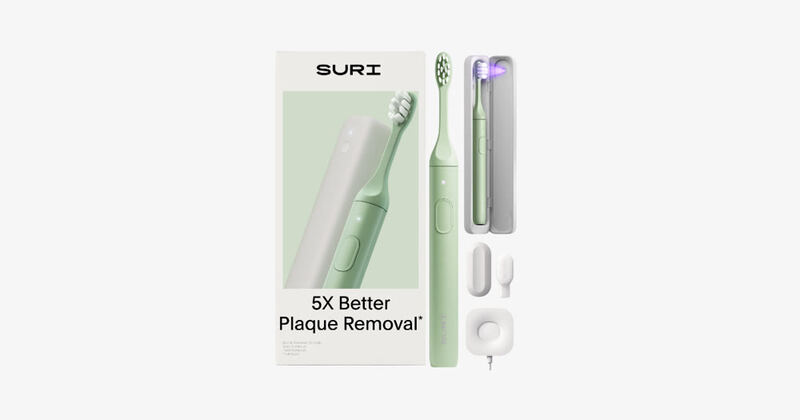
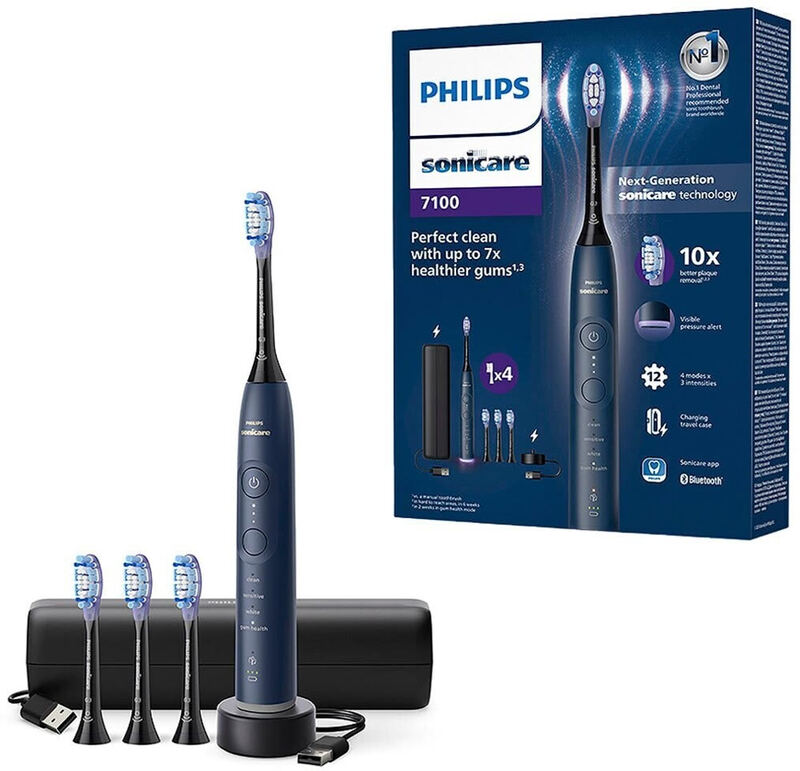
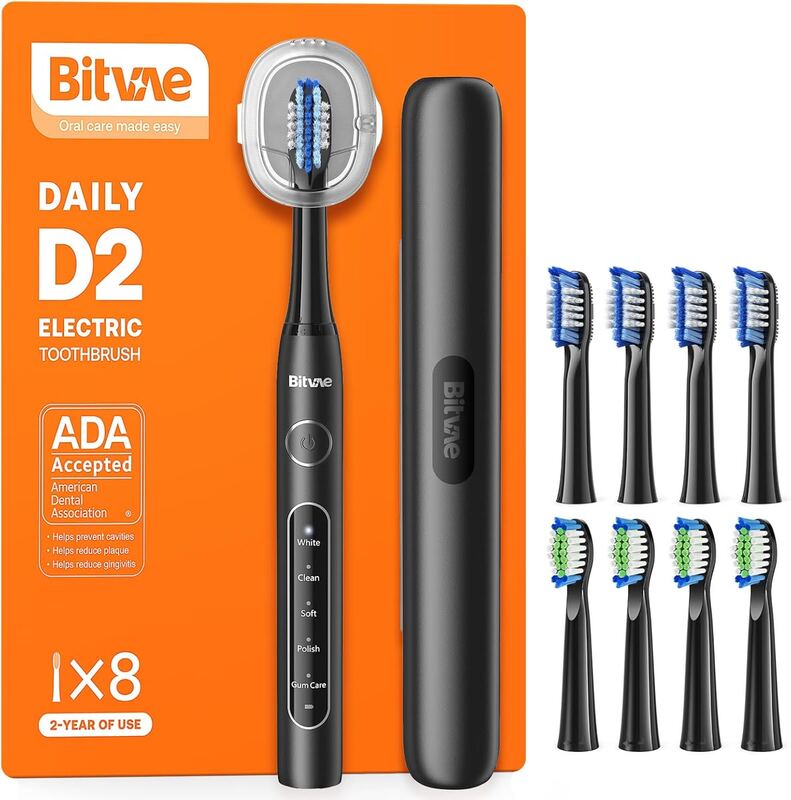
The Oral-B Pro 1000 Rechargeable Electric Toothbrush uses an oscillating-pulsating head, where the SURI 2.0 and the Bitvae ADA Accepted Electric Toothbrush are sonic brushes. It is loud in use, while the SURI 2.0 is listed as quiet, and it comes with no travel case, which the SURI 2.0, the Bitvae and the Philips Sonicare 7100 all include. It costs less than the SURI 2.0 and the Sonicare.
Rating sources
Counts as 3.52/5 in our score — this publisher's 7 scores on the site average 4.64, so its scores are adjusted down to compare fairly with other publishers.
Counts as 4.29/5 in our score — this publisher's 2 scores on the site average 4.38, so its scores are adjusted down to compare fairly with other publishers.
Counts as 3.24/5 in our score — this publisher's 138 scores on the site average 3.66, so its scores are adjusted up to compare fairly with other publishers.
Our 3.7 score is the average of the 3 scored reviews above, each adjusted for how strictly its publisher scores; 1 more reviewed it without printing a score and is not in the average. More about methodology.