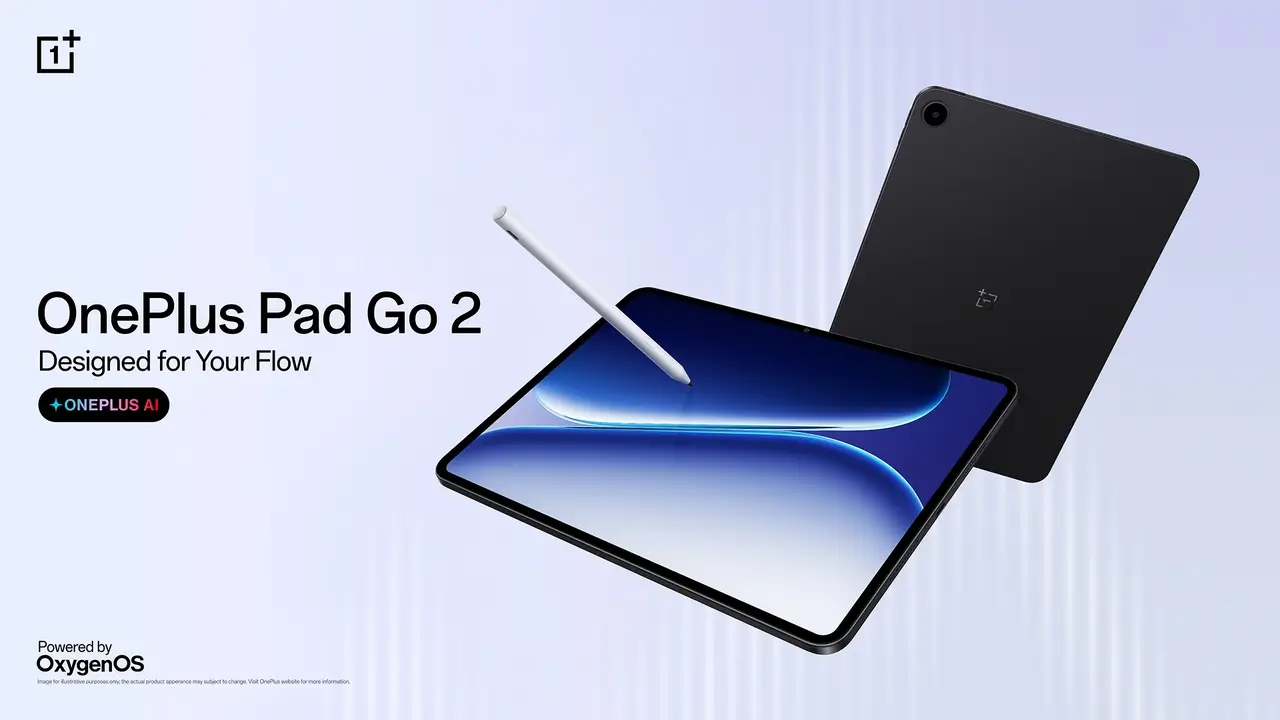
The OnePlus Pad Go 2 is positioned as a mid-range tablet offering superb value for users seeking a device between smartphone and laptop utility. PCMag's Iyaz Akhtar noted it gets most things right, while a YouTube reviewer emphasized its suitability for casual use cases like watching movies, online shopping, and photo editing. The 12.1-inch LCD display with 120 Hz refresh rate and 600 nits brightness is praised for its usability in bright conditions. However, it's not recommended for serious work purposes, fitting only 80-85% of typical user needs.
Full review
Design and Build Quality
The OnePlus Pad Go 2 presents a solid build quality with a matte black finish that, while aesthetically pleasing, picks up fingerprints easily according to reviewers. The tablet measures 266.0 x 192.8 x 6.8mm and weighs 597g, which is substantial for a 12.1-inch device, though well-distributed for comfortable handling. The industrial design features thin bezels that contribute to a 12.73:9 aspect ratio, though the screen-to-body ratio of 88.5% is noted as a compromise. The back housing includes a OnePlus logo and a single camera in the corner, with the front-facing camera positioned along the long edge for video calls. Buttons are limited to a power button on the top right and volume controls on the top edge, with no fingerprint sensor — relying instead on facial recognition for security. The device includes a USB-C port but lacks a 3.5mm headphone jack, and includes a stylus support with the Pad Go 2 Stylo pen. The folio case, priced at $44.99, helps mitigate fingerprint visibility, though reviewers noted the matte finish still attracts oils and smudges.
The tablet's design emphasizes practicality over premium aesthetics, with a unibody aluminum construction that feels sturdy but not particularly luxurious. The 12.1-inch display is a standout feature, offering a 2800 x 1980 resolution at 120Hz refresh rate, with Dolby Vision support and 900 nits peak brightness. The 12-bit color depth and 98% P3 color gamut provide vibrant visuals, though the LCD panel doesn't quite match the deep blacks of AMOLED displays. Reviewers from HotHardware noted the display's visual appeal upon startup, and Android Headlines praised the panel's crispness and color vibrancy. However, the bezels are described as noticeable, and the overall design is seen as more utilitarian than premium. The tablet's weight, while manageable, is still considered a bit heavy for extended use, though it's within the expected range for a 12.1-inch tablet.
Display Performance and Visuals
OnePlus Pad Go 2's 12.1-inch LCD panel delivers impressive visual performance with a 2800 x 1980 resolution and 120Hz refresh rate. The display supports Dolby Vision and achieves 900 nits peak brightness, which TechRadar noted as a significant upgrade over previous models. The 12-bit color depth and 98% P3 color gamut produce vibrant and punchy colors, though the LCD panel doesn't quite match AMOLED's deep blacks. According to PCMag, the display is described as a standout feature, offering crisp text and detailed images with good brightness indoors. The Vivid color mode is set by default, though even Natural tones don't appear overly muted. The 283ppi pixel density provides a sharp experience, and reviewers from Android Headlines emphasized how the panel's crispness and color vibrancy make it a standout in the mid-range tablet category.
HotHardware reviewers noted that while the display is visually appealing, the 88.5% screen-to-body ratio and visible bezels are compromises. The 12.73:9 aspect ratio is well-suited for media consumption and productivity tasks, though the panel's LCD technology limits its performance in dark room viewing compared to OLED alternatives. The 120Hz refresh rate provides smooth scrolling and responsive interactions, which is appreciated for multitasking and gaming. The display's peak brightness of 900 nits is sufficient for outdoor use, but the lack of HDR support in some content may limit its appeal for serious media enthusiasts. Despite these limitations, the visual experience is considered a highlight of the device, especially for casual users who prioritize screen quality over absolute performance.
Performance and Benchmarking
The OnePlus Pad Go 2 is powered by the MediaTek Dimensity 7300 Ultra chipset, paired with 8GB of LPDDR5X RAM and 128GB of UFS 3.1 storage. While this configuration is adequate for everyday tasks, it's considered modest by modern standards. HotHardware noted that the tablet performs adequately for streaming, light productivity, and casual gaming, but lacks the raw performance needed for demanding applications. The device handles basic tasks like email, messaging, social media, and reading ebooks smoothly, with no noticeable lag. However, more intensive tasks such as photo editing or gaming are described as somewhat sluggish, with PCMag noting that Lightroom and Snapseed work but require small image uploads or pre-existing libraries for optimal performance.
In benchmark tests, the Pad Go 2's performance is described as middling, with reviewers from TechRadar noting it's not the fastest tablet in its price segment, but it gets the job done. The device struggles with more demanding applications like Cinebench or intensive video editing, where throttling occurs under load. The 10,050mAh battery supports 33W SuperVOOC wired charging, which is slower compared to OnePlus's typical fast-charging speeds. Despite these limitations, the tablet's performance is considered sufficient for most users who don't require high-end gaming or intensive multitasking. The device's software optimization with OxygenOS 16 is praised for its clean and bloatware-free experience, which helps maintain responsiveness despite the mid-range hardware.
Battery Life and Power
The OnePlus Pad Go 2 is equipped with a substantial 10,050mAh battery, which is a standout feature for a mid-range tablet. TechRadar praised the battery life as exceptional, noting that it easily lasts through a full day of moderate to heavy usage. The 33W SuperVOOC wired charging is included in the box, though it's considered slower than OnePlus's typical fast-charging speeds. HotHardware noted that while the charging speed is adequate, it's a step down from the warp speeds OnePlus typically delivers for its devices. The tablet supports reverse charging, allowing users to power other devices like earbuds or phones, which is a nice touch for users who frequently travel or work on the go. The battery performance is considered one of the strongest selling points of the device, especially when compared to competitors in the same price range.
Reviewers from Android Headlines emphasized that the battery life is exceptional, making the Pad Go 2 ideal for users who need long-lasting performance without frequent recharging. The device's ability to handle extended usage without draining the battery quickly is seen as a major advantage, particularly for students and professionals who rely on their tablets throughout the day. The 10,050mAh capacity is well-suited for the tablet's screen size and hardware configuration, and the inclusion of reverse charging adds to its utility. However, the 33W charging speed is noted as a compromise, especially when compared to OnePlus's flagship devices that often support 65W or higher charging speeds.
Software and User Experience
The OnePlus Pad Go 2 runs on Android 16 with OxygenOS 16, offering a clean and bloatware-free user experience. TechRadar noted that the software is well-optimized and responsive, with a smooth interface that doesn't feel sluggish even on mid-range hardware. The absence of bloatware is praised, with reviewers from Android Headlines highlighting the clean experience as a major plus. The interface is intuitive and easy to navigate, with quick access to frequently used apps and features. OnePlus's software updates are also a strong point, with the device offering four years of OS updates and six years of security patches, which is considered a significant advantage over many competitors. The device also supports Dolby Vision, which enhances video playback quality and is seen as a premium feature at this price point.
PCMag reviewers appreciated the streamlined software experience, noting that OxygenOS 16 provides a familiar yet refined interface that doesn't overwhelm users with unnecessary features. The lack of a fingerprint sensor is noted as a drawback, with facial recognition being the only biometric option. The device's software is praised for its stability and minimal resource usage, which helps maintain performance even under moderate load. However, some users may find the software experience less feature-rich compared to more heavily customized Android skins, though this is balanced by the clean and efficient nature of OxygenOS. The overall user experience is considered solid, especially for users who value simplicity and performance over advanced customization.
Camera and Media Capabilities
The OnePlus Pad Go 2 features an 8MP rear camera and an 8MP front-facing camera, both of which are described as adequate but not exceptional. HotHardware noted that while both cameras function well, they are just adequate in terms of visual fidelity. The rear camera supports 1080p video recording at 30fps, and the front camera is positioned at the center within the bezel for alignment in landscape orientation. The camera quality is considered sufficient for casual use, such as video calls or quick snapshots, but not suitable for professional photography or high-end content creation. The device's stereo speakers, arranged along the top and bottom, provide good audio quality for media consumption, with support for Bluetooth codecs including SBC, AAC, aptX, aptX HD, and LDAC. The audio experience is considered reasonably good for this price range, though not exceptional.
Reviewers from GSMArena noted that the camera setup is functional but unremarkable, with no standout features or advanced modes that would make it appealing to photography enthusiasts. The tablet's camera is more suited for everyday tasks like video calls or casual photo sharing rather than professional use. The inclusion of Dolby Vision support and the stereo speaker setup, however, are seen as premium features that enhance the media experience. The tablet's audio capabilities are considered a nice touch, especially for users who frequently watch videos or listen to music on the go. Despite the camera limitations, the overall media experience is praised for its balance of functionality and quality.
Where It Falls Short
Despite its strengths, the OnePlus Pad Go 2 has several notable shortcomings that may deter some users. The most significant criticism comes from reviewers who point to the device's modest performance and lack of high-end hardware. HotHardware noted that while the tablet handles basic tasks well, it struggles with demanding applications like intensive photo editing or gaming, where throttling occurs under load. The 33W charging speed is also seen as a compromise, especially when compared to OnePlus's flagship devices that typically support faster charging. The absence of a fingerprint sensor is another major drawback, with the device relying solely on facial recognition, which some users find less secure or convenient. Additionally, the matte black finish, while aesthetically pleasing, picks up fingerprints easily, which is a minor but noticeable inconvenience.
TechRadar and PCMag both noted that while the Pad Go 2 is a polished tablet that gets most things right, it lacks the premium features and performance that would make it competitive with higher-end alternatives. The device's camera quality is considered only adequate, and the LCD panel, while vibrant, doesn't match the deep blacks of AMOLED displays. The lack of 5G support in the Wi-Fi-only variant is also a limitation for users who require cellular connectivity. Furthermore, the device's weight of 597g, while manageable, is still considered a bit heavy for extended use, especially when compared to lighter tablets in the same category. These compromises make it less appealing to users who prioritize performance, advanced features, or premium aesthetics.
Who It's Best For
The OnePlus Pad Go 2 is best suited for users who prioritize battery life, visual quality, and a clean software experience over raw performance or advanced features. TechRadar and PCMag both noted that students, young professionals, and casual users who enjoy digital content, light productivity work, and media consumption will find the device a strong fit. The exceptional battery life, combined with the vibrant display and clean OxygenOS experience, makes it ideal for users who need a reliable tablet for extended use without frequent charging. The device's support for Dolby Vision and stereo speakers enhances the media experience, making it a good choice for users who frequently watch videos or listen to music. Android Headlines emphasized that the Pad Go 2 is a genuinely great tablet that won't break the bank, making it attractive to budget-conscious consumers.
However, the Pad Go 2 is not ideal for users who require high-end gaming, intensive multitasking, or advanced camera features. The device's modest hardware configuration limits its performance in demanding applications, and the lack of a fingerprint sensor may be a dealbreaker for users who prioritize security. The LCD panel, while vibrant, doesn't offer the deep blacks that OLED displays provide, which may disappoint users who prefer dark room viewing. Additionally, the 33W charging speed is slower than what users might expect from a OnePlus device, and the Wi-Fi-only variant lacks 5G connectivity, limiting its appeal to users who need cellular connectivity. Those who value performance, advanced features, or premium aesthetics should look elsewhere, as the Pad Go 2 is more of a balanced compromise than a premium offering.
Strengths
- +12.1-inch LCD display with 120 Hz refresh rate and 600 nits brightness
- +Good display usability in sunny conditions
- +Bright and usable display for content consumption and work
- +Offers superb value for mid-range tablet users
Watch-outs
- −Not suitable for serious work purposes
- −Limited to 80-85% of users' typical use cases
How it compares
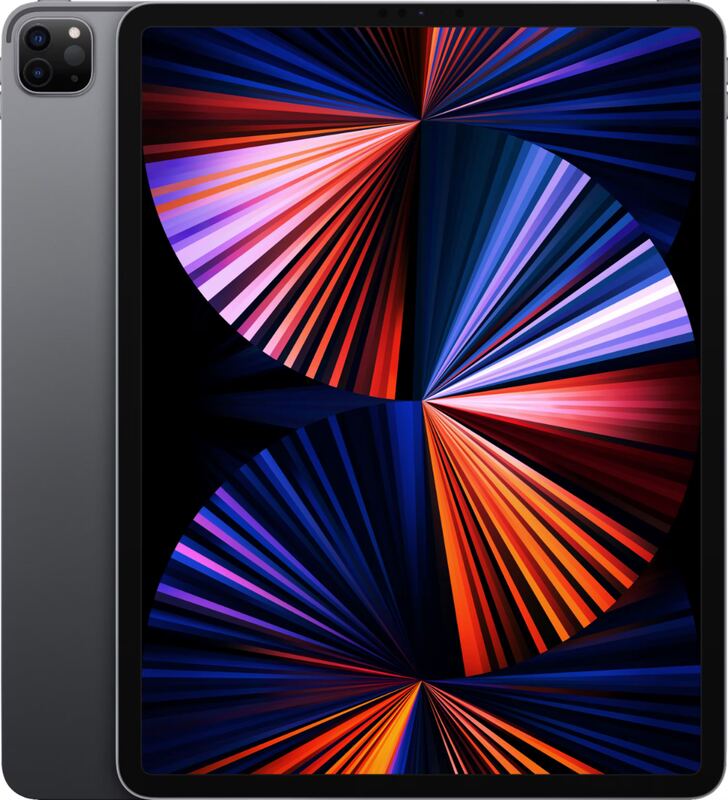
The OnePlus Pad Go 2 excels in display quality and value compared to the iPad (11th generation) with its 120Hz LCD screen and better price point. However, it's less powerful than the iPad Air and lacks the productivity features and accessories support that the iPad Pro offers, and it's not as rugged as the Android 15 tablet.
Who this is for
At a glance: mid-range tablet users seeking display quality.
Why you’d buy the OnePlus Pad Go 2
- 12.1-inch LCD display with 120 Hz refresh rate and 600 nits brightness.
- Good display usability in sunny conditions.
- Bright and usable display for content consumption and work.
Why you’d skip it
- Not suitable for serious work purposes.
- Limited to 80-85% of users' typical use cases.
Rating sources
Our 3.9 score is the average of these published ratings. More about methodology.