The Naturehike Cloud Up 2 is the budget pick, and a genuinely good one: for around a fifth of the price of premium tents it delivers strong waterproofing, a reasonable weight, and dependable real-world weather performance. The trade-offs are real, it is tight for two adults, has only one door and vestibule, and its thin fabric raises durability questions, but for solo use or budget-minded couples, it punches far above its price. CleverHiker and long-term owners agree it is an excellent value with clear limits.
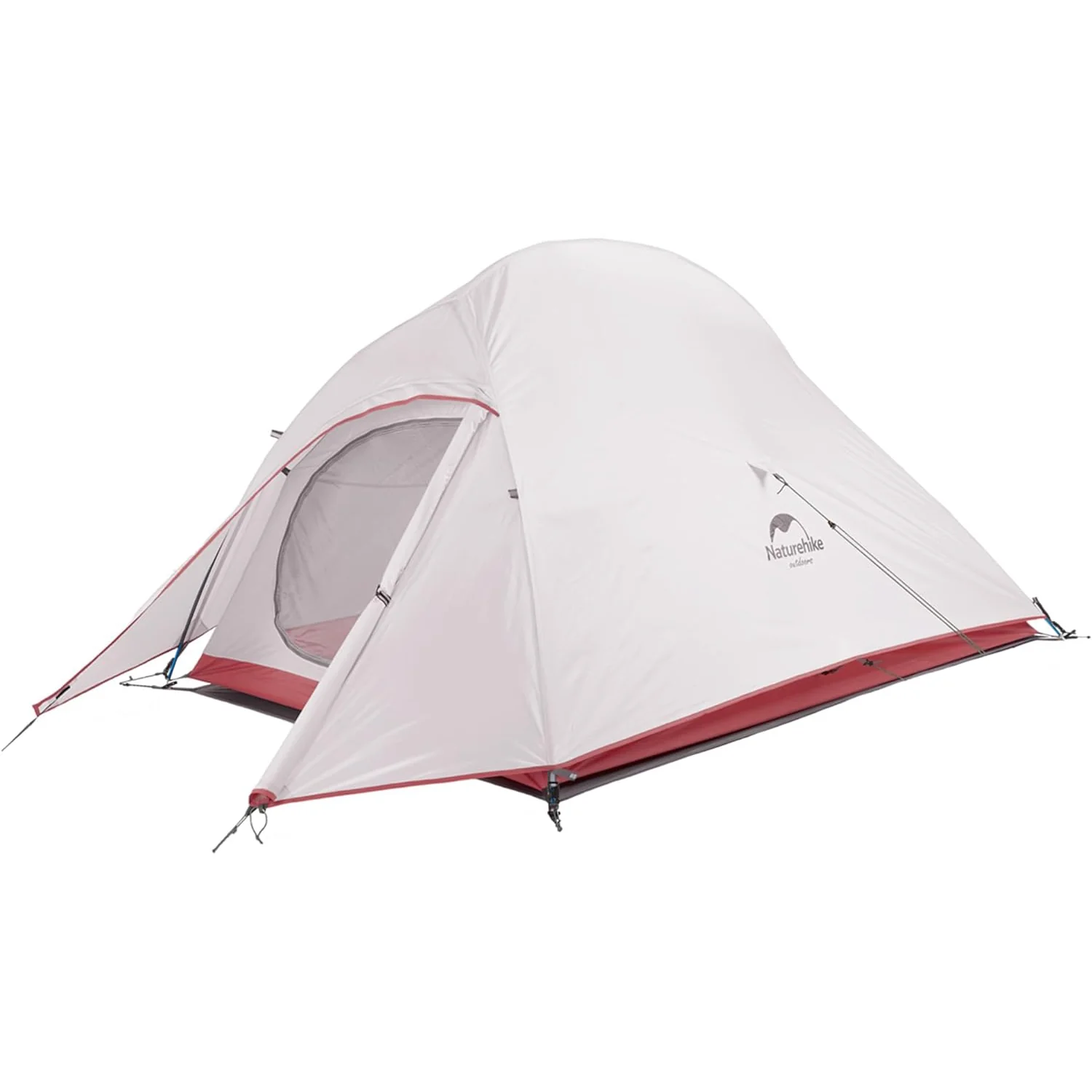
Full review
Value and Weather Protection
The Cloud Up 2's entire appeal is delivering real backpacking performance at a price that undercuts premium tents by hundreds of dollars. Its standout strength is waterproofing: the floor carries a coating rated as high as 4000mm, and in CleverHiker's testing the tent showed no signs of interior seepage, leaking, or sagging due to saturation from simulated rainfall. That is genuinely impressive weather protection for a budget tent.
Long-term owners back this up emphatically. One Trailspace reviewer, who rates it 4.5 out of 5, wrote that they had used other name-brand tents costing more than $200 that were not as good as the $75 Naturehike, noting it does not leak even in a heavy downpour. For backpackers who want dry nights without a premium price, the value is hard to argue with.
It is genuinely surprising how much tent the Cloud Up 2 delivers for the money. A premium two-person backpacking tent runs $500 to $650, while the Cloud Up 2 routinely sells for around a fifth of that. For that price you get aluminum poles rather than fiberglass, a silicone-coated nylon canopy rather than cheap polyester, taped seams, and a freestanding pitch, the core features that separate a real backpacking tent from a big-box camping tent. That is why it has become the default recommendation for budget-conscious beginners and a perennial fixture on best-value tent lists.
Weight and Design
At roughly 3.5 to 4 pounds, the Cloud Up 2 is reasonably light for its price, and its freestanding aluminum-pole design pitches quickly and stands on its own without staking. It packs down small enough to slip into a backpack with room for other gear, and the simple single-pole-hub structure is easy for beginners to set up, which matters for a tent aimed squarely at newcomers to the sport.
It is built from 20-denier silicone-coated nylon, the same denier as some premium tents, though the overall fit, finish, and materials do not match the refinement of a Copper Spur or Hubba Hubba. The single front door and single vestibule are the most visible cost-saving compromise, simpler and lighter to build, but less convenient than the twin-door layouts higher up this list.
There are several versions of the Cloud Up in circulation, which can confuse shoppers: the standard 20D nylon model reviewed here, a cheaper 210T polyester variant, and newer upgraded editions. When shopping, confirm you are getting the silicone-coated 20D nylon rather than the heavier polyester version — the performance described here applies to the nylon.
Comfort and Fit for Two
Like the ultralight Hornet, the Cloud Up 2 is tight for two adults. CleverHiker does not recommend it as a two-person shelter because of its smaller size, citing a significant lack of space for two people plus their gear given the single front-entry door and vestibule.
As a solo tent it is roomy and weatherproof, and two close partners can make it work on a budget, but the single door means whoever sleeps on the inside has to climb over the other to get out. Set expectations accordingly: this is best thought of as an excellent-value solo or occasional-couples tent rather than a spacious two-person home.
The single-door layout is the clearest place the budget shows. Premium two-person tents almost universally use two doors and two vestibules precisely because midnight bathroom trips and gear access are so much easier when each person has their own exit. The Cloud Up 2 gives that up to save cost and weight, and it is a reasonable trade at the price, but it is the compromise two-person occupants will feel most often. Solo users, of course, never notice it at all.
Floor corners are the first thing to wear
Durability is the most cited long-term concern. The thin 20D fabric, while light, is delicate, and owners point to the corners of the floor as a stress point, with one Trailspace reviewer noting worry about the durability of the four corners where the floor is pulled taut. A footprint and careful site selection are wise investments to extend its life.
The single-door, single-vestibule layout and budget-grade hardware also mean it cannot match the convenience or build quality of the premium tents. None of this is surprising at the price, and it does not undermine the tent's value, but it is the reason the Cloud Up 2 anchors the bottom of this list rather than competing for the top.
Weight is also worth a realistic look. At roughly 3.5 to 4 pounds the Cloud Up 2 is light for its price, but it is heavier than every premium tent above it except the Dagger, and noticeably heavier than the ultralight Hornet Elite. For a beginner or a budget hiker that weight is perfectly acceptable, but anyone planning long mileage will eventually feel the difference between this and a sub-3-pound premium tent. It is a value champion, not a weight champion.
Most of the weather protection at a fraction of the cost
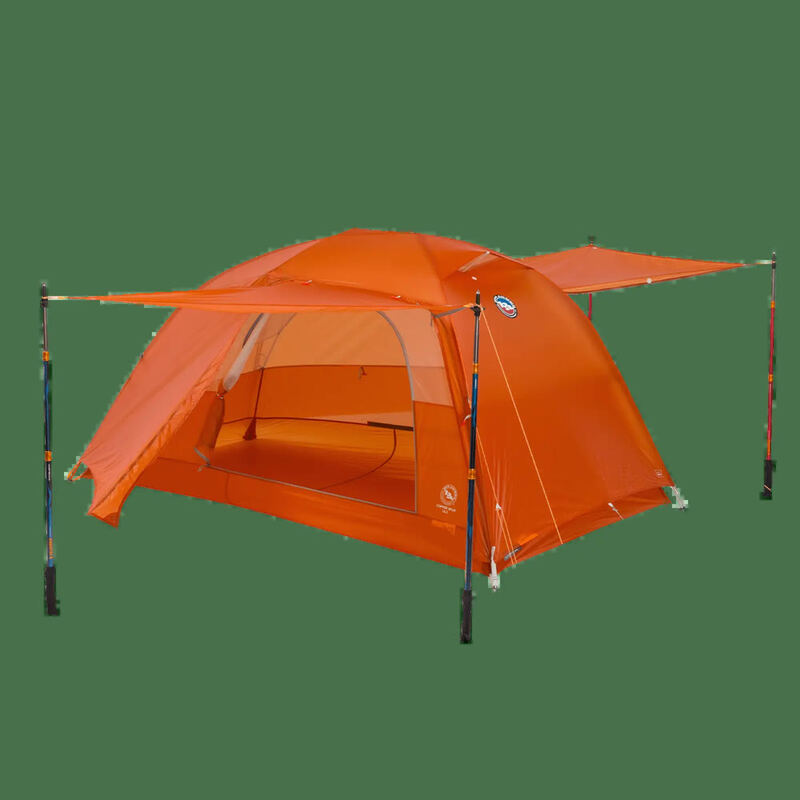
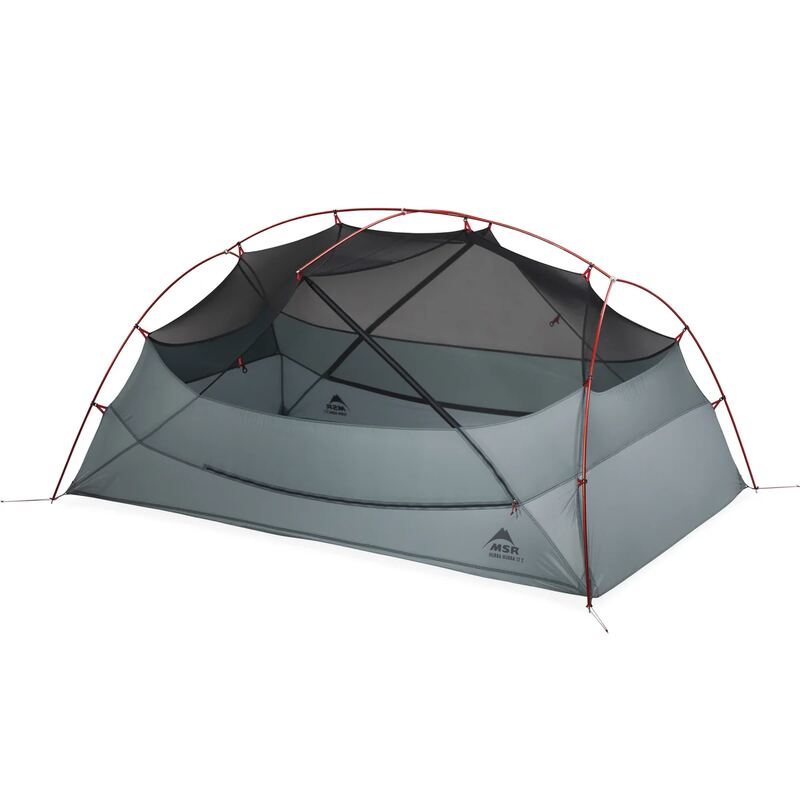
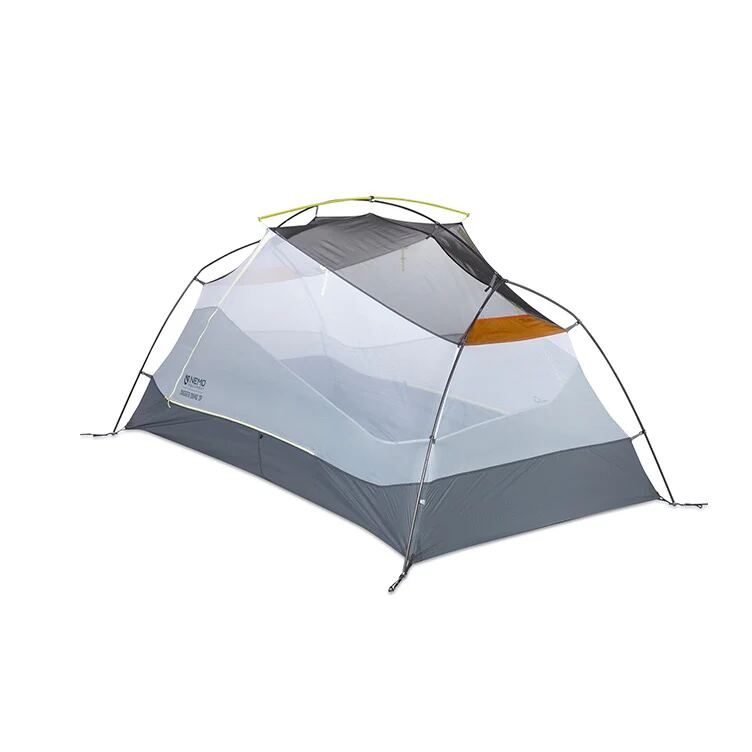
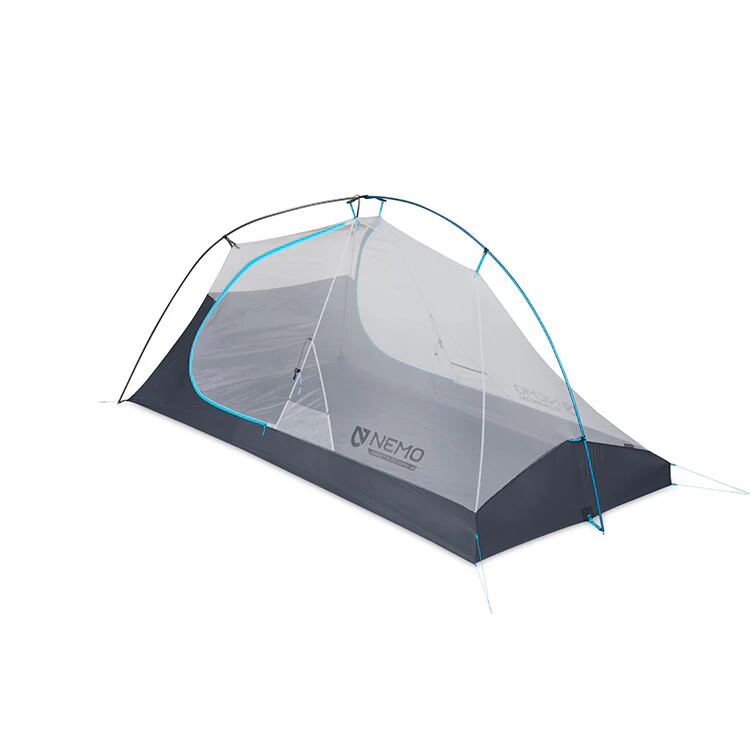
The Cloud Up 2 plays a different game from the rest of this list. It cannot match the Big Agnes Copper Spur UL2, MSR Hubba Hubba LT 2, or NEMO Dagger OSMO 2 on weight, two-door livability, fabric technology, or build, and like the NEMO Hornet Elite OSMO 2 it is cramped for two adults. What it offers instead is most of the weather protection and a freestanding, packable design for a small fraction of their cost.
For a beginner unsure how much they will backpack, or a budget hiker who needs a dependable waterproof shelter without a premium outlay, that value proposition is genuinely compelling. It is the smart entry point to the category, with clearly understood limits. The key is buying it with eyes open: treat it as an excellent-value solo or occasional-couples tent that needs a little care, and it will reward you far beyond its price; expect it to match a $600 tent in space, durability, and convenience, and it will fall short.
A 110-dollar way to test if backpacking sticks
Choose the Naturehike Cloud Up 2 if you want a waterproof, freestanding backpacking tent on a tight budget, especially for solo trips or occasional close-quarters use with a partner. It is an ideal first tent for newcomers and a smart low-cost backup for experienced backpackers.
Look elsewhere if you need true two-person comfort and a two-door layout (the NEMO Dagger OSMO 2 or Big Agnes Copper Spur UL2), maximum durability (the MSR Hubba Hubba LT 2), or the lowest possible weight (the NEMO Hornet Elite OSMO 2). Within its budget niche, though, it is one of the best values in backpacking.
The smartest way to view the Cloud Up 2 is as a low-risk entry into the hobby. Spending $110 to find out whether you enjoy backpacking is far wiser than dropping $600 on a premium tent before you know how often you will use it. If backpacking sticks, the Cloud Up 2 makes an excellent backup or loaner tent and you can upgrade your main shelter knowing exactly what you want; if it does not, you have lost very little. That low-stakes proposition is its quiet genius, and it is why so many experienced backpackers still keep one in the closet.
Strengths
- +Outstanding value, often a fraction of the price of premium 2P tents
- +Strong waterproofing, up to a 4000mm-rated floor that resists leaks in heavy rain
- +Light for the money at roughly 3.5-4 lb with a freestanding aluminum-pole design
- +Reliable real-world weather performance reported by long-term owners
- +Packs small and works well as a roomy, weatherproof solo shelter
Watch-outs
- −Cramped for two adults; single front door and vestibule limit two-person livability
- −Delicate 20D fabric and corner stress points raise long-term durability concerns
- −One door means the inside occupant must climb over their partner
- −Build quality and materials trail premium tents in fit and finish
How it compares
The clear value pick, costing a fraction of the Big Agnes Copper Spur UL2, MSR Hubba Hubba LT 2, and NEMO Dagger OSMO 2. It cannot match their weight, two-door layouts, or build quality, and like the NEMO Hornet Elite OSMO 2 it is tight for two adults, but it delivers most of the weather protection for a tiny share of the price.
Rating sources
“during testing the tent showed no signs of interior seepage, leaking, or sagging due to saturation from simulated rainfall”
Our 4.1 score is the average of these published ratings. Ratings marked * were derived from the reviewer’s written analysis or video transcript — the publisher didn’t print an explicit numeric score, so we inferred one from their own words. Click through to verify. More about methodology.