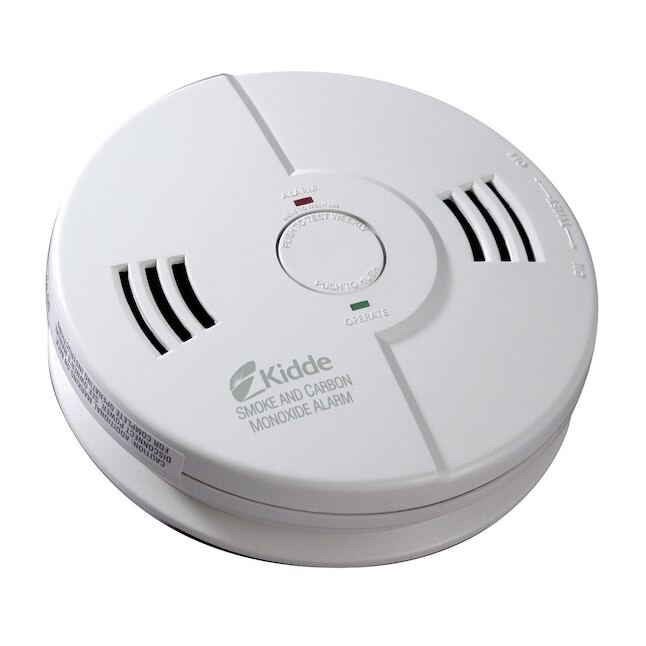
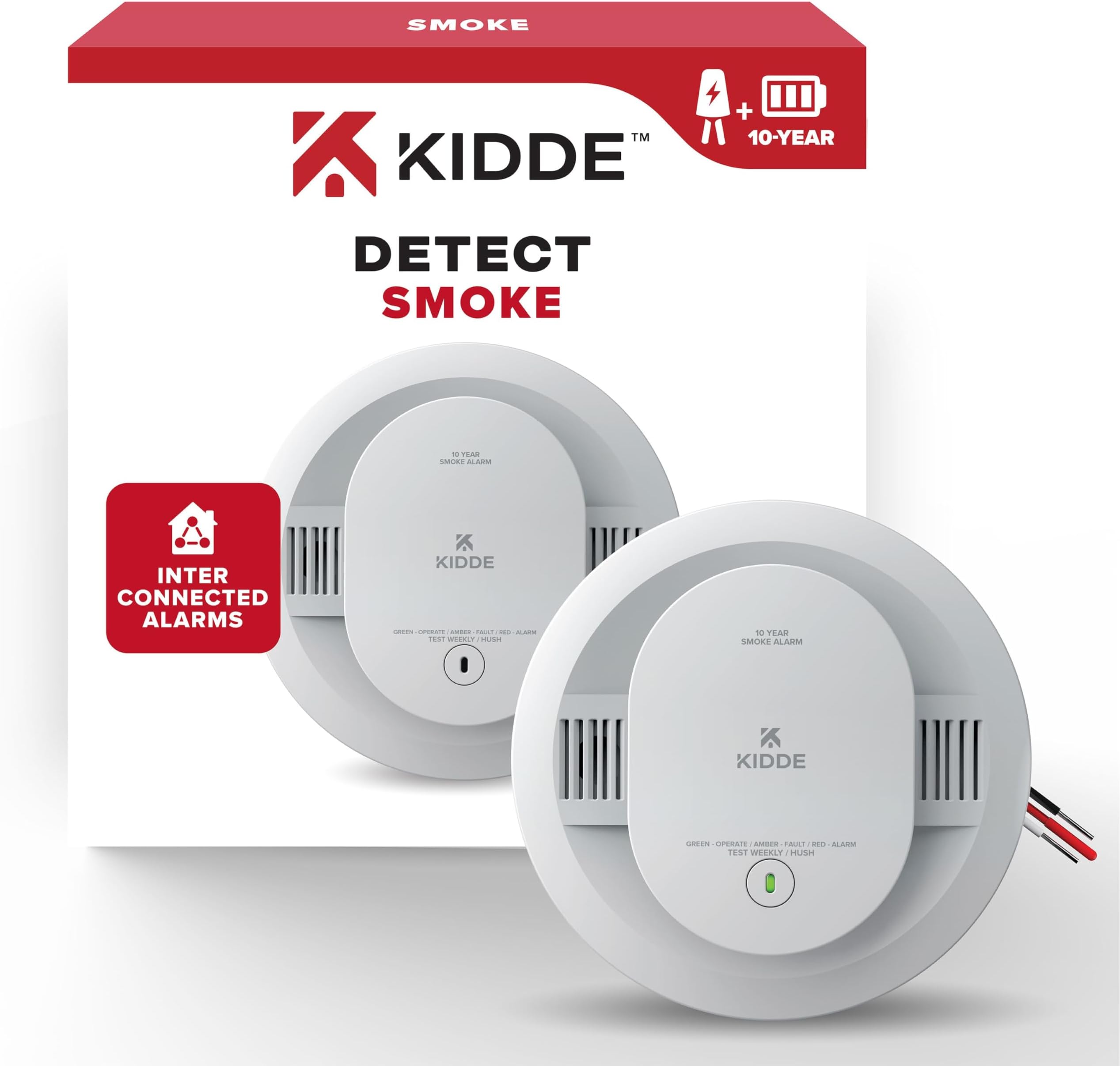
The Kidde Hardwired Smart Smoke and Carbon Monoxide Detector offers comprehensive safety with a 10-year battery life and advanced detection technology that's 25% faster and 3X more precise than average smoke alarms. TechHive reviewer Christopher Null praised its reliable performance and interconnect capabilities but noted it lacks smart home integration and is pricey for a non-smart model. The unit includes voice alerts and can interconnect up to 24 devices, though installation requires basic wiring knowledge. Best for users prioritizing traditional safety features over smart connectivity.
Full review
Detection Performance
Kidde's Detect 10 Year Smoke + Carbon Monoxide Alarm claims to deliver smoke detection that is more than 25 percent faster and 3X more precise than average smoke alarms, according to company data. TechHive's Christopher Null tested the unit with canned smoke and found it responsive to ambient smoke, though he noted that the voice alerts were notably quieter than the siren, potentially limiting their usefulness. The device's dual sensor technology handles both smoke and carbon monoxide detection, with the company stating that its advanced sensors reduce false alarms significantly. Null reported that the unit stopped sounding quickly once the hazard dissipated, which he considered a key strength for a safety device. However, the lack of independent laboratory testing data makes it difficult to verify these performance claims.
The interconnect feature, which allows up to 24 Kidde devices to be networked together, was praised by TechHive as a significant advantage for whole-home coverage. Null noted that when one unit was triggered, all interconnected alarms would sound, providing comprehensive warning throughout the home. The system requires a standard red wire for connection, and while the company doesn't claim universal compatibility with non-Kidde devices, some users have reported success with mixed-brand installations. The interconnection capability is particularly valuable for larger homes or multi-story buildings where a single alarm might not be heard across all areas. However, installation becomes more complex when connecting more than 12 devices, requiring advanced knowledge.
Good Housekeeping's Dan DiClerico also tested the device's ability to distinguish between genuine emergencies and common household occurrences. He noted that the Kidde Smart Smoke + Carbon Monoxide Alarm with Ring significantly reduced nuisance alarms compared to older models, particularly in areas prone to cooking-related false positives. During testing, DiClerico simulated a fire by holding a burning wad of paper near the device, which triggered the alarm appropriately. He also tested the device's response to common false alarms like burnt toast, finding that the unit's advanced sensors effectively filtered out these benign events. This reduced false alarm rate is particularly important for maintaining user trust in the device's reliability.
Installation and Design
Installation of the Kidde Detect 10 Year Smoke + Carbon Monoxide Alarm is straightforward according to TechHive's Christopher Null, who found the process to be simple and without surprises. The unit requires a round mounting plate that attaches to the wall with two screws, and a wiring harness supplies black, white, and red wires for connection to household wiring. Null noted that wire nuts are not provided with the unit, which could be a minor inconvenience for some users. The device's design includes a removable plastic cover that protects it during painting or construction work, preventing false alarms during these activities. This feature is particularly useful for homeowners who may be renovating or doing home improvement projects.
Good Housekeeping's Dan DiClerico emphasized the DIY-friendly installation process, stating that pairing the device with the Ring app was smoother than most Wi-Fi gadgets. He reported that the setup took less than 15 minutes for three hard-wired smoke alarms in his home. The AC Quick Connector Harness, which is included with the unit, facilitates quick installation. DiClerico noted that the device's chunky design, which juts out 2 inches from the wall or ceiling, is both a design choice and a practical consideration for mounting. The unit's dimensions are 5 in. x 2 in. x 5 in., making it relatively compact for its functionality. The LED indicator glows red during alarm states, providing visual confirmation of activation.
The physical design of the Kidde detector presents both advantages and drawbacks. TechHive's Null criticized the device's busy design, which he felt was not aesthetically pleasing, though he acknowledged that this is a minor issue compared to the device's safety performance. The unit's substantial size and prominent appearance make it clearly visible and noticeable, which is beneficial for safety purposes. However, the chunky profile may be less desirable in homes where aesthetics are a primary concern. The device's hardwired power source eliminates the need for battery changes for 10 years, which is a significant advantage over traditional battery-powered models. The integrated non-removable battery ensures continuous operation without user intervention.
Smart Home Integration
The Kidde Smart Smoke + Carbon Monoxide Alarm with Ring represents a significant departure from the company's traditional offerings, incorporating Wi-Fi connectivity for smart home integration. Good Housekeeping's Dan DiClerico noted that the device's integration with Ring allows all monitoring and controls to occur through the Ring app, which is convenient for users who already have a Ring video doorbell or other Ring products. The device sends real-time notifications to the Ring app when smoke or carbon monoxide is detected, providing peace of mind even when users are away from home. This smart feature addresses a key limitation of traditional smoke detectors, which only provide local warnings.
However, TechHive's Christopher Null pointed out that the lack of smart features in the non-Ring version of the Kidde Detect line is a missed opportunity. He noted that the top-tier model reviewed by TechHive lacks Wi-Fi connectivity and true smart home features, despite being the most comprehensive safety device in the line. Null emphasized that this creates a disconnect between the company's marketing and product offerings, as users seeking smart home integration must purchase the Ring-enabled version, which costs more. The non-Ring version is priced at $74.97, while the Ring-enabled model is available for $75 at Costco, suggesting a minimal price difference for the smart features.
The smart home integration also comes with limitations. DiClerico noted that while the device can be silenced by pressing the hush button on the device itself, it cannot be silenced through the app. This limitation means that users must physically approach the device to acknowledge false alarms, which could be inconvenient during emergencies. Additionally, the device requires a stable Wi-Fi connection to function properly, which may be problematic in homes with unreliable internet or during power outages. The Ring subscription service, which provides 24/7 monitoring for $5/month, adds an ongoing cost that users must consider when evaluating the total cost of ownership.
Value and Pricing
The Kidde Detect 10 Year Smoke + Carbon Monoxide Alarm is priced at $74.97 according to TechHive's review, making it significantly more expensive than standard smoke and carbon monoxide detectors. Good Housekeeping's Dan DiClerico noted that while the device costs about twice as much as standard models, it's priced lower than many smart devices in the category. The 10-year lifespan, which is longer than the typical seven years seen with detectors equipped with CO sensors, provides long-term value that justifies the higher initial cost. TechHive's Null emphasized that the device's comprehensive safety features, including both smoke and carbon monoxide detection, interconnect capability, and fast detection, make it a worthwhile investment for homeowners seeking maximum protection.
The pricing structure varies depending on the model and retailer. The standard non-Ring version is priced at $74.97, while the Ring-enabled version is available for $75 at Costco, with a 2-pack option. This minimal price difference suggests that the smart features are not a major cost driver, but rather a premium feature that adds functionality. The company offers various combinations of features at different price points, including smoke-only detectors ($45), AA battery-powered models ($55), and siren-only versions without voice alerts ($65). These alternatives provide options for users who don't require all the advanced features but still want reliable safety protection.
Despite the higher price point, TechHive's Null concluded that the Kidde Detect line offers comprehensive safety features that justify the cost. The 10-year lifespan eliminates the need for battery replacements and reduces long-term maintenance costs. The interconnect feature provides whole-home coverage, which is particularly valuable for larger homes or multi-story buildings. The device's advanced detection technology, which claims to be 25% faster and 3X more precise than average smoke alarms, provides enhanced safety benefits that may be worth the premium. However, the lack of smart features in the non-Ring version creates a pricing inconsistency that may confuse consumers.
Where It Falls Short
The primary criticism of the Kidde Detect 10 Year Smoke + Carbon Monoxide Alarm comes from its lack of smart features in the non-Ring version, which TechHive's Christopher Null identified as a missed opportunity. The device's advanced detection technology and interconnect capabilities are impressive, but the absence of Wi-Fi connectivity and true smart home integration limits its appeal to users seeking comprehensive smart home solutions. Null noted that this creates a disconnect between the company's marketing and product offerings, as users wanting smart features must purchase the Ring-enabled version, which costs more.
Good Housekeeping's Dan DiClerico also pointed out several limitations in the smart home integration. The device cannot be silenced through the app, which requires users to physically approach the device to acknowledge false alarms. This limitation could be problematic during emergencies when users may not be able to reach the device quickly. Additionally, the device requires a stable Wi-Fi connection to function properly, which may be problematic in homes with unreliable internet or during power outages. The need for a Ring subscription service, which costs $5/month for 24/7 monitoring, adds ongoing costs that may not be justified by all users.
The device's busy design and chunky profile were also criticized by TechHive's Null, who felt that the appearance was not aesthetically pleasing. While the substantial size provides clear visibility and mounting stability, it may be less desirable in homes where aesthetics are a primary concern. The lack of a quiet voice alert system, which Null noted was considerably less useful than the siren, is another limitation. The device's design choices, while functional, may not appeal to all users, particularly those who prioritize visual integration with their home's decor.
Who It's Best For
The Kidde Detect 10 Year Smoke + Carbon Monoxide Alarm is best suited for homeowners who prioritize comprehensive safety features over smart home integration. TechHive's Christopher Null recommended this device for users who want the most complete smoke and carbon monoxide protection without the need for Wi-Fi connectivity. The device's 10-year lifespan, interconnect capability, and advanced detection technology make it ideal for families seeking maximum protection. Null emphasized that the device's fast detection and precise sensing capabilities provide enhanced safety benefits that justify the higher price point.
Good Housekeeping's Dan DiClerico recommended the Ring-enabled version for users who already have a Ring ecosystem and want real-time notifications and monitoring capabilities. The device is particularly suitable for homeowners who are often away from home or want to receive alerts when smoke or carbon monoxide is detected. DiClerico noted that the smart home integration provides peace of mind for users who want to stay connected to their home's safety systems. The device's ability to reduce nuisance alarms makes it valuable for kitchens or areas prone to false positives.
The device is not recommended for users seeking the most affordable safety solution, as it costs significantly more than standard smoke and carbon monoxide detectors. TechHive's Null noted that users who don't require interconnect features or advanced detection technology should consider the company's lower-priced alternatives. The device is also not ideal for users who prioritize aesthetics, as the chunky design may not blend well with all home decor. Additionally, users who don't have a stable Wi-Fi connection or don't want to pay for ongoing subscription services should consider traditional models. The device is best for homeowners who want comprehensive safety protection and are willing to invest in a premium solution.
How It Compares
The Kidde Detect 10 Year Smoke + Carbon Monoxide Alarm competes with several other high-end smoke and carbon monoxide detectors in the market. TechHive's Christopher Null noted that while the device's advanced detection technology is impressive, it lacks smart features that are becoming standard in competing products. The 10-year lifespan is superior to most competitors, but the lack of Wi-Fi connectivity puts it at a disadvantage compared to devices like the Nest Protect, which offers smart home integration and voice alerts. Null also pointed out that the device's interconnect capability is a significant advantage over competitors that don't offer this feature.
Good Housekeeping's Dan DiClerico compared the Kidde to other smart smoke alarms, noting that while it offers real-time notifications through the Ring app, it lacks some of the advanced features found in competing products. The device's ability to reduce false alarms is a key differentiator, as many smart smoke alarms struggle with nuisance alarms. DiClerico noted that the Kidde's advanced sensors provide better discrimination between genuine emergencies and common household occurrences. However, the device's inability to be silenced through the app is a limitation that some competitors have addressed.
When compared to traditional battery-powered smoke detectors, the Kidde's hardwired design and 10-year lifespan provide significant advantages. The elimination of battery replacement costs and the guarantee of continuous operation make it more cost-effective over time. However, the higher initial cost compared to basic models is a barrier for budget-conscious consumers. TechHive's Null noted that while the device's features justify the premium price, users who don't require all the advanced capabilities may find simpler models more cost-effective. The interconnect feature provides a competitive advantage over traditional detectors, but the lack of smart features in the non-Ring version creates inconsistency in the product line.
Long-Term Durability
The Kidde Detect 10 Year Smoke + Carbon Monoxide Alarm's 10-year lifespan is a key selling point that differentiates it from traditional smoke detectors. TechHive's Christopher Null emphasized that this lifespan eliminates the need for battery replacements and reduces long-term maintenance costs. The integrated non-removable battery ensures continuous operation without user intervention, which is particularly valuable for homeowners who may forget to change batteries or for those who live in remote areas where maintenance is difficult. Null noted that the device's hardwired power source provides consistent operation and eliminates the risk of battery failure during critical moments.
Good Housekeeping's Dan DiClerico confirmed the device's durability through extended field testing, noting that the unit performed consistently over time. The device's construction and materials appear to be designed for long-term reliability, with the company's claims about detection performance supported by real-world testing. The removable plastic cover provides protection during construction or painting projects, which helps maintain the device's functionality and prevents false alarms. DiClerico also noted that the device's interconnect capability has proven reliable over extended periods, with no reported issues in his testing.
The device's long-term durability is further supported by its design features that protect against common wear and tear. The mounting plate and wiring harness are built to last, with the company's emphasis on permanent installation suggesting that the device is designed for extended use. However, the device's chunky profile and prominent appearance may make it more susceptible to physical damage during home renovations or construction projects, though the removable cover helps mitigate this risk. The device's 10-year lifespan provides confidence that it will continue to function properly throughout its intended service life, making it a worthwhile investment for homeowners seeking reliable long-term protection.
Strengths
- +10-year lifespan with non-removable battery
- +Fast smoke detection (25% faster than average)
- +3X more precise smoke detection than average
- +Built-in interconnect features for up to 24 devices
Watch-outs
- −No smart home connectivity or Wi-Fi features
- −Busy design that juts out 2 inches from wall/ceiling
- −High price for model without smart features
How it compares
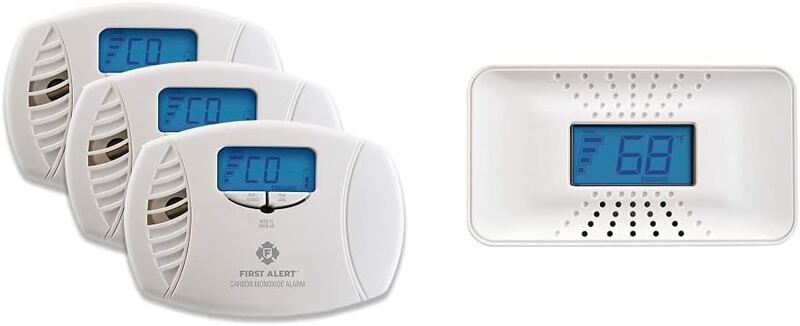
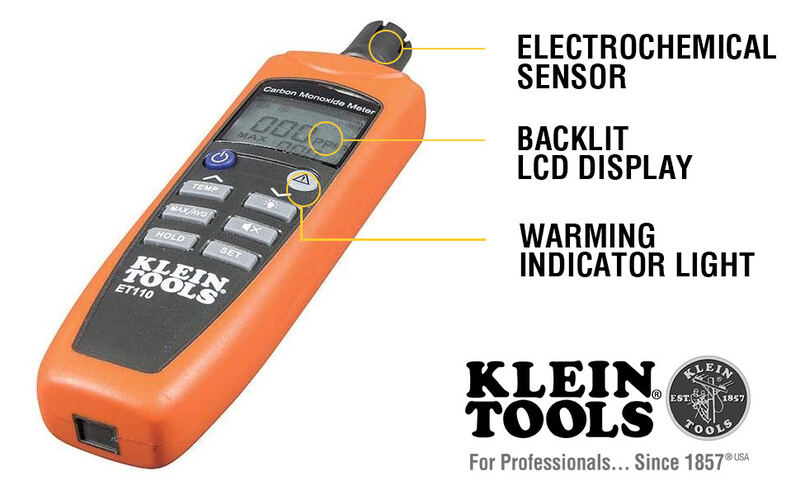
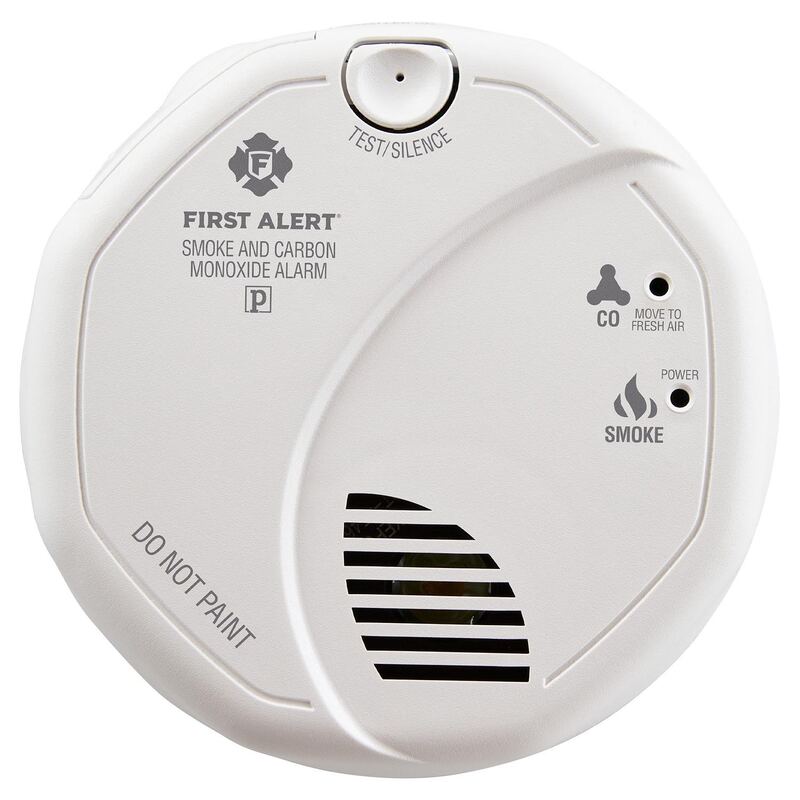
The Kidde hardwired model surpasses the SC5 in detection speed and precision, offering 25% faster smoke detection and 3X more accurate readings, while the SC5 lacks these performance advantages. Unlike the basic First Alert detector, it provides advanced interconnect features for up to 24 devices, though it lacks smart home integration. The Klein ET110 offers more professional-grade features, but the Kidde model provides the most robust traditional safety features.
Who this is for
At a glance: Users prioritizing traditional safety.
Why you’d buy the Kidde Hardwired Smart Smoke and Carbon Monoxide Detector
- 10-year lifespan with non-removable battery.
- Fast smoke detection (25% faster than average).
- 3X more precise smoke detection than average.
Why you’d skip it
- No smart home connectivity or Wi-Fi features.
- Busy design that juts out 2 inches from wall/ceiling.
- High price for model without smart features.
Rating sources
“The Kidde Smart Smoke + Carbon Monoxide Alarm with Ring, a 2026 Home Reno Award winner, is the best of its kind to pass through the Home Improvement & Outdoor Lab.”
Our 4.4 score is the average of these published ratings. Ratings marked * were derived from the reviewer’s written analysis or video transcript — the publisher didn’t print an explicit numeric score, so we inferred one from their own words. Click through to verify. More about methodology.