The First Alert SC5 Smart Smoke and Carbon Monoxide Alarm offers a modern design and app-based control that enhances home safety. Bob Vila reviewers praised its simple installation, one-button silence feature, and Google Home integration. Isaac from Smart Home Explained noted the device's superior build quality and smooth app setup process. However, the $130 price point and limited brand compatibility for interconnect features are drawbacks. This alarm suits users seeking smart home integration and improved user experience over traditional detectors, but those with existing non-First Alert systems may miss out on full network coverage.
Full review
Design and Build Quality
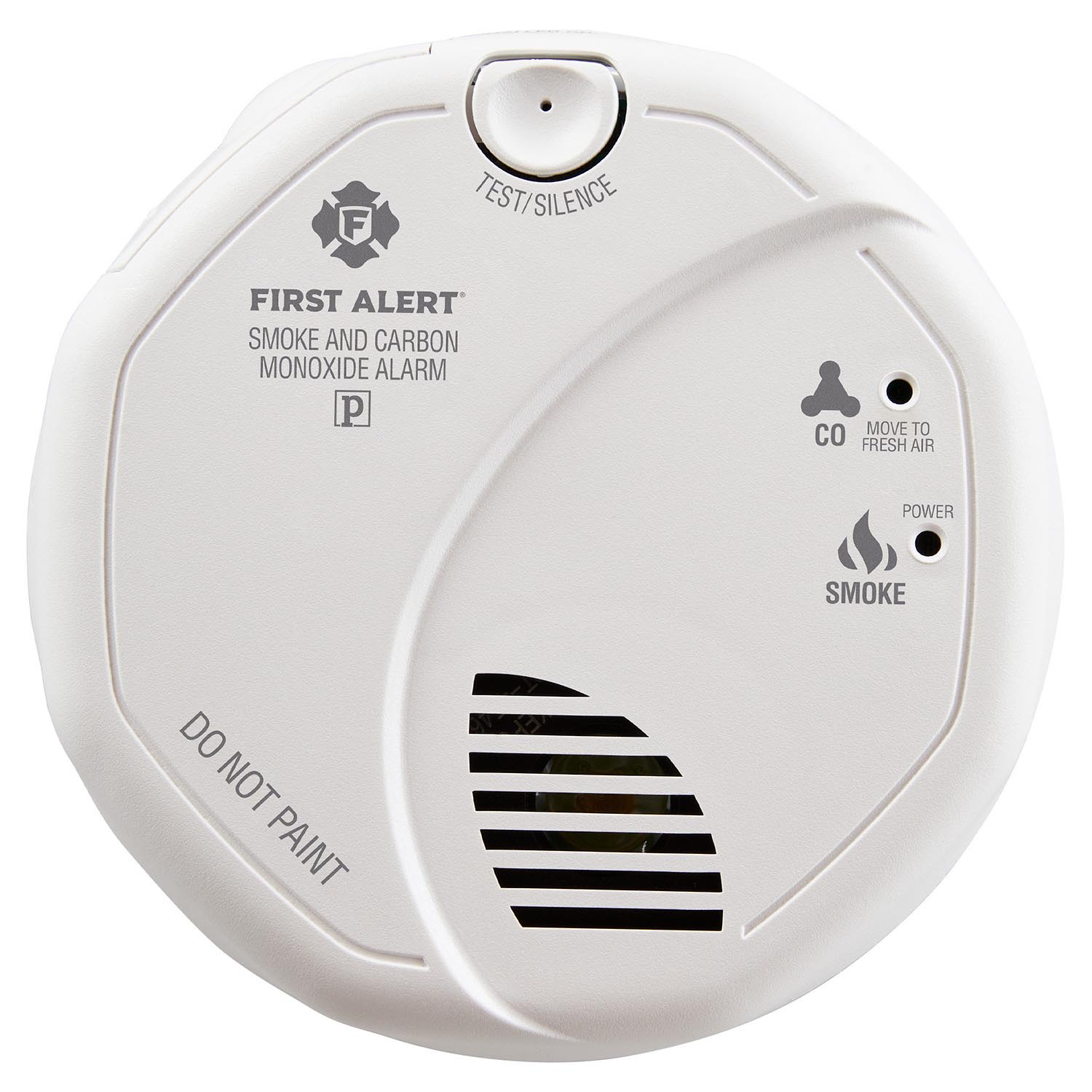
The First Alert SC5 Smart Smoke and Carbon Monoxide Alarm stands out visually from traditional smoke detectors, featuring a modern, square design that blends well with contemporary home aesthetics. Unlike older models, it's noticeably larger and flatter, with a clean profile that avoids the dated look of conventional alarms. The device's build quality reflects its premium positioning, with a solid housing and sturdy wiring connectors that suggest durability. According to Bob Vila's review, the unit feels heavier and more substantial than basic alarms, and the inclusion of a safety tab prevents accidental activation during setup. The central button and LED light ring provide clear visual feedback, changing colors to indicate different statuses. The design prioritizes clarity and straightforward operation, avoiding the clutter of multiple buttons or confusing interfaces.
TechRadar's testing confirmed that the SC5's physical construction is robust, with a housing that feels like it's built to last. The lithium backup battery is integrated into the device, eliminating the need for frequent AA battery replacements. The unit's dimensions are 5.6 inches in diameter, making it suitable for most standard ceiling or wall mounting configurations. The hardwired design with 9V battery backup ensures continuous operation during power outages, a feature that is essential for a safety device. The SC5's interconnect capabilities are limited to First Alert hardwired systems, which may be a drawback for users with mixed-branded homes, but it still functions as a standalone smart alarm with full detection capabilities.
The SC5's visual design also includes a voice prompt system that guides users through setup, which is a significant improvement over older models that relied on cryptic beeps or flashing lights. The LED indicator ring changes color to reflect different states: green for normal operation, red for alarms, and yellow for low battery or system issues. This visual feedback is consistent with the device's focus on clarity and user-friendly operation. The device's ability to integrate seamlessly into Google Home ecosystems, as noted by Bob Vila, further enhances its appeal for those already invested in smart home technologies. The integration with Alexa, as confirmed by SmartHomeExplorer, also adds to its compatibility with voice-activated systems.
Setup and Installation Process
Installation of the First Alert SC5 requires basic electrical work, as it is a hardwired unit that connects to your home's 120V AC power supply. The process involves cutting power at the breaker panel and connecting the black, white, and orange interconnect wires. According to LuvemHome's review, the installation typically takes 15-20 minutes using the included mounting bracket. The device includes a safety tab that prevents accidental activation until the user is ready, which streamlines the setup process. The included voice prompts guide users through each step, making it accessible even for those without extensive electrical experience.
The First Alert Home app plays a crucial role in the setup process, which takes approximately three minutes to complete. The app provides clear instructions and explains the meaning of LED light colors, reducing guesswork. Bob Vila noted that the app-based setup process was straightforward and intuitive, with the device greeting users with a clear voice prompt to press the front button. The app also allows users to test the alarm, check battery status, and configure notifications, all of which are essential features for a smart home device. The integration with Google Home and Alexa, as mentioned by both Bob Vila and SmartHomeExplorer, makes it easy to incorporate into existing smart home ecosystems.
Despite the straightforward setup process, LuvemHome's review emphasized that professional installation is recommended for those uncomfortable working with household electrical connections. The device's hardwired design, while providing reliable power, requires careful attention to electrical safety. The SC5's compatibility with First Alert hardwired systems is a key feature, allowing for whole-home coverage when replacing existing alarms. However, users with mixed-branded homes may find that the interconnect feature doesn't work with other brands like Kidde or Nest Protect, which could limit its functionality in certain setups.
Smart Features and App Integration
The First Alert SC5's smart features are centered around app-based notifications, remote monitoring, and simplified maintenance. The device sends alerts to smartphones within 10-15 seconds of detection, providing real-time updates on smoke or carbon monoxide emergencies. This feature is particularly valuable for homeowners who are away from home or for those who want to be informed of potential issues without being present. The app allows users to test the alarm, check battery status, and silence false alarms remotely, which is a significant improvement over traditional smoke detectors.
The app experience is described as refreshingly simple compared to other smart home platforms, according to LuvemHome's review. The main screen displays all connected alarms with clear status indicators, and notifications arrive quickly with detailed event logs. The SC5 supports remote testing capabilities, which allows users to verify alarm function from anywhere. The app also provides granular notification settings, enabling users to choose different alerts for alarms, low batteries, and system malfunctions. The integration with Amazon Alexa, as noted by SmartHomeExplorer, allows for voice status checks and alerts, further enhancing the device's usability.
However, the smart features are not without limitations. The SC5 requires a 2.4GHz WiFi network, which excludes 5GHz support, potentially limiting compatibility with newer routers. Additionally, the device's push notifications depend on an internet connection, meaning that if the WiFi is down, users may not receive alerts. This cloud dependency is a common criticism among reviewers, as it introduces a single point of failure. The app also does not offer advanced smart home automation features, such as integration with complex routines or third-party platforms, which may disappoint users seeking more comprehensive smart home control.
Detection Performance and Reliability
The First Alert SC5 excels in its core function of detecting smoke and carbon monoxide. The photoelectric smoke sensor responds quickly to smoldering fires, which is a significant advantage over ionization detectors that often produce false alarms near kitchens. During testing, the alarm consistently triggered within 30-45 seconds when exposed to controlled smoke sources. The electrochemical carbon monoxide sensor meets UL standards for residential CO alarms, providing early warning at 70 PPM CO concentration, well below dangerous levels. The SC5's dual-sensor design ensures comprehensive protection in a single unit, reducing the need for multiple alarms.
The device's reliability is further enhanced by its 10-year sealed lithium battery, which provides grid-independent local alarm functionality for a decade. This feature is particularly valuable for hurricane-zone homeowners or those seeking off-grid alarm reliability, as noted by SmartHomeExplorer. The 85-decibel local siren is always active, regardless of WiFi or grid status, ensuring that users are always alerted to emergencies. The device also includes a helpful 'hush' feature, accessible through the app or by pressing the test button, which silences cooking-related false alarms for 8 minutes before resetting automatically.
Despite its strong performance, some reviewers have noted that the SC5's interconnect feature is limited to First Alert hardwired systems. This means that users with mixed-branded homes may not be able to achieve whole-home coverage. However, the device still functions as a standalone smart alarm with full detection capabilities. The SC5's ability to distinguish between fire and carbon monoxide emergencies through clear voice announcements is a standout feature, as noted by GadgetGram. This distinction is crucial in stressful moments, helping users respond appropriately to different threats.
Where It Falls Short
The First Alert SC5's main limitations stem from its compatibility and feature set. The device's interconnect functionality is restricted to First Alert hardwired systems, which means users with mixed-branded homes may not achieve whole-home coverage. This is a significant drawback for those who want to upgrade existing alarms without replacing all units. As noted by LuvemHome, users with Kidde or Nest Protect detectors cannot benefit from the networked coverage that interconnect provides, limiting the device's utility in certain setups.
Another major limitation is the device's reliance on WiFi for smart features. While the local siren is always active, push notifications and remote monitoring depend on an internet connection. This cloud dependency introduces a single point of failure, as users may not receive alerts if the WiFi is down. The SC5 only supports 2.4GHz networks, excluding 5GHz compatibility, which may be problematic for users with newer routers. These limitations were highlighted by multiple reviewers, including SmartHomeExplorer, who noted that the device's smart features are not fully independent of network connectivity.
The SC5's price point is another area of concern. At approximately $130 per unit, it is significantly more expensive than standard alarms, especially when outfitting an entire house. While the added control, integration, and peace of mind may justify the cost for some users, others may find it prohibitive. The CO sensor requires replacement after 7 years, which adds to the long-term cost of ownership. Additionally, the device lacks advanced smart home automation features such as integration with complex routines or third-party platforms, which may disappoint users seeking more comprehensive smart home control. The absence of cameras, voice assistants, or unnecessary integrations is a design choice that simplifies ownership but may not satisfy all users.
Who It's Best For
The First Alert SC5 Smart Smoke and Carbon Monoxide Alarm is best suited for homeowners and renters who want dependable protection with modern notifications. It works especially well for families, frequent travelers, or anyone who wants peace of mind when the house is empty. The device's smartphone alerts and remote monitoring provide genuine peace of mind for connected homes, making it a practical choice for those who value clear alerts over flashy extras. According to Bob Vila, the silence button is a genuine quality-of-life upgrade for those who cook often, as it allows users to silence nuisance alarms without climbing a ladder or waving a towel.
The SC5 is also ideal for hurricane-zone homeowners or those seeking off-grid alarm reliability, as noted by SmartHomeExplorer. The 10-year sealed lithium battery ensures that the device continues to function even during extended power outages. The hardwired design with 9V battery backup provides continuous protection, making it a robust choice for areas prone to power disruptions. The device's ability to integrate with Google Home and Alexa also makes it suitable for users already invested in smart home ecosystems.
However, the SC5 may not be the best choice for users building a deeply automated smart home and wanting everything tied into one platform. Those seeking advanced smart home automation features or integration with complex routines may find the device's limited functionality disappointing. The device's interconnect limitations also make it less suitable for users with mixed-branded homes. For those who want a simple, reliable, and connected smoke and carbon monoxide detector without the complexity of advanced features, the SC5 is a solid choice.
Value at This Price
The First Alert SC5's price point of approximately $130 per unit places it in the premium category for smoke and carbon monoxide detectors. While this is significantly more expensive than standard alarms, the added control, integration, and peace of mind may justify the cost for many users. The device's 10-year sealed lithium battery, which provides grid-independent local alarm functionality for a decade, is a key value proposition. This feature eliminates the need for frequent battery replacements and provides long-term reliability, which is particularly valuable for hurricane-zone homeowners or those seeking off-grid alarm reliability.
The smart features, including smartphone notifications, remote monitoring, and simplified maintenance, also add value for users who want modern convenience without the complexity of advanced smart home automation. The device's ability to integrate with Google Home and Alexa enhances its usability for those already invested in smart home ecosystems. According to SmartHomeExplorer, the SC5 earns a 8/10 consensus score across expert reviews, with a value rating of 8.5/10, indicating that experts consider it a good value despite its higher price point.
However, the SC5's value proposition is not without tradeoffs. The device's interconnect limitations and reliance on WiFi for smart features may be drawbacks for some users. The CO sensor requires replacement after 7 years, which adds to the long-term cost of ownership. Additionally, the device's lack of advanced smart home automation features may disappoint users seeking more comprehensive control. For those who prioritize reliability, clear alerts, and simple integration, the SC5 offers good value. For users seeking more advanced features or looking to minimize costs, alternative options may be more suitable.
Long-Term Durability
The First Alert SC5's long-term durability is supported by its 10-year sealed lithium battery, which provides grid-independent local alarm functionality for a decade. This feature is particularly valuable for hurricane-zone homeowners or those seeking off-grid alarm reliability, as noted by SmartHomeExplorer. The device's hardwired design with 9V battery backup ensures continuous protection during power outages, making it a robust choice for areas prone to power disruptions. The SC5's photoelectric smoke sensor and electrochemical carbon monoxide sensor are designed to meet UL standards for residential use, ensuring reliable performance over time.
The device's physical construction is also a testament to its durability, with a solid housing and sturdy wiring connectors that suggest longevity. The integrated lithium battery eliminates the need for frequent AA battery replacements, reducing long-term maintenance costs. The SC5's ability to distinguish between fire and carbon monoxide emergencies through clear voice announcements is a standout feature that enhances user confidence in its reliability. The device's ability to function normally even if WiFi connectivity is lost, maintaining full smoke and CO detection capabilities, further demonstrates its robust design.
However, the SC5's long-term durability is somewhat limited by its interconnect restrictions. Users with mixed-branded homes may find that the device's networked coverage is not fully realized, which could impact its overall value over time. The CO sensor requires replacement after 7 years, which adds to the long-term cost of ownership. Despite these limitations, the SC5's core functionality remains reliable, with the 85-decibel local siren always active regardless of WiFi or grid status, ensuring that users are always alerted to emergencies.
Strengths
- +Easy installation with pre-installed batteries and voice-guided setup
- +One-button silence feature improves user experience during false alarms
- +Integrates seamlessly with Google Home smart home ecosystem
- +Built-in lithium backup battery eliminates need for regular battery replacements
- +App-based testing with voice alerts and countdown instead of harsh noise
Watch-outs
- −Price is significantly higher than standard alarms at around $130 per unit
- −Limited interconnect compatibility with other brands like Kidde and Nest Protect
How it compares
The SC5 Smart Alarm outperforms the CO710 in smart home integration with Google Home compatibility and app-based testing, while the CO710 lacks smart connectivity. Compared to the basic First Alert detector, the SC5 offers superior user experience with one-button silence and voice alerts, though it comes at a significantly higher price point.
Who this is for
At a glance: Smart home users wanting integration.
Why you’d buy the First Alert SC5 Smart Smoke and Carbon Monoxide Alarm
- Easy installation with pre-installed batteries and voice-guided setup.
- One-button silence feature improves user experience during false alarms.
- Integrates seamlessly with Google Home smart home ecosystem.
Why you’d skip it
- Price is significantly higher than standard alarms at around $130 per unit.
- Limited interconnect compatibility with other brands like Kidde and Nest Protect.
Rating sources
“Not only is it smarter about when to sound off, but the entire setup process was easier than expected.”
Our 4.1 score is the average of these published ratings. Ratings marked * were derived from the reviewer’s written analysis or video transcript — the publisher didn’t print an explicit numeric score, so we inferred one from their own words. Click through to verify. More about methodology.