The Google Pixel Watch 4 features a refined curved display with improved brightness and smaller bezels, delivering over two days of battery life. It includes built-in Gemini AI assistant and maintains accurate fitness tracking capabilities. While it offers a sleek design and solid performance, it lacks new sensors and restricts some features behind a paywall. This smartwatch appeals to users prioritizing style and battery longevity over advanced health monitoring.
Full review
Display and visual design
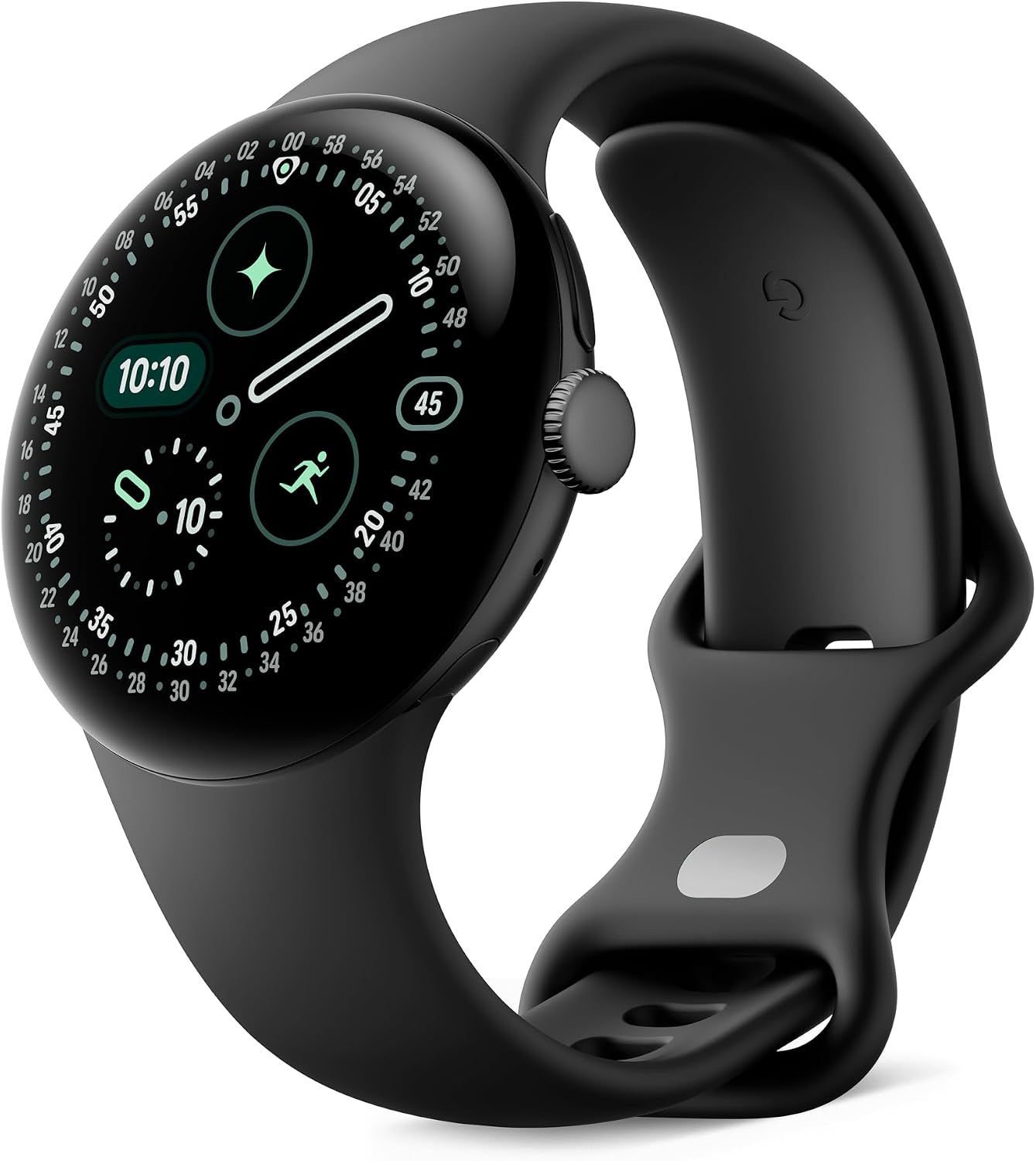
The Pixel Watch 4 introduces a domed display that enhances the curved glass design from previous generations. The screen now features a dual-layer curvature, with both the glass and underlying display panel being more convex, creating a floating visual effect as content scrolls. Text and interface elements dynamically scale to fit the curved surface, with animations that respond to user interaction. The display reaches a peak brightness of 3,000 nits, a 50% increase over the previous model, making it highly visible even in direct sunlight. The screen remained readable during outdoor workouts and bright daylight activities.
Despite the improvements, the display still uses Corning Gorilla Glass 5, which Droid Life notes remains susceptible to scratches. The material's softness has been a recurring concern, with users noting that the screen is prone to micro-abrasions over time. The watch's design remains consistent with previous generations, maintaining the same aluminum case, rotating crown, and band attachment system. The 45mm model features a Satin Moonstone finish, while the 41mm is available in Polished Silver, Matte Black, or Iris (periwinkle). The watch's aesthetic remains sleek and modern, though it lacks the visual refresh that some users might expect from a fourth-generation model. The haptic feedback has been slightly improved, offering a more crisp vibration experience, particularly when notifications arrive.
Battery performance and longevity
Battery life represents one of the most significant upgrades in the Pixel Watch 4. The adaptive refresh rate, which adjusts from 1Hz to 60Hz based on activity, contributes to this efficiency. Battery Saver Mode extends runtime to two to three days, making it suitable for extended travel or multi-day outdoor use. Charging is notably faster, reaching 50% in just 15 minutes, according to DC Rainmaker. The watch supports both wireless and magnetic charging, with a new dock that snaps the device upright for desktop display functionality. The charging dock features a built-in cable, which some users find inconvenient for travel or replacement purposes.
The increased battery life is particularly beneficial for users who rely on the watch for extended periods without access to charging. The watch maintained consistent performance even with Always-On Display enabled and GPS tracking active. This feature aligns with Google's growing emphasis on repairability, a first for Pixel Watches, and offers long-term value for users who might otherwise need to replace the entire device.
AI assistant and software integration
The Pixel Watch 4 replaces Google Assistant with Gemini, Google's new AI assistant. The transition introduces a Raise to Talk gesture that activates Gemini when users lift the watch and raise their wrist toward their face. This feature eliminates the need for voice commands or button presses, making interactions more natural and hands-free. Users report that the gesture requires fine-tuning of sensitivity settings to avoid accidental activation or poor voice recognition in quiet environments. Gemini offers more advanced capabilities than previous assistants, including complex queries and smart replies to text messages. However, the AI assistant still struggles with accuracy in low LTE or phone connection scenarios, limiting its effectiveness in remote locations or during connectivity issues.
Software integration with Wear OS 6.0 brings Material 3 Expressive UI, featuring fluid animations and customizable watch faces that take advantage of the curved display. The interface feels more polished and responsive compared to earlier versions. Notifications and app interactions are smoother, though 9to5Google notes that Google Home remains finicky, occasionally failing to display images or clips from doorbell alerts. The watch also integrates with the upcoming redesigned Fitbit app, which will include a new AI-powered Personal Health Coach. This feature promises personalized training plans and real-time adjustments based on activity, recovery, and schedule. While the AI integration is a significant upgrade, it is not without limitations, particularly in environments with poor connectivity or when attempting complex tasks.
Fitness tracking and health features
The watch now supports 52 different sports profiles, including several new ones added for cycling and outdoor activities. The dual-frequency GPS antenna improves tracking accuracy in challenging environments such as dense forests or urban canyons. The watch also features fall detection and an experimental loss-of-pulse feature that can automatically call for help, although these safety features require further refinement. Sleep tracking has been improved with better detection of sleep stages, and the watch now retroactively logs workouts when users begin moving without manually starting the activity.
The watch's health features include a comprehensive suite of sensors, including accelerometer, barometer, blood oxygen monitor, ECG, GPS, gyroscope, heart rate monitor, light sensor, pedometer, and temperature sensor. These sensors work together to provide detailed insights into physical activity, heart health, and environmental conditions. The integration with Fitbit Premium offers daily run recommendations and a library of audio and video workouts. The redesigned Fitbit app, set to launch later in the year, will include a Personal Health Coach powered by Gemini, offering adaptive training plans. While the fitness tracking is robust, some users note that the watch's performance during high-intensity workouts is inconsistent, particularly when the screen is wet or when the device is exposed to moisture.
Connectivity and emergency features
The LTE support allows users to make calls, send texts, stream music, and interact with Gemini without their phone nearby. However, Outside found LTE reliability inconsistent, with some messages failing to send until the watch was rebooted. Google has acknowledged this issue and is investigating. The watch also includes satellite SOS emergency assistance, enabling users to contact emergency services when cellular coverage is unavailable. This feature is particularly valuable for outdoor enthusiasts and those who venture into remote areas. The watch supports fall detection and an experimental loss-of-pulse feature that can automatically call for help, though these features require further refinement.
The Pixel Watch 4 also introduces Bike Realtime Streaming, which allows users to stream fitness metrics from cycling activities to their phone in real time. This feature is ideal for commuters or cyclists who prefer not to use a dedicated bike computer. The watch's integration with Android phones is seamless, particularly when paired with Pixel devices, where features are most deeply integrated. The watch's waterproof rating remains at 50 meters, suitable for swimming and water-based activities. While the connectivity features are robust, some users report that the watch's performance in low-signal environments is inconsistent, particularly with LTE and satellite functions. The magnetic charging dock, while convenient, uses a built-in cable that complicates portability and replacement.
Strengths
- +More than two days of battery life (56 hours tested)
- +Built-in Gemini for voice control
- +Accurate exercise and sleep tracking
Watch-outs
- −Daily run recommendations are paywalled, per PCMag
- −Lack of sapphire glass makes the display prone to scratches
How it compares
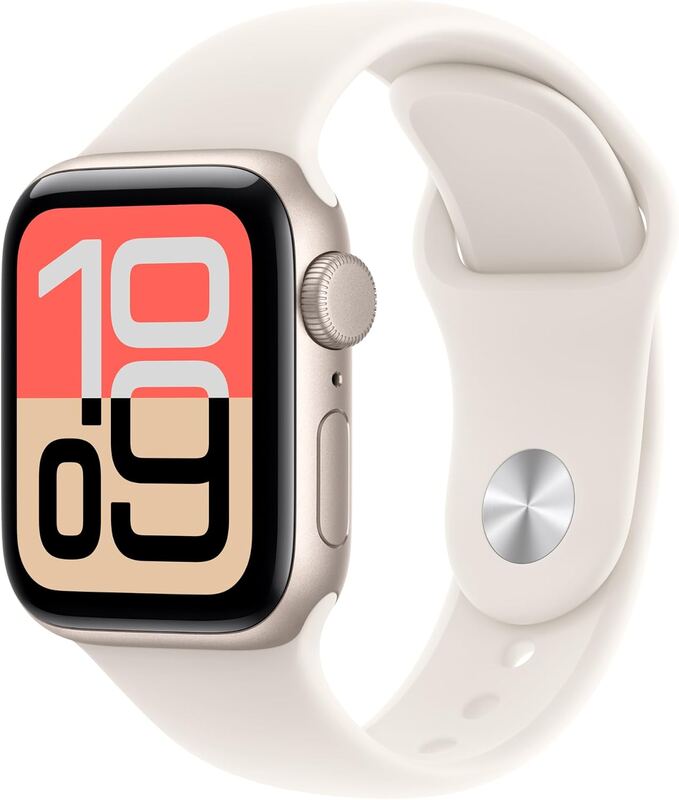
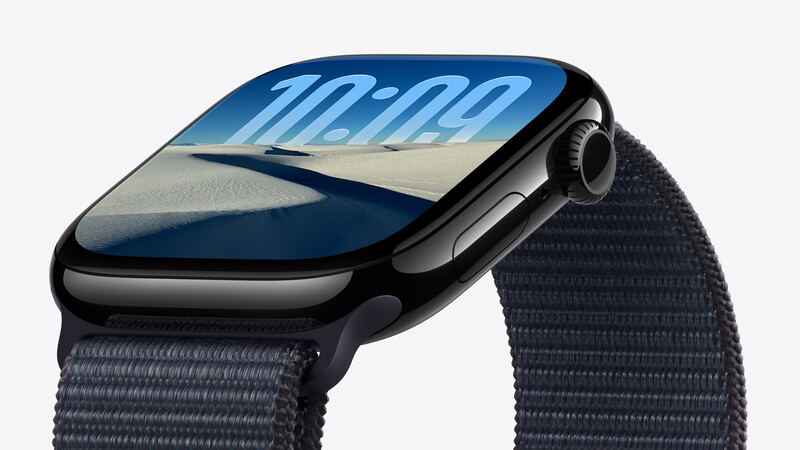
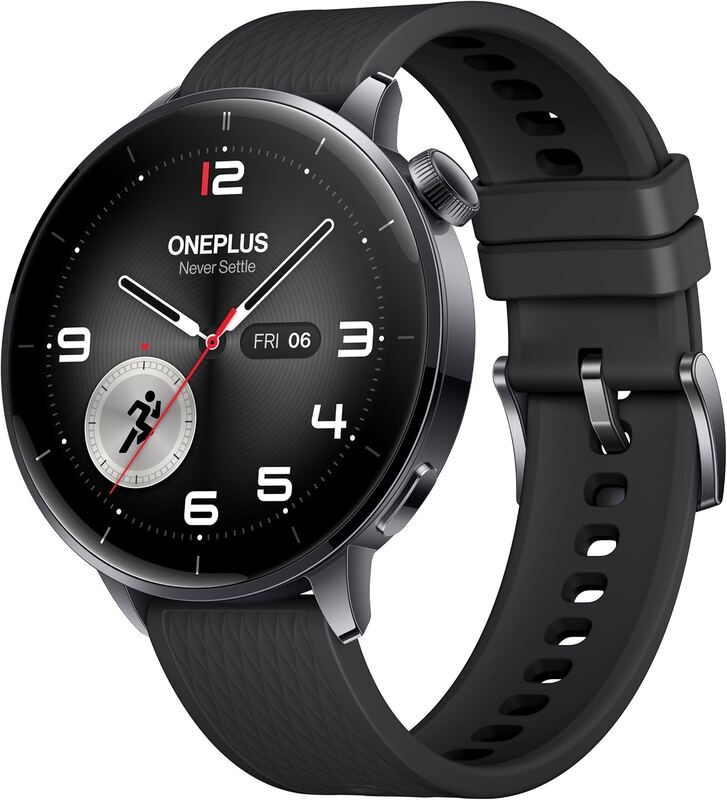
The Google Pixel Watch 4 offers over two days of battery life and built-in Gemini AI, which is more than the Apple Watch Series 11 or OnePlus Watch 3, but it lacks sapphire glass and restricts some features behind a paywall. Unlike the Garmin Venu 4, it doesn't provide advanced fitness metrics or recovery tracking, and while it's more affordable than the Samsung Galaxy Watch Ultra 2, it doesn't offer the same durability or health monitoring capabilities. The Apple Watch SE 3 provides better value with its updated design and speaker capabilities.
Rating sources
Counts as 4.16/5 in our score — this publisher's 181 scores on the site average 4.00, so its scores are adjusted up to compare fairly with other publishers.
Counts as 4.09/5 in our score — this publisher's 10 scores on the site average 4.04, so its scores are adjusted up to compare fairly with other publishers.
“In all of those areas, I think Google has made good enough improvements to keep this watch on your wrist.”
Not in the average — we derived this score from the review's words, and a publisher printed a score for this product, so the printed number counts instead.
Our 4.1 score is the average of 2 of the scored reviews above, each adjusted for how strictly its publisher scores; 6 more reviewed it without printing a score and are not in the average. 1 derived score above is not in the average because a publisher printed a score for this product. Ratings marked * were derived from the reviewer’s written analysis or video transcript — the publisher didn’t print an explicit numeric score, so we inferred one from their own words. Click through to verify. More about methodology.