The Google Nest Learning Thermostat (4th Gen) earns praise for its smart learning capabilities and seamless integration with Google's ecosystem, as noted by PCMag's John R. Delaney. Tom's Guide highlights its intuitive adaptation to user behavior and energy reporting features. However, some reviewers have expressed concerns about its premium pricing and dependency on Google services. This thermostat is ideal for users already invested in Google's smart home platform but may not suit those preferring cross-platform compatibility.

Full review
Design and Aesthetics
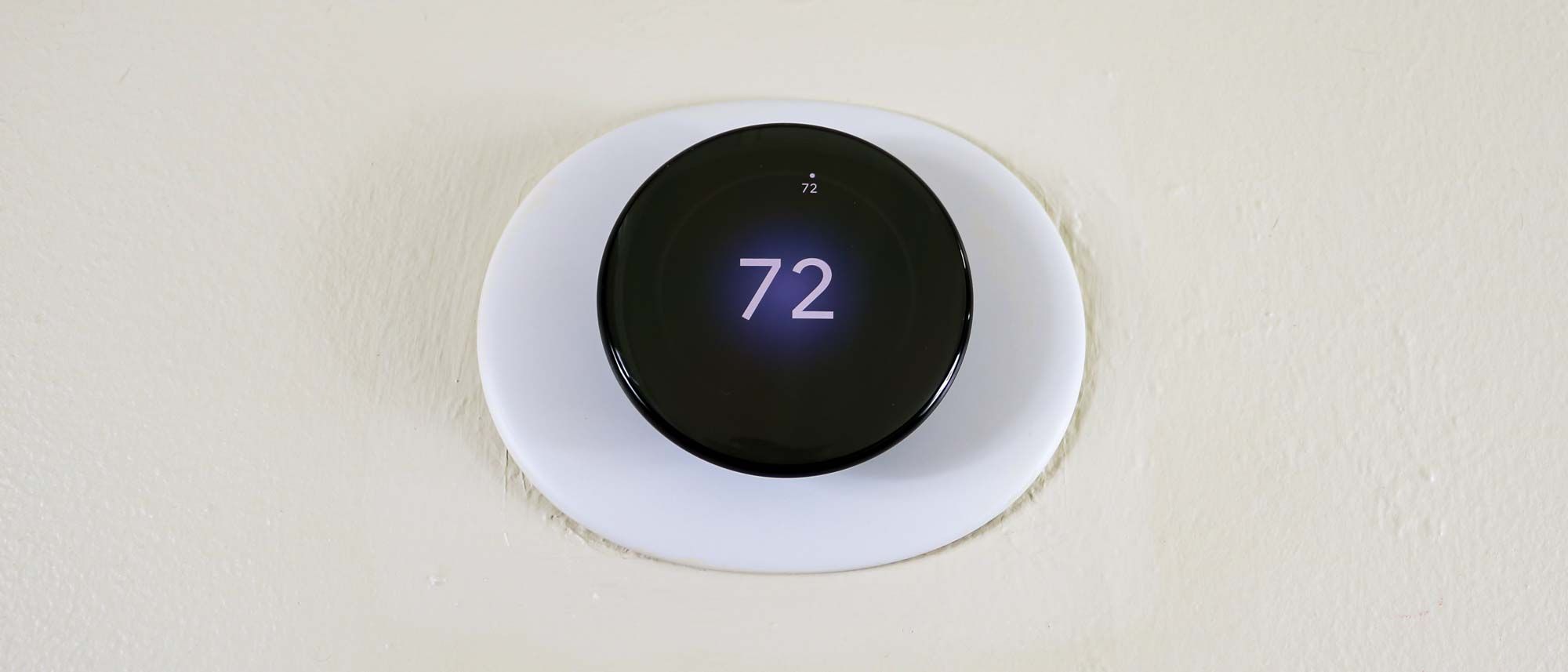
The Google Nest Learning Thermostat 4th Gen introduces a dramatic visual overhaul from its predecessor, transforming from a thick silver bezel with a compact circular screen into a sleek, oval-shaped device with a 3.9-inch domed display. WIRED's Nena Farrell noted that the new design feels like 'a piece of modern art' with its reflective surface that warps and reacts to light and facial positioning. The device is available in three finishes—Matte White, Satin Gray, and Glacier White—that complement contemporary interiors. TechRadar's review highlighted that the new thermostat's base is smaller than previous models, despite the larger screen, making it more space-efficient on the wall. The bezel is thinner, and the screen is more prominent, though it's not as large as some competitors like the Ecobee4, which has a 4.3-inch display.
However, the aesthetic upgrade comes with a trade-off in installation compatibility. The new base is a different size, requiring users to replace the old mounting base rather than simply swapping the thermostat unit. This was a point of frustration for WIRED's Julian Chokkattu, who had to contact support to ensure his existing wiring was compatible. The smaller connector buttons, described as 'miniscule' by the same reviewer, make wiring more challenging, especially for those with larger fingers. The new design, while visually appealing, demands more precision during installation, which could be a deterrent for DIY enthusiasts.
Setup and Installation
Installation of the Nest 4th Gen is significantly streamlined compared to previous models, according to multiple reviewers. Popular Mechanics' Danny Perez reported that the process took less than an hour, with the Google Home app guiding him through each step. The app provides visual aids and troubleshooting support, making it accessible even for those without HVAC experience. The Nest 4th Gen comes with all necessary mounting hardware, including a wall plate and optional cover for any holes left by the old thermostat. Tom's Guide noted that the setup process was straightforward, with animated screens walking users through the steps.
Despite the ease of setup, some users encountered issues. WIRED's Julian Chokkattu had to contact Nest support to confirm wiring compatibility, and the process took less than 20 minutes once support was engaged. The smaller connector buttons, which are difficult to press, were a recurring complaint. PCMag's John R. Delaney also mentioned that the installation was simple but noted that the tiny buttons could be problematic for users with larger hands. The new base requires replacing the old mounting plate, which adds an extra step compared to previous generations where users could simply swap out the unit.
Smart Features and AI Capabilities
The Nest 4th Gen introduces a new AI-powered Smart Schedule feature that automatically adjusts heating and cooling based on weather conditions and user habits. TechRadar praised this as a significant upgrade, stating that the AI 'kicks in automatically to adjust the heating and cooling levels in your home based on the weather and your use patterns.' This feature is designed to save energy and improve comfort without requiring manual input. The thermostat also includes a temperature sensor that can be placed anywhere in the home, allowing for more accurate climate control in larger or multi-level homes. PCMag's John R. Delaney noted that this sensor improves accuracy, especially in homes with multiple zones.
The device integrates seamlessly with the Google Home app, which has become the central hub for controlling Nest features. WIRED's Nena Farrell emphasized that the app is simple enough for even less tech-savvy users to navigate. The Nest 4th Gen also includes safety features such as preventing the home from getting too cold, which helps prevent frozen pipes during frigid temperatures. This feature was particularly appreciated by TechGearLab's Austin Palmer, who noted it as a 'temperature safety feature' that 'keeps your home from getting too cold.' The AI learning capabilities mean that the system adapts to user preferences over time, reducing the need for manual adjustments.
Performance and Accuracy
In terms of performance, the Nest 4th Gen delivers consistent and accurate temperature control. TechGearLab's testing showed a difference of only 0.314 degrees Fahrenheit when compared to a nearby temperature sensor, which is minimal and not noticeable in everyday use. The device's 3.9-inch screen is highly readable, with high contrast between the illuminated text and dark background, making it easy to see even in low-light conditions. The screen's reflective surface, while aesthetically pleasing, can be a bit distracting in bright environments, according to WIRED's Nena Farrell, who noted that it 'looks like a funhouse mirror as light—or your face—reflects off it.'
The Nest 4th Gen also excels in connectivity, with no reported drops in connectivity or settings discrepancies between the app and the thermostat unit, unlike some previous models. PCMag's John R. Delaney noted that he experienced no random drops in connectivity or situations where the app and thermostat showed different active settings. The device's ability to learn user habits and adjust accordingly was well-received by TechRadar, which described it as 'easy to control' and 'consistent.' The temperature sensor included with the device further enhances accuracy, especially in homes with varying temperatures or multiple zones.
Energy Efficiency and Savings
Energy efficiency is a core selling point for the Nest 4th Gen, and reviewers consistently praised its ability to save energy and reduce utility bills. TechRadar noted that the AI-powered Smart Schedule and learning capabilities contribute to significant energy savings. The Eco Mode automatically adjusts the thermostat based on outdoor ambient temperatures, helping users save money on their monthly energy bills. Popular Mechanics' Danny Perez highlighted that the Eco Mode 'automatically sets it to run efficiently based on the outdoor ambient temps,' which is particularly beneficial for those looking to reduce their carbon footprint and utility costs.
PCMag's John R. Delaney emphasized that the Nest 4th Gen's learning capabilities make it easier to maintain optimal comfort while reducing energy consumption. The device's ability to learn user habits and adjust accordingly means that users don't have to manually adjust settings, which can lead to more efficient energy use. TechGearLab's Austin Palmer also noted that the device's energy-saving features were a key reason for its high score, stating that it 'comes with an extra sensor included, which provides a little more bang for your buck.' The Nest 4th Gen's ability to learn and adapt makes it a strong contender for those seeking both comfort and efficiency.
Where It Falls Short
Despite its many strengths, the Nest 4th Gen has some notable drawbacks. The most significant issue is its price point, which is higher than many competitors. TechGearLab's Austin Palmer noted that while the device comes with an extra sensor and advanced technology, it's 'on the pricier side compared to other smart thermostats, including the 3rd Gen version.' The device is also only compatible with Google Home systems, which limits its appeal for users who prefer other smart home ecosystems. This exclusivity could be a dealbreaker for those who already have a different smart home setup.
Another limitation is the installation process, which, while simplified, still requires replacing the mounting base. WIRED's Julian Chokkattu noted that the process was quick but that the 'miniscule' connector buttons were difficult to press, especially for users with larger hands. The device's reliance on the Google Home app for setup and configuration may also be a barrier for users who prefer more traditional interfaces or are not comfortable with smartphone apps. Additionally, while the AI features are robust, some users may find the learning process too slow or not adaptive enough to their specific needs. The reflective screen, while visually appealing, can be distracting in certain lighting conditions, according to WIRED's Nena Farrell.
Who It's Best For
The Nest 4th Gen is ideal for users who value aesthetics and smart home integration, particularly those already invested in the Google Home ecosystem. TechRadar's review emphasized that the device is 'a refreshing upgrade to a longtime staple' and 'feels smart without being intrusive or overly complex.' The device is best suited for homeowners who want a visually appealing thermostat that integrates seamlessly with their existing smart home setup. The AI learning capabilities and energy-saving features make it particularly attractive to environmentally conscious consumers or those looking to reduce utility bills.
However, the Nest 4th Gen may not be the best fit for users who prefer a more traditional thermostat setup or those who are not comfortable with smartphone apps. The device's compatibility with only Google Home systems limits its appeal for users who prefer other smart home ecosystems. Additionally, the higher price point and the need for a new mounting base may deter budget-conscious consumers or those who are not comfortable with DIY installations. The device is also less ideal for renters who may not be able to make permanent changes to their home's infrastructure. For those who prioritize ease of use, smart features, and aesthetic appeal, the Nest 4th Gen is a strong choice, but it's not for everyone.
How It Compares to Alternatives
When compared to its predecessor, the Nest 3rd Gen, the 4th Gen offers significant improvements in design, smart features, and user experience. TechGearLab noted that while both models ranked highly, the 4th Gen's additional features and advanced technology justify its higher price tag. The Nest 4th Gen's larger screen, AI-powered Smart Schedule, and temperature sensor provide a more comprehensive smart home experience. However, it's not the only option on the market. The Ecobee4, for example, offers a larger 4.3-inch screen and more advanced scheduling features, though it's priced similarly. The Honeywell T6, while less advanced, offers a more traditional interface and is compatible with a wider range of HVAC systems.
In terms of smart home integration, the Nest 4th Gen stands out for its seamless connection to Google Home, which is a significant advantage for users already invested in the Google ecosystem. However, competitors like the Ecobee4 and the Honeywell T6 offer more flexibility in terms of compatibility and pricing. The Nest 4th Gen's higher price point and Google Home exclusivity make it less appealing to users who prefer other smart home platforms. Despite these limitations, the Nest 4th Gen's combination of aesthetics, smart features, and energy-saving capabilities make it a strong contender in the smart thermostat market.
Strengths
- +Intuitive learning algorithm adapts to user schedules automatically
- +Excellent integration with Google Assistant and Android devices
- +Clean, modern design fits well in most home decors
- +Energy usage reporting provides detailed insights into consumption patterns
Watch-outs
- −Higher price point compared to previous Nest models
- −Requires Google account for full functionality
- −Limited compatibility with non-Google smart home ecosystems
How it compares
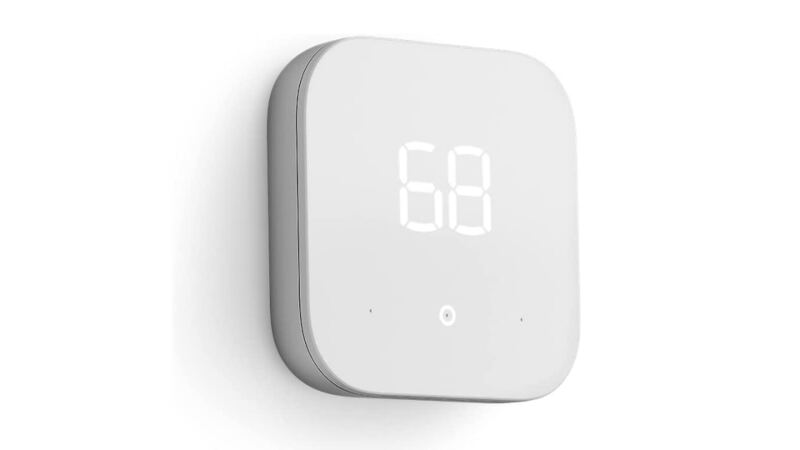
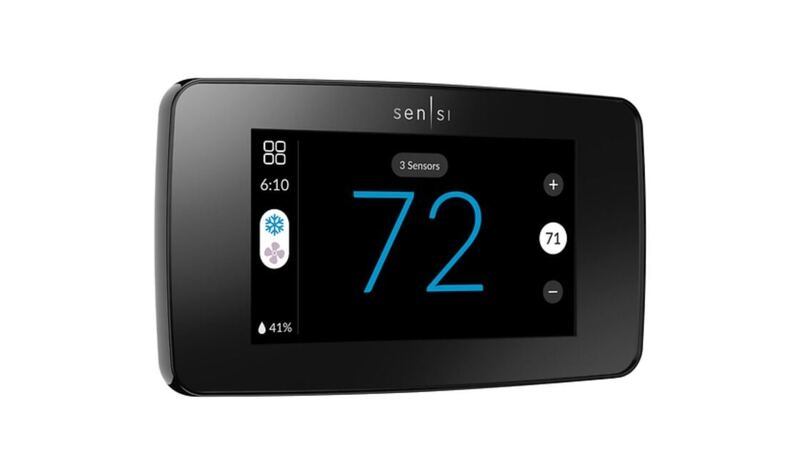
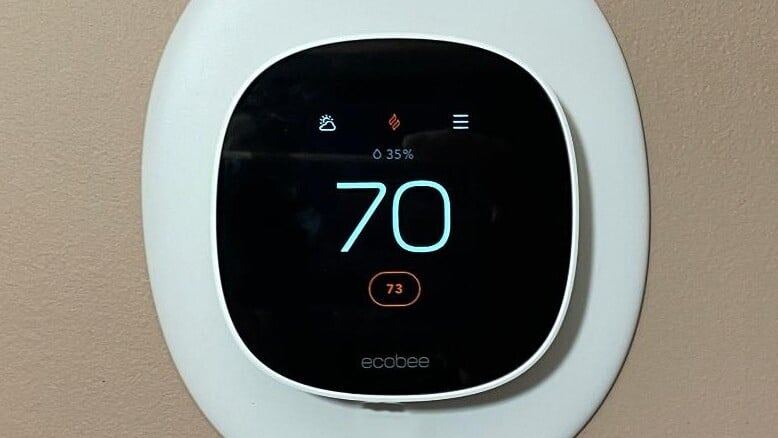
The Google Nest Gen 4 surpasses the Sensi Touch 2 in terms of learning capabilities and smart home integration, but it's more expensive than the Amazon Smart Thermostat and lacks the physical occupancy sensor of the Ecobee Essential. Unlike the Nest Learning Thermostat (4th gen), it requires a Google account for full functionality, making it less flexible for users outside the Google ecosystem.
Who this is for
At a glance: Google ecosystem users wanting premium learning features.
Why you’d buy the Google Nest Gen 4
- Intuitive learning algorithm adapts to user schedules automatically.
- Excellent integration with Google Assistant and Android devices.
- Clean, modern design fits well in most home decors.
Why you’d skip it
- Higher price point compared to previous Nest models.
- Requires Google account for full functionality.
- Limited compatibility with non-Google smart home ecosystems.
Rating sources
Our 4.2 score is the average of these published ratings. More about methodology.