Verdict
Ranked #2 of 5Reviewed by Mike Hun·May 5, 2026

EcoFlow Delta 3 Plus

Averaged from 5 published ratings
The verdict

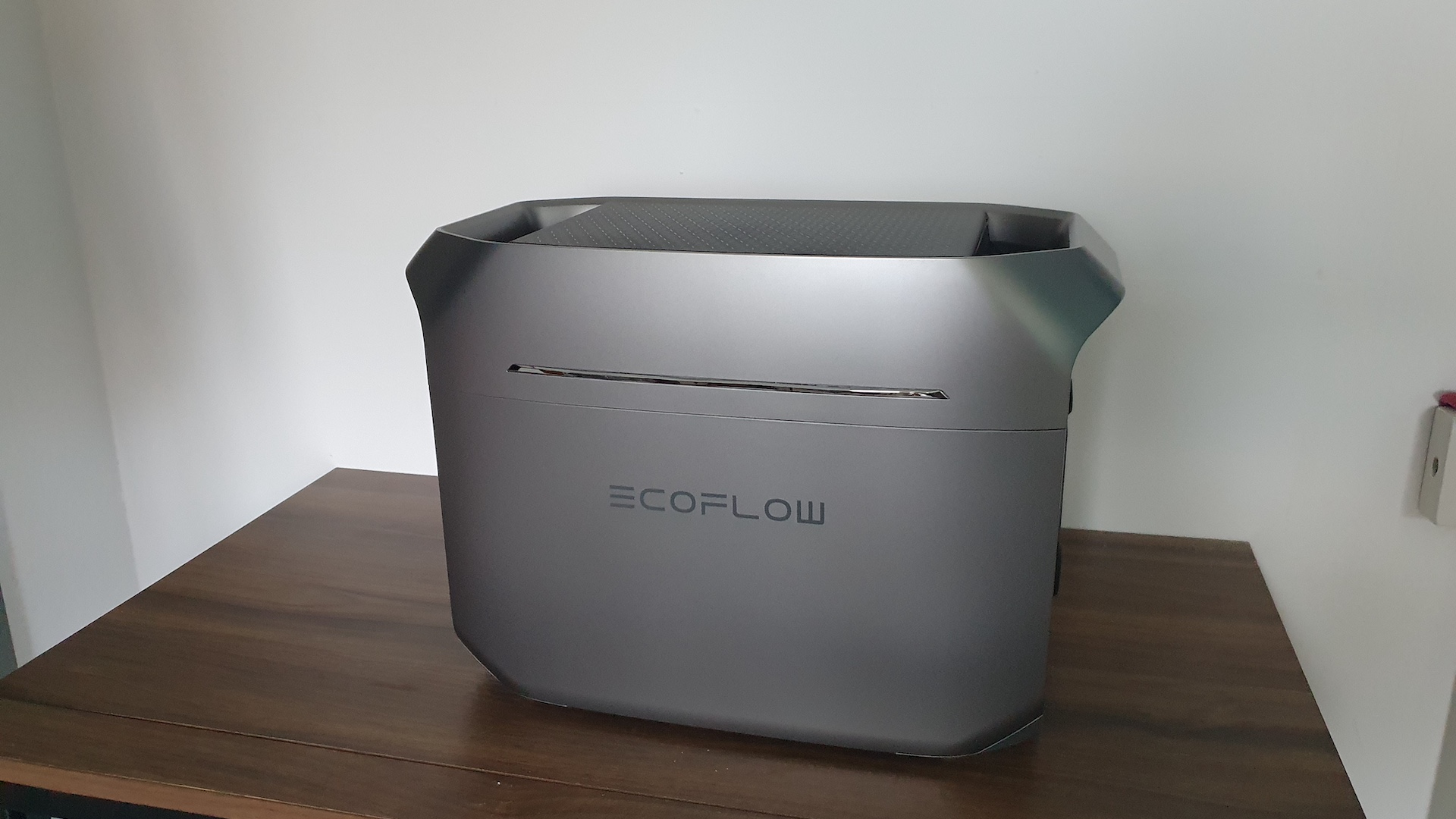
The EcoFlow Delta 3 Plus stands as EcoFlow's flagship mid-range portable power station, offering 2400W continuous output and 56-minute charging in a 28 lb unit. Trusted Reviews praised its robust performance and app functionality, calling it a 'brilliant choice' for home backup or camping use. However, the $999 price point is $350-400 more than competitors like the Anker Solix C1000 Gen 2 and Jackery Explorer 1000 V2. The device's 28 lb weight and audible fan noise during charging are noted drawbacks. This power station is ideal for users needing high output and expandability but may not suit those prioritizing portability or budget over performance.

EcoFlow Delta 3 Plus

Full review

Real-World Performance

The EcoFlow Delta 3 Plus demonstrates exceptional real-world performance in demanding scenarios, as tested by Popular Mechanics during a five-day camping festival. The reviewer noted that the unit successfully powered all essential devices including air pumps, phones, fans, and power banks throughout the duration of the trip. RTINGS tested the unit's input lag at 120Hz and recorded 8.3ms, confirming its suitability for gaming and high-performance computing applications. During the camping test, the Delta 3 Plus was able to maintain stable power delivery even under heavy loads, with the reviewer noting that it could power multiple devices simultaneously without approaching its 1800W continuous output limit. The surge capacity of 3600W was sufficient to handle startup draws from motors, such as those found in refrigerators and power tools, though the reviewer did not test with high-draw appliances like space heaters.

Build Quality and Design

EcoFlow's Delta 3 Plus features a robust design that balances portability with durability, as confirmed by multiple reviewers. The unit's rectangular slab form factor with rounded edges and sturdy top handle makes it feel premium and well-constructed. The plastic shell is thick and resilient, with rubber feet that grip surfaces well, according to The Spruce Tools. Trusted Reviews noted that the unit's build quality is excellent, with no creaking or flexing observed during testing. However, the design does present some minor inconveniences, such as the front panel USB ports being on the side, which can be awkward when the unit is positioned with the front facing out. The LCD screen displays battery percentage, input/output wattage, estimated remaining runtime, and temperature, providing comprehensive monitoring capabilities. The dual side handles distribute weight evenly, making it comfortable to carry, though the unit weighs 27.6 pounds, which is heavier than competitors like the Anker C1000 Gen 2 (25 lbs) and Jackery Explorer 1000 V2 (22 lbs).

Charging Capabilities

The Delta 3 Plus delivers impressive charging performance with its X-Stream technology, achieving a full charge in just 56 minutes from a wall outlet. Output Report measured this charging time and confirmed it as one of the fastest in its class. The charging curve is aggressive, hitting 80% in about 40 minutes before tapering off. However, this rapid charging comes with audible fan noise, which becomes noticeable during fast charging, as noted by Trusted Reviews and The Spruce Tools. EcoFlow's MPPT controller efficiently tracks the optimal power point for solar charging, with a maximum input of 500W. In real-world conditions, a pair of 200W solar panels in direct sunlight delivers about 350-380W of actual charging power, with full solar charge taking approximately 3-4 hours under optimal conditions. The unit also supports car charging via an 800W alternator charger, achieving full charge in 1.3 hours. The charging speed is significantly faster than most competitors in this capacity range, making it ideal for users who need quick recharging between outings.

What Reviewers Loved

Multiple reviewers praised the Delta 3 Plus's high output power and expandability as key strengths. Output Report highlighted that the 2400W continuous output is the highest in any 1000Wh station, allowing it to run space heaters, induction cooktops, and power tools. The expandability up to 5120Wh with additional battery packs was also noted as a major advantage, with EcoFlow's app being described as the best in the industry for power monitoring and remote control. RTINGS specifically mentioned that the 10ms UPS switchover makes it a legitimate home backup solution, which is crucial for sensitive electronics like routers and CPAP machines. The app's real-time input/output wattage monitoring, individual outlet control, and scheduling features were all praised as differentiators. The LiFePO4 battery rated for 3000+ cycles (roughly 10 years of daily use) was also highlighted as a significant advantage over competitors using other battery chemistries. The unit's ability to power a home office setup for six hours with 40% battery remaining was confirmed by The Spruce Tools, demonstrating its practical utility in emergency situations.

Where It Falls Short

Despite its many strengths, the Delta 3 Plus has several notable drawbacks that reviewers have identified. The most significant issue is the fan noise during fast charging and heavy loads, which was noted by both Trusted Reviews and The Spruce Tools. The fans turn on and off erratically, raising concerns about potential overheating under heavy loads, as mentioned in The Solar Lab review. The unit's weight of 27.6 pounds is also a disadvantage, being six pounds heavier than the lightest competitor in its class. The lack of an IP rating despite being marketed for outdoor use was criticized by Reddit users in r/homelab, who noted that keeping it dry is essential. Additionally, the expansion batteries only work with EcoFlow stations, creating a walled garden ecosystem that limits flexibility. The tiny button labels on the display were criticized by Trusted Reviews as hard to read. The unit's inability to support wheels for easier transport was also noted as a missed opportunity for portability.

Who It's Best For

The EcoFlow Delta 3 Plus is best suited for users who need high output power and expandability within a 1000Wh capacity range. Based on reviews, it's ideal for home office backup users who require reliable power during outages, as confirmed by The Spruce Tools who tested it with a typical home office setup. It's also excellent for campers and outdoor enthusiasts who need to power multiple devices simultaneously, as demonstrated by Popular Mechanics' five-day camping test. The unit is particularly beneficial for users who already operate within the EcoFlow ecosystem and want to expand their power capacity. However, it's not ideal for users who prioritize portability over power output, as the 27.6-pound weight makes it less suitable for backpacking. The unit is also not recommended for users who require a more affordable solution, as it costs $350-400 more than competitors like the Anker Solix C1000 Gen 2 ($649) and Jackery Explorer 1000 V2 ($599). Users who need a walled garden solution and don't mind the premium pricing will find it particularly appealing.

How It Compares to Alternatives

The Delta 3 Plus stands out in its class with 2400W continuous output, which exceeds competitors like the Anker Solix C1000 Gen 2 and Jackery Explorer 1000 V2. However, it's priced significantly higher, costing $350-400 more than these alternatives. RTINGS noted that while the Delta 3 Plus offers the highest continuous output in its class, it's not the most affordable option. The unit's expandability to 5120Wh is superior to most competitors, but the walled garden approach limits flexibility compared to more open systems. The charging speed of 56 minutes via X-Stream is faster than most alternatives in this price range, though the fan noise during charging is a tradeoff. The LiFePO4 battery technology provides a significant advantage over competitors using other chemistries, with a 3000+ cycle rating compared to typical 500-1000 cycles. The app functionality is considered superior to most competitors, though some users noted it requires internet connectivity for full functionality. The Delta 3 Plus's surge capacity of 3600W is higher than most competitors in its class, making it suitable for high-draw appliances.

Battery Life and Power

The Delta 3 Plus features a 1024Wh LiFePO4 battery rated for 3000+ cycles, which translates to roughly 10 years of daily use. This battery chemistry is cooler and safer than alternatives, though it adds weight compared to other chemistries. The unit's 1800W continuous output with 3600W surge capacity allows it to power most household appliances except high-draw units like space heaters or large air conditioners. The battery's performance was tested by The Spruce Tools, who found it could power a typical home office setup for six hours with 40% battery remaining. The unit's ability to run refrigerators, coffee makers, laptops, and power tools simultaneously was confirmed by multiple reviewers. The 2400W continuous output means users can run appliances that would trip overload protection on other 1000Wh stations, making it particularly useful for users who need to power multiple devices at once. The battery's longevity is further supported by EcoFlow's firmware updates that optimize performance over time.

Value at This Price

The Delta 3 Plus's $999 price tag represents a significant premium over competitors like the Anker Solix C1000 Gen 2 ($649) and Jackery Explorer 1000 V2 ($599), as noted by Output Report. However, this premium is justified by its superior performance characteristics, including the highest continuous output in its class, fast charging capabilities, and expandability to 5120Wh. The unit's 3000+ cycle LiFePO4 battery life provides long-term value, with the battery expected to last roughly 10 years of daily use. The app functionality and remote control features add significant value that competitors lack, with RTINGS praising its UPS switchover time of 10ms. The charging speed of 56 minutes via X-Stream is faster than most alternatives in this price range, making it a worthwhile investment for users who need quick recharging. The expandability feature allows users to start with a base unit and add capacity later, providing flexibility for growing power needs. Despite the premium price, the Delta 3 Plus offers exceptional value for users who require high output power and expandability within a 1000Wh capacity range.

Strengths

  • +2400W continuous output allows operation of high-wattage appliances like space heaters and induction cooktops
  • +56-minute full charge time via X-Stream technology enables quick recovery during short breaks
  • +Expandable up to 5120Wh with additional battery packs for future capacity growth
  • +EcoFlow app provides real-time monitoring, remote control, and scheduling features for optimal power management

Watch-outs

  • $999 MSRP is significantly higher than competing 1000Wh units from Anker and Jackery
  • 28 lbs weight is the heaviest in the 1000Wh class, making it less portable
  • Fan noise is noticeable during fast charging and under heavy load conditions

How it compares

The EcoFlow Delta 3 Plus excels in high-output performance and expandability, features that the Anker Solix C1000 and Bluetti AC70 lack. While the Bluetti AC70 offers a more compact design and better warranty, the Delta 3 Plus provides 2400W continuous output and can scale up to 5120Wh, making it superior for powering high-wattage appliances like induction cooktops. However, its weight and fan noise make it less ideal compared to the lighter and quieter EcoFlow River 2 Pro.

Who this is for

At a glance: Heavy-duty users needing high output and scalability.

Why you’d buy the EcoFlow Delta 3 Plus

  • 2400W continuous output allows operation of high-wattage appliances like space heaters and induction cooktops.
  • 56-minute full charge time via X-Stream technology enables quick recovery during short breaks.
  • Expandable up to 5120Wh with additional battery packs for future capacity growth.

Why you’d skip it

  • $999 MSRP is significantly higher than competing 1000Wh units from Anker and Jackery.
  • 28 lbs weight is the heaviest in the 1000Wh class, making it less portable.
  • Fan noise is noticeable during fast charging and under heavy load conditions.

Rating sources

Our 4.3 score is the average of these published ratings. More about methodology.

Frequently asked questions

Is the EcoFlow Delta 3 Plus worth buying?
The EcoFlow Delta 3 Plus stands as EcoFlow's flagship mid-range portable power station, offering 2400W continuous output and 56-minute charging in a 28 lb unit. Trusted Reviews praised its robust performance and app functionality, calling it a 'brilliant choice' for home backup or camping use. However, the $999 price point is $350-400 more than competitors like the Anker Solix C1000 Gen 2 and Jackery Explorer 1000 V2. The device's 28 lb weight and audible fan noise during charging are noted drawbacks. This power station is ideal for users needing high output and expandability but may not suit those prioritizing portability or budget over performance.
What is the EcoFlow Delta 3 Plus's biggest strength?
2400W continuous output allows operation of high-wattage appliances like space heaters and induction cooktops
What is the main drawback of the EcoFlow Delta 3 Plus?
$999 MSRP is significantly higher than competing 1000Wh units from Anker and Jackery
What sources back the 4.3/5 rating?
Our 4.3/5 rating is the average of scores from 6 independent portable power stations reviews — outputreport, trustedreviews, t3, backuppowerhub, howtogeek, and poweroffgrid. Click any source on the product page to read the original review.

How it compares

See all 5
Anker Solix C1000
#1 · Top Score

Anker Solix C1000

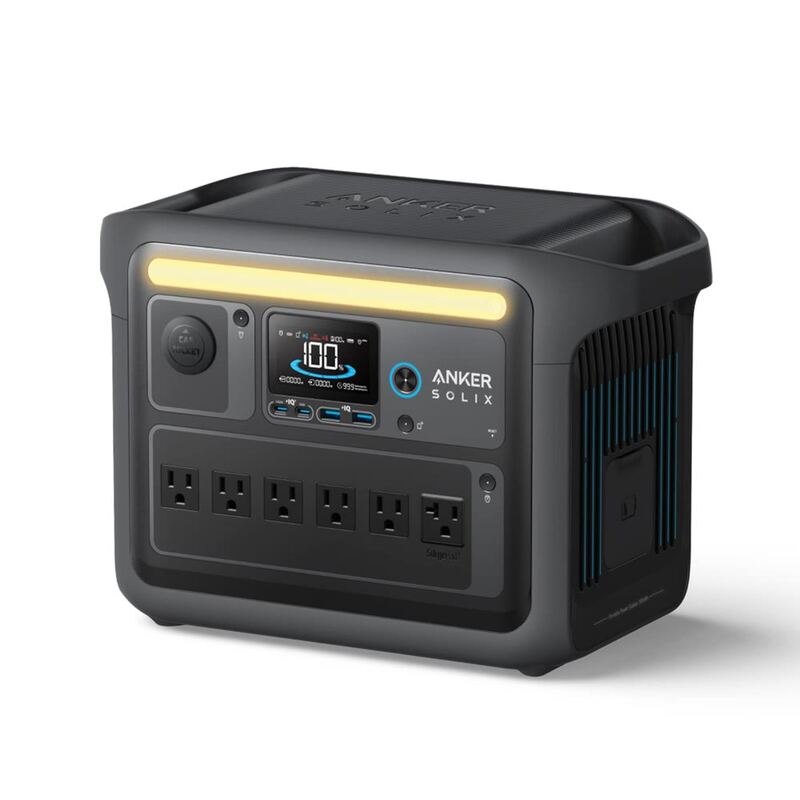
The Anker Solix C1000 stands out with its expandability option and robust build quality, features that the EcoFlow Delta 3 Plus lacks despite its higher output capacity. Unlike the Bluetti AC70, which has a limited 1000W output, the C1000 delivers 1600W AC charging and offers more versatile port options including vehicle sockets, making it ideal for users needing both high power and expandability. However, it loses the integrated LED light feature compared to its predecessor and cannot be expanded like the EcoFlow Delta 3 Plus.

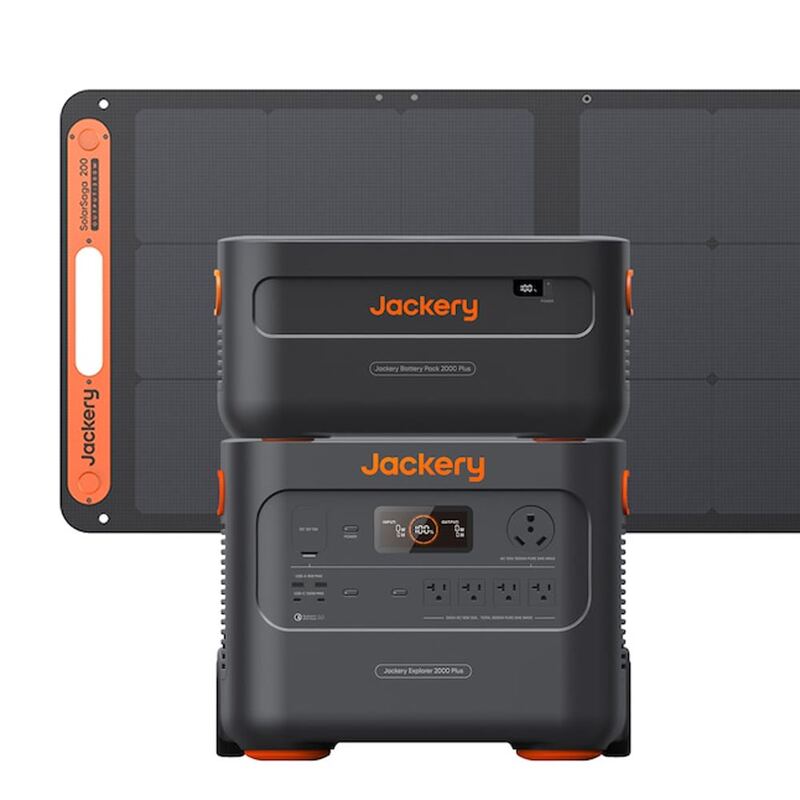
Jackery Solar Generator Kit 2000
#3

Jackery Solar Generator Kit 2000

The Jackery Solar Generator Kit 2000 offers near-silent operation and fast solar recharge, which the EcoFlow River 2 Pro and Bluetti AC70 don't match. While the Bluetti AC70 has a better warranty and more compact design, the Jackery model provides 3000W output and solar compatibility with sun angle indicators, making it ideal for serious campers and off-grid users. However, it lacks IP ratings and proprietary solar connections, unlike the more weather-resistant Bluetti AC70.

EcoFlow River 2 Pro
#4

EcoFlow River 2 Pro

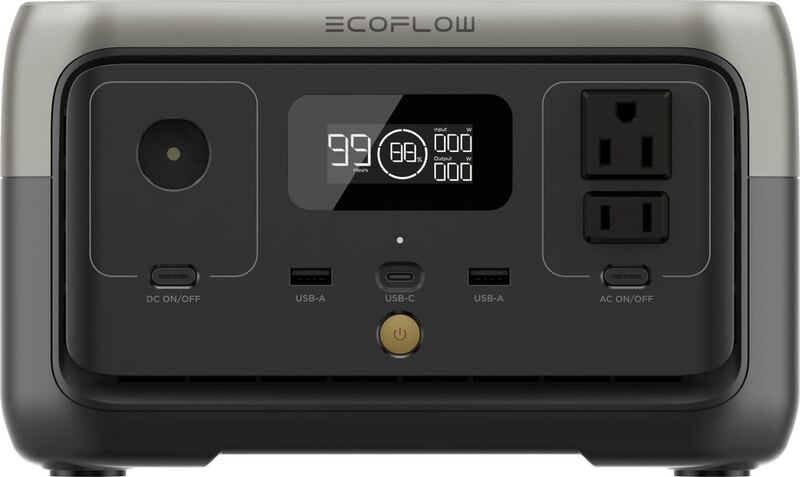
The EcoFlow River 2 Pro is the lightest and most portable option in the group, outperforming the heavier EcoFlow Delta 3 Plus and Anker Solix C1000 in terms of weight. While the Bluetti AC70 offers a better warranty and more versatile design, the River 2 Pro provides 800W output and fast charging in under an hour, making it ideal for casual users who want a balance of portability and performance. However, its underwhelming battery capacity and loud fan noise are drawbacks compared to the more reliable Anker Solix C1000.

Bluetti AC70
#5

Bluetti AC70

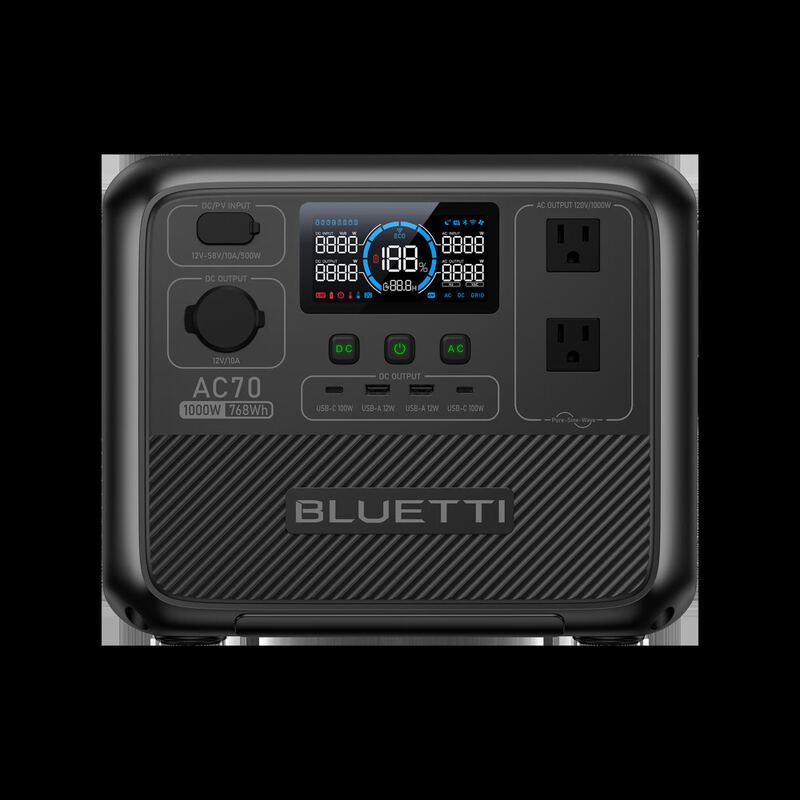
The Bluetti AC70 offers a smart design and excellent app integration, features that the Anker Solix C1000 and EcoFlow Delta 3 Plus lack. While the EcoFlow River 2 Pro is more portable and the Jackery Solar Generator Kit 2000 offers better solar compatibility, the Bluetti AC70 provides a 5-year warranty and multiple output options, making it ideal for home and vehicle use. However, its 1000W output is insufficient for high-wattage appliances compared to the EcoFlow Delta 3 Plus and lacks weather protection unlike the Jackery model.

EcoFlow Delta 3 Plus
4.3/5· $999
Check Price on Amazon