The DJI Osmo Pocket 3 is the most convenient vlogging camera under $1000, thanks to a built-in 3-axis gimbal that produces stabilized footage no mirrorless body in this list can match handheld. Its 1-inch sensor shoots sharp 4K/120fps with 10-bit D-Log M, and the rotating screen makes vertical content effortless. You trade away lens flexibility, and audio-sync quirks with the wireless mic still linger.
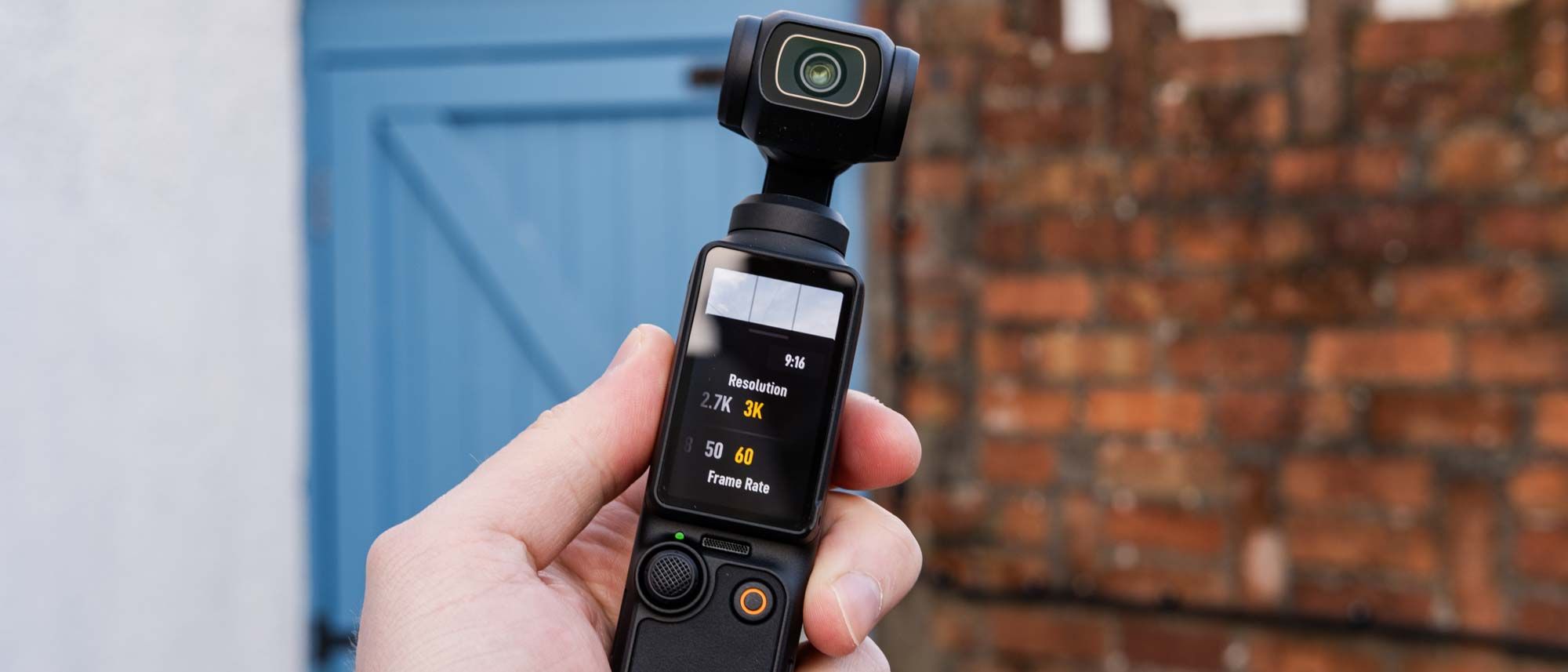
Full review
Mechanical gimbal keeps the horizon locked while jogging
The Osmo Pocket 3's defining feature is its built-in 3-axis mechanical gimbal, and it fundamentally changes what handheld vlogging feels like. TechRadar, which awarded it 4.5 stars, called it an impressive camera that delivers amazing video quality and beautiful slow-motion scenes, and the stabilization is genuinely on another level from the digital cropping that mirrorless bodies rely on. You can walk over rough ground, jog, climb stairs, or sweep the camera across a scene and the horizon stays locked and the motion stays smooth, with none of the micro-jitter that betrays electronic stabilization. For anyone who films while moving, that mechanical smoothing is the single biggest reason to choose this camera.
Engadget, which titled its review maybe the only vlogging camera you need, highlighted how far it leapt over the Pocket 2 with a large 1-inch sensor that improves image quality significantly, especially in low light, plus a bigger screen that flips sideways and advanced subject tracking. In use, the face-tracking keeps you framed even as you wander around a room, effectively giving a solo creator a virtual camera operator, and the gimbal can snap to follow a subject so you stay centered without touching the device.
Shoots 4K at 120fps with 10-bit D-Log M
The 1-inch sensor shoots up to 4K/120fps and records 10-bit D-Log M, giving you slow-motion latitude and color-grading headroom that belie the camera's tiny size. Tom's Guide praised it as a wonderful tool for vloggers and content creators, providing an affordable gimbal solution to give their video a professional look. Low-light footage is noticeably cleaner than older pocket cameras and action cameras with their smaller sensors, so evening street walks and dim interiors look usable rather than noisy, and the D-Log M profile preserves highlight and shadow detail for grading.
The four-thirds-style processing keeps colors pleasing straight out of the camera if you do not want to grade, and the 120fps mode produces silky slow motion that is great for B-roll and transitions. The fixed lens sits at a moderately wide field of view that is comfortable for arm's-length selfie framing, though it is not as wide as a dedicated vlogging zoom, so cramped rooms can feel a little tight and you sometimes have to back up to fit two people in frame.
Screen physically rotates between landscape and portrait
At just 179g and small enough to vanish into a jacket pocket, the Pocket 3 is the most portable serious camera in this roundup. The headline design change over its predecessor is the 2-inch screen that physically rotates between landscape and portrait, which instantly reconfigures the interface and recording orientation; flipping from a 16:9 YouTube shot to a 9:16 vertical clip is a single twist rather than an awkward crop. The touchscreen is bright enough to use outdoors and large enough to actually frame yourself, a real improvement over the cramped displays on earlier pocket gimbals.
The whole unit is a sealed all-in-one with the gimbal, camera, screen, microphones, and battery integrated, which keeps the workflow dead simple but also means the exposed gimbal head needs care when stowing it; DJI includes a cover and it is wise to use it. There is no weather sealing, so rain and heavy dust are a risk, and the integrated design means a failure in any one component takes out the whole camera. For careful owners, though, the build feels premium and purpose-made for grab-and-go shooting.
Audio sync drift with the DJI Mic 2
The most-cited complaint across reviews is audio sync. Multiple reviewers, including long-term testers, reported sync drift between the Pocket 3 and the DJI Mic 2 transmitter that DJI has been slow to fully resolve in firmware. It does not affect every shoot, and many creators never notice it, but when it appears it forces you to re-sync audio in the edit, which undercuts the camera's whole grab-and-go appeal. If pristine wireless audio is central to your workflow, budget editing time for it.
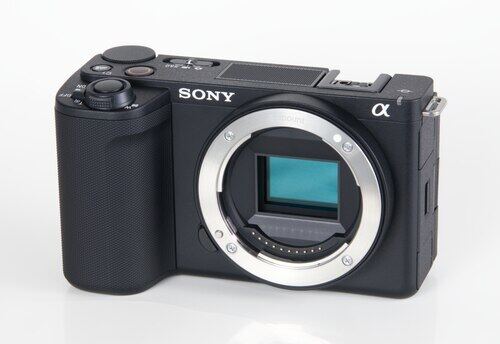
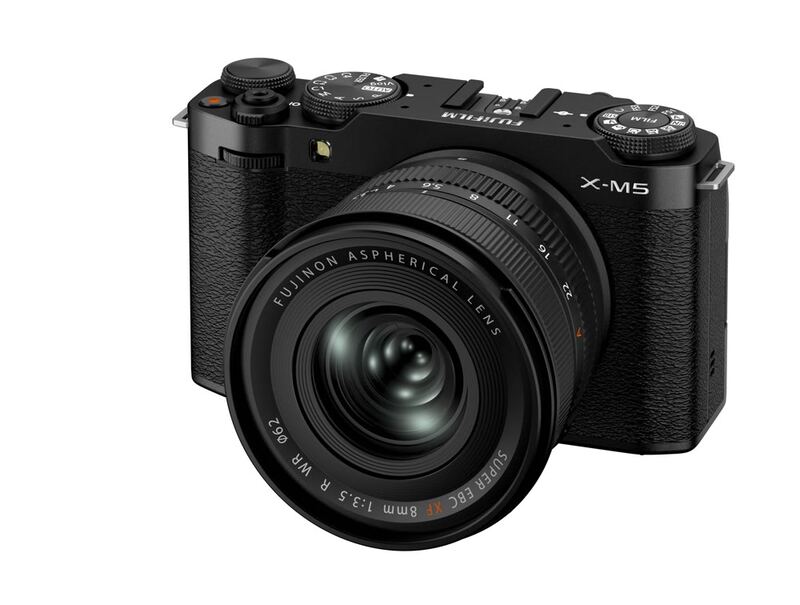
Beyond that, the fixed lens means there is no upgrade path the way there is with the interchangeable-lens Sony ZV-E10 II or Fujifilm X-M5, so you are locked to one focal length and one sensor forever. The battery is smaller than a full mirrorless body's, delivering roughly 166 minutes at 1080p/24fps but far less when shooting demanding 4K/120fps, so all-day shoots need the battery handle accessory or a power bank. There is also no weather sealing and no headphone jack for monitoring audio, both reminders that this is a compact creator tool rather than a full production camera.
The only gimbal-stabilized camera in this lineup
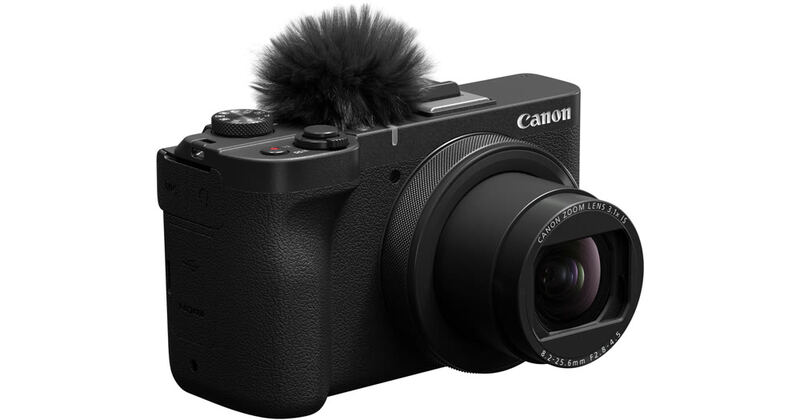
The Osmo Pocket 3 is the only camera in this list with a true mechanical gimbal, and that is its defining advantage over everything else here. The Sony ZV-E10 II and Fujifilm X-M5 both have no in-body stabilization at all, so their handheld footage is either cropped-in (Sony) or visibly shaky without a separate gimbal (Fuji). The Canon PowerShot V1 has optical and digital stabilization, but reviewers describe it as merely reasonable rather than gimbal-smooth. For pure handheld smoothness while moving, the Pocket 3 wins outright.
Where it gives ground is sensor size and flexibility. Its 1-inch sensor is smaller than the APS-C chips in the Sony and Fujifilm, so in very low light and for the shallowest background blur those cameras pull ahead, and the V1's 1.4-inch sensor edges it too. And because the lens is fixed, you cannot adapt it to a tight interview, a sweeping landscape, or a tight product macro the way you can with an interchangeable-lens body. The Pocket 3 trades that adaptability for a stabilization and convenience advantage that no other camera here can replicate.
Built for creators who shoot while moving
If most of your filming happens while you are moving, traveling, or one-handing the camera, nothing else under $1000 comes close. The gimbal does the work an external rig would otherwise require, the rotating screen makes vertical content trivial, and the whole package disappears into a pocket so you actually carry it everywhere. It is the obvious pick for travel vloggers, day-in-the-life creators, cyclists and hikers, and anyone who values never thinking about gear over squeezing out the last drop of image quality.
It is less ideal if you need the absolute best autofocus and color science for static studio work, where the Sony ZV-E10 II pulls ahead, or if you want the option to swap lenses for different looks down the road. The audio-sync quirk and the smaller sensor are real caveats. But as a true grab-and-go all-in-one that produces professional-looking handheld footage with zero setup, the Osmo Pocket 3 is the most foolproof vlogging camera here and a deserving runner-up.
Strengths
- +Built-in 3-axis mechanical gimbal delivers buttery-smooth handheld footage no other camera here can match
- +Large 1-inch CMOS sensor with 4K/120fps and 10-bit D-Log M for strong low-light and grading flexibility
- +Pocketable all-in-one design with a bright 2-inch screen that rotates for instant horizontal-to-vertical switching
- +Effective face-tracking and ActiveTrack keep you centered hands-free
- +Three-mic array handles wind well and audio can be boosted with the DJI Mic 2
Watch-outs
- −Fixed lens with no interchangeable-lens path and a relatively narrow field of view for tight selfie vlogging
- −Reported audio-sync issues between the Pocket 3 and the Mic 2 transmitter that firmware hasn't fully fixed
- −Smaller battery than a full mirrorless body limits long shoots without the extension
- −No weather sealing and the exposed gimbal needs careful handling
How it compares
The only camera here with a mechanical gimbal, so it beats the IBIS-less Sony ZV-E10 II and Fujifilm X-M5 for handheld walking shots. Its 1-inch sensor is smaller than the APS-C chips in the ZV-E10 II and X-M5, and its fixed lens trades the flexibility of those interchangeable-lens bodies for grab-and-go simplicity.
Rating sources
“The DJI Osmo Pocket 3 is an impressive camera that delivers amazing video quality and beautiful slow-motion scenes. The all-new 1-inch sensor boosts the image quality in low light.”
“The DJI Osmo Pocket 3 is a wonderful tool for vloggers and content creators, providing an affordable gimbal solution to give their video a professional look.”
“With improvements in image quality, tracking and other areas, DJI's Osmo Pocket 3 is more versatile than ever.”
Our 4.5 score is the average of these published ratings. Ratings marked * were derived from the reviewer’s written analysis or video transcript — the publisher didn’t print an explicit numeric score, so we inferred one from their own words. Click through to verify. More about methodology.