The Corsair Frame 4000D RS ARGB represents a significant improvement over Corsair's recent case offerings, featuring a modular design that allows users to replace components with 3D-printed alternatives. Reviewers praised its enhanced airflow with the 3D Y-pattern front panel and dual 360mm radiator support. The case is built with high-quality steel and tempered glass, and includes a rotatable GPU mount that supports vertical GPU installation. However, some reviewers noted limitations in GPU bracket flexibility and the non-removable top panel, which complicates radiator installation. This case targets budget-conscious builders seeking a well-designed, modular mid-tower chassis.
Full review
Design and Modularity
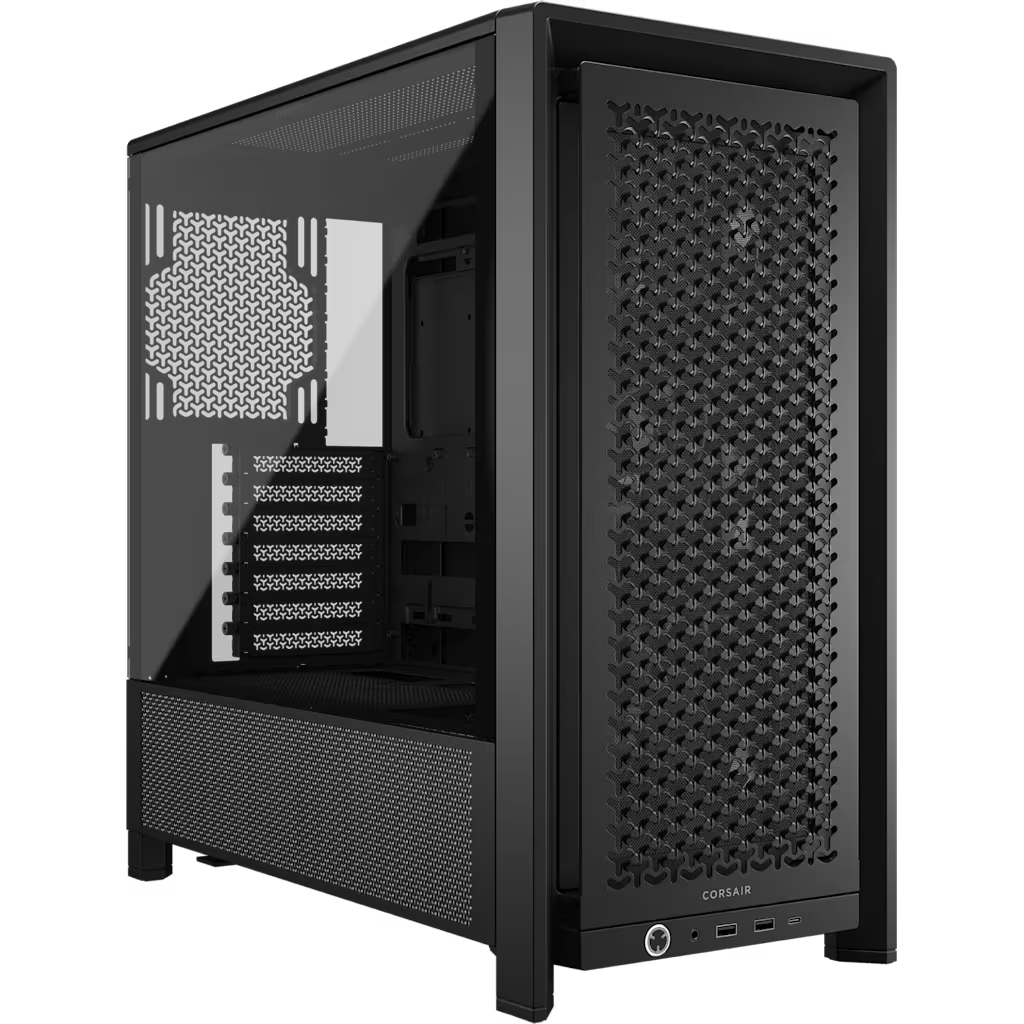
Corsair's Frame 4000D represents a significant evolution from its predecessor, introducing a modular design philosophy that sets it apart in the mid-tower case market. The case's name derives from its frame-like construction, where components like the motherboard tray and power supply shroud are designed to be removable and replaceable. According to GamersNexus, the motherboard tray and power supply shroud can be taken out, allowing for customization and 3D printable alternatives. This modularity is further emphasized by Corsair's release of 3D printable files for the PSU shroud and motherboard tray on Printables, enabling users to create custom components. The case's front panel features a distinctive 3D Y-pattern airflow design that Corsair claims increases airflow by up to 12% compared to the original 4000D model. TweakTown's review confirmed this design, noting that the front intake can accept two 200mm fans, a capability not available in the older model. The case also incorporates Corsair's InfiniRail fan mounting system, which allows for easy adjustment of fan sizes and configurations.
The Frame 4000D's dimensions measure 487 x 239 x 486mm, making it slightly larger than the original 4000D at 9mm wider, 37mm longer, and 20mm higher. This increased size provides better space for fans, coolers, and GPUs, particularly accommodating the newer NVIDIA 50-Series cards. The case supports up to 12 120mm fans across various positions, including three at the front, three on top, three on the side, two on the bottom, and one at the rear. The vertical GPU mount is rotatable, allowing for vertical GPU installation, which is a notable improvement over previous models. However, the top panel is not removable, which can complicate radiator installation. The case also features a unique I/O layout with the power button, USB ports, and audio jacks located at the bottom of the front panel, a design choice that differs from traditional mid-tower cases.
Despite its modular approach, the Frame 4000D's build quality has been praised by multiple reviewers. GamersNexus highlighted the case's strong build quality, particularly noting the steel stamping for the cable management shroud area and the robustness of the front panel despite its flimsy appearance. The steel construction and attention to detail in the fan rail system, which can be removed with a simple pull, contribute to the overall sturdiness. The case's ability to support back-connect motherboards like ASUS BTF, MSI Project Zero, and Gigabyte Project Stealth further enhances its appeal for users seeking a clean, cable-free aesthetic. The inclusion of dust filters on the front, top, PSU, and side panels ensures good air quality management within the case.
Performance and Cooling
The Frame 4000D's cooling capabilities have been extensively tested and reviewed, with multiple sources noting its improved airflow over the original 4000D. GamersNexus measured the case's airflow efficiency with its 3D Y-pattern front panel, confirming Corsair's claim of up to 12% better airflow. The case supports dual 360mm radiator configurations at the front, top, and side, making it suitable for high-performance builds that require extensive cooling. TweakTown's testing revealed that the case can accommodate up to 12 fans, with the front section supporting up to two 200mm fans, a feature that significantly enhances cooling capacity. The InfiniRail fan mounting system allows for flexible fan configuration, accommodating various fan sizes including 120mm, 140mm, and 200mm units.
The case's radiator compatibility extends to 360mm, 280mm, and 240mm solutions at the front, top, and side positions, with the rear supporting 120mm or 140mm radiators. The ability to mount radiators on the side of the case is a significant improvement over the original 4000D, which lacked this feature. The case's support for GPUs up to 430mm in length, including vertical mounting capabilities, makes it suitable for high-end graphics cards. However, the lack of a removable top panel can complicate radiator installation, which is a notable drawback according to some reviewers. The case also includes a 220mm PSU clearance, which is sufficient for most standard ATX PSUs, and a 170mm CPU cooler clearance, accommodating most air coolers and AIO solutions.
In terms of thermal performance, the Frame 4000D has been tested with various configurations, including high-end CPUs and GPUs. The case's airflow design and fan mounting system work together to maintain low temperatures under load. The inclusion of dust filters on multiple areas helps prevent debris from entering the case, which can affect cooling efficiency. The case's ability to support multiple 120mm fans and its flexible mounting options make it a strong contender for users who prioritize cooling performance. However, some reviewers noted that the case's vertical GPU mounting system lacks horizontal movement, which can be limiting for certain GPU configurations. The case's support for back-connect motherboards also helps reduce cable clutter, which can improve airflow and cooling performance.
Build Quality and Materials
The build quality of the Corsair Frame 4000D has been consistently praised across multiple reviews, with reviewers noting its robust construction and attention to detail. GamersNexus highlighted the case's strong build quality, particularly emphasizing the steel stamping for the cable management shroud area and the front panel's structural integrity despite its appearance. The case's steel construction provides durability and stability, which is essential for a mid-tower case that needs to support heavy components like high-end GPUs and CPUs. The use of tempered glass side panels adds a premium feel to the case while maintaining structural integrity. The case's modular components, including the motherboard tray and power supply shroud, are designed to be removable, which allows for customization and easier maintenance.
TweakTown's review confirmed the case's solid construction, noting that the front panel, while appearing flimsy, is actually strong due to its depth and steel stamping. The fan rail system at the front is designed to be easily removable, with a pull mechanism that allows for quick fan installation and removal. The case's internal components, including the PCIe bracket system, are also well-designed and allow for easy GPU installation and removal. The vertical GPU mount can be rotated 90 degrees, which is a useful feature for users who want to install GPUs vertically. The case's ability to support back-connect motherboards like ASUS BTF, MSI Project Zero, and Gigabyte Project Stealth also contributes to its overall build quality and aesthetic appeal.
The Frame 4000D's materials are chosen to balance durability with cost-effectiveness. The case uses high-quality steel for its structural components, which provides excellent protection for internal components. The tempered glass side panels offer a premium look while maintaining structural integrity. The case's internal components, including the motherboard tray and power supply shroud, are designed to be easily removable, which allows for customization and easier maintenance. The case's modular approach also means that users can replace or upgrade specific components without having to replace the entire case. The attention to detail in the case's construction, including the quality of the steel stamping and the design of the fan rail system, demonstrates Corsair's commitment to quality.
User Experience and Features
The user experience with the Corsair Frame 4000D is generally positive, with reviewers noting its ease of use and the thoughtful inclusion of features that enhance the building process. GamersNexus emphasized the case's modular design, which allows users to customize their build with 3D printable components. The case's ability to support back-connect motherboards like ASUS BTF, MSI Project Zero, and Gigabyte Project Stealth helps reduce cable clutter, which can improve airflow and cooling performance. The case's I/O layout, with the power button, USB ports, and audio jacks located at the bottom of the front panel, is a unique design choice that sets it apart from traditional mid-tower cases. The case's fan rail system is designed to be easily removable, allowing for quick fan installation and removal.
TweakTown's review highlighted the case's ease of installation and the quality of its internal components. The case's ability to support multiple 120mm fans and its flexible mounting options make it suitable for a wide range of builds. The vertical GPU mount can be rotated 90 degrees, which is a useful feature for users who want to install GPUs vertically. The case's support for back-connect motherboards also helps reduce cable clutter, which can improve airflow and cooling performance. The case's internal components, including the motherboard tray and power supply shroud, are designed to be easily removable, which allows for customization and easier maintenance. The case's modular approach also means that users can replace or upgrade specific components without having to replace the entire case.
The Frame 4000D's features extend beyond its basic functionality to include advanced capabilities that enhance the user experience. The case's support for dual 360mm radiator configurations at the front, top, and side positions makes it suitable for high-performance builds that require extensive cooling. The inclusion of dust filters on the front, top, PSU, and side panels helps prevent debris from entering the case, which can affect cooling efficiency. The case's ability to support GPUs up to 430mm in length, including vertical mounting capabilities, makes it suitable for high-end graphics cards. The case's modular design allows for customization and easier maintenance, which is a significant advantage for users who want to modify their builds over time.
Where It Falls Short
Despite its many strengths, the Corsair Frame 4000D has several drawbacks that potential buyers should consider. One of the most significant issues is the lack of a removable top panel, which complicates radiator installation and limits the case's flexibility for users who want to install multiple radiators or custom cooling solutions. TweakTown noted that the top panel is not removable, which can be a limitation for users who want to install radiators or other cooling solutions. The case's vertical GPU mounting system lacks horizontal movement, which can be limiting for certain GPU configurations. This is a notable drawback for users who want to install GPUs in specific positions or who have unique cooling requirements.
Another area of concern is the case's pricing, which may not be competitive with other mid-tower cases in the market. While the Frame 4000D is priced affordably at $94.99 for the base model, the inclusion of fans increases the cost to $99.99 for the RS model and $109.99 for the RS ARGB model. This pricing structure may not be ideal for budget-conscious buyers who want to save money on fans. Additionally, while the case's modular design is a significant advantage, the lack of readily available aftermarket parts means that users may need to rely on 3D printing or third-party solutions to customize their builds. This can be a barrier for users who are not comfortable with 3D printing or who want to avoid the complexity of customizing their case.
The case's limited fan compatibility is another area of concern. While the case supports up to 12 fans, the front section can only handle two 140mm fans as the maximum configuration, which may not be sufficient for high-end builds that require maximum airflow. The case's ability to accommodate dual 200mm fans in the front is a significant improvement, but it still limits the maximum fan configuration. The case's support for back-connect motherboards is a useful feature, but it may not be compatible with all motherboards, which can be a limitation for users who want to use specific motherboards. The case's overall design, while innovative, may not appeal to users who prefer traditional case designs or who want a simpler build process.
Who It's Best For
The Corsair Frame 4000D is best suited for users who value modularity and customization in their PC builds. GamersNexus and TweakTown both noted that the case's modular design and 3D printable components make it ideal for users who want to customize their builds or who are interested in 3D printing. The case's support for back-connect motherboards like ASUS BTF, MSI Project Zero, and Gigabyte Project Stealth also makes it suitable for users who want to achieve a clean, cable-free aesthetic. The case's ability to support dual 360mm radiator configurations and its flexible fan mounting system make it a strong choice for users who prioritize cooling performance and want to build high-end systems.
The case is also ideal for users who are comfortable with a more complex build process and who want to take advantage of its advanced features. The case's vertical GPU mounting system and its ability to support GPUs up to 430mm in length make it suitable for users who want to install high-end graphics cards. The case's support for back-connect motherboards also helps reduce cable clutter, which can improve airflow and cooling performance. However, users who prefer a simpler build process or who want to avoid the complexity of customizing their case may find the Frame 4000D to be too advanced for their needs.
The Frame 4000D is particularly appealing to users who are interested in 3D printing and want to customize their builds. The case's inclusion of 3D printable files for the motherboard tray and PSU shroud allows users to create custom components that fit their specific needs. This makes the case a strong choice for users who want to build unique and personalized systems. The case's modular design also allows users to replace or upgrade specific components without having to replace the entire case, which is a significant advantage for users who want to modify their builds over time. The case's support for dual 360mm radiator configurations and its flexible fan mounting system make it suitable for users who want to build high-performance systems that require extensive cooling.
How It Compares to Alternatives
When compared to other mid-tower cases in the market, the Corsair Frame 4000D stands out for its modular design and advanced features. The case's ability to support dual 360mm radiator configurations and its flexible fan mounting system make it a strong contender for users who prioritize cooling performance. However, it lacks some features that are common in higher-end cases, such as a removable top panel, which can complicate radiator installation. In comparison to the original 4000D, the Frame 4000D offers significant improvements in terms of airflow, modularity, and cooling capabilities. The case's dimensions are slightly larger, which provides more space for fans, coolers, and GPUs, making it suitable for newer, more powerful components.
The Frame 4000D's pricing is competitive with other mid-tower cases, especially when considering its modular features and advanced cooling capabilities. While the base model starts at $94.99, the inclusion of fans increases the cost to $99.99 for the RS model and $109.99 for the RS ARGB model. This pricing structure may not be ideal for budget-conscious buyers who want to save money on fans. However, the case's modular design and 3D printable components provide a level of customization that is not available in most other cases. The case's support for back-connect motherboards and its ability to reduce cable clutter also make it a strong choice for users who want to achieve a clean, aesthetic build.
Compared to other modular cases in the market, the Frame 4000D offers a unique combination of features that make it stand out. The case's ability to support dual 360mm radiator configurations and its flexible fan mounting system make it suitable for high-performance builds that require extensive cooling. The case's modular design and 3D printable components also allow for customization that is not available in most other cases. However, the lack of a removable top panel and the limited fan compatibility may be drawbacks for some users. Overall, the Frame 4000D is a strong choice for users who value modularity and customization, but it may not be the best option for users who want a simpler build process or who prioritize other features.
Value at This Price
The Corsair Frame 4000D offers a compelling value proposition for users who prioritize modularity and customization. At $94.99 for the base model, the case is competitively priced with other mid-tower cases in the market. The inclusion of fans increases the cost to $99.99 for the RS model and $109.99 for the RS ARGB model, which is reasonable considering the case's advanced features and modular design. The case's ability to support dual 360mm radiator configurations and its flexible fan mounting system make it suitable for high-performance builds that require extensive cooling. The inclusion of 3D printable files for the motherboard tray and PSU shroud also adds value by allowing users to customize their builds without additional costs.
The case's value is further enhanced by its support for back-connect motherboards, which helps reduce cable clutter and improve airflow. This feature is particularly useful for users who want to achieve a clean, aesthetic build. The case's modular design also allows users to replace or upgrade specific components without having to replace the entire case, which is a significant advantage for users who want to modify their builds over time. The case's ability to support GPUs up to 430mm in length, including vertical mounting capabilities, makes it suitable for high-end graphics cards. The case's support for multiple 120mm fans and its flexible mounting options also contribute to its overall value.
However, the case's value proposition may be diminished for users who are not interested in customization or who want a simpler build process. The lack of a removable top panel and the limited fan compatibility may be drawbacks for some users. The case's pricing may also not be competitive with other mid-tower cases that offer similar features at a lower cost. Despite these drawbacks, the Frame 4000D's modular design, advanced cooling capabilities, and support for back-connect motherboards make it a strong choice for users who value customization and want to build high-performance systems.
Strengths
- +Modular design with replaceable motherboard tray and power supply shroud
- +Improved airflow with 3D Y-pattern front panel claiming 12% more airflow
- +Supports dual 360mm radiators
- +Includes 3x 120mm RS120 performance fans
Watch-outs
- −GPU bracket lacks horizontal movement for flexibility
- −Top panel is not removable for easier radiator installation
How it compares
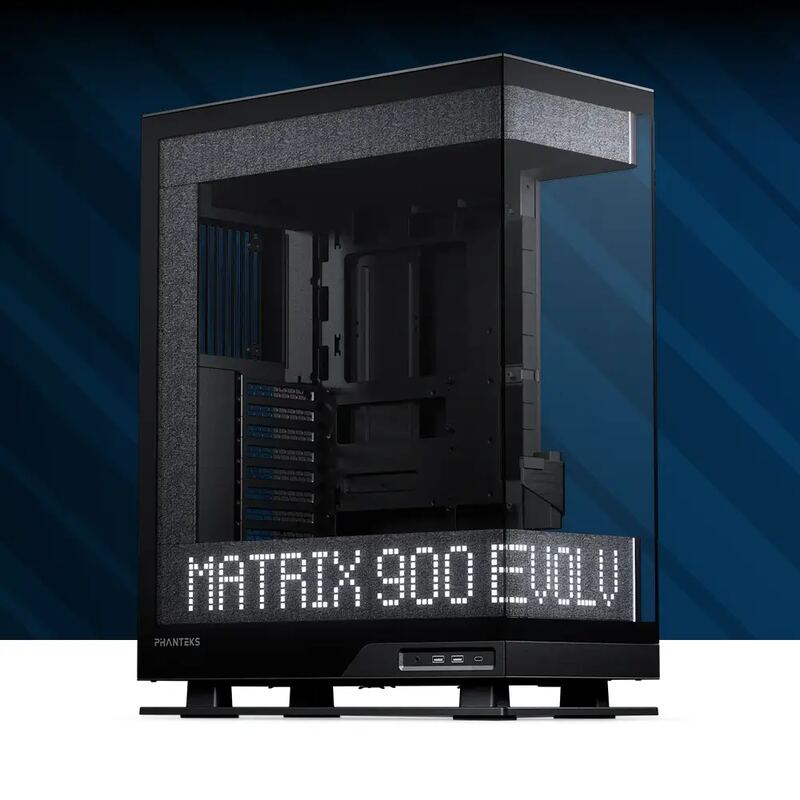
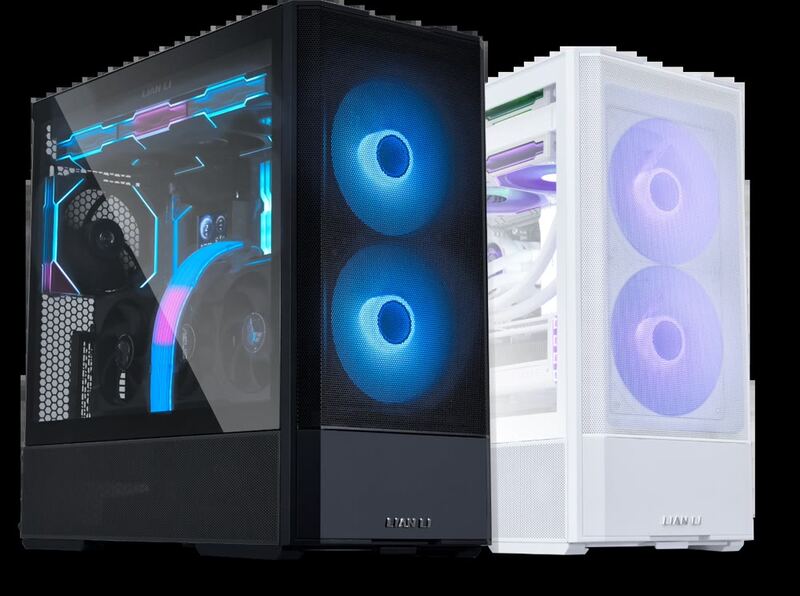
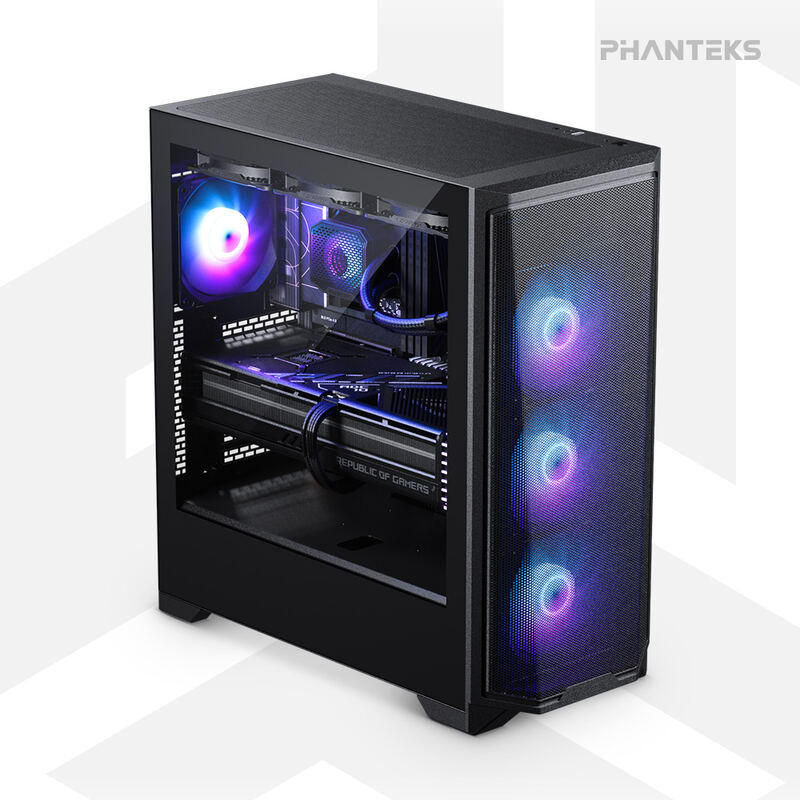
The Corsair 4000D RS no-RGB's modular design and 3D Y-pattern front panel outperform the Lian Li Lancool 207's basic airflow setup, though it lacks the Lian Li's GPU-focused fan placement. Unlike the Phanteks Evolv X2 Matrix, it doesn't include lighting but offers replaceable components and dual 360mm radiator support. Compared to the Thermaltake The Tower 250, it provides better internal space management and easier component access.
Who this is for
At a glance: modular build enthusiasts on a budget.
Why you’d buy the Corsair 4000D RS no-RGB
- Modular design with replaceable motherboard tray and power supply shroud.
- Improved airflow with 3D Y-pattern front panel claiming 12% more airflow.
- Supports dual 360mm radiators.
Why you’d skip it
- GPU bracket lacks horizontal movement for flexibility.
- Top panel is not removable for easier radiator installation.
Rating sources
“Overall, we like it. It's an interesting case.”
“Corsair has improved upon it's 4000D with its Frame edition that improves airflow and modularity while keeping the pricing fair.”
“Corsair’s FRAME 4000D is surprisingly affordable. However, this model ships without included fans. For £10 more (£89.99), this case can ship with three non-RGB RS series 120mm fans.”
Our 4.3 score is the average of these published ratings. Ratings marked * were derived from the reviewer’s written analysis or video transcript — the publisher didn’t print an explicit numeric score, so we inferred one from their own words. Click through to verify. More about methodology.