The 100-400mm is the value reach lens for Canon RF. At $649 it's a quarter of the L-series 100-500mm's price while covering 80% of the focal range. 1.4 lb makes it the easiest reach lens to handle here — even hours of birding don't fatigue. Image quality is consistently 'good not great' compared to the L glass, but for most enthusiast wildlife and sports use, the trade-off is more than fair.
Strengths
- +Roughly a quarter the price of the RF 100-500mm L while covering 100-400mm
- +Only 1.4 lb — easiest reach lens to carry all day in this lineup
- +5.5 stops of image stabilization (6 stops combined with IBIS)
- +Nano USM autofocus is fast and silent
- +Compatible with Extender RF 1.4x (to 560mm) and RF 2x (to 800mm)
Watch-outs
- −Not L-series — plastic build feels less premium than the RF 100-500mm or RF 70-200mm
- −Variable aperture f/5.6-8 is slower than the RF 100-500mm L's f/4.5-7.1
- −100mm short end means no environmental option without a lens swap
- −Image quality slightly trails L-series competitors at the edges
How it compares
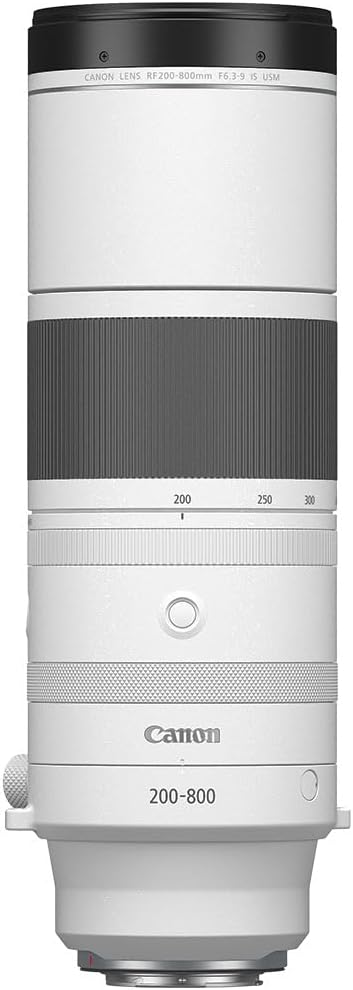
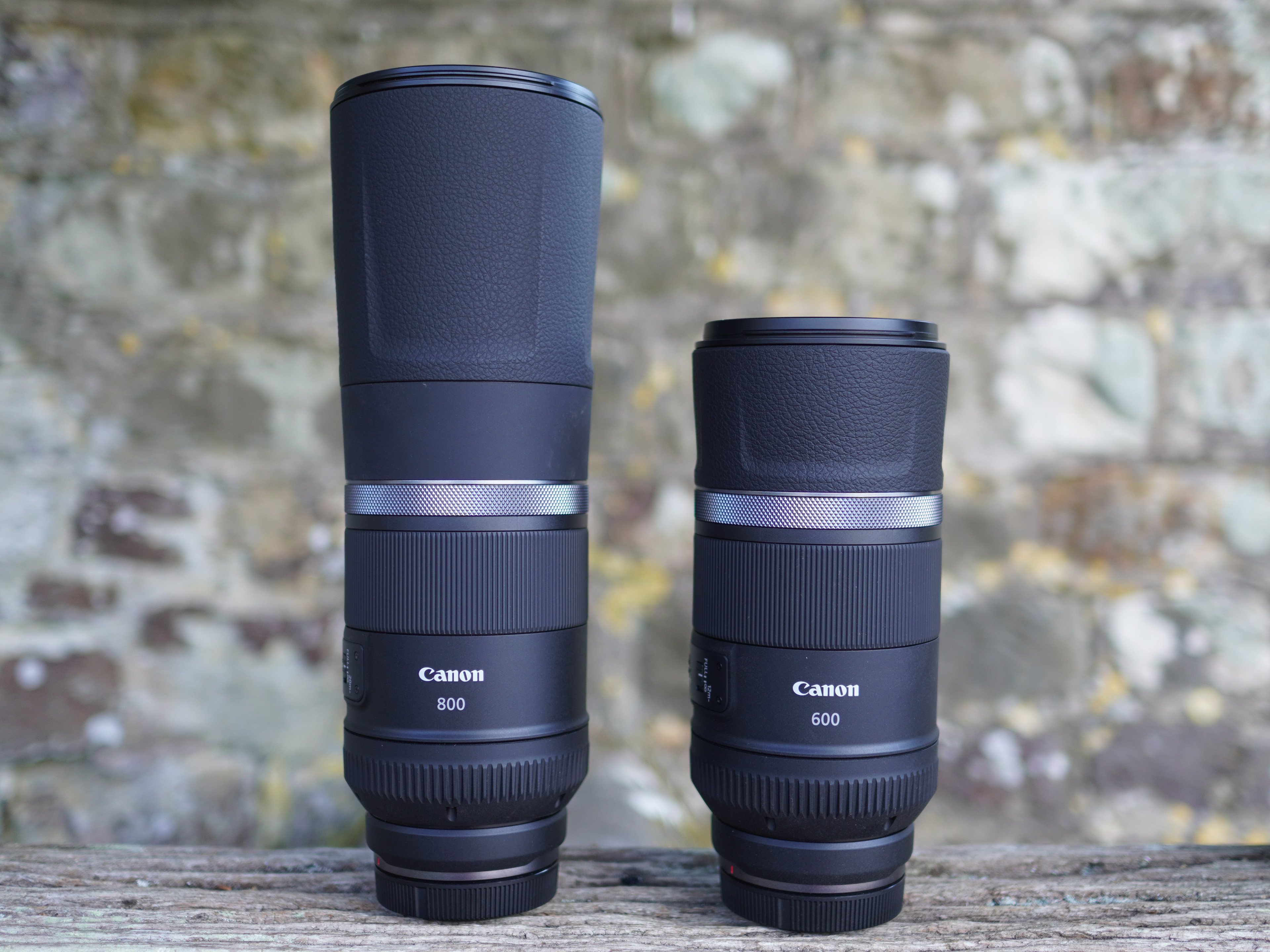
Best value reach lens for Canon RF. Cheaper than the RF 100-500mm L, RF 70-200mm F2.8, and RF 200-800mm. Lighter than every other pick except the RF 800mm f/11. Shorter reach than the RF 100-500mm L, RF 200-800mm, and RF 800mm f/11.
Who this is for
At a glance: enthusiast wildlife and sports photographers who want 400mm reach in a 1.4 lb lens at sub-$700.
Why you’d buy the Canon RF 100-400mm F5.6-8 IS USM
- Roughly a quarter the price of the RF 100-500mm L while covering 100-400mm.
- Only 1.4 lb — easiest reach lens to carry all day in this lineup.
- 5.5 stops of image stabilization (6 stops combined with IBIS).
Why you’d skip it
- Not L-series — plastic build feels less premium than the RF 100-500mm or RF 70-200mm.
- Variable aperture f/5.6-8 is slower than the RF 100-500mm L's f/4.5-7.1.
- 100mm short end means no environmental option without a lens swap.
Rating sources
Published reviews for this product are thin — the 4.5 score is synthesised from the sources our researchers read (listed in the pros & cons above) rather than a set of numeric ratings we can point to directly. See methodology for how we handle this case.