Audio clarity and a luxurious build are what justify the Bowers & Wilkins Px8's premium price to discerning listeners. Getting there means living with inconsistent wear detection, no low-volume adjustment in wired mode, and enough weight to cause discomfort over extended use.
Full review
Luxurious Build and Comfort
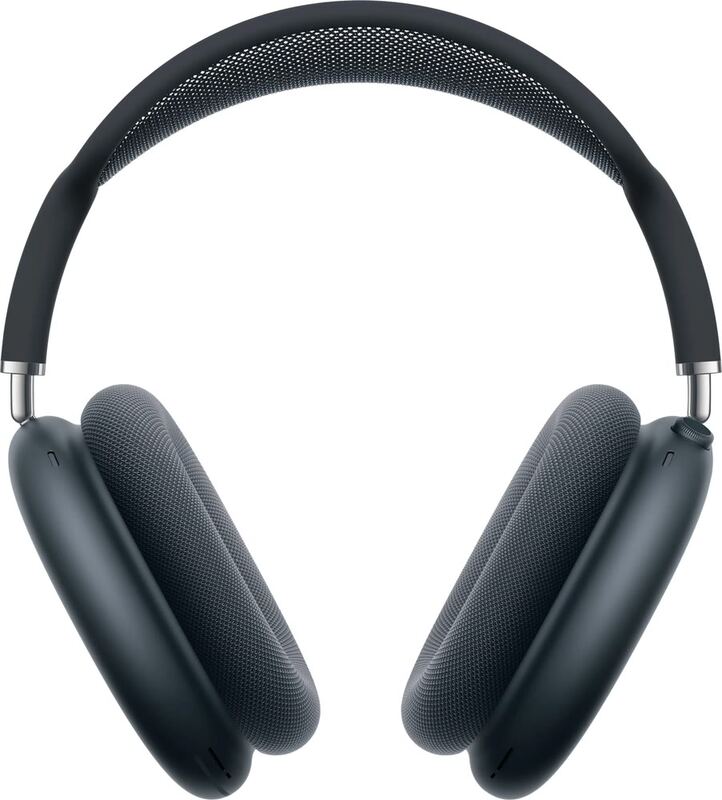
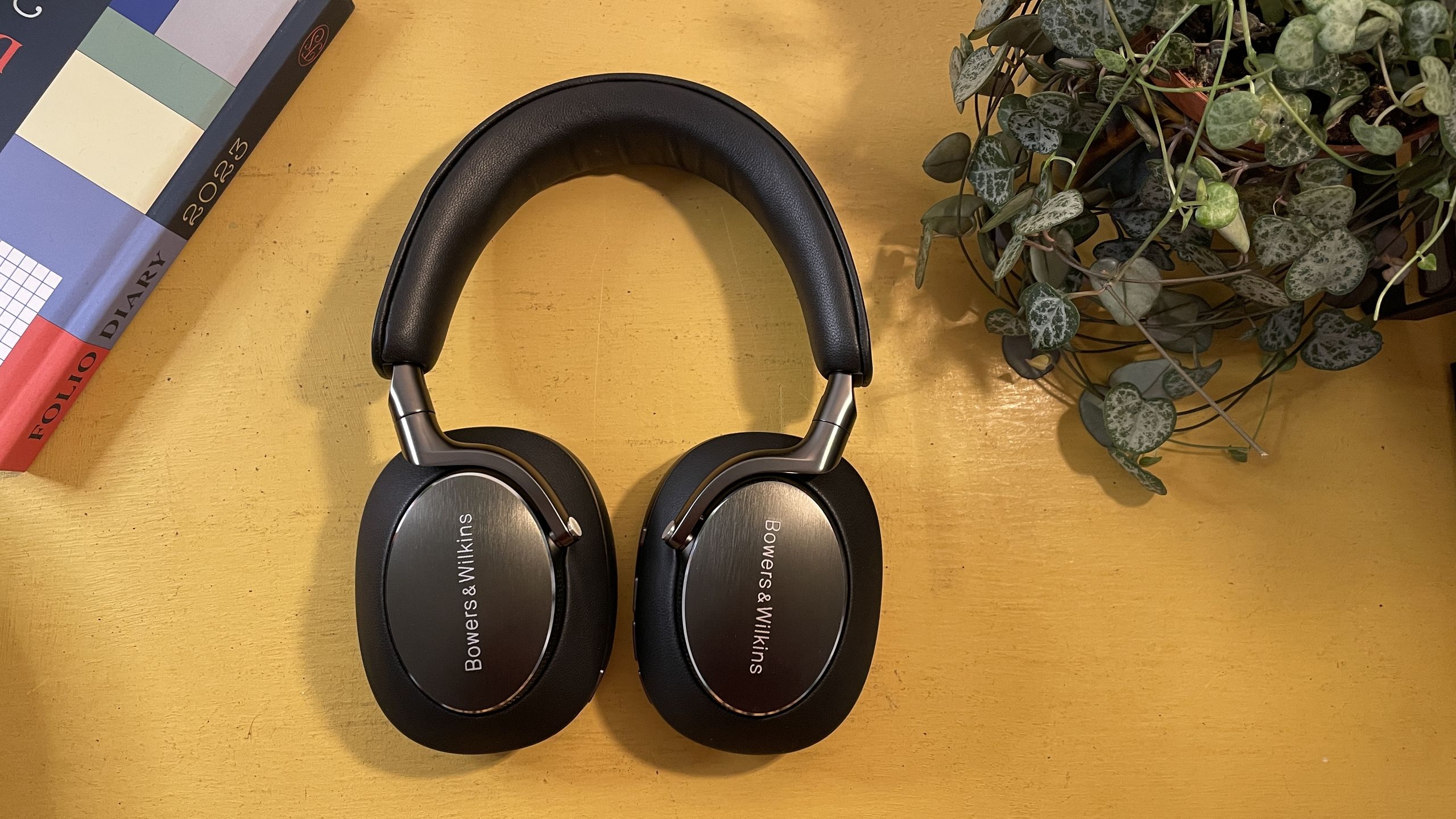
The Bowers & Wilkins Px8 distinguishes itself immediately through its material selection, aiming to justify a premium price point that surpasses competitors like the Apple AirPods Max. What Hi-Fi? highlights the use of soft Nappa leather on the headband, earcups, and earpads, describing the tactile experience as genuinely pleasant and a significant step up from the cheaper Px7 S2 models. The structural integrity is maintained by a cast aluminum arm structure that reviewers note feels precisely engineered rather than flimsy. TechRadar and What Hi-Fi? both emphasize that the design strikes a difficult balance between being showy and luxurious, offering a classic aesthetic with brushed metal finishes that appeal to traditionalists rather than those seeking hyper-modern plastic designs. The headphones are available in four distinct finishes, including black, tan, royal burgundy, and forest green, allowing for personalization without sacrificing the high-end look.
Comfort is a strong suit for the Px8, largely due to the thick padding on the ear cups and the angled driver placement. SoundGuys notes that the ear pads create sufficient space between the drivers and the user's ear, preventing the uncomfortable sensation of the headphones mashing the pinna into the skull. This design choice contributes to a secure and comfortable fit for most head shapes. However, the comfort narrative is complicated by the weight. SoundGuys measured the headphones at 320 grams, which, while distributed well by the padded band, still exerts significant pressure on the skull during extended listening sessions. The reviewer warned that while short-term comfort is excellent, heat buildup and clamping force become noticeable after a few hours, making them less suitable for intense physical activity or all-day wear without breaks.
Sound Quality and Audio Performance
Audio performance is where the Px8 faces the most scrutiny, with reviewers noting a distinct character that favors clarity and punch over warm, bass-heavy signatures. What Hi-Fi? praised the outstanding clarity and fast, punchy sonic presentation, attributing this to the 40mm carbon cone drivers. The soundstage is described as spacious, allowing for detailed separation of instruments, which appeals to critical listeners and audiophiles. TechRadar echoed these sentiments, stating that the headphones sound amazing and deliver a reference-standard performance that justifies the high cost for those who prioritize fidelity. The inclusion of aptX Adaptive codec support ensures high-quality wireless transmission for compatible Android devices, maintaining the integrity of the audio signal without the compression artifacts often found in standard Bluetooth connections.
Despite the high praise for clarity, the sound profile is not without its quirks. What Hi-Fi? identified a notable issue where the sound becomes limp and lacks impact at lower volume levels. This dynamic range compression at low volumes can make music feel flat and lifeless, requiring users to listen at moderate to high volumes to experience the full benefit of the carbon cone drivers. SoundGuys provided a more measured assessment, giving the headphones a MDAQS rating of 4.2, which indicates a competent but not flawless audio performance. The reviewer noted that while the timbre and distortion levels are acceptable, the overall immersiveness score of 4.8 suggests that the headphones do not fully envelop the listener in the way some competitors might. This discrepancy highlights a divide between professional reviewers who appreciate the technical accuracy and casual listeners who might find the sound less engaging at typical listening volumes.
Active Noise Cancellation and Features
The active noise cancellation (ANC) on the Px8 is robust, effectively handling low-frequency hums and mid-range chatter, making it a viable option for travel and office environments. SoundGuys rated the ANC performance highly, noting that it competes well with flagship models from Sony and Bose. The headphones also offer transparency mode, which allows ambient sound to pass through, though some users have reported that the transition between modes can be slightly abrupt. The wear-on/off function, which automatically pauses playback when the headphones are removed, is a convenient feature but has been criticized for being erratic. What Hi-Fi? pointed out that this sensor can sometimes fail to detect removal or put the headphones back on, leading to unexpected pauses or continued playback when the user is not wearing them. This inconsistency can be frustrating during casual use, detracting from the otherwise seamless experience.
Connectivity is a strong point for the Px8, with multiple options including Bluetooth 5.2, USB-C digital audio, and a 3.5mm analog input. SoundGuys highlighted the versatility of these connection methods, noting that the headphones are an excellent companion for music collectors who use various source devices. The USB-C connection allows for high-resolution audio playback, bypassing the Bluetooth codec limitations entirely. However, What Hi-Fi? noted a limitation when using the USB cable: there is no low-volume adjustment capability, which can be problematic for users who prefer to listen quietly in shared spaces. The battery life is impressive, with B&W claiming up to 30 hours of playback with ANC enabled. SoundGuys confirmed this longevity, rating the battery life at 9.8 out of 10, making the Px8 a reliable choice for long-haul flights and extended work sessions without the need for frequent recharging.
App can be sluggish and lose connection
The companion app for the Px8 is functional but lacks the polish and depth found in competitors' offerings. SoundGuys described the controls as Spartan but effective, with physical buttons on the right ear cup for volume, playback, and power, and a customizable quick-action button on the left ear cup. While the physical controls are reliable, the app interface is basic, offering limited EQ customization and firmware updates. Users have reported that the app can be sluggish and occasionally fails to connect to the headphones, requiring a restart of the application or the device. This software instability is a common complaint among Reddit users, who have discussed firmware bugs that affect connectivity and feature functionality. The lack of a robust software ecosystem is a significant drawback for a product at this price point, where users expect a seamless digital experience to match the hardware quality.
The user experience is further impacted by the lack of intuitive touch controls. Unlike many modern headphones that use swipe gestures for volume and track control, the Px8 relies on physical buttons. While some users prefer the tactile feedback of buttons, others find the placement on the back of the ear cup awkward and prone to accidental presses. SoundGuys warned that pressing the buttons too hard can affect the fit of the headphones, causing discomfort. The multifunction button requires a learning curve to master, with single, double, and triple taps performing different actions. This complexity can be frustrating for new users, who may struggle to navigate the controls without referring to the manual. The absence of voice assistant integration beyond basic activation is another missed opportunity, as competitors offer more seamless integration with Siri, Google Assistant, and Alexa.
Value and Market Position
The Bowers & Wilkins Px8 sits at the top of the wireless headphone market in terms of price, launching at $699 / £599. This premium pricing places it above the Apple AirPods Max and Sony WH-1000XM5, challenging consumers to justify the extra cost. What Hi-Fi? noted that while the Px8 has come down in price to around $559 / £499 in some markets, it remains a significant investment. The value proposition is heavily dependent on the user's priorities. For those who prioritize build quality, materials, and a classic aesthetic, the Px8 offers a unique proposition that few competitors can match. However, for users seeking the best noise cancellation, software features, or value for money, the Px8 falls short. SoundGuys gave the headphones a low value rating of 5.5 out of 10, reflecting the opinion that the performance does not fully justify the high price tag compared to more affordable alternatives.
The market position of the Px8 is also influenced by the emergence of new competitors. Since its release, brands like Focal with the Bathys and Dali with the IO-8 have entered the premium segment, offering similar or superior features at competitive prices. What Hi-Fi? recommended the Dali IO-8 as a strong alternative, noting its five-star rating and lower price point. The Px8's reliance on brand prestige and luxury materials is its primary selling point, but this strategy may not resonate with all consumers. The headphones are best suited for those who view audio equipment as a status symbol and are willing to pay for the Bowers & Wilkins name and craftsmanship. For pragmatic buyers, the Px8 represents a luxury purchase rather than a practical one, with diminishing returns on performance relative to cost.
Best for audiophiles who value materials over software
The Bowers & Wilkins Px8 is best suited for audiophiles and luxury seekers who prioritize build quality and material craftsmanship over cutting-edge software features. Shoppers who appreciate a classic, understated design with premium materials like Nappa leather and aluminum will find the Px8 appealing. It is an excellent choice for travelers who need long battery life and effective noise cancellation for long-haul flights, provided they do not mind the weight. Users who listen to music at moderate to high volumes will benefit from the clear, punchy sound signature and the spacious soundstage. The multiple connectivity options make it ideal for users who switch between different audio sources, such as smartphones, laptops, and high-resolution audio players. Those who value the Bowers & Wilkins brand heritage and are willing to pay a premium for the associated prestige will find the Px8 a satisfying purchase.
Conversely, the Px8 is not recommended for budget-conscious buyers or those who prioritize software integration and ease of use. Users who frequently listen at low volumes may be disappointed by the limp sound quality reported by What Hi-Fi?. The erratic wear-on/off sensor and basic companion app will frustrate users who expect a seamless, bug-free digital experience. The weight and clamping force make it unsuitable for extended wear during physical activity or for users with sensitive heads. Those seeking the latest features like advanced voice assistant integration or customizable touch controls should look elsewhere. Finally, users who prioritize value for money will find better options in the mid-range market, where competitors offer similar performance at a fraction of the cost. The Px8 is a niche product for a specific audience, not a universal solution for all headphone buyers.
Strengths
- +Outstanding clarity with a fast and punchy sonic presentation
- +Luxurious build featuring soft Nappa leather and cast aluminium arms
- +Angled 40mm carbon cone drivers provide a comfortable fit
- +Versatile connectivity including USB-C and 3.5mm wired options
Watch-outs
- −Sound quality becomes limp at lower volume levels
- −Wear-on/wear-off detection function can be erratic
- −Heavy 320g mass causes pressure and heat buildup over long sessions
How it compares
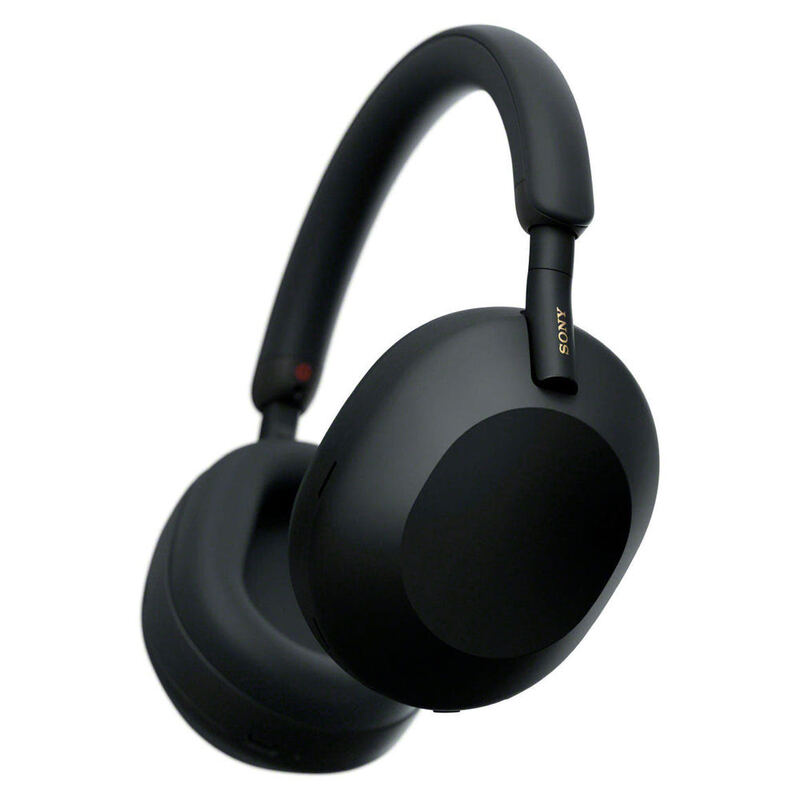
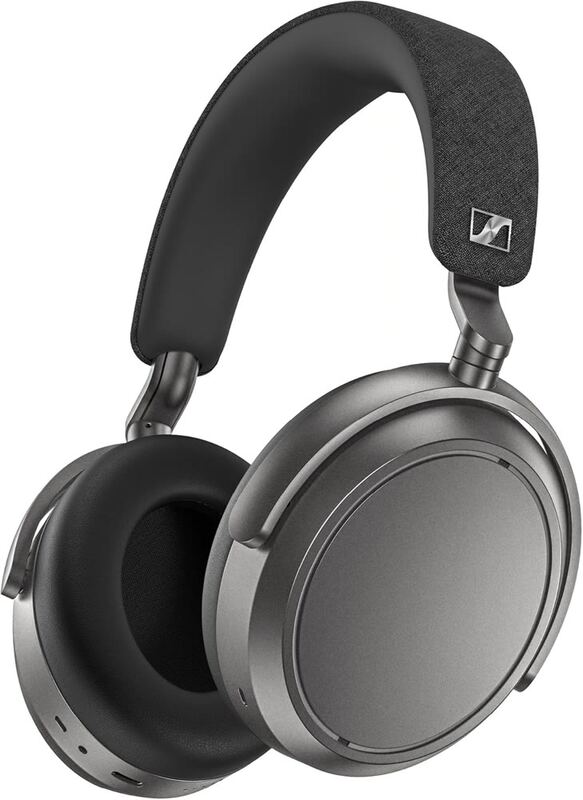
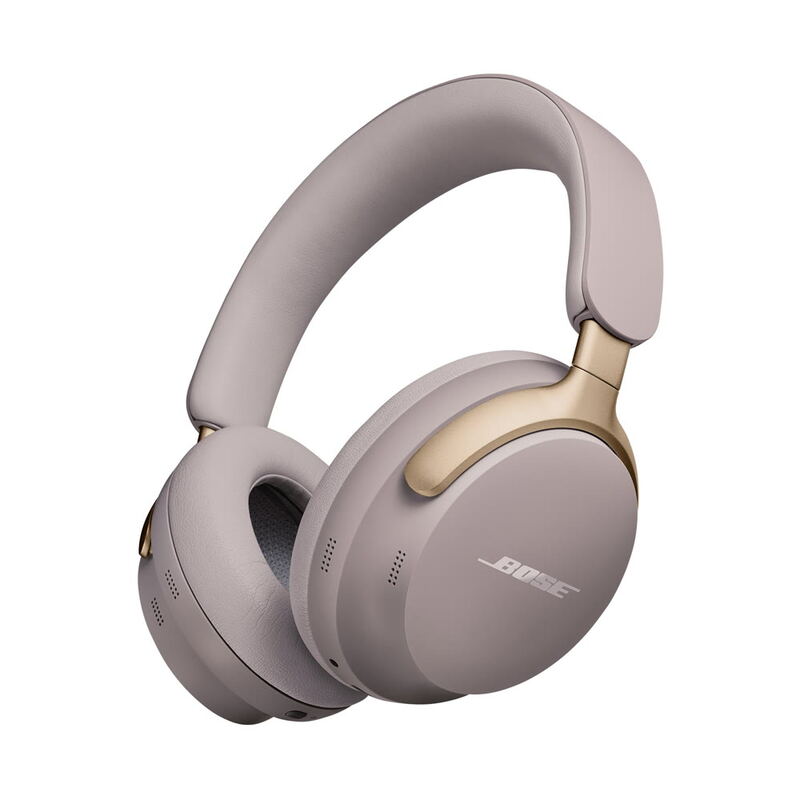
The Bowers & Wilkins Px8 stands out with the most luxurious Nappa leather and cast aluminum build, offering a premium tactile experience that feels more upscale than the Sony WH-1000XM5 or Sennheiser Momentum 4 Wireless. Despite its superior clarity, it is the heaviest option in the group, causing more pressure than the lightweight Bose QuietComfort Ultra, and its sound quality drops at low volumes unlike the consistent performance of the Sennheiser.
Rating sources
Our 4.4 score is the average of these published ratings. More about methodology.