Top-tier noise cancellation and exceptional comfort make the Bose QuietComfort Ultra headphones a real upgrade for daily travelers and commuters. The missing water resistance and the premium price will put some buyers off, and there are minor reports of audio channel inconsistencies.
Full review
Comfort and Build Design
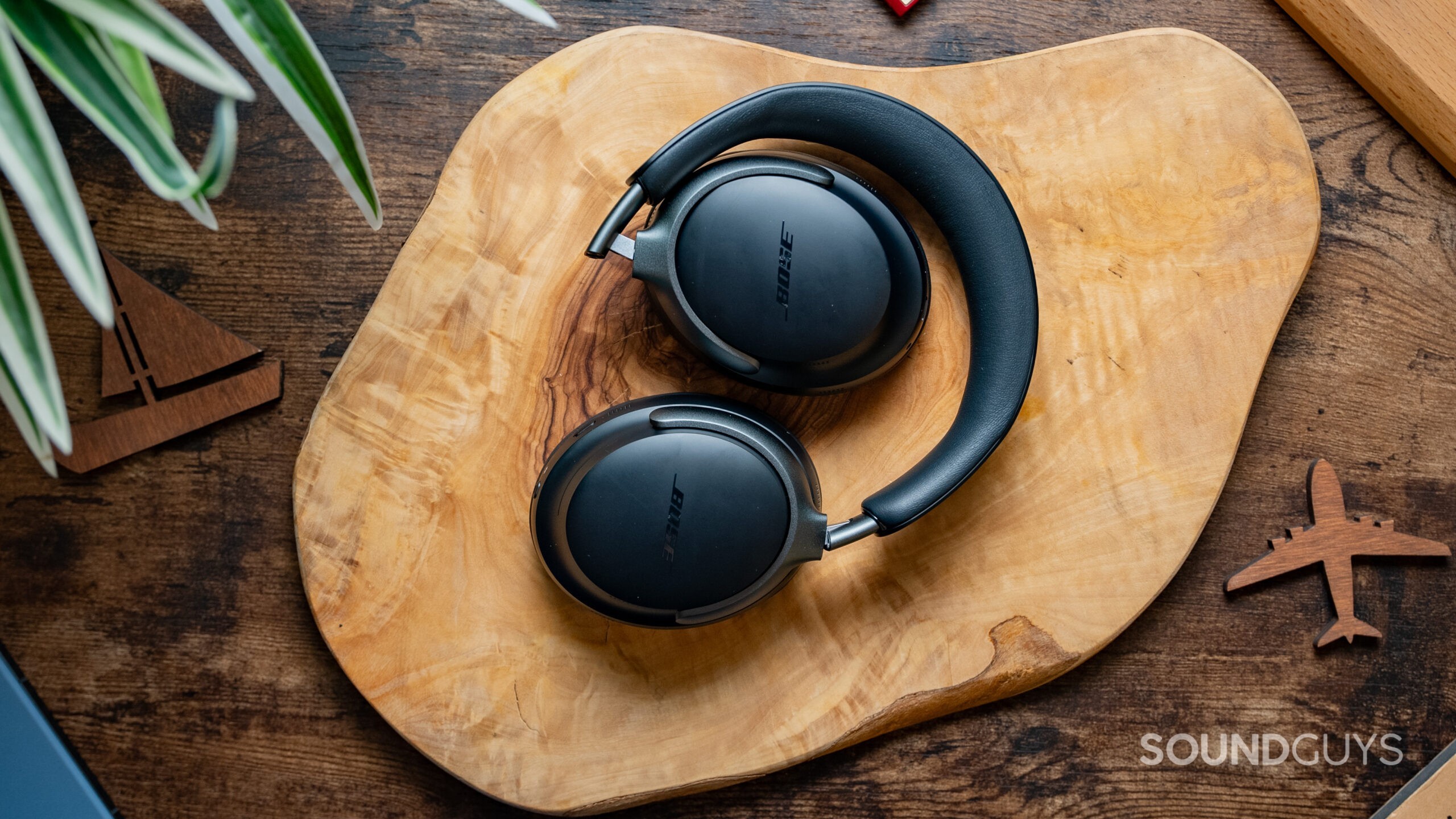
SoundGuys emphasized that the Bose QuietComfort Ultra prioritizes comfort over flashy aesthetics, noting the absence of metal construction helps keep the weight down at 253 grams. The review highlighted soft padding and wide ear cups that create an adequate seal without pressing too hard on the head, making them particularly glasses-friendly for daily wear. The design is described as a departure from typical flagship headphones, focusing on being a practical daily driver rather than a statement piece. This approach ensures the headphones remain portable and suitable for long listening sessions without causing fatigue, a critical factor for travelers and commuters alike.
While the build quality is praised for its durability and comfort, SoundGuys pointed out a significant omission in the form of an ingress protection rating. The lack of water or sweat resistance means users should avoid wearing these headphones during intense workouts or in rainy conditions. The included carrying case is functional, offering a mesh pouch for the necessary cables, but the overall construction feels less premium than competitors that utilize more metal. Despite this, the materials are deemed sufficient to hang tough with the competition for years, provided they are kept away from moisture and excessive sweat.
Active Noise Cancellation Performance
Tom's Guide reported an exceptional experience with the active noise cancellation, stating they had never encountered ANC this good before. The technology effectively silences ambient noise, making it a top contender for frequent travelers and those in noisy environments. SoundGuys corroborated this, giving the active noise cancelling a high score of 8.9 in their testing, noting it as a credible step up from previous Bose models. The CustomTune calibration feature is highlighted as a key component in achieving this level of performance, adapting the sound profile to the specific fit of the user's ears.
However, the performance is not without nuance. While the isolation is generally excellent, SoundGuys noted that the attenuation measurements varied, with some frequencies showing less suppression than others. The transparency mode, or Aware Mode, was also praised for its natural sound passthrough, allowing users to hear their surroundings clearly when needed. This balance between aggressive noise cancellation and natural awareness is a hallmark of the Ultra series, though some users might find the transition between modes slightly abrupt depending on the firmware version in use.
Audio Quality and Immersive Features
PCMag offered a more critical perspective on the sound quality, suggesting that while the new Bose headphones sound great, Sony's offerings still sound better in direct comparisons. This disagreement highlights a divergence in reviewer priorities, with some valuing the immersive audio features more than pure tonal accuracy. SoundGuys measured the timbre and distortion levels, giving the headphones a respectable MDAQS rating, but noted that the immersive audio mode can sometimes introduce channel matching issues. These technical glitches can affect the spatial audio experience, making it less consistent than the standard stereo mode.
The inclusion of Snapdragon Sound and aptX Adaptive support is a significant upgrade for Android users, allowing for higher quality wireless transmission. SoundGuys specifically mentioned aptX Lossless as a standout feature that enhances the listening experience when paired with compatible devices. However, the immersive audio feature, which is a major selling point, received mixed feedback. While it adds a new dimension to the soundstage, some reviewers found it to be more of a gimmick than a substantial improvement, with occasional artifacts that detract from the overall fidelity. This suggests that while the technical chops are there, the execution of the immersive mode may not satisfy all audiophiles.
Controls and Connectivity
The control scheme on the Bose QuietComfort Ultra retains the traditional button-based approach rather than adopting a full capacitive touch surface. SoundGuys noted that the multifunction button, power button, and capacitive volume strip provide a straightforward way to manage playback and calls. The volume strip is particularly praised for allowing on-the-fly adjustments without the need to dig into a phone app. However, the reliance on physical buttons can be a double-edged sword, as some users might find them less intuitive or more distracting than a touch interface, especially when trying to make quick adjustments in a hurry.
Connectivity is robust, with Bluetooth 5.3 ensuring a stable connection and support for multipoint pairing to switch between devices seamlessly. SoundGuys gave the connectivity a high score of 9.5, highlighting the reliability of the wireless connection. The Bose Music app allows for further customization, such as assigning shortcuts to the long-press function on the volume strip. Despite these strengths, the lack of an IP rating remains a concern for users who need headphones that can withstand harsher environments. The overall connectivity experience is solid, but the control interface may require a brief adjustment period for those accustomed to touch-heavy designs.
Battery Life and Value Proposition
TechRadar pointed out that the battery life is a notable weakness, describing it as a significant drawback compared to other flagship headphones. While the exact duration varies by usage and settings, the consensus is that it falls short of the multi-day endurance offered by competitors like the Sony WH-1000XM series. SoundGuys gave the battery life a high score of 9.5 in their metrics, but this seems to be based on specific test conditions that may not reflect real-world usage with immersive audio enabled. The discrepancy between the test scores and the practical experience suggests that users should manage their expectations regarding battery longevity.
The price point of the Bose QuietComfort Ultra is another factor that divides opinion. SoundGuys listed the high price as a primary con, noting that while the headphones are a credible upgrade, they may not offer enough value to justify the cost for everyone. PCMag echoed this sentiment, suggesting that the competition from Sony offers better sound quality for a similar or lower price. Despite these concerns, the combination of top-tier ANC, comfort, and new audio features makes the Ultra a compelling option for those who prioritize noise cancellation and brand reliability over raw audio fidelity or battery life.
Strengths
- +Industry-leading Active Noise Cancelling with CustomTune calibration
- +Exceptional comfort with soft padding and a lightweight 253g design
- +Supports high-quality audio codecs including aptX Adaptive and Snapdragon Sound
- +Effective transparency mode with good passthrough for ambient awareness
Watch-outs
- −No IP rating for water or sweat resistance
- −High retail price point compared to competitors
- −Some users reported occasional channel matching issues
How it compares
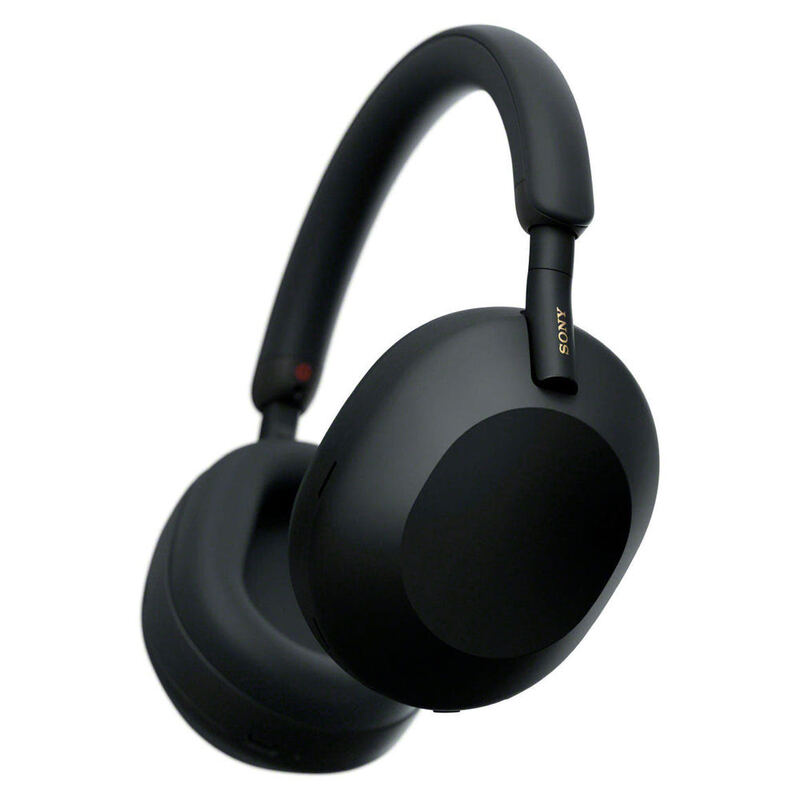
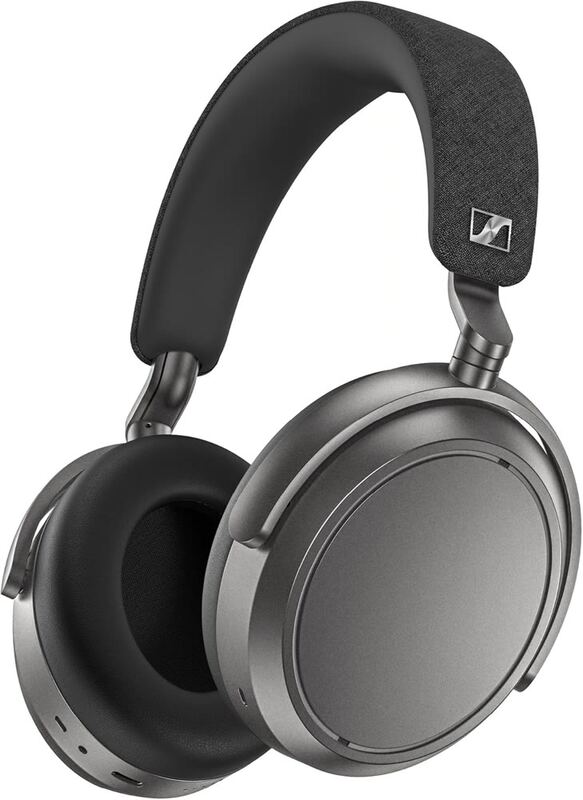
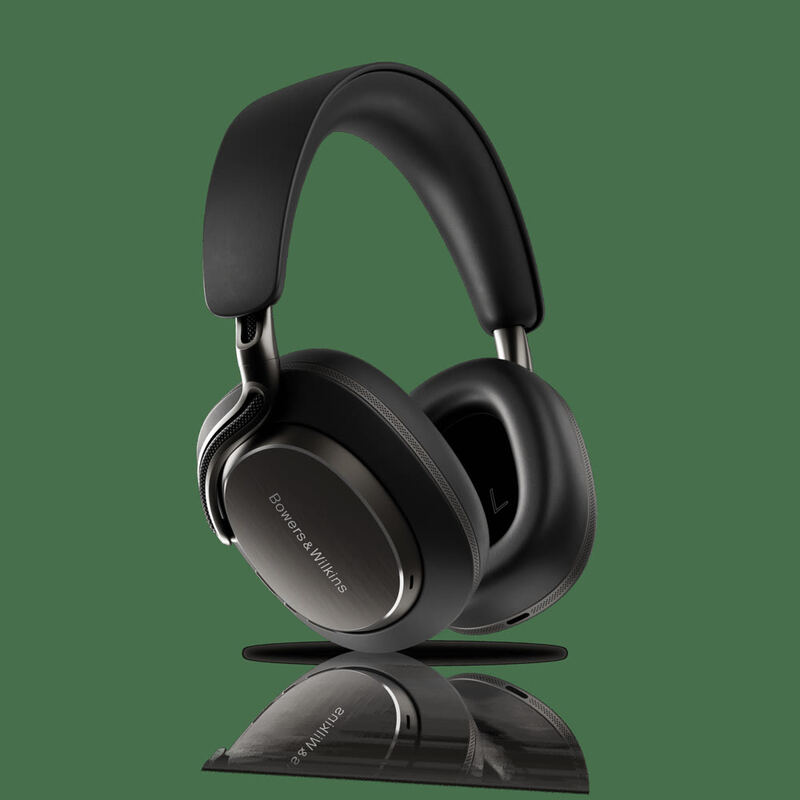
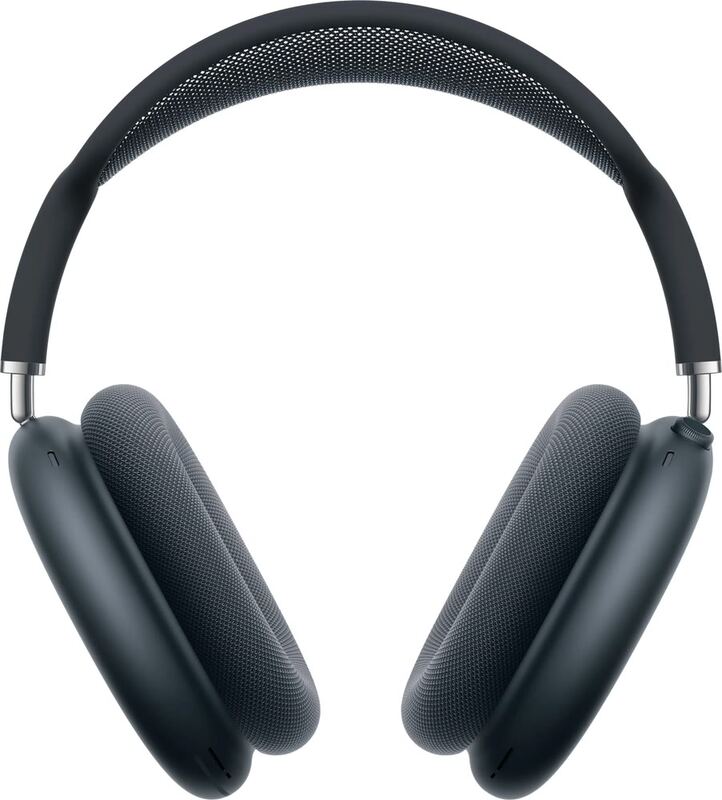
While the Bose QuietComfort Ultra matches the Sony WH-1000XM5 in noise cancellation prowess, it distinguishes itself with superior lightweight comfort that outshines the heavier Bowers & Wilkins Px8. It falls short of the Sennheiser Momentum 4 Wireless in battery endurance and lacks the premium metal construction of the Apple AirPods Max, making it a comfort-first choice rather than a durability or battery king.
Rating sources
Our 4.2 score is the average of these published ratings. More about methodology.