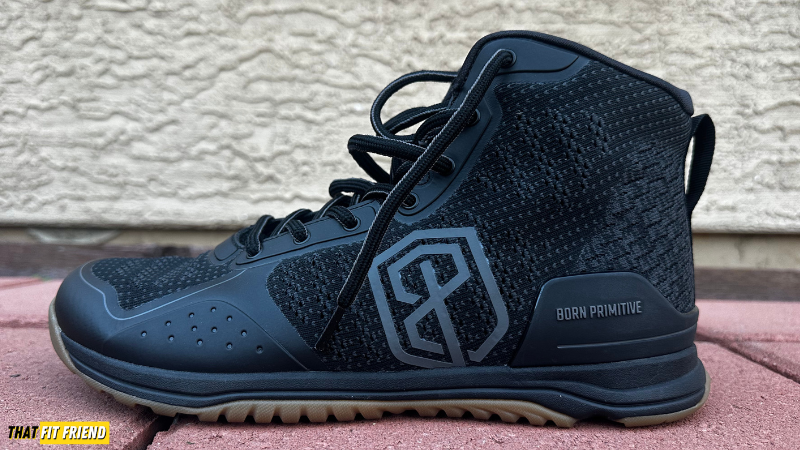
The Born Primitive Savage 1 is a minimalist cross-training shoe designed for lifting, CrossFit, and general training. Reviewers praised its wide toe box, dense midsole, and durability, with one reviewer noting their first pair lasted over a year with heavy use. However, it's not ideal for running and may be too wide for narrow feet. The shoe's simplistic construction and lower stack height appeal to those seeking older-school trainer aesthetics. It's best suited for athletes who prioritize minimalism and wide-foot comfort over running performance.
Full review
Construction and Design
The Born Primitive Savage 1 stands out for its minimalist construction that evokes the nostalgia of older cross-training models like the Reebok Nano 2.0 and early Nike Metcons. The shoe features a dual-density foam midsole with plush, flexible material in the forefoot and stiffer, supportive foam at the heel. This design choice aims to balance cushioning for running and stability for lifting. The lightweight knit upper and mesh tongue provide improved breathability, while TPU overlays offer lateral stability without adding bulk. Reviewer Jake Boly from That Fit Friend noted that the shoe's 'streamlined/minimalist construction' sets it apart from current trends of bulky training shoes. The TPU toe overlay and heel stabilizer work together to provide structural integrity, though some users have reported that the TPU at the midfoot can fold over time, as noted in the Garage Gym Reviews wear-test analysis.
The Savage 1's design philosophy centers on simplicity and functionality rather than technological bells and whistles. The 4mm heel-to-toe drop creates a low, ground-hugging feel that appeals to minimalist training shoe enthusiasts. The shoe's aesthetic is understated, making it suitable for both gym and casual wear. According to ShopBox Basics, the shoe's 'minimalist design and look makes the Savage 1 appealing in and outside of the gym.' The construction includes a dual-density molded footbed that strategically places flex grooves for enhanced articulation. However, the mesh tongue, while breathable, can rub against some users' skin, as reported by multiple reviewers who recommended wearing longer socks during break-in periods to mitigate this issue.
Performance in Training
In real-world testing, the Savage 1 demonstrates solid performance across multiple training disciplines. For lifting activities, particularly lower body movements and deadlifts, the shoe's dense midsole and lower stack height provide excellent ground feel and stability. Jake Boly from That Fit Friend noted that the Savage 1 excels in lifting, especially for those who prefer a more minimalist approach. The shoe's construction allows for superior flexibility, which is beneficial for athletes who want to maintain a natural foot movement pattern during training. The dual-density foam provides adequate cushioning for jumping and plyometric exercises without sacrificing the stability needed for heavy lifting. However, the shoe's performance in running scenarios is more limited, with most reviewers noting that it's not ideal for longer distances beyond 800 meters.
CrossFit and versatile workouts see mixed results with the Savage 1. The shoe performs well for WODs that emphasize lifting and lower body movements, making it a strong choice for athletes who prioritize these elements. However, for high-volume CrossFit workouts featuring frequent clean & jerks, snatches, and squats, the TYR CXT-2 may offer better platform stability. The Savage 1's minimalist approach works well for those who prefer more ground feel and flexibility, but it lacks the aggressive sidewalls needed for multi-directional training. According to the comparison review by That Fit Friend, 'if you like training barefoot more often, then go with Savage 1; if you do a lot of multi-directional work and need more aggressive sidewalls, go with the CXT-2.' The shoe's versatility is evident in its ability to handle both running and lifting, though it doesn't excel in either category as a dedicated runner or lifter.
Fit and Sizing
The Savage 1's wide toe box is one of its most praised features, accommodating natural toe splay and providing comfort for athletes with wide feet. Jake Boly from That Fit Friend noted that the shoe's wide toe box is 'great for toe splay' and 'accommodates wide feet well.' The sizing runs true to standard Nike and Reebok sizing, making it easy for users familiar with those brands to find the right fit. However, the shoe's wide construction may be problematic for athletes with narrow feet, who might find the fit too spacious. The removable insole allows for customization of fit, but users should note that removing it can make the shoe feel denser, which may be less comfortable for running or plyometric activities. The mesh tongue, while breathable, can rub for some users, and the recommendation from multiple reviewers is to wear longer socks during the break-in period.
Users with high-volume feet may experience issues with the tongue's fit, as noted by Garage Gym Reviews. The mesh tongue can cause friction and discomfort during extended wear, particularly for those who spend long hours training. The shoe's flatter midfoot construction may also require some adjustment for athletes accustomed to more curved footbeds. For athletes with 4E+ width feet, the Savage 1 may still feel snug at times, though the removable insole can provide some relief. The overall fit is described as comfortable for daily wear, with the minimalist construction making it suitable for both gym and casual use. However, the shoe's performance in terms of long-term comfort for all-day wear is somewhat limited compared to more robust training shoes like the TYR CXT-2.
Durability and Longevity
Durability testing reveals that the Savage 1 holds up well under regular CrossFit and lifting use. Jake Boly's multi-year wear test shows that his first pair remains functional after 15 months of use, with only aesthetic degradation in the TPU covering the toe box from burpees and pickleball activities. The midsole has maintained its shape, though some compression creases were noted around the boot and forefoot. The lower stack height contributes to the shoe's longevity, as it reduces the stress on the midsole materials. However, the TPU midfoot overlay has shown signs of folding, as reported by Garage Gym Reviews, which may be a concern for high-volume users. The shoe's construction suggests it's built to last, with the dense midsole providing good support even after extended use.
The longevity of the Savage 1 is evident in multiple user experiences, with some reviewers noting that their pairs have remained in good condition after 12-15 months of regular use. The TPU toe overlay has shown some wear, but this appears to be primarily aesthetic. The midsole's performance has been consistent, with users reporting that it maintains its shape and cushioning properties. The lightweight knit upper and mesh tongue have proven durable, though the mesh material may require more careful maintenance to prevent wear. The shoe's construction suggests it's built for athletes who use it regularly for training, though the TPU components may need attention in high-stress scenarios.
Where It Falls Short
Despite its strengths, the Savage 1 has several notable drawbacks that may deter some users. The primary limitation is its unsuitability for running, particularly for longer distances. While the shoe can handle short intervals in WODs, it lacks the cushioning and support needed for sustained running. The mesh tongue, while breathable, can cause rubbing and discomfort for some users, requiring careful attention during the break-in period. Additionally, the TPU midfoot overlay has been reported to fold over time, which may affect the shoe's structural integrity and overall performance. The minimalist approach, while appealing to some, may not suit athletes who require more platform stability for multi-directional movements.
The shoe's construction also presents some challenges for specific user groups. Athletes with narrow feet may find the wide toe box too spacious, potentially leading to instability during training. The removable insole, while helpful for fit customization, can make the shoe feel denser and less comfortable for running activities. Furthermore, the shoe's performance in terms of daily wear is somewhat limited compared to more robust training shoes. The lack of aggressive sidewalls and platform stability may hinder its appeal for athletes who engage in high-volume CrossFit workouts with frequent directional changes. The TPU components, while providing stability, may be prone to wear in high-stress scenarios, which could impact long-term performance.
Who It's Best For
The Savage 1 is best suited for athletes who value minimalist training shoes and prioritize lifting and CrossFit activities with a focus on lower body movements. The wide toe box and lower stack height make it ideal for those who prefer a natural foot feel and want to maintain proper balance during training. Athletes who enjoy the vintage feel of older trainers like the Nano 2.0 or early Metcons will find the Savage 1 appealing due to its nostalgic design and construction. Jake Boly from That Fit Friend recommends it for 'those who like more minimalist-feeling training shoes' and 'those who want a Jack-of-all-trades style training shoe for lifting, CrossFit, and cross-training.' The shoe's versatility makes it suitable for athletes who want a single shoe that can handle multiple training disciplines without excelling in any one area.
Athletes who prefer a more natural foot movement pattern and want to avoid the bulk of modern training shoes will benefit from the Savage 1's minimalist approach. The shoe is particularly well-suited for those who engage in heavy lifting, particularly lower body movements and deadlifts, where the dense midsole and lower stack height provide excellent ground feel and stability. However, athletes who require more platform stability for multi-directional movements or those who engage in frequent running should consider alternatives like the TYR CXT-2 or Inov8 F-Lite. The shoe's construction makes it ideal for daily wear, but the minimalist approach may not suit those who need more robust support for extended training sessions.
How It Compares to Alternatives
When compared to other training shoes in the market, the Savage 1 holds its own against established models like the Reebok Nano 2.0 and Nike Metcon series. The minimalist approach of the Savage 1 offers a different experience from the more built-out construction of newer models like the TYR CXT-2. While the CXT-2 provides more platform stability and higher drop for those who prefer a more robust training platform, the Savage 1 offers better ground feel and flexibility for athletes who prefer a more natural movement pattern. The Savage 1's dual-density foam construction provides a good balance between cushioning and stability, though it doesn't excel in either category as a dedicated runner or lifter. The shoe's design philosophy aligns more closely with older school training shoes, making it a strong choice for athletes who miss the simplicity of earlier models.
In comparison to the TYR CXT-2, the Savage 1 offers a more minimalist approach with its lower stack height and less bulky construction. The CXT-2 provides more platform stability and a higher drop, which may be preferred by athletes who engage in more multi-directional movements or require more support during heavy lifting. However, the Savage 1's lower stack height and flexible midsole make it more appealing for athletes who want better ground feel and a more natural foot movement pattern. The Savage 1's construction is more suited for those who want a shoe that can handle both lifting and running, though it doesn't excel in either category as a dedicated runner or lifter. The shoe's minimalist design makes it a strong contender for athletes who prefer the vintage feel of older training shoes.
Value at This Price
Priced at $130, the Savage 1 offers good value for athletes seeking a versatile, minimalist training shoe. The shoe's construction and performance justify its price point, particularly for those who value the wide toe box and lower stack height. The durability of the shoe, as demonstrated by multiple user reviews, suggests that it's built to last, making it a worthwhile investment for regular training users. The shoe's versatility across multiple training disciplines, from lifting to CrossFit, adds to its value proposition. However, the lack of specialized features for running or high-volume CrossFit workouts may limit its appeal to athletes who require more specific support for these activities. The price point is competitive with other training shoes in its category, though the minimalist approach may not suit all athletes' needs.
The Savage 1's value proposition is clear for athletes who prioritize minimalist construction and wide toe box comfort. The shoe's ability to handle both lifting and CrossFit activities makes it a versatile choice, though it doesn't excel in either category as a dedicated runner or lifter. The durability of the shoe, as evidenced by multiple user experiences, suggests that it's built to last, making it a good long-term investment. The price point of $130 is reasonable for the features offered, particularly when compared to more expensive alternatives with similar construction. However, athletes who require more specialized support for running or high-volume CrossFit workouts may find the price point less justifiable, as the shoe's minimalist approach may not provide the necessary platform stability for these activities.
Strengths
- +Good durability for CrossFit WODs
- +Wide Toe Box is great for toe splay
- +Dense midsole and lower stack height
- +Bombproof performance for lifting and CrossFit
Watch-outs
- −Not the best for running
- −May be too wide for narrow feet
- −Lower material at midfoot folds at times
How it compares
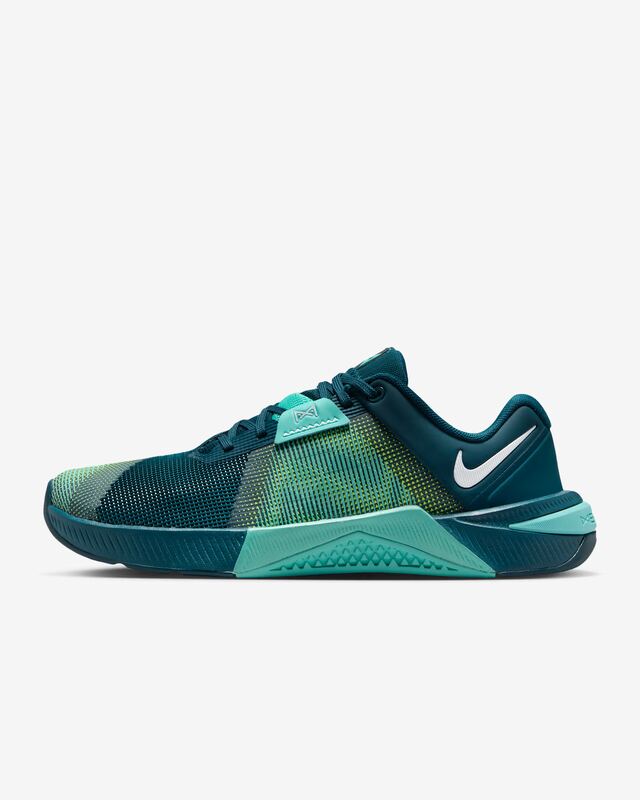
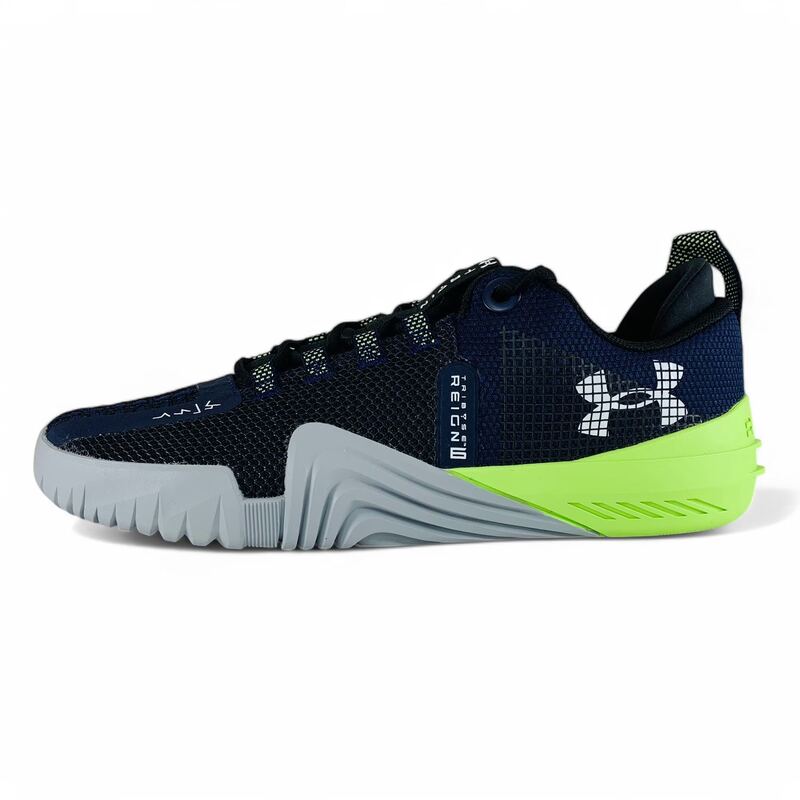
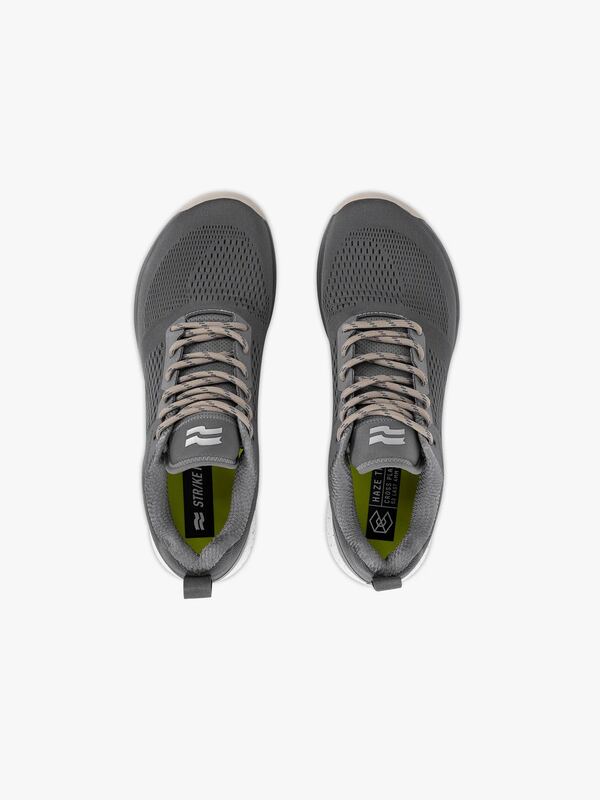
The Born Primitive Savage 1 excels in durability and wide toe box comfort, which sets it apart from the more minimalist STRIKE MVMNT Haze Trainer and the more cushioned R.A.D. One V2, and it's more bombproof than the Nike Metcon 10 for heavy lifting. However, it's not ideal for running like the Reebok Nano X5 and lacks the upper durability of the Nike Metcon 10, and its lower stack height isn't as flexible as the UA TriBase Reign 6.
Who this is for
At a glance: Minimalist lifters with wide feet.
Why you’d buy the Born Primitive Savage 1
- Good durability for CrossFit WODs.
- Wide Toe Box is great for toe splay.
- Dense midsole and lower stack height.
Why you’d skip it
- Not the best for running.
- May be too wide for narrow feet.
- Lower material at midfoot folds at times.
Rating sources
“Gear Junkie Names Savage 1 Best CrossFit Shoe of 2024”
Our 4.3 score is the average of these published ratings. Ratings marked * were derived from the reviewer’s written analysis or video transcript — the publisher didn’t print an explicit numeric score, so we inferred one from their own words. Click through to verify. More about methodology.