The BOOX Palma 2 is a pocket-size e-ink reader running Android, which puts it in different territory from a Kindle. Reviewers liked the size, the full Android access, and battery life measured in weeks, with one saying it's easier to carry than their Kindle Paperwhite and more useful on the road. Android 13 and the Play Store are on board, so apps and customization are open to you. Working against it: limited RAM, a slow fingerprint reader, and software that's already behind and won't be updated. Readers who want Android flexibility should look; those who need current OS features or more speed shouldn't.
Full review
Size and Portability
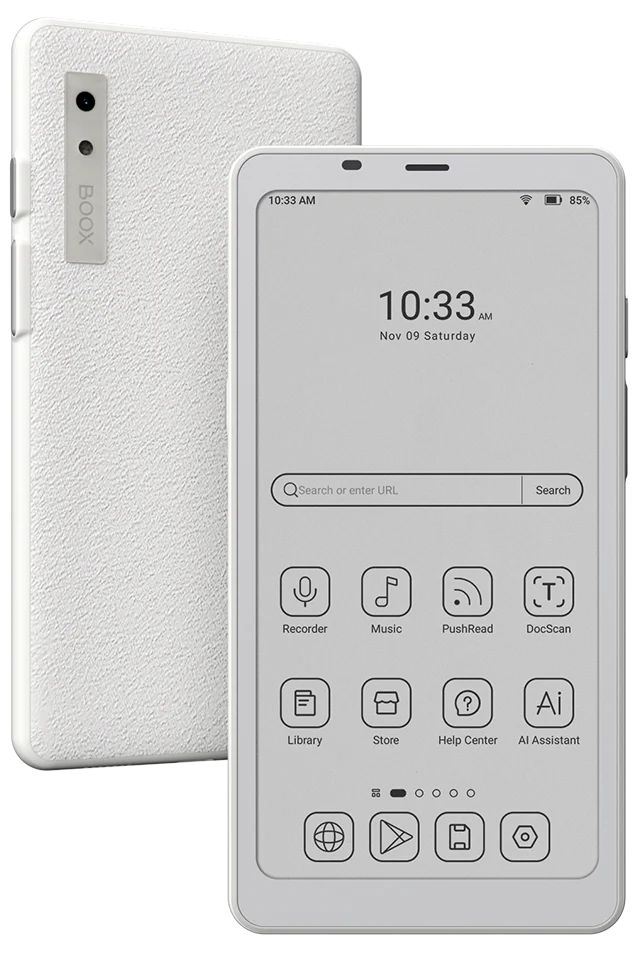
The Boox Palma 2's compact dimensions of 159mm x 80mm make it significantly more pocketable than traditional e-readers like the Kindle Paperwhite, which measures 174mm x 125mm. This smaller footprint translates to a device that fits easily into pants pockets, making it ideal for commuters and travelers. Reviewer Rita El Khoury from Android Authority noted that she took the Palma 2 on a subway trip to Budapest, slipping it into her pocket before boarding and using it during the journey. The 170g weight is notably lighter than the Kindle Paperwhite's 205g, contributing to its portability. Dan Finnen from Dan Finnen emphasized that the narrow shape makes it easier to hold and eliminates the need for two-handed operation, which he found particularly beneficial for his Carpal Tunnel pain. The device's phone-sized form factor allows it to be carried without the fuss of a backpack or case, as noted by both reviewers.
The Palma 2's size also impacts reading ergonomics. While the 6.13-inch screen is smaller than the Kindle Paperwhite, reviewers found it more comfortable for extended reading sessions. The device's build quality, with a textured back and plastic construction, provides a forgiving grip that reduces the risk of dropping during use. The device's dimensions are optimized for single-handed operation, a feature that sets it apart from larger e-readers. However, the smaller screen does mean less text per page, which some users might find limiting for certain reading styles. The device's compact size also makes it suitable for users who struggle with larger devices, as noted by overkill.wtf reviewer who found it ideal for reading more frequently than their previous Kindle.
Display and Reading Experience
The Palma 2 features a 6.13-inch HD Carta e-ink screen with 300 PPI resolution, which provides crisp text rendering and is well-suited for extended reading sessions. Rita El Khoury from Android Authority highlighted that the display is easily readable outdoors, a feature that sets it apart from traditional e-readers. The device offers two frontlight modes—cool and warm—with the ability to manually mix them for custom color temperature. This flexibility allows for personalized reading experiences, with some users preferring the warmer settings for bedtime reading. The screen also features anti-reflective glass that enhances outdoor readability, as noted by both Dan Finnen and overkill.wtf reviewers.
The display's refresh rate and ghosting issues have been addressed through Boox's software optimizations. The device includes a dedicated button to refresh the screen and eliminate ghosting, a common issue with e-ink displays. The screen's DC-powered flicker-free front light, as opposed to PWM used by LCD and OLED displays, reduces eye strain for extended reading sessions. The Palma 2's screen brightness and contrast levels have been tested and found to be adequate for most reading environments. However, some reviewers noted that the screen's backlighting is slightly less 'white' than the Kindle Paperwhite, with a slight greyish undertone that some find reminiscent of recycled paper. Despite this, the screen quality remains competitive with other e-readers in its class, offering a comfortable reading experience for most users.
Software and Android Integration
The Palma 2 runs Android 13, providing full access to the Google Play Store and enabling users to install a wide range of applications. This Android integration is one of the device's strongest features, as it allows users to customize their reading experience beyond traditional e-readers. Rita El Khoury from Android Authority noted that the device offers full access to the Play Store and Android apps, which she found more versatile than the Kindle's limited ecosystem. The device's software is heavily customized by Boox, with dedicated settings to configure apps for e-ink screens. Users can customize refresh modes, color enhancements, and font settings for individual applications, which enhances the overall reading experience. The OS skin does an okay job of theming Android to work with e-ink quirks, though some reviewers noted it requires time to customize.
The Android integration allows for extensive customization options, including mapping volume buttons to scroll text up and down, which is particularly useful for reading articles. The device also includes a smart button on the left side that can be customized for short press, double-click, and long press functions. However, the software's complexity and learning curve have been noted as drawbacks by some users. Dan Finnen from Dan Finnen mentioned that the OS skin does require time to customize, and the device is more stable when Wi-Fi is off. The version of Android 13 is considered somewhat outdated, with no indication of future updates, which could pose security risks over time. Despite this, most apps function adequately, and the device's performance remains stable for reading tasks. The lack of Google apps like Gmail or YouTube is intentional, as these apps are not optimized for e-ink screens, though users can install them manually.
Week-plus battery that drains faster with more apps
Battery life is one of the Palma 2's standout features, with reviewers reporting that it can last several weeks on a single charge under light daily use. The device's battery performance has been consistently praised, with users noting that it lasts for weeks even with heavy usage. The device's Android-based system does not drain the battery as quickly as smartphones, contributing to its longevity. Rita El Khoury from Android Authority noted that the Palma 2's battery lasts a week on a charge, which she found sufficient for her reading habits. The device's performance is enhanced by its 128GB of integrated memory and microSD slot, allowing for extensive storage of books and applications. The device's CPU performance has been tested and found to be adequate for reading tasks, with some reviewers noting that it handles multitasking well. However, the device's performance can be affected by the number of installed applications, with users reporting increased battery drain when adding more apps.
The device's performance is also influenced by its hardware specifications, including 6GB of RAM and a 16-megapixel camera. While the RAM is considered modest by modern standards, it is sufficient for the device's intended use. The device's processor is optimized for reading tasks, with some reviewers noting that it handles reading applications smoothly. The device's performance is further enhanced by its optimized software, which reduces unnecessary background processes and improves overall efficiency. However, the device's Android 13 version is considered outdated, which could affect long-term compatibility with newer applications. Despite this, most users report that the device's performance remains stable for reading and basic applications. The device's performance is also affected by its screen refresh rate, which is optimized for reading but not for video or gaming applications.
Case auto-wakes the display when opened
The Palma 2's build quality is characterized by its plastic construction, which provides a rugged and practical feel. The textured back surface offers a forgiving grip and reduces the risk of dropping during use. The device's plastic build also contributes to its lightweight design, making it easy to carry around. The device's dimensions are optimized for portability, with a 6.13-inch screen that is smaller than traditional e-readers but still large enough for comfortable reading. The device's design is intentionally unpretentious, with a focus on practicality rather than aesthetics. The device's plastic construction also means it is less prone to scratches and damage compared to glass or metal devices. The device's design is well-suited for handheld use, with a balanced weight distribution and a comfortable form factor.
The Palma 2's design also includes several practical features, such as a fingerprint sensor located on the power button, which enhances security and convenience. The device also includes a protective case that can auto-wake the display when opened, which is particularly useful for pocket-sized devices. The device's protective case is designed to enhance usability and portability, with a design that allows for easy access to the screen and buttons. The device's overall design is practical and functional, with a focus on usability rather than visual appeal. The device's screen is protected by anti-reflective glass, which enhances outdoor readability and reduces glare. The device's design also includes a two-speaker array and a microphone, which provide audio capabilities for multimedia applications. However, the device's audio capabilities are limited, as it is primarily designed for reading rather than multimedia consumption.
Convinced a reviewer to ditch her Kindle
Reviewers consistently praised the Palma 2's portability and versatility, with Rita El Khoury from Android Authority noting that she ditched her Kindle Paperwhite for the Palma 2 after using it for a month. The device's small size and lightweight design make it ideal for carrying in pockets, which she found particularly beneficial for her travel habits. The device's Android integration allows users to install a wide range of applications, including KOReader, which has been described as a 'killer app' for reading. The ability to customize the reading experience through font settings, refresh rates, and color enhancements has been widely appreciated. The device's screen quality and outdoor readability have also been highlighted as major strengths, with reviewers noting that it is easily readable in bright daylight. The device's battery life has also been praised, with users reporting that it lasts several weeks on a single charge, even with heavy usage.
The Palma 2's customization options have been particularly appreciated by reviewers, with the ability to map volume buttons to scroll text up and down, and customize the smart button for different functions. The device's dedicated settings for apps allow users to optimize their reading experience, which is especially useful for applications not originally designed for e-ink screens. The device's screen refresh rate and ghosting elimination features have also been noted as valuable additions. The device's ability to run Android apps has been highlighted as a major advantage over traditional e-readers, which are limited to their own ecosystems. The device's performance with reading applications like KOReader and Readwise Reader has been praised, with users noting that these apps function seamlessly on the device. The device's overall design and build quality have also been appreciated, with reviewers noting that it feels durable and practical.
Runs on an already-outdated Android 13
The device's 6GB of RAM is considered slow and unreliable by some users, particularly when running multiple applications simultaneously. The fingerprint reader has been described as slow and unreliable, which can be frustrating for users who rely on it for authentication. The device's Android 13 version is outdated, with no indication of future updates, which could pose security risks over time. The device's screen, while functional, is slightly less 'white' than the Kindle Paperwhite, with a greyish undertone that some find unappealing. The device's small screen size means less text per page, which can be limiting for users who prefer larger displays. The device's performance can also be affected by the number of installed applications, with users reporting increased battery drain when adding more apps. The device's lack of Google apps like Gmail or YouTube is intentional, but some users find it limiting.
The device's software customization, while powerful, can be complex and time-consuming for users who are not tech-savvy. The device's Android integration, while beneficial, also means it is more susceptible to compatibility issues with newer applications. The device's outdated Android version could lead to compatibility problems in the future, as app developers may stop supporting older versions. The device's screen refresh rate, while optimized for reading, is not suitable for video or gaming applications. The device's overall design, while practical, lacks aesthetic appeal compared to more premium devices. The device's performance with multimedia applications is limited, as it is primarily designed for reading. The device's lack of a stylus storage compartment is also a notable omission for users who prefer handwriting or drawing applications.
Built for readers who travel light
The Palma 2 is best suited for readers who prioritize portability and versatility over traditional e-reader features. It's ideal for users who travel frequently, commute often, or prefer reading on-the-go. The device's phone-sized form factor makes it perfect for users who want to carry an e-reader without the bulk of larger devices. Rita El Khoury from Android Authority noted that she found the device more portable and versatile than her Kindle Paperwhite, which she used primarily at home. The device is also well-suited for users who want to customize their reading experience, as the Android integration allows for extensive customization of reading applications. The device is particularly appealing to users who enjoy reading articles, managing reading lists, or using reading applications like KOReader and Readwise Reader. The device's ability to run Android apps makes it suitable for users who want a device that can handle more than just reading tasks.
The Palma 2 is not ideal for users who prioritize screen size or multimedia capabilities. Users who prefer larger screens for reading or who frequently use video or gaming applications will find the device limiting. The device's small screen size and lack of a stylus storage compartment may also be drawbacks for users who prefer handwriting or drawing applications. The device's outdated Android version and slow fingerprint reader may also be deterrents for users who value the latest technology or security features. The device is also not recommended for users who want a device that can function as a full smartphone, as it lacks many of the features that make smartphones useful. The device is best suited for users who want a dedicated reading device that can also handle basic applications and customization options.
Strengths
- +Runs Android 13 with full access to Google Play Store and sideloading capabilities
- +Week-long battery life with optimized e-ink display readable in bright sunlight
- +Highly customizable Boox software with extensive display and app settings
Watch-outs
- −Based on outdated Android 13 with no planned updates
How it compares
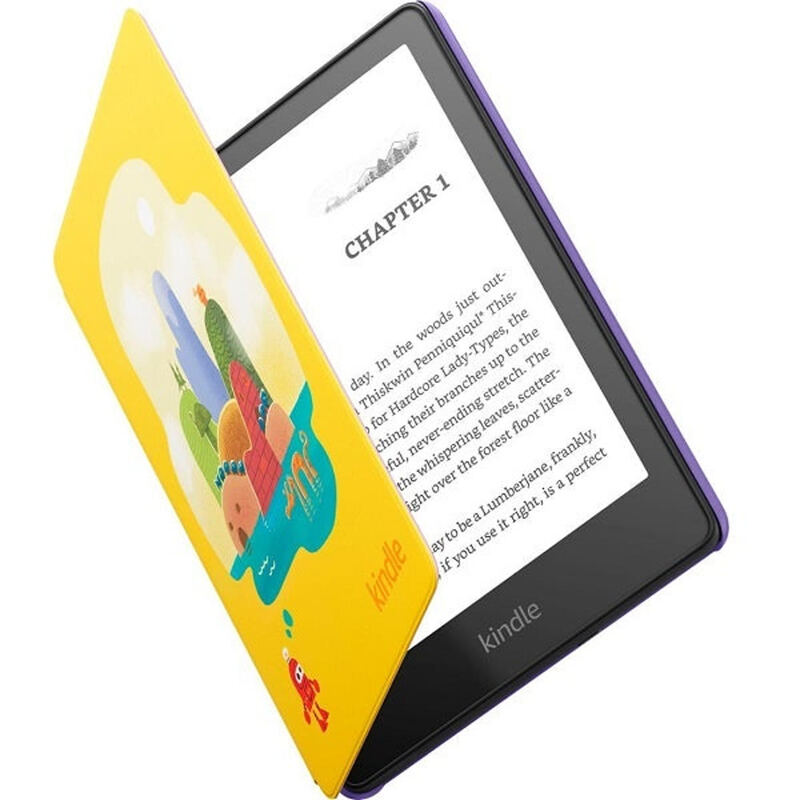
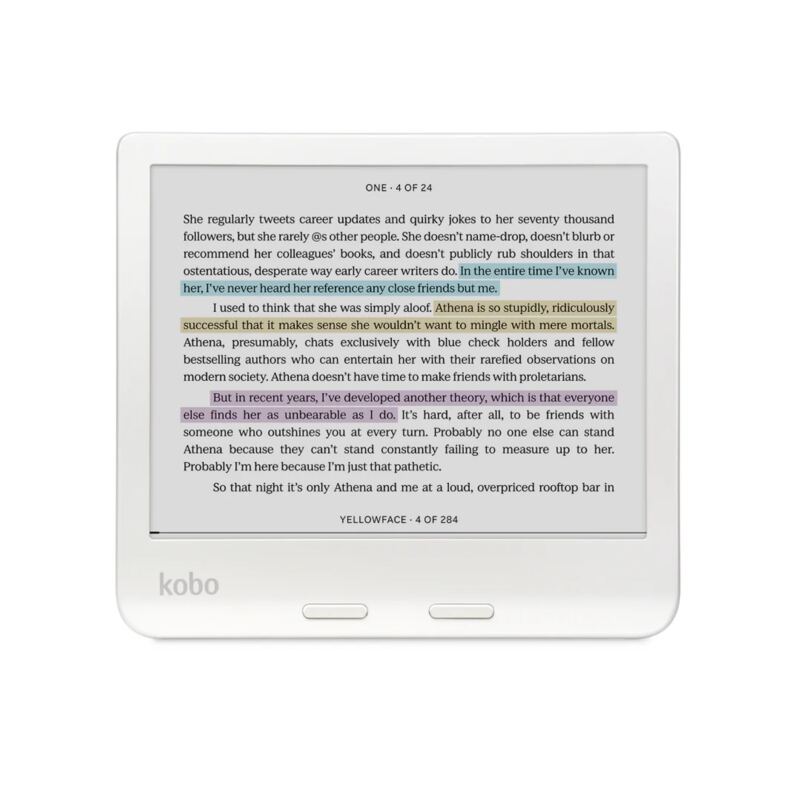
While the Boox Palma 2 offers Android 13 access and full Play Store integration, it lacks the battery life of the Kindle (2024) and the color display of the Kobo Libra Colour. Unlike the reMarkable Paper Pro, it doesn't offer a paper-like writing experience, but it's more portable and versatile for general Android use. The Kindle Paperwhite Kids is more focused on children's reading, while the Palma 2 is better for users wanting Android flexibility.
Rating sources
Counts as 4.71/5 in our score — this publisher's 10 scores on the site average 3.85, so its scores are adjusted up to compare fairly with other publishers.
“I love this poorly optimized, goofy gadget. The Boox Palma is a lightweight, plastic smart device (basically a phone with no sim card) that happens to have a fantastic e-ink screen.”
Our 4.7 score is the average of the 1 scored review above, each adjusted for how strictly its publisher scores; 1 more reviewed it without printing a score and is not in the average. More about methodology.