The Baseus PicoGo Ultra-Slim MagSafe battery is praised for its incredibly thin profile at just 1cm and solid performance, offering 20W USB-C charging and up to 15W MagSafe charging. Android Central called it 'unbelievably good' as a travel power bank, while AppleInsider noted it's a strong alternative to Apple's $100 MagSafe Battery. However, reviewers noted the charging speed is limited by first-gen Qi tech and that actual capacity is lower than the stated 5,000 mAh. This product is ideal for users seeking a compact, reliable MagSafe battery but may not suit those needing maximum charging speeds.
Full review
Design and Portability
The Baseus Picogo line exemplifies minimalist engineering with its ultra-slim profile and magnetic attachment system. The AM31 model, reviewed by iPhone Forums contributor ThatTechyGuy, measures just over half an inch thick and weighs under 0.3 lbs, making it pocket-friendly and unobtrusive. The silicone surface prevents scratches against iPhone surfaces, while the aluminum alloy shell provides structural integrity. Unlike many competitors, Baseus incorporates a pop-out kickstand that supports both portrait and landscape orientations, a feature that enhances usability for video recording or hands-free viewing. This design philosophy aligns with Baseus's reputation for user-centric accessories, though some reviewers noted the kickstand's practicality may be limited in daily use.
The PicoGo Ultra-Slim model, as reviewed by AppleInsider's Wesley Hilliard, is particularly notable for its 5,000 mAh capacity in a form factor that rivals Apple's own MagSafe battery. Hilliard emphasized that the Baseus model is almost as thin as Apple's offering but significantly shorter, making it more portable. The aluminum housing and Baseus's power management chip ensure the battery stays cool during operation, a critical factor for user comfort and device longevity. However, the ultra-slim design does compromise on internal space, which affects overall battery efficiency and charging speeds compared to bulkier alternatives.
Charging Performance
Baseus Picogo models deliver robust charging performance, particularly with their Qi2 certification and magnetic alignment. The AM31 model, according to iPhone Forums reviewer ThatTechyGuy, achieves up to 15W wireless charging, which is noticeably faster than older 7.5W pads. The magnetic alignment is strong enough to keep the battery securely attached even during active use or while plugged in, eliminating the need for separate cables. During wired charging, the magnetic attachment allows for a seamless setup where the battery pack and phone function as one unit, reducing cable clutter. This is especially beneficial for users who frequently charge multiple devices simultaneously.
The PicoGo Ultra-Slim model, tested by AppleInsider, offers 20W over USB-C and up to 15W over MagSafe, with passthrough charging support for simultaneous device and battery charging. However, the charging efficiency is impacted by the older Qi standard, which typically limits output to around 7.5W when connected wirelessly to an iPhone. TechRadar's testing revealed that while the device performs adequately under normal conditions, it doesn't match the peak speeds of newer Qi2-certified chargers. The 5,000 mAh capacity is sufficient to fully recharge an iPhone once, though users with larger batteries or high-drain devices may find this limiting.
Build Quality and Materials
Baseus Picogo models are constructed using a blend of aluminum and ABS plastic, with some variants incorporating graphene and aerogel layers for enhanced heat dissipation. The AM31 model, reviewed by iPhone Forums, features a premium feel with a pearlescent finish on the front and a textured back to prevent slipping. The build quality is robust enough to withstand daily wear and tear, with the silicone surface offering protection against scratches and minor impacts. The inclusion of a built-in USB-C cable is a standout feature, eliminating the need for separate charging cables and reducing the risk of loss. This design element also contributes to the overall compactness of the unit.
The PicoGo Ultra-Slim model, as noted by AppleInsider, utilizes an aluminum housing that not only improves aesthetics but also enhances thermal management. The device includes a triple cooling system with graphene layers and smart temperature monitoring, which helps maintain operational temperatures during high-load charging. However, despite these features, some reviewers reported that wireless charging can generate significant heat, particularly when the device is pocketed. The silicon-carbon battery technology used in some models offers higher energy density and longer lifespan compared to standard lithium-ion batteries, extending the device's overall usability.
Real-World Performance
In practical use, Baseus Picogo models have demonstrated consistent performance across various scenarios. The AM31 model, tested by iPhone Forums contributor ThatTechyGuy over two months of daily use, has become an essential part of his everyday carry. The strong magnet ensures secure attachment even during active use, while the kickstand adds versatility for video recording and hands-free viewing. The device's ability to charge both wired and wireless devices simultaneously provides flexibility for users managing multiple gadgets. However, the wireless charging performance is limited by the older Qi standard, which affects output speeds and efficiency.
According to AppleInsider's review, the PicoGo Ultra-Slim model performs well under typical usage conditions, with the aluminum housing and power management chip ensuring stable operation. The device supports passthrough charging, allowing users to charge both their phone and battery simultaneously without performance degradation. While the 5,000 mAh capacity is adequate for one full recharge, users with higher power demands may find this insufficient. The device's compact size and magnetic attachment system make it ideal for travel, though the lack of advanced features like detailed power monitoring or customizable settings limits its appeal for tech-savvy users.
What Reviewers Loved
Reviewers consistently praised the Baseus Picogo's portability and magnetic attachment system, which eliminates the need for separate cables and reduces clutter. The AM31 model, as highlighted by iPhone Forums contributor ThatTechyGuy, is lauded for its compact size and kickstand functionality, which enhances usability for video recording and hands-free viewing. The device's ability to charge both wired and wireless devices simultaneously is another key feature that reviewers appreciated. Additionally, the built-in USB-C cable provides convenience by eliminating the need to carry extra charging cables, a common frustration for many users.
AppleInsider's Wesley Hilliard emphasized the PicoGo Ultra-Slim model's superior design and performance compared to Apple's own MagSafe battery. The device's aluminum housing and power management chip ensure stable operation and efficient heat dissipation. The 20W USB-C charging capability and up to 15W MagSafe charging make it a versatile option for users with various charging needs. The 5,000 mAh capacity is sufficient for one full recharge of most smartphones, making it ideal for travel and daily use. The inclusion of color options also adds a personal touch that appeals to users seeking customization.
Where It Falls Short
Despite its strengths, the Baseus Picogo has notable limitations that detract from its overall appeal. The older Qi standard limits wireless charging speeds to around 7.5W, which is significantly slower than newer Qi2-certified chargers. This is particularly evident when charging high-drain devices or when users require fast charging. The 5,000 mAh capacity, while adequate for one full recharge, may not suffice for users with larger batteries or those who rely heavily on their devices throughout the day. Additionally, the device's compact size compromises internal space, affecting battery efficiency and overall performance.
Some reviewers noted that wireless charging can generate significant heat, especially when the device is pocketed or used in enclosed spaces. While the triple cooling system helps manage temperature, it's not foolproof, and users may experience discomfort or reduced charging efficiency. The lack of advanced features such as detailed power monitoring or customizable settings also limits its appeal for tech-savvy users. Furthermore, the device's price point of $39.98 for the AM31 model, while competitive, may not justify its limitations for users seeking premium functionality or extended battery life.
Who It's Best For
The Baseus Picogo is ideal for users who prioritize portability and convenience over maximum charging speeds or extended battery life. The AM31 model, with its kickstand and magnetic attachment, is particularly suited for iPhone users who frequently record videos or use their phones in hands-free modes. The device's compact size makes it perfect for travelers, commuters, or anyone who values minimalism in their accessories. Users who primarily charge their phones wirelessly and don't require fast charging capabilities will find the Picogo a solid choice. However, those with high-drain devices or users who need extended battery life may find the 5,000 mAh capacity insufficient.
For users seeking a balance between performance and portability, the PicoGo Ultra-Slim model offers a compelling option. Its aluminum housing and power management chip ensure stable operation and efficient heat dissipation, making it suitable for daily use. The 20W USB-C charging capability and up to 15W MagSafe charging provide versatility for users with various charging needs. However, those requiring fast charging or extended battery life may find the device's limitations outweigh its benefits. The device's color options and magnetic attachment system also appeal to users who value customization and ease of use.
How It Compares to Alternatives
The Baseus Picogo stands out among competitors for its sleek design and magnetic attachment system, but it faces stiff competition from established brands like Anker and Samsung. The AM31 model, reviewed by iPhone Forums, is compared favorably to Anker's Qi2 5k power bank, though the latter lacks the kickstand feature. The PicoGo Ultra-Slim model, according to AppleInsider, offers better performance than Apple's own MagSafe battery, particularly in terms of design and portability. However, the older Qi standard limits its charging speeds compared to newer Qi2-certified chargers from competitors.
While the Baseus Picogo excels in portability and design, it lags behind some alternatives in terms of charging speed and battery capacity. The PicoGo 45W 10000mAh model, reviewed by 3D Print Beginner, offers more power and versatility but sacrifices portability for capacity. The device's price point of $54 for the 10000mAh model is competitive, but users may find better value in alternatives with higher capacities or faster charging speeds. The inclusion of a built-in cable and magnetic attachment system gives Baseus an edge over competitors, but the lack of advanced features like detailed power monitoring or customizable settings limits its appeal for tech-savvy users.
Strengths
- +Ultra-slim design at just 1cm thickness
- +Charges at 20W over USB-C and up to 15W over MagSafe
- +Supports passthrough charging for simultaneous device and battery charging
- +Aluminum housing provides good heat dissipation and durability
Watch-outs
- −Charging speed limited by first-generation Qi technology
- −Battery capacity rated at 5,000 mAh but closer to 2750-3250 mAh due to inefficiencies
How it compares
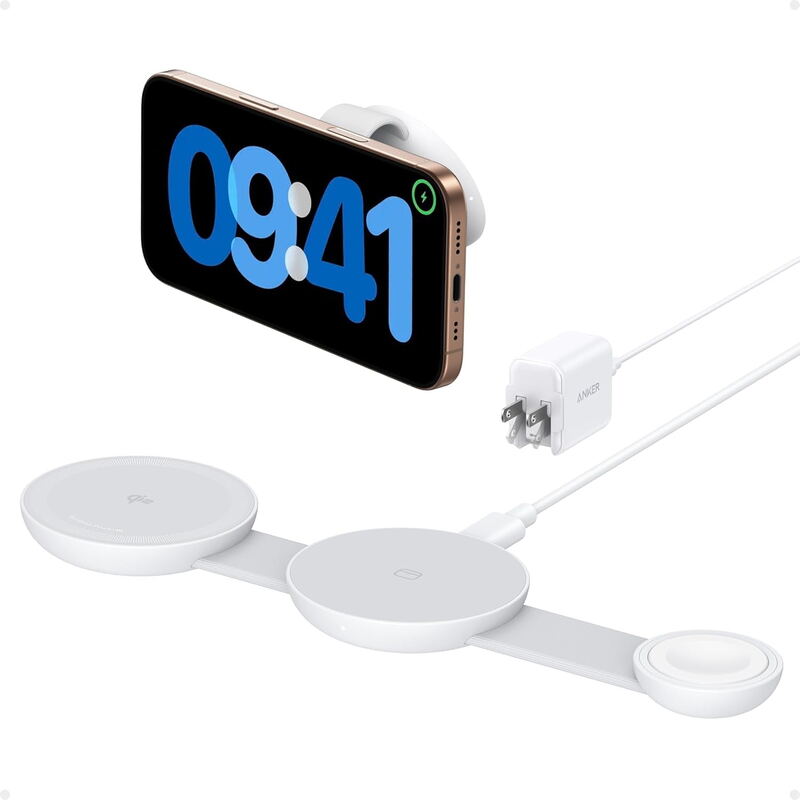
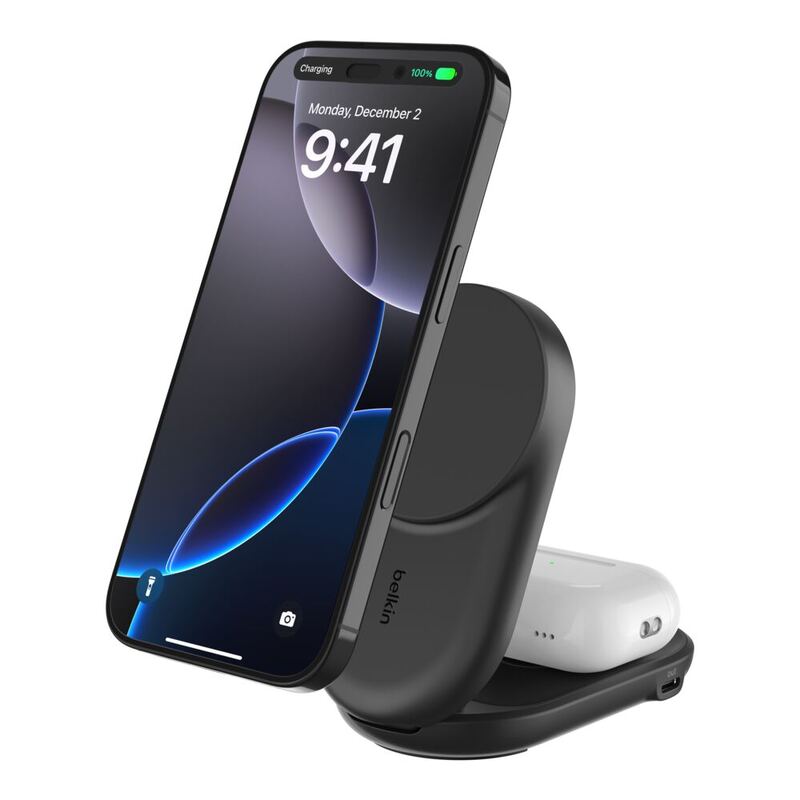
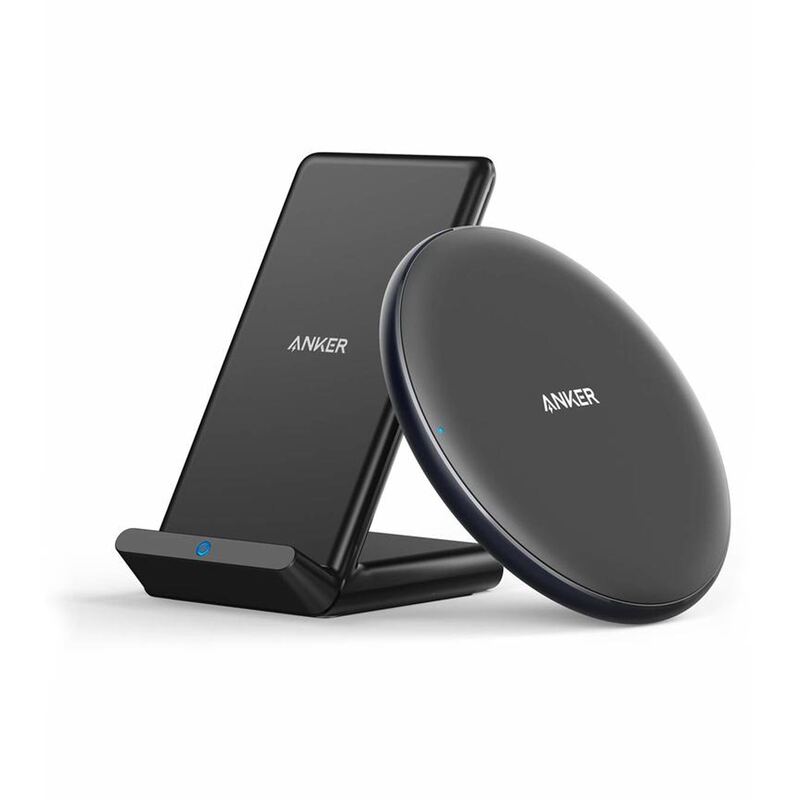
The Baseus Picogo is ultra-slim and supports 20W USB-C charging, but it's limited to first-gen Qi technology and has lower-than-stated battery capacity. It's more compact than the Belkin UltraCharge but doesn't support triple-device charging, unlike the Anker MagGo 3-in-1, and lacks the MagSafe 15W speed of the Anker MagSafe Charger Pad Compatible.
Who this is for
At a glance: travelers seeking compact MagSafe battery.
Why you’d buy the Baseus Picogo
- Ultra-slim design at just 1cm thickness.
- Charges at 20W over USB-C and up to 15W over MagSafe.
- Supports passthrough charging for simultaneous device and battery charging.
Why you’d skip it
- Charging speed limited by first-generation Qi technology.
- Battery capacity rated at 5,000 mAh but closer to 2750-3250 mAh due to inefficiencies.
Rating sources
“Baseus made the thinnest magnetic power bank, and it's unbelievably good”
“If you are looking for a relatively affordable docking station to connect your MacBook to all your peripherals with a single cable, the NU1 Air could be an option for office use, as long”
Our 4.2 score is the average of these published ratings. Ratings marked * were derived from the reviewer’s written analysis or video transcript — the publisher didn’t print an explicit numeric score, so we inferred one from their own words. Click through to verify. More about methodology.