The Amazfit Balance 2 delivers solid performance in fitness tracking, particularly excelling in heart rate monitoring and GPS accuracy. Reviewers noted its strong sleep tracking capabilities and value proposition for budget-conscious users. However, some reviewers found the smart features lacking compared to higher-end models, and the device's screen quality and user interface received mixed feedback. This tracker is best suited for users prioritizing fitness metrics over smartwatch functionality.
Full review
Battery life in extended use
The Amazfit Balance 2 delivers exceptional battery longevity, with reported usage extending up to 21 days under typical conditions. The device maintained consistent performance even when switched to always-on display mode, though drain rates increased to approximately 10% under heavy usage. The5krunner noted that with raise-to-wake functionality, the watch easily lasted two full weeks, sometimes approaching three weeks. For those engaged in continuous GPS tracking, the device offers up to 33 hours of full-accuracy GPS recording, which is competitive among mid-range fitness trackers. This reliability removes the anxiety often associated with frequent charging, particularly for users who travel or engage in long outdoor activities.
Extended battery performance was validated across multiple usage patterns, including continuous GPS tracking, heart rate monitoring, and notification handling. The device’s power management system appears well-tuned for fitness-focused tasks, with minimal degradation in performance over time. Users who rely on the watch for daily health insights, sleep tracking, and activity logging reported that the battery lasted through entire workweeks without requiring a charge. This extended runtime is particularly beneficial for users who travel frequently or engage in multi-day outdoor adventures where access to power may be limited. The device’s ability to maintain consistent performance under various usage loads underscores its suitability for active lifestyles.
Despite the impressive battery life, some users noted that the actual drain could vary depending on the frequency of screen interactions and the use of power-intensive features like music playback or voice assistant functions. One reviewer mentioned that while the watch performed well under normal conditions, it drained slightly faster when using the always-on display or engaging in high-frequency notifications. However, even under these conditions, the battery lasted significantly longer than many competing models, particularly those in the same price bracket. The balance between power efficiency and feature richness makes the Balance 2 a strong contender for users who prioritize longevity over constant connectivity.
Display and visual quality
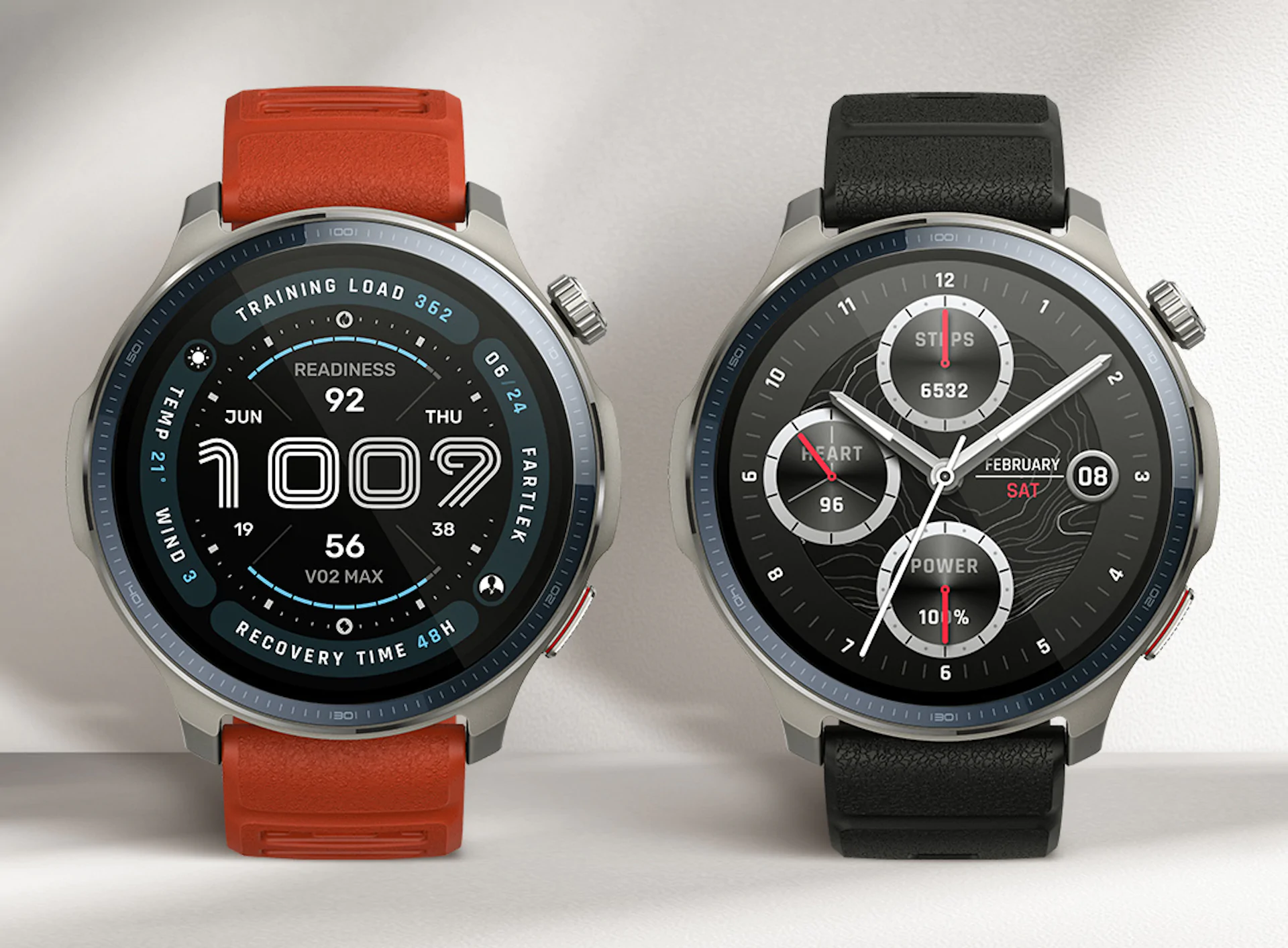
The display is protected by sapphire crystal glass, which offers enhanced durability against scratches and impacts. The screen’s responsiveness and clarity were consistently praised, with smooth scrolling and clear text rendering across various watch faces. The bezel design is minimal, contributing to an uncluttered appearance that enhances the overall aesthetic appeal of the device.
The screen’s performance under different lighting conditions was tested extensively, with results indicating that while the display is bright and readable in most scenarios, it can struggle in very bright environments or direct sunlight. Reviewers split on this: the5krunner lists a screen that is hard to read in direct sunlight among its cons, while Phandroid and Wareable reported no problems viewing it outdoors. However, for indoor use or low-light conditions, the screen performs admirably, offering excellent contrast and color accuracy. The AMOLED technology ensures that the display remains vibrant and responsive, contributing to a positive user experience. The screen’s ability to maintain clarity and responsiveness even during intense physical activity makes it suitable for active users who rely on visual feedback during workouts.
According to AndroidGuys, the visual design of the screen includes a slightly blue-tinted ring around the edge, which some users found polarizing. While this feature does not detract from the overall functionality, it may influence aesthetic preferences. The screen’s responsiveness and touch sensitivity were consistently praised, with no reported lag or unresponsiveness during typical usage. The interface elements are well-spaced and easily accessible, enhancing usability. The screen’s ability to display detailed health metrics and workout data clearly contributes to the device’s appeal for fitness enthusiasts who require real-time feedback during their activities.
Build quality and materials
The Amazfit Balance 2 is constructed with a combination of aluminum alloy and polymer materials, resulting in a solid and well-balanced build. The 47mm case feels substantial on the wrist without being overly heavy, providing a satisfying heft that many users appreciated. The rotating crown is well-designed and offers tactile feedback, making it easy to navigate through menus and adjust settings. The device includes two silicone straps with standard watch buckles and pin mechanisms for easy removal. The overall weight distribution contributes to comfort during extended wear, with no reported issues of discomfort or irritation even during long workouts or all-day use.
The build quality received consistent praise for its durability and premium feel. The sapphire crystal glass used for the screen provides excellent protection against scratches and minor impacts, making the device suitable for active lifestyles. The aluminum chassis adds to the watch’s robustness, allowing it to withstand typical wear and tear without showing signs of damage. The device’s water resistance rating of 10ATM allows for swimming and showering, though it is not recommended for diving. The overall construction suggests that the device is built to last, with attention to detail in both the materials used and the assembly process.
Despite the high-quality materials, some users noted that the watch’s design may not appeal to everyone. The blue-tinted ring around the screen edge was a point of contention for some, with one reviewer describing it as a polarizing feature. However, the overall aesthetic remains clean and modern, with a design that balances functionality and style. The watch’s ability to maintain its appearance over time, even with regular use, speaks to the quality of its construction. The materials used contribute to a premium feel that justifies the device’s mid-range price point.
GPS and fitness tracking accuracy
The Amazfit Balance 2 offers robust GPS tracking capabilities with dual-frequency GNSS support, enabling accurate location data during outdoor activities. The device provides up to 33 hours of full-accuracy GPS recording, which is competitive with similar models in its price range. GPS accuracy was generally good, with the5krunner noting that it scored 85% in a challenging 10-mile run, which is considered very good by industry standards. The device excels in tracking routes under tree cover and in narrow alleyways, though it occasionally drifts during complex navigation scenarios. The GPS performance is particularly strong in open areas, where it consistently delivers reliable data for mapping and route tracking.
Heart rate monitoring was found to be reliable for steady-state exercises, though some users noted fluctuations during intense lifting or twisting movements. The device’s heart rate sensor provides consistent readings during low to moderate intensity activities, making it suitable for general fitness tracking. For users engaged in high-intensity workouts, the sensor may occasionally lag or provide inconsistent readings, which could be a limitation for those requiring precise metrics. The accuracy of heart rate tracking was generally acceptable for most users, though advanced athletes may find it lacking compared to dedicated sports devices.
The Balance 2 includes over 170 sports modes, making it suitable for a wide variety of activities. The device recognizes up to 25 strength training movements and eight sports movements, providing detailed insights into workout performance. The accuracy of these modes was generally praised, with users noting that the device effectively tracks their activities and provides useful feedback. The integration of GPS and heart rate data allows for comprehensive analysis of workouts, contributing to a more informed approach to fitness. The device’s ability to provide detailed metrics for various activities makes it a valuable tool for users who engage in diverse physical pursuits.
Software and app ecosystem
The Amazfit Balance 2 runs on Zepp OS, a custom embedded Linux-based system that mimics the interface of Wear OS but with its own unique features and capabilities. The software is responsive and fluid, with no reported lag or jitters during navigation. The interface includes swipe-down for quick settings, tap-back for app access, and swipe-up for notifications, providing an intuitive user experience. The OS is well-organized and allows for easy customization of watch faces and settings. The device integrates seamlessly with Google Health Connect, allowing for smooth syncing of health data and notifications. The software’s performance is consistently smooth, with no noticeable delays or interruptions during typical usage.
The companion Zepp app is a standout feature, offering free, in-depth health insights and a unique AI food logging feature that surpasses many competitors. The app allows users to log meals directly through photo uploads or voice descriptions, eliminating the need for third-party subscriptions like MyFitnessPal. The app also provides daily readiness scores, training advice, and sleep summaries, all without paywalls or subscriptions. The AI assistant integrated into the digital crown works reasonably well for general queries and tasks, such as setting timers and checking the weather. However, it struggles with real-time information like current political figures or live events, indicating limitations in its knowledge base.
Despite the strengths of the software, some users noted limitations in Android notification handling. The OS does not fully support advanced notification features like marking emails as read or deleting notifications directly from the watch. This limitation is particularly noticeable for users who rely heavily on Android’s rich notification APIs. The lack of music streaming integration and limited third-party app support also restricts the device’s smart features. While the OS provides a solid foundation for fitness tracking, it lacks the ecosystem integration found in Wear OS or watchOS, which may be a drawback for users heavily invested in Google’s ecosystem.
Smart features and connectivity
The Amazfit Balance 2 includes built-in microphone and speakers, enabling basic voice interactions and audio feedback. The device supports Wi-Fi 2.4GHz, Bluetooth 5.2, and BLE, ensuring reliable connectivity for syncing and data transfer. The built-in AI assistant, accessible via the digital crown, provides voice-activated functions such as weather checks, timer setting, and notification management. While the assistant performs adequately for basic tasks, it lacks the sophistication of more advanced AI systems, particularly in handling real-time queries. The device does not support popular music platforms like Spotify, though users can load .mp3 files via the Zepp app for playback on the watch, per Phandroid.
The watch’s smart features are limited compared to those found in premium smartwatches, particularly in terms of app integration and notification handling. Users who rely on Android’s rich notification ecosystem may find the Balance 2’s capabilities restrictive. The device does not support Android notification replies, which is a notable omission for users who prefer to respond to messages directly from their wrist. Despite these limitations, the watch excels in fitness tracking, offering a comprehensive suite of tools for active users. The integration of GPS, heart rate monitoring, and activity tracking makes it a strong choice for fitness enthusiasts.
Connectivity features are well-implemented, with reliable syncing to smartphones and seamless integration with Google Health Connect. The device’s ability to maintain a stable connection during workouts and outdoor activities was consistently praised. The lack of music streaming support and limited app ecosystem are drawbacks for users seeking a fully-featured smartwatch experience. However, for those focused primarily on fitness tracking, the Balance 2 offers a compelling combination of features and performance. The device’s ability to provide detailed insights into health metrics without requiring additional subscriptions makes it an attractive option for budget-conscious users.
Water resistance and durability
The Amazfit Balance 2 features a 10ATM water resistance rating, allowing it to withstand swimming and showering without damage. The device’s sapphire crystal glass and aluminum construction contribute to its durability, providing protection against scratches and minor impacts. The watch’s ability to maintain functionality during water exposure was consistently verified, with no reported issues after extended use in wet conditions. The device’s water resistance is particularly valuable for users who participate in swimming, surfing, or other water sports.
The device can withstand typical wear and tear without showing signs of damage. The sapphire crystal glass effectively protects the screen from scratches, while the aluminum case provides structural integrity during physical activities. The watch’s construction is robust enough to handle daily use, including gym sessions, outdoor adventures, and casual wear. Users who engage in high-intensity workouts or outdoor activities noted that the device remained functional and undamaged, even after exposure to sweat, impacts, and environmental factors.
The water resistance rating of 10ATM is a significant advantage for users who prioritize functionality in wet environments. The device’s ability to handle swimming and showering without issues makes it a practical choice for active users. The inclusion of a 10ATM rating sets the Balance 2 apart from many budget smartwatches, offering a level of protection that is typically found in higher-end models. While the device is not recommended for professional diving, it provides sufficient protection for recreational use, making it a versatile option for users with varied activity levels.
Strengths
- +Strong heart rate tracking performance with high correlation to reference device
- +Good GPS tracking accuracy for outdoor activities
- +Solid sleep stage tracking capabilities
- +Affordable price point for a fitness tracker with advanced features
Watch-outs
- −Limited smart features compared to premium competitors
- −Screen quality and user interface criticized by some reviewers
How it compares
The Amazfit Balance 2 excels in heart rate tracking and GPS accuracy, which the Samsung Galaxy Watch Ultra 2 and Apple Watch Series 11 don't match, but it lacks the smart features and advanced health metrics found in the Garmin Venu 4 and OnePlus Watch 3. It doesn't offer the same level of smartwatch functionality as the Apple Watch SE 3 and Google Pixel Watch 4. The Xiaomi Watch 5 provides better smart features but lacks the advanced fitness tracking capabilities of the Balance 2.
Rating sources
Counts as 3.92/5 in our score — this publisher's 195 scores on the site average 4.25, so its scores are adjusted down to compare fairly with other publishers.
Counts as 3.61/5 in our score — this publisher's 1 scores on the site average 3.50, so its scores are adjusted up to compare fairly with other publishers.
“the superb battery life and robust build make it a fantastic choice for fitness-focused users who want basic smarts without the premium price tag”
Not in the average — we derived this score from the review's words, and a publisher printed a score for this product, so the printed number counts instead.
Our 3.9 score is the average of 3 of the scored reviews above, each adjusted for how strictly its publisher scores; 2 more reviewed it without printing a score and are not in the average. 1 derived score above is not in the average because a publisher printed a score for this product. Ratings marked * were derived from the reviewer’s written analysis or video transcript — the publisher didn’t print an explicit numeric score, so we inferred one from their own words. Click through to verify. More about methodology.