Verdict
Head-to-head · Best Vlogging Cameras Under $1000

Fujifilm X-M5 vs Sony ZV-E10 II

Which is the better buy? Side-by-side on rating, price, strengths, and watch-outs — with the published ratings we averaged to get there.

The short answer

Sony ZV-E10 II comes out ahead by a narrow margin (4.4 vs 4.5). The gap is mostly about Aspiring YouTubers and creators who want the best autofocus under $1000 and plan to invest in lenses over time. — read the strengths below before deciding.

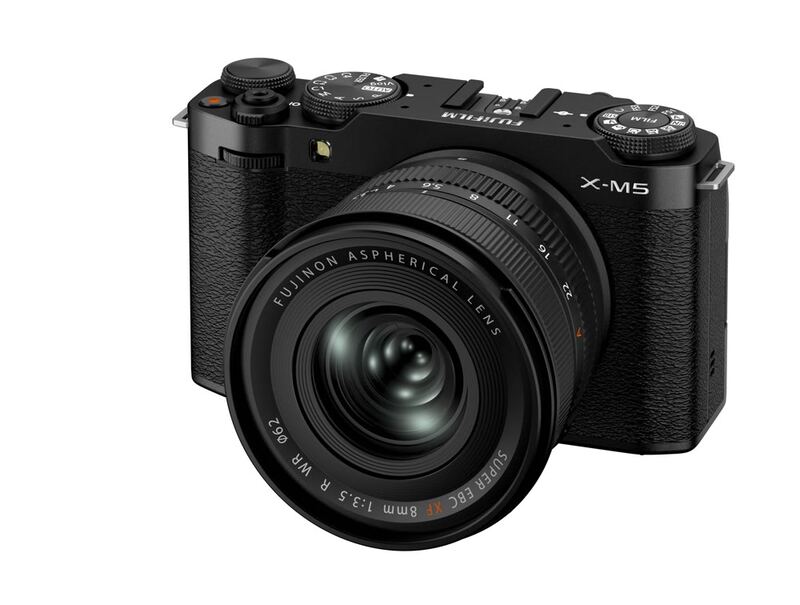
Fujifilm X-M5
Ranked #4 in Best Vlogging Cameras Under $1000
Fujifilm X-M5
$899as of Jul 1

The Fujifilm X-M5 is the best-value video-focused interchangeable-lens camera under $1000. It delivers open-gate 6.2K/30p 10-bit recording and 4K/60p in a body that weighs almost nothing, plus Fujifilm's celebrated color profiles. The compromises are no IBIS and no viewfinder, and its autofocus is a step behind Sony's for face-tracked vlogging.

Strengths
  • Open-gate 6.2K/30p 10-bit video from the full 3:2 sensor for reframing and vertical exports
  • 4K up to 60fps for half-speed cinematic slow motion
  • Extremely light and compact at under 500g even with the kit zoom
Watch-outs
  • No in-body image stabilization, so handheld footage needs a gimbal or steady hands
  • No electronic viewfinder
  • Uses the older-generation 26MP X-Trans sensor rather than the latest chip
Sony ZV-E10 II
Higher ratedRanked #1 in Best Vlogging Cameras Under $1000
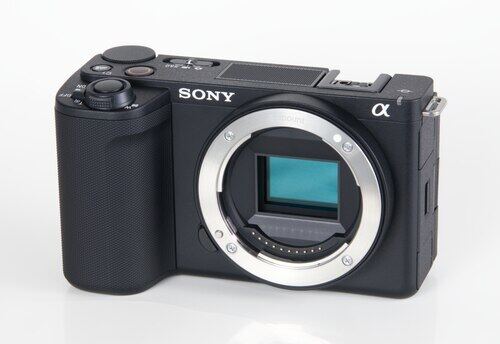
Sony ZV-E10 II
$1,298as of Jul 1

The Sony ZV-E10 II is the best all-round vlogging camera under $1000 for creators who want room to grow. It borrows the 26MP sensor and 759-point autofocus from Sony's far pricier bodies, shoots oversampled 4K/60p in 10-bit, and stays pocketable. The catch is the lack of IBIS, which means handheld walking shots lean on a cropped digital stabilizer rather than true sensor-shift correction.

Strengths
  • Best-in-class autofocus with a 759-point phase-detection system covering 94% of the frame, working down to -3EV
  • Oversampled 4K up to 60p with internal 10-bit recording and S-Log3 for serious color grading
  • Same 26MP BSI APS-C sensor as the pricier a6700 and FX30, so image quality punches above the price
Watch-outs
  • No in-body image stabilization, so handheld walk-and-talk relies on a heavy 1.33x digital crop
  • Rolling shutter is still visible in fast pans despite the faster sensor
  • A $300 price jump over the original ZV-E10 pushes it against cameras that add an EVF

How they stack up

Fujifilm X-M5

Like the Sony ZV-E10 II it is an interchangeable-lens APS-C body with no IBIS, but it adds open-gate 6.2K that the ZV-E10 II lacks while trailing it on autofocus. It is lighter and cheaper than the ZV-E10 II and far more flexible than the fixed-lens Canon PowerShot V1 and DJI Osmo Pocket 3, at the cost of handheld stabilization.

Sony ZV-E10 II

Pricier than the Fujifilm X-M5 and the gimbal-equipped DJI Osmo Pocket 3, but its autofocus is more reliable for face-tracked vlogging than either. Unlike the X-M5 it has no open-gate 6K mode, and unlike the DJI Osmo Pocket 3 and Canon PowerShot V1 it has no built-in stabilization hardware.

Specs side-by-side

SpecFujifilm X-M5Sony ZV-E10 II
Sensor26MP APS-C X-Trans CMOS26MP BSI APS-C CMOS
Video ResolutionOpen-gate 6.2K/30p, 4K/60p, 10-bit 4:2:24K up to 60p (oversampled), 10-bit 4:2:2
StabilizationDigital only (no IBIS)Digital only (no IBIS)
AutofocusAI subject-detection phase detection759-point phase detection, 94% coverage
DisplayFully articulating vari-angle touchscreen3.0-inch fully articulating touchscreen
WeightUnder 500g with kit lens377g (body)
AudioLPCM 2ch (48 kHz 16 bit), LPCM 2ch (48 kHz 24 bit), LPCM 4ch (48 kHz 24 bit)
LensE PZ 16–50 mm F3.5–5.6 OSS II
← See the full ranking of best vlogging cameras under $1000