Verdict
Head-to-head · Best Coffee Grinders Under $200

Fellow Opus vs Hario Skerton Pro

Which is the better buy? Side-by-side on rating, price, strengths, and watch-outs — with the published ratings we averaged to get there.

Verdict is reader-supported. As an Amazon Associate we earn from qualifying purchases. Some links on this page are affiliate links — if you click through and buy, we may earn a small commission at no extra cost to you. Our ratings are sourced from independent publications, not sponsors.
The short answer

Fellow Opus comes out ahead by a clear margin (4.6 vs 4.3). Fellow Opus is best for: multi-method home brewers valuing ease. Read the strengths below before deciding.

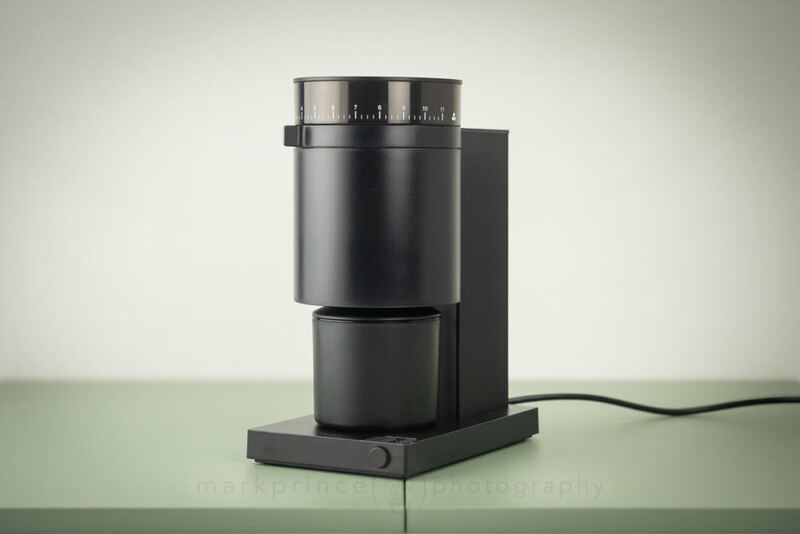
Fellow Opus
Higher ratedRanked #1 in Best Coffee Grinders Under $200
Fellow Opus
2 sources$195as of Oct 24

The Fellow Opus grinds filter coffee well enough to embarrass more expensive machines and espresso well enough to get by. WIRED scored it 9 out of 10 and Coffeeness 90 out of 100, both circling the same two things: how quiet it is and how little coffee it keeps. Anti-static treatment holds retention under 0.2g. The housing is mostly plastic, there is no portafilter holder, and the burrs run out of resolution at the finest settings.

Strengths
  • — Genuine anti-static tech delivers under 0.2g retention vs. 0.5-1.0g in comparable grinders
  • — Exceptional filter coffee performance rivaling grinders at $400-500
  • — Intuitive operation with near-zero learning curve and excellent first-use results
Watch-outs
  • — Burrs run out of resolution at the finest espresso settings, especially on light roasts
  • — Housing is mostly plastic where earlier Fellow grinders used aluminium
Hario Skerton Pro
Ranked #3 in Best Coffee Grinders Under $200
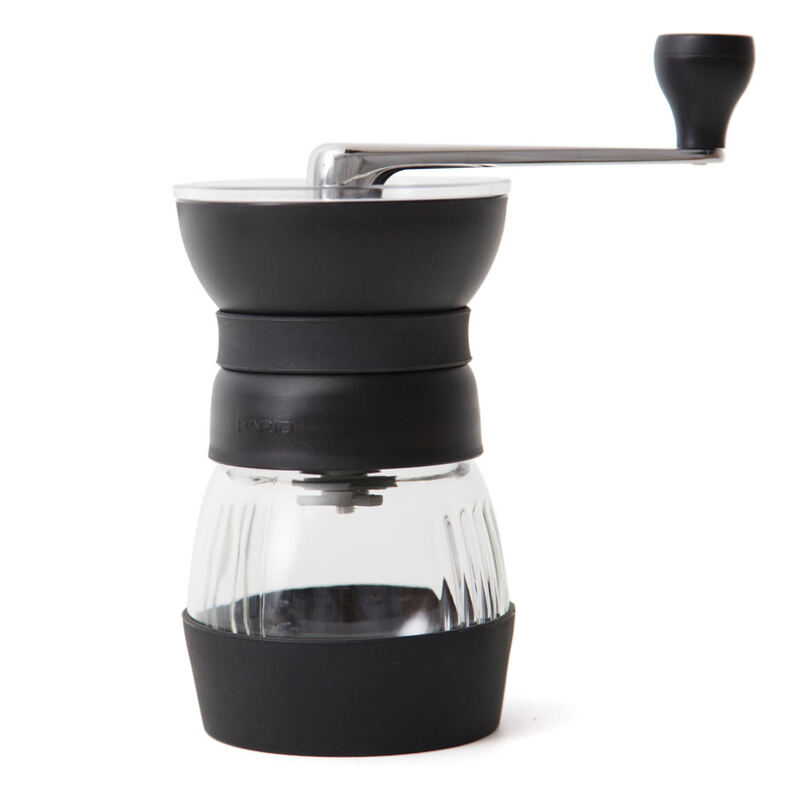
Hario Skerton Pro
3 sources$54.5as of Oct 24

The Hario Skerton Pro is a refined take on the iconic hand grinder, and it fixes much of what frustrated owners of earlier versions. Reviewers noted significantly easier grind adjustment and better build quality, crediting the new clickable dial system and the upgraded metal crank. The grinder remains fairly slow. It works as a solid entry-level manual option, but more modern rivals in the same price range, the Timemore C2 among them, outperform it. Casual coffee enthusiasts who value portability and simplicity over precision grinding are the right audience.

Strengths
  • — Improved grind adjustment system with clickable dial underneath burrs for easier coarse-fine setting changes
  • — Snug-fitting clear plastic lid replaces the previous silicone lid that was hard to secure
  • — Glass grounds bin with anti-slip rubber base for stable grinding and easy storage of ground coffee
Watch-outs
  • — No markings or numbers on the click-stepped grind dial, so dialing in a setting takes trial and error

How they stack up

Fellow Opus

The Fellow Opus offers exceptional anti-static technology and versatility that outperforms the Baratza Encore in filter coffee, but it's not as precise as the Baratza Virtuoso Plus for espresso. While it's more affordable than the 1Zpresso J-Max, it lacks the ultra-fine adjustment capabilities needed for light roast ristrettos, making it ideal for multi-method brewers prioritizing ease over precision.

Hario Skerton Pro

The Hario Skerton Pro offers improved usability over previous models with a clickable dial and metal handle, but it's slower and less consistent than the Timemore Chestnut C2 and lacks the precision of the 1Zpresso J-Max. It's more affordable than the Fellow Opus but not as versatile for espresso, making it best for those who value simplicity over performance.

Specs side-by-side

SpecFellow OpusHario Skerton Pro
Burr TypeConicalConical ceramic
Grind Settings41+ stepped settingsClick dial underneath burrs
Capacity110g100g
Burr Size41mm38 mm
MaterialPlastic housing, some metalPlastic, glass, metal
Weight1.81 kg—
← See the full ranking of best coffee grinders under $200