Verdict
Head-to-head · Best Capture Cards for Streaming

Elgato 4K X vs Elgato HD60 X

Which is the better buy? Side-by-side on rating, price, strengths, and watch-outs — with the published ratings we averaged to get there.

The short answer

Elgato 4K X comes out ahead by a narrow margin (4.6 vs 4.5). The gap is mostly about professional streamers and content creators who output 4K HDR or 4K120/144 and want HDMI 2.1 throughout — read the strengths below before deciding.

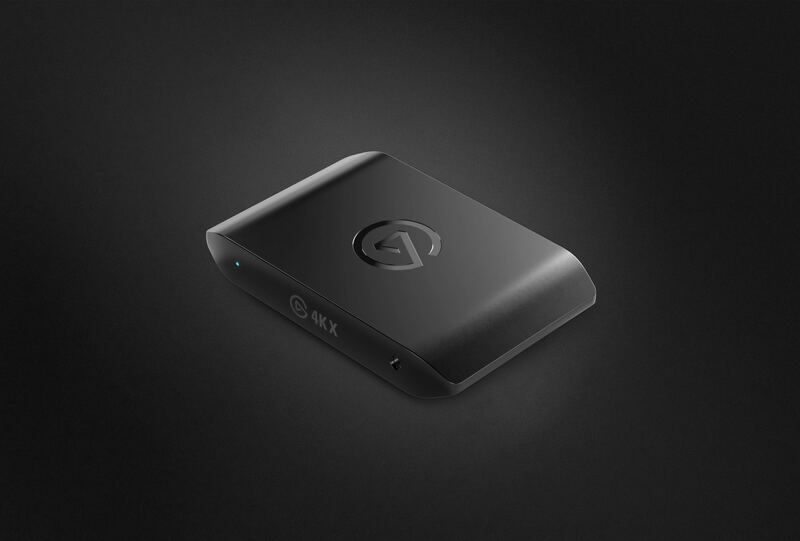
Elgato 4K X
Higher ratedRanked #1 in Best Capture Cards for Streaming
Elgato 4K X
$248as of May 19

The 4K X is what you buy when you want zero compromises. HDMI 2.1 across the board, 4K144 HDR10 capture and passthrough, VRR support, and a single USB cable connection. PC Gamer calls it the best capture card overall for 2026. The only reason to look elsewhere is price — at $230, it's roughly double the Razer Ripsaw HD and 50% more than the Elgato HD60 X.

Strengths
  • HDMI 2.1 input and output with full 4K144 HDR10 passthrough and capture
  • VRR (Variable Refresh Rate) passthrough means PS5 and Xbox Series X games stay smooth
  • USB 3.2 Gen 2x2 single-cable connection — no separate power adapter required
Watch-outs
  • Most expensive pick in this round-up
  • Requires USB 3.2 Gen 2x2 (20 Gbps) for full 4K144 — older USB ports will downscale
  • 4K144 capture files are huge — plan storage and bitrate accordingly
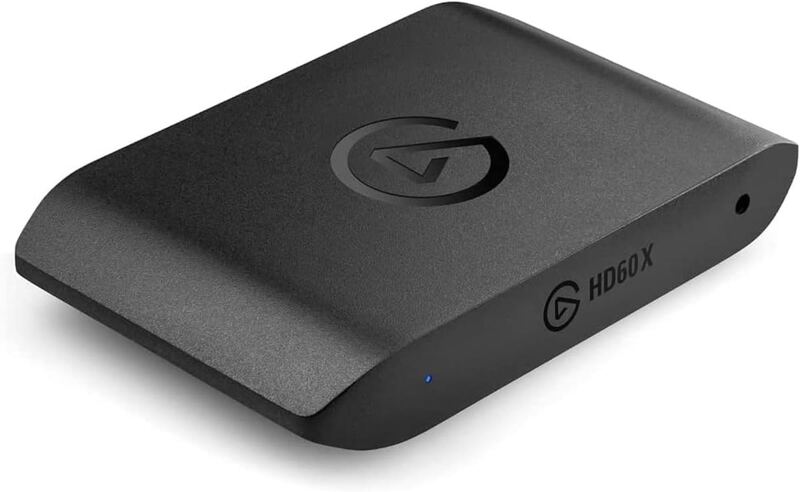
Elgato HD60 X
Ranked #3 in Best Capture Cards for Streaming
Elgato HD60 X
$180as of May 19

The HD60 X is the volume seller for good reason — at $180, it hits the 1080p60 sweet spot that 80% of streamers actually use, with 4K60 HDR passthrough so console-attached monitors still get the full signal. Driverless setup makes it the easiest pick for first-time streamers. The 4K X is better; the Razer Ripsaw HD is cheaper. The HD60 X is the safe middle.

Strengths
  • 1080p60 HDR10 capture is the right tier for most Twitch and YouTube streams
  • 4K60 HDR passthrough so console players see the full output even though it captures at 1080p
  • Sub-100 ms latency — practical for streaming where some lag is fine
Watch-outs
  • Capture caps at 1080p60 — not the path for 4K creators
  • Older USB-C 3.0 interface (not Gen 2x2)
  • HDR capture is Windows-only

How they stack up

Elgato 4K X

Most capable card here on every axis — capture resolution, refresh rate, HDR, passthrough latency. The AVerMedia Live Gamer Ultra S matches 4K60 capture at a lower price but lacks the 4K144 ceiling. The Elgato HD60 X tops out at 1080p60 capture. PCIe-based AVerMedia Live Gamer 4K matches on capture spec but needs a desktop and a free PCIe slot.

Elgato HD60 X

The default 1080p streaming pick. Beats the Razer Ripsaw HD on driver maturity and 4K passthrough quality, but loses on price. Loses to the Elgato 4K X and AVerMedia Live Gamer Ultra S on capture resolution — but those start at twice the price tier. The internal AVerMedia Live Gamer 4K matches Elgato HD60 X on simplicity once installed but requires a desktop with a free PCIe slot.

Specs side-by-side

SpecElgato 4K XElgato HD60 X
Capture ResolutionUp to 4K144 HDR10Up to 1080p60 HDR10 (4K30)
PassthroughUp to 4K144 HDR10 VRRUp to 4K60 HDR
InterfaceUSB 3.2 Gen 2x2 (20 Gbps)USB-C 3.0
ConnectivityHDMI 2.1 in/outHDMI 2.0 in/out
Form FactorExternal (4.4 x 2.8 x 0.7 in)External (4.4 x 2.8 x 0.7 in)
OS SupportWindows, macOSWindows (HDR), Mac
LatencySub-100 ms
← See the full ranking of best capture cards for streaming