Verdict
The Best 5Reviewed by Mike Hun·May 18, 2026

Best Capture Cards for Streaming

Top 5 capture cards for streaming and recording, reviewed and ranked.

Quick answer

Elgato 4K X is our top pick for capture cards for streaming — an averaged 4.6/5 across 1 published review at about $248. Runner-up: AVerMedia Live Gamer Ultra S (GC553Pro) (~$140).

At a glance

Tap any product for the full review
1Elgato 4K XTop Score
(1 source)
$248Best for: professional streamers and content creators who output 4K HDR or 4K120/144 and want HDMI 2.1 throughout
$248 · Check Price on Amazon
(1 source)
$140Best for: 4K streamers who don't need HDMI 2.1 / 4K144 and want to save versus the Elgato 4K X
$140 · Check Price on Amazon
(1 source)
$180Best for: the default pick for new and intermediate streamers who output 1080p60 to Twitch/YouTube and want zero setup friction
$180 · Check Price on Amazon
(1 source)
$60Best for: first-time streamers on a tight budget who only need 1080p60 capture and don't care about HDR
$60 · Check Price on Amazon
(1 source)
$299Best for: single-PC streamers with a desktop and free PCIe slot who want lower USB contention and CPU overhead
$299 · Check Price on Amazon
Verdict is reader-supported. As an Amazon Associate we earn from qualifying purchases. Some links on this page are affiliate links — if you click through and buy, we may earn a small commission at no extra cost to you. Our ratings are sourced from independent publications, not sponsors.
Reviews aggregated from
PC GamerTweaktownStudiosuppliesWindowscentral

The full ranking

How we rank →
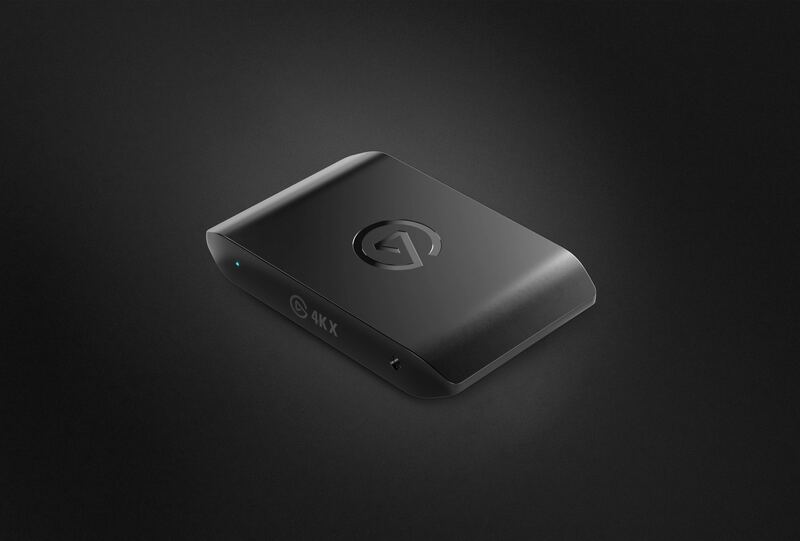
Elgato 4K X
#1 · Top Score
Best for: professional streamers and content creators who output 4K HDR or 4K120/144 and want HDMI 2.1 throughout
Elgato 4K X
from 1 source$248as of May 19

The 4K X is what you buy when you want zero compromises. HDMI 2.1 across the board, 4K144 HDR10 capture and passthrough, VRR support, and a single USB cable connection. PC Gamer calls it the best capture card overall for 2026. The only reason to look elsewhere is price — at $230, it's roughly double the Razer Ripsaw HD and 50% more than the Elgato HD60 X.

Strengths
  • HDMI 2.1 input and output with full 4K144 HDR10 passthrough and capture
  • VRR (Variable Refresh Rate) passthrough means PS5 and Xbox Series X games stay smooth
Watch-outs
  • Most expensive pick in this round-up
  • Requires USB 3.2 Gen 2x2 (20 Gbps) for full 4K144 — older USB ports will downscale
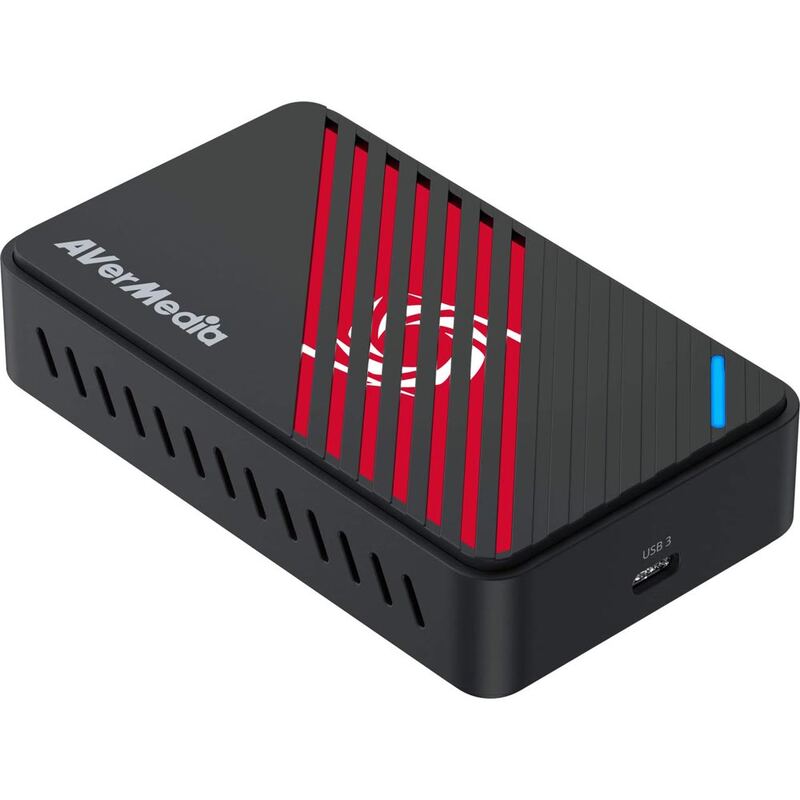
AVerMedia Live Gamer Ultra S (GC553Pro)
#2
Best for: 4K streamers who don't need HDMI 2.1 / 4K144 and want to save versus the Elgato 4K X
AVerMedia Live Gamer Ultra S (GC553Pro)
from 1 source$140as of May 19

The Live Gamer Ultra S is the AVerMedia answer to the Elgato 4K X for streamers who don't need 4K144. It captures full 4K60 with RGB24 color depth and supports 1080p240 for esports streamers. It's typically $30-100 cheaper than the 4K X depending on sales. The trade-off is HDMI 2.0 instead of 2.1 — if you only need 4K60 passthrough anyway, this is the smarter buy.

Strengths
  • 4K60 RGB24 capture — true-color uncompressed pipeline
  • 5.1 surround sound capture for console streams
Watch-outs
  • HDMI 2.0 only — passthrough caps at 4K60, no 4K120/144 like the Elgato 4K X
  • OBS plugin support is more limited than Elgato's ecosystem
Elgato HD60 X
#3
Best for: the default pick for new and intermediate streamers who output 1080p60 to Twitch/YouTube and want zero setup friction
Elgato HD60 X
from 1 source$180as of May 19

The HD60 X is the volume seller for good reason — at $180, it hits the 1080p60 sweet spot that 80% of streamers actually use, with 4K60 HDR passthrough so console-attached monitors still get the full signal. Driverless setup makes it the easiest pick for first-time streamers. The 4K X is better; the Razer Ripsaw HD is cheaper. The HD60 X is the safe middle.

Strengths
  • 1080p60 HDR10 capture is the right tier for most Twitch and YouTube streams
  • 4K60 HDR passthrough so console players see the full output even though it captures at 1080p
Watch-outs
  • Capture caps at 1080p60 — not the path for 4K creators
  • Older USB-C 3.0 interface (not Gen 2x2)
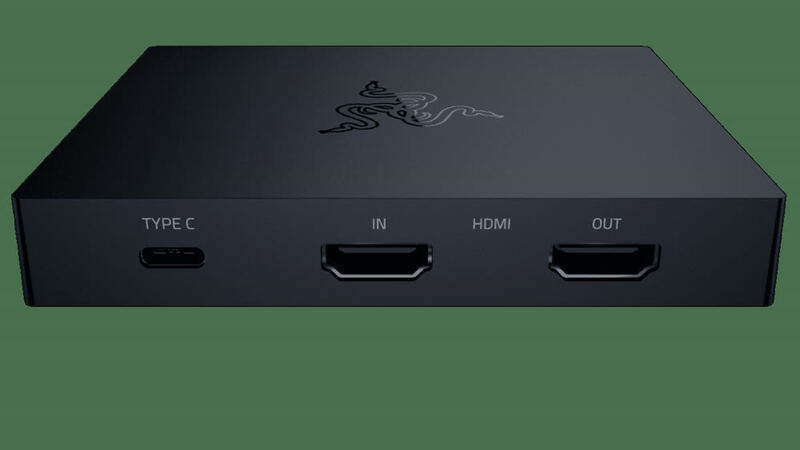
Razer Ripsaw HD
#4
Best for: first-time streamers on a tight budget who only need 1080p60 capture and don't care about HDR
Razer Ripsaw HD
from 1 source$60as of May 19

The Ripsaw HD is the budget pick that's been holding the line for years. 1080p60 capture, 4K60 passthrough, USB 3.0, and built-in audio mixing — all the basics for a streaming kit at roughly 75% of the Elgato HD60 X's price. The trade-off is age: this is a 2019 product that hasn't been refreshed, and Razer's drivers are heavier than Elgato's. For first-time streamers on a tight budget, still a reasonable buy.

Strengths
  • 1080p60 capture and 4K60 passthrough at the most aggressive price in this round-up
  • USB 3.0 single-cable connection
Watch-outs
  • Razer's drivers are heavier than Elgato's lightweight install
  • No HDR capture (passthrough is fine; capture flattens HDR)
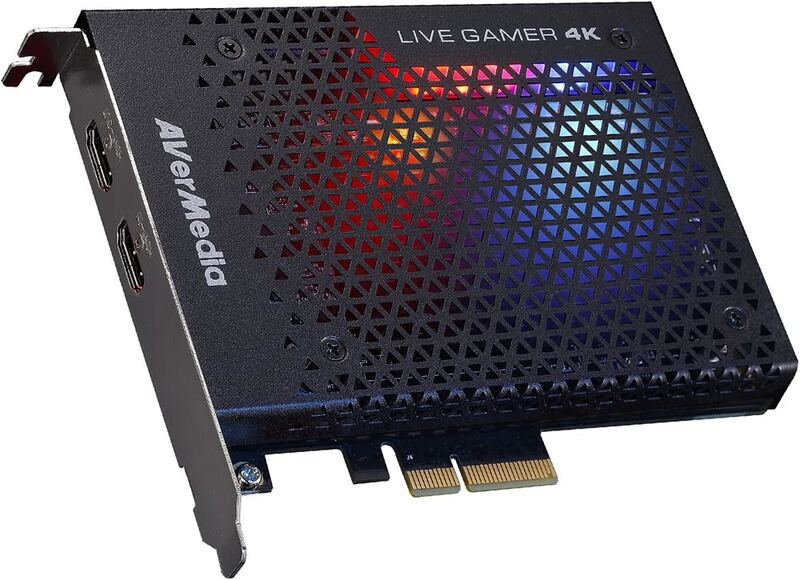
AVerMedia Live Gamer 4K (GC573)
#5
Best for: single-PC streamers with a desktop and free PCIe slot who want lower USB contention and CPU overhead
AVerMedia Live Gamer 4K (GC573)
from 1 source$299as of May 19

The Live Gamer 4K is the pick for streamers running a single-PC setup with a free PCIe slot. Internal PCIe means lower CPU overhead than USB cards and zero USB bandwidth contention, which matters when you're also running USB mics, controllers, and audio interfaces. The trade-off is portability: you can't move this between rigs the way you can a Ripsaw or HD60 X. If your streaming PC is your daily driver and stays put, it's a quietly underrated pick.

Strengths
  • PCIe internal card — frees up a USB port and avoids USB bandwidth contention
  • 4K60 HDR10 capture, 4K HDR passthrough on a single PC
Watch-outs
  • Requires a desktop PC with a free PCIe x4 slot — laptops and consoles can't use it
  • Setup is heavier than external USB cards (case open, driver install, BIOS sometimes)

Spec comparison

5 products
SpecElgato 4K XAVerMedia Live Gamer Ultra S (GC553Pro)Elgato HD60 XRazer Ripsaw HDAVerMedia Live Gamer 4K (GC573)
Capture ResolutionUp to 4K144 HDR10Up to 4K60 RGB24Up to 1080p60 HDR10 (4K30)Up to 1080p60Up to 4K60 HDR10
PassthroughUp to 4K144 HDR10 VRRUp to 4K60 HDRUp to 4K60 HDRUp to 4K60Up to 4K HDR
InterfaceUSB 3.2 Gen 2x2 (20 Gbps)USB 3.2 Gen 2USB-C 3.0USB 3.0PCIe x4
ConnectivityHDMI 2.1 in/outHDMI 2.0 in/outHDMI 2.0 in/outHDMI 2.0 in/outHDMI 2.0 in/out
Form FactorExternal (4.4 x 2.8 x 0.7 in)ExternalExternal (4.4 x 2.8 x 0.7 in)ExternalInternal expansion card
OS SupportWindows, macOSWindows 10/11, macOS 13+Windows (HDR), MacWindows 8 64-bit or laterWindows 10/11 x64

Frequently asked questions

What is the best capture cards for streaming?
Elgato 4K X is our top pick for capture cards for streaming, with an averaged rating of 4.6/5 from 1 published reviews. The 4K X is what you buy when you want zero compromises. HDMI 2.1 across the board, 4K144 HDR10 capture and passthrough, VRR support, and a single USB cable connection. PC Gamer calls it the best capture card overall for 2026. The only reason to look elsewhere is price — at $230, it's roughly double the Razer Ripsaw HD and 50% more than the Elgato HD60 X.
Is there a cheaper alternative worth considering?
Razer Ripsaw HD (around $60) rates 4.2/5 in our analysis. The Ripsaw HD is the budget pick that's been holding the line for years. 1080p60 capture, 4K60 passthrough, USB 3.0, and built-in audio mixing — all the basics for a streaming kit at roughly 75% of the Elgato HD60 X's price. The trade-off is age: this is a 2019 product that hasn't been refreshed, and Razer's drivers are heavier than Elgato's. For first-time streamers on a tight budget, still a reasonable buy.
How does Verdict rank these products?
Every rating on Verdict is the numerical average of scores published by independent review sites, YouTube reviewers, and Reddit buyer reports. No editor adjusts the order — the ranking is whatever the source data produces. See our methodology page for the full process.
When was this guide last updated?
This guide was last re-checked in May 2026. We re-run our research pipeline for each category on a rolling basis so prices and rankings reflect current market reality.

Related guides

Browse all →