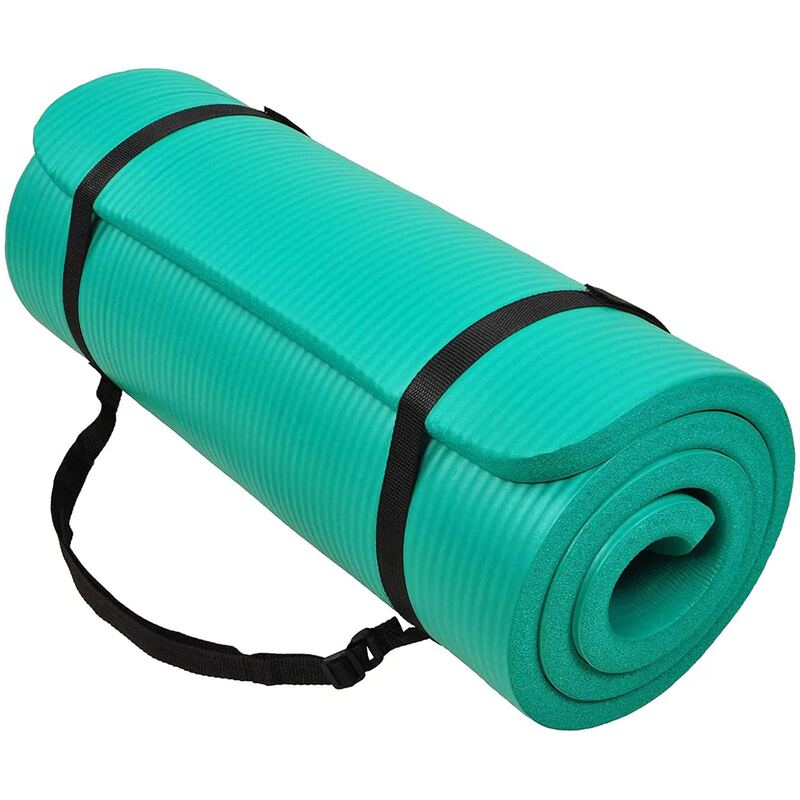
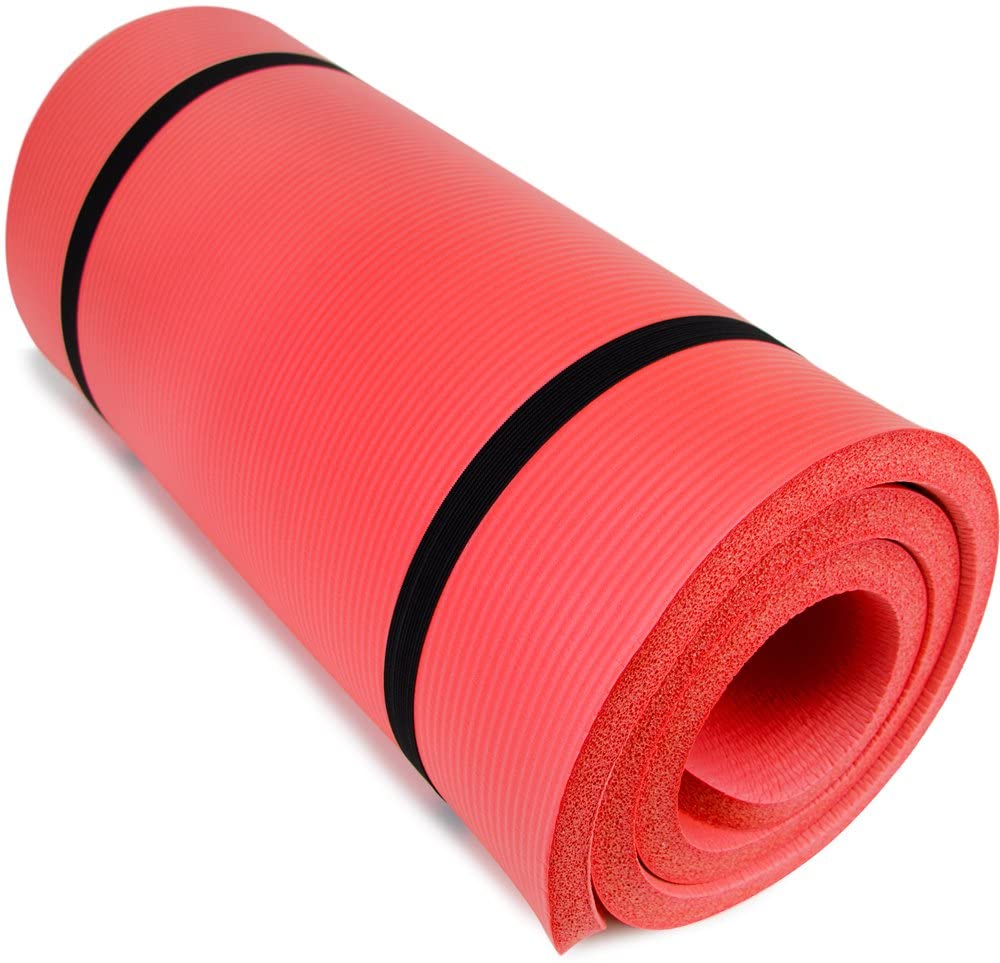
The Yoga Cloud Ultra-Thick from Crown Sporting Goods lays down a true 25mm of high-density foam, 'four times thicker than a traditional yoga mat,' putting it among the most cushioned mats you can buy. BestViewsReviews rated it 9.6/10, and Healthy Celeb concluded 'you won't get a sturdier and thicker yoga mat in the market.' On pure thickness it rivals the BalanceFrom GoCloud; the cost is weight and bulk, so plan on a dedicated home spot rather than a daily commute to the studio.
Full review
A True One-Inch Mat
Crown Sporting Goods builds the Yoga Cloud around a single selling point: thickness. At a genuine 25mm, Healthy Celeb measured it as 'four times thicker compared to a traditional yoga mat' and concluded flatly that 'you won't get a sturdier and thicker yoga mat in the market.' That depth of foam is what makes it a go-to for users rehabbing joints or working on hard concrete and tile. BestViewsReviews aggregated owner sentiment into a 9.6/10 score, calling out the 'moisture resistant surface, a safe and comfortable workout, extra knee support' as the standout attributes. In practice it sits in the same cushioning tier as the BalanceFrom GoCloud, our top pick.
The practical effect of that 25mm is most obvious in poses that load a single joint against the floor. Kneeling sequences, the Pilates hundred, camel pose and any seated forward fold that grinds the sit bones into a hard floor become genuinely comfortable rather than something to grit through. Healthy Celeb's reviewer wrote that the mat 'will provide the extra cushion you need for your hands, wrists, knees, back, and elbows,' and that that cushion 'will strengthen your weak joints, mitigate pain, and prevent future injuries' - protection for weak or recovering joints rather than mere comfort. For physical-therapy patients and older practitioners that distinction matters: the mat is thick enough that the floor effectively disappears, which is exactly why it draws repeat recommendations for rehab and gentle-practice use over thinner mats that still transmit pressure.
Surface Grip and Cleaning
The Yoga Cloud's twin no-slip ridge faces are designed to grip both the floor beneath and the practitioner above, and reviewers report the texture does keep the mat from sliding across hardwood during controlled movement. The moisture-resistant skin is the other practical win: sweat beads on the surface rather than soaking into the foam, so a quick wipe with a damp cloth restores it. That said, Crown is explicit that the mat is not machine washable, and the molded foam ridges can trap dust that needs occasional attention. Owners who use it daily recommend a simple wipe-down after each session to keep the surface tacky and hygienic.
Moisture-resistant skin wipes clean, not washable
The mat measures 72 by 24 inches — slightly longer than the GoCloud — and uses molded no-slip ridges on both faces to grip the floor and your hands and feet. A moisture-resistant skin keeps sweat from soaking into the foam and wipes clean with a damp cloth, though it is explicitly not machine washable. Crown includes a shoulder sling so the rolled mat can be carried, but at roughly four pounds it is noticeably heavier and bulkier than the 2.2-pound GoCloud. This is a mat that prefers to live in one spot.
86 percent positive reviews cite joint relief
Owner reviews skew strongly positive — roughly 86% favorable in the aggregate sentiment Well Fit Insider and BestViewsReviews summarize — with the recurring praise being relief for knees, wrists, elbows, hips and back. Reviewers describe it as ideal for yoga, meditation, Pilates and any exercise that is hard on the joints, and several note that the high-density foam genuinely protects weak or recovering joints rather than just feeling soft. The generous length is also called out by taller users who hang off shorter mats.
11 percent of reviews cite compression or bulk
The Yoga Cloud shares the inherent weakness of every ultra-plush foam mat: it is a poor base for standing balance. The same softness that cushions a kneeling pose lets your feet sink and wobble in tree or warrior III. Reviewers also report that the foam can take an indentation under sustained point pressure, and that the weight and bulk make it inconvenient to haul to a studio. Around 11% of buyer reviews are negative, most commonly citing those compression and portability issues rather than build defects.
Feels more substantial than the lighter GoCloud
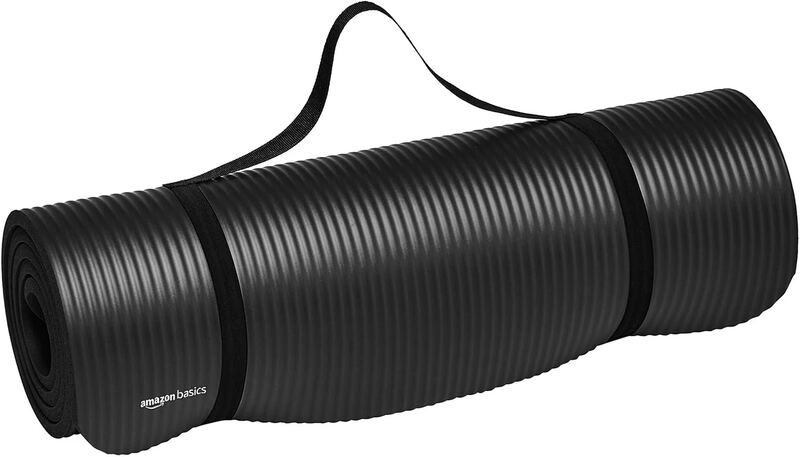
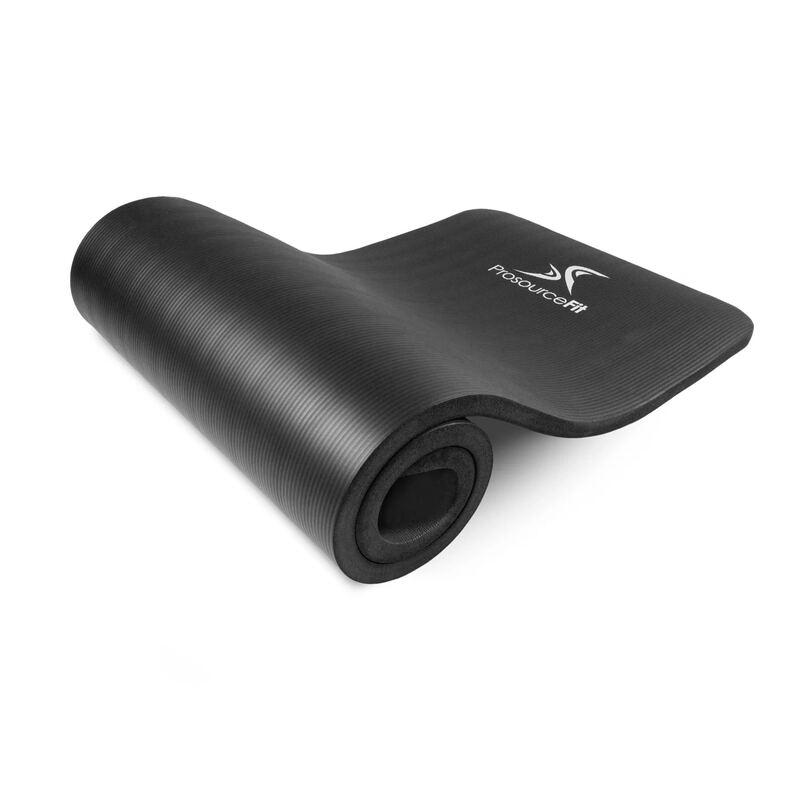
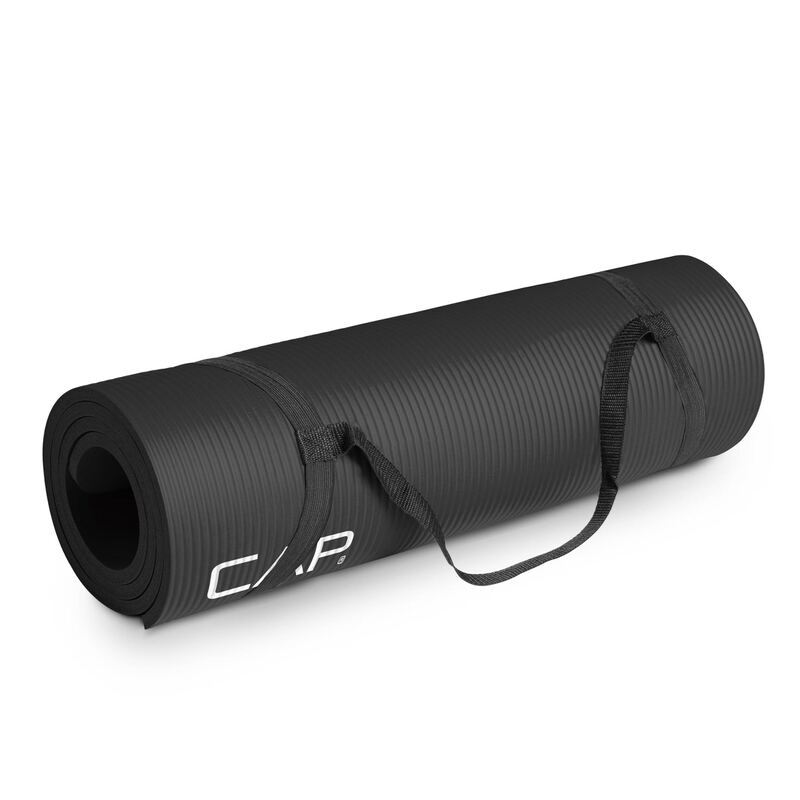
Against the BalanceFrom GoCloud the two are near-twins on thickness, but the GoCloud wins decisively on portability at half the weight, which is why it ranks first. The Yoga Cloud feels marginally more substantial planted on the floor. Versus the firmer CAP Barbell High Density 12mm and the half-inch ProsourceFit Extra Thick and Amazon Basics mats, the Yoga Cloud roughly doubles the padding — the right choice for cushioning, the wrong one if you want a stable, firm surface for dynamic flows.
A common second mat for home floor work
Pick the Yoga Cloud if you have a dedicated home practice space and want the deepest possible cushion without paying a premium-brand price. It is excellent for restorative and gentle yoga, Pilates floor work, stretching and physical-therapy routines, and for anyone whose knees or spine simply cannot tolerate a thin mat. Skip it if you need to carry your mat regularly — the GoCloud is the lighter twin — or if your practice is balance- and standing-heavy, where a firmer half-inch mat will serve you far better.
It is also a sensible choice as a second mat: many practitioners keep a thin travel mat for studio classes and a Yoga Cloud at home for the floor work that a 4mm mat punishes. At its typical sub-$45 price it undercuts premium plush mats while delivering the same headline 25mm, so the value case is strong for buyers who care about thickness above brand. The clearest reason to choose it over the BalanceFrom GoCloud specifically is feel — some users prefer its marginally more substantial, planted sensation underfoot — but if portability is anywhere in your decision, the lighter GoCloud is the better all-rounder.
Strengths
- +Genuine 1-inch (25mm) high-density foam — four times thicker than a traditional yoga mat for maximum joint protection
- +Moisture-resistant surface wipes clean easily and resists sweat absorption
- +No-slip ridges molded into both faces help keep the mat and your hands/feet planted
- +Generous 72 x 24 in footprint with an included shoulder sling for carrying
- +Strong owner sentiment — BestViewsReviews scored it 9.6/10 and ~86% of buyer reviews are positive
Watch-outs
- −Heavier and bulkier than the BalanceFrom GoCloud, so it is less convenient to transport
- −Very soft surface is poor for standing balance poses
- −Foam can compress and take an indentation under sustained point pressure
How it compares
The Yoga Cloud Ultra-Thick matches the BalanceFrom GoCloud's 25mm of foam but is heavier and bulkier, trading portability for a slightly more substantial feel underfoot. Like the GoCloud, it is far plusher than the half-inch ProsourceFit Extra Thick, Amazon Basics 1/2" and the firmer CAP Barbell High Density 12mm — better for pain relief but the worst of the five for standing balance.
Rating sources
Our 4.0 score is the average of these published ratings. Ratings marked * were derived from the reviewer’s written analysis or video transcript — the publisher didn’t print an explicit numeric score, so we inferred one from their own words. Click through to verify. More about methodology.