The North Face Recon receives high marks for its well-balanced design and quality materials, with reviewers praising its flexible suspension system and organized compartments. Pack Hacker awarded it 8.5/10, noting its feature-rich construction and urban-focused aesthetic. YouTube reviewer emphasized its iconic status and versatility across settings, though acknowledged some drawbacks in the strap system and overall stability when packed. This backpack is ideal for urban professionals and students seeking a durable, well-organized daypack, though those needing maximum portability or specific organizational features may want to consider alternatives.
Full review
Design and Build Quality
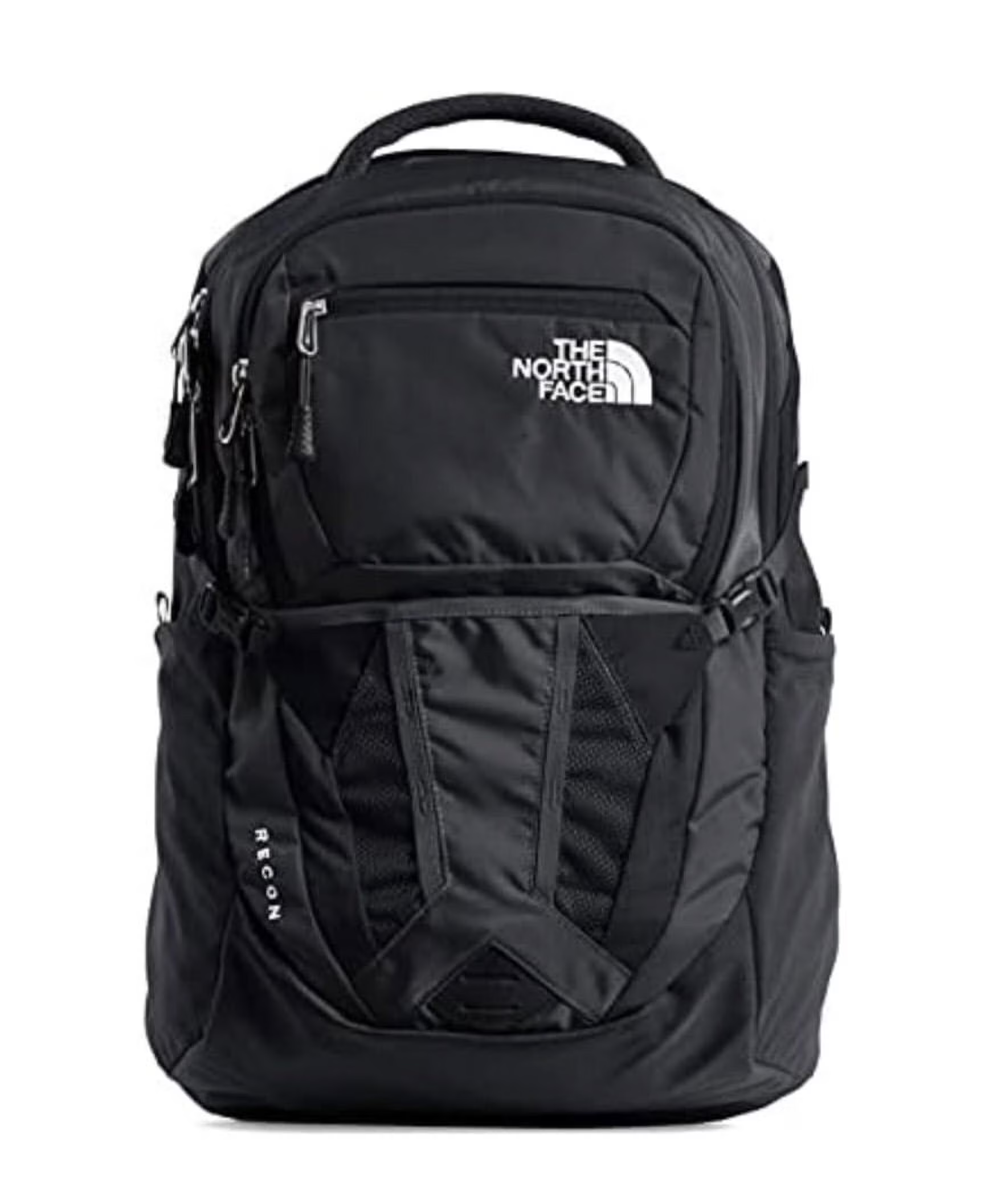
The North Face Recon stands out for its robust construction and thoughtful material choices, though it doesn't shy away from a busy aesthetic. Pack Hacker's review highlighted the bag's 100% recycled nylon and polyester construction, with a subtle grid pattern suggesting ripstop nylon. The fabric is tightly stitched and feels durable, with ITW and Duraflex hardware that performs reliably. RTINGS noted that the zippers are indeed YKK, a significant improvement over the SBS zips found on the Jester model. The Recon's build quality is consistent with The North Face's reputation for longevity, with reinforced stitching and components that hold up under daily use. The bag's exterior features multiple straps, buckles, and secondary materials, but reviewer Aaron Radcliffe from Nomads Nation emphasized that the result isn't a chaotic mess, but rather a purposeful design. The white logo on dark fabric creates a stark contrast, making it visually striking without being overly flashy, though some users may find the abundance of hardware slightly cluttered.
The Recon's materials and construction were tested by GearJunkie's Rebecca Ross, who found the 210D recycled nylon ripstop fabric to be water-repellent and flexible enough for daily packing. The DWR coating helps in light precipitation, though RTINGS reported a shower test where the zipper and interior flap failed to prevent water ingress during moderate garden hose spray. The back panel is padded and filled with a rigid protective material, which provides good laptop protection but can be less comfortable for bike commuting. The Recon's design balances urban utility with outdoor roots, with a heritage silhouette that feels equally at home in the city or on the trail. The bag's dimensions are 19.3 x 11.6 x 7.5 inches, and it weighs 2.56 pounds, making it impressively lightweight for its volume. The shoulder straps feature a flexible mounting system that adapts to varying body types, a feature praised by Pack Hacker and confirmed by Nomads Nation as contributing to overall comfort.
Storage and Organization
The Recon's storage configuration is both a strength and a potential limitation. Outdoors Gear Lab's review emphasized that the 30L capacity includes a main compartment measuring closer to 25L, with front and tech sections bringing it to the advertised size. The main compartment offers a good balance of space and organization, with a dedicated laptop section that fits up to a 17-inch device. The laptop compartment is particularly well-designed, with dual-direction zippers that can be tucked under webbing arches for security, and a soft material lining that protects the device. However, the main compartment lacks additional organizational pockets, which can make it challenging to keep smaller items sorted. Pack Hacker noted that the laptop compartment has little elevation, which may be an issue for users who frequently carry items that need to be accessed quickly. The front mesh pocket is convenient for stashing quick-access items like umbrellas or snacks, though Nomads Nation's Aaron Radcliffe pointed out that the pocket layout reduces usable space, making it feel tighter than expected when packed out.
The Recon's organization system includes a stretch mesh front pocket, dual side water bottle pockets, and multiple zippered compartments. The front stash pocket is excellent for small daily essentials or travel items, while the dual water bottle pockets are more durable than most similar models, according to Outdoors Gear Lab. The side compression straps help stabilize the load and maintain a compact shape, but the lack of internal organization can be a drawback for users who need to keep items sorted. The laptop compartment is particularly well-suited for 17-inch devices, with a design that allows for hydration bladder use. The Recon also includes integrated front lash points for gear attachment, and a micro-fleece-lined small pocket for tech items. However, the smaller zippered compartments are awkward when full, as noted by Outdoors Gear Lab, and the lack of internal dividers can make it difficult to keep items organized. The bag's structure is designed to be on the go, with a focus on practicality over open space, which may not appeal to users who prefer minimal structure.
Comfort and Fit
Comfort is a standout feature of the Recon, particularly for users who carry heavy loads throughout the day. Outdoors Gear Lab's review highlighted the FlexVent back panel, which provides padded and ventilated support, increasing airflow and improving comfort. The 19.5-inch torso length accommodates longer torsos well, and the stiff back panel helps distribute weight evenly against the spine, making long days much more comfortable. The padded shoulder straps with flexible mounting adapt to varying body types, a feature praised by Pack Hacker and confirmed by Nomads Nation as contributing to overall comfort. However, the unpadded center strip can dig into the spine when bending forward on a bike, a point noted by Outdoors Gear Lab. The sternum strap with whistle and removable hip belt add to the comfort, though some users may find the hip belt less necessary for daily carry. The Recon's weight of 2.56 pounds is impressively light for its volume, making it easy to carry while still being durable enough for daily use or short trips. The bag's design allows it to stand up well on its own, especially when flat items are packed at the bottom, though this requires careful packing to maintain stability.
The Recon's comfort features were tested extensively by GearJunkie's Rebecca Ross, who found the extra padding particularly useful for carrying delicate items like camera gear. The FlexVent suspension system and padded back panel provide excellent support during extended use, and the flexible shoulder straps adapt well to different body types. However, the bag's design can be less comfortable for bike commuting due to the rigid back panel and unpadded center strip. The sternum strap with whistle is a useful addition, though it may be underutilized by most users. The removable hip belt adds versatility, allowing users to adjust the fit based on their needs. The Recon's fit is generally well-suited for students and commuters who carry lots of small gear daily, but those who prefer a looser, more open structure may find it restrictive. The bag's ability to stand upright when packed properly is a notable advantage, though it requires strategic packing to maintain stability.
Real-World Performance
In real-world testing, the Recon performs well as a daily carry backpack, particularly for students and commuters. Pack Hacker's review noted that the Recon is similar to the Borealis and Jester backpacks in terms of looks and build quality, but comes out the best among the three. The bag's features, including the front mesh pocket, flexible shoulder straps, and well-balanced space and organization, make it a versatile choice for everyday use. Nomads Nation's Aaron Radcliffe emphasized that the Recon is a solid, practical daily option, but not ideal if you prefer open space and minimal structure. The bag's ability to hold a 17-inch laptop and other gear makes it suitable for light travel, though it's not designed for heavy-duty hiking or outdoor adventures. The Recon's performance in light precipitation was tested by Outdoors Gear Lab, which found that while the DWR coating helps in light rain, the bag is not fully waterproof and failed in moderate garden hose spray. The bag's durability was confirmed by multiple reviewers, with the 210D ripstop nylon and reinforced stitching holding up well under daily use.
The Recon's performance in various scenarios was evaluated by GearJunkie's Rebecca Ross, who used it for a week across multiple side jobs, adventures, and errands. She found that the bag's capacity to fit a 17-inch laptop alone reduced the number of bags needed to carry with her, and that it carried far more than expected. The bag's ability to condense a lot of gear into a single pack was particularly useful for her freelance work, where she frequently carries a laptop, camera, extra layers, notepads, books, snacks, and a water bottle. The Recon's performance in terms of organization and comfort was consistent, though the lack of internal dividers made it challenging to keep items sorted. The bag's ability to stand up well on its own, especially when flat items are packed at the bottom, was noted as a useful feature for quick access to items. However, the bag's design may not be ideal for users who need maximum open space or minimal structure, as the abundance of compartments can make it feel cramped when packed out.
Where It Falls Short
Despite its many strengths, the Recon has several notable drawbacks that may deter some users. Pack Hacker's review pointed out that the lack of strap keepers can lead to a messy look, and the bag doesn't stand up on its own unless flat items are packed at the bottom. The laptop compartment has little elevation, which can be problematic for users who frequently access items quickly. Outdoors Gear Lab noted that the main compartment and laptop compartments have no additional organizational pockets, making it difficult to keep small items sorted. The smaller zippered compartments are awkward when full, and the lack of internal dividers can make it challenging to keep items organized. Additionally, the water bottle pockets are more difficult to access, a point raised by Outdoors Gear Lab. The Recon's design is also less suitable for bike commuting due to the rigid back panel and unpadded center strip, which can dig into the spine when bending forward. The bag's performance in heavy rain was also criticized, as it failed to prevent water ingress during moderate garden hose spray, despite its DWR coating.
Several reviewers noted that while the Recon is a solid daily carry option, it lacks certain features that might be expected in a premium backpack. The absence of internal organization pockets in the main compartment is a significant shortcoming, as it makes it difficult to keep small items sorted and accessible. The smaller zippered compartments are awkward when full, and the lack of dividers can lead to items getting jumbled together. The bag's design also doesn't accommodate users who prefer open space and minimal structure, as the abundance of compartments can make it feel cramped when packed out. The water bottle pockets, while more durable than most, are more difficult to access than users might expect. The Recon's performance in heavy rain was also criticized, as it failed to prevent water ingress during moderate garden hose spray, despite its DWR coating. These limitations may make the Recon less appealing to users who prioritize maximum organization or weather resistance.
Who It's Best For
The North Face Recon is best suited for students and commuters who carry lots of small gear daily. Its 30L capacity, dedicated laptop compartment, and well-balanced organization make it ideal for users who need to transport a laptop, books, notebooks, and other daily essentials. Pack Hacker's review emphasized that the Recon is a well-balanced backpack at a competitive price, with many different high-quality materials and varied yet well-balanced compartments. Nomads Nation's Aaron Radcliffe noted that the Recon is a solid, practical daily option, but not ideal if you prefer open space and minimal structure. The bag's lightweight design and comfortable suspension system make it suitable for long days of carrying heavy loads, though it's not ideal for bike commuting due to the rigid back panel. The Recon's ability to stand up well on its own, especially when flat items are packed at the bottom, makes it convenient for quick access to items. The bag's heritage silhouette and urban utility make it appropriate for both city and trail use, though it's primarily designed for urban environments.
The Recon's design makes it particularly appealing to users who value a balance of functionality and style. The bag's 100% recycled materials and water-repellent coating appeal to environmentally conscious consumers, while its robust construction and thoughtful features make it suitable for daily use. The bag's ability to hold a 17-inch laptop and other gear makes it ideal for students and professionals who need to transport technology and other items. The Recon's performance in light precipitation and its durability make it suitable for users who need a reliable backpack for daily carry, though it's not recommended for heavy-duty outdoor adventures. The bag's versatility is its strength, as it can be used for everything from commuting to light travel, though it's not designed for extended outdoor use. The Recon's price point of $109 makes it a competitive option for users who want a feature-rich backpack without breaking the bank.
How It Compares to Alternatives
When compared to similar models, the Recon holds its own in terms of features and value, though it has some distinct differences. The Recon is similar to the Borealis and Jester backpacks in terms of looks and build quality, but comes out the best among the three according to Pack Hacker. The Recon's main difference from the Borealis is in its exterior storage design, with the Recon featuring a stretchy quick-stash pocket while the Borealis has a bungee storage system. The Recon's laptop compartment is deeper than the Borealis, despite being about the same width, with the women's Recon laptop sleeve measuring 18'' x 10.6' compared to the Borealis's 12.5'' x 11'. The Recon's water bottle pockets are more durable than most similar models, according to Outdoors Gear Lab, and the bag's overall design is more suited for urban environments. The Recon's price point of $109 makes it competitive with other mid-range backpacks, though it's not as affordable as some alternatives. The Recon's features and build quality make it a strong contender for users who want a feature-rich backpack without breaking the bank.
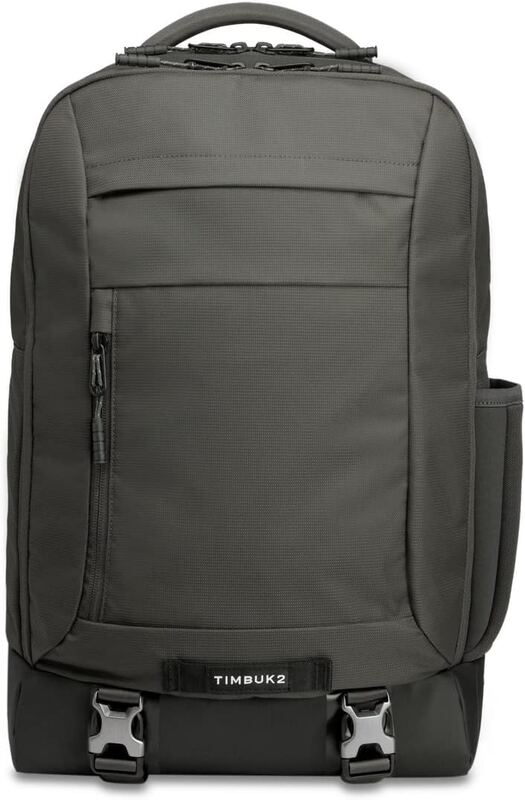
The Recon's performance in comparison to other backpacks was evaluated by Outdoors Gear Lab, which found that while it's a great option for many laptop travelers, it's outperformed by models like the Incase Icon, Timbuk2 Authority Deluxe, Peak Design Everyday, and Patagonia Refugio Daypack 30L in terms of laptop protection. The Recon's shell density was noted as less impressive than these alternatives, though it still offers good protection for a laptop. The Recon's water bottle pockets are more durable than most similar models, and its overall design is more suited for urban environments. The Recon's price point of $109 makes it competitive with other mid-range backpacks, though it's not as affordable as some alternatives. The Recon's features and build quality make it a strong contender for users who want a feature-rich backpack without breaking the bank, though it may not be the best choice for those who prioritize maximum protection or weather resistance.
Value at This Price
At $109, the Recon offers solid value for its features and build quality. Pack Hacker's review noted that the Recon is a well-balanced backpack at a competitive price, with many different high-quality materials and varied yet well-balanced compartments. The bag's 100% recycled materials and water-repellent coating appeal to environmentally conscious consumers, while its robust construction and thoughtful features make it suitable for daily use. The Recon's ability to hold a 17-inch laptop and other gear makes it ideal for students and professionals who need to transport technology and other items. The bag's performance in light precipitation and its durability make it suitable for users who need a reliable backpack for daily carry. The Recon's versatility is its strength, as it can be used for everything from commuting to light travel, though it's not designed for extended outdoor use. The bag's price point makes it a competitive option for users who want a feature-rich backpack without breaking the bank.
The Recon's value proposition is strong for users who prioritize functionality and durability over price. Outdoors Gear Lab's review noted that the Recon is a great tool for commuters and travelers, with an expanded laptop compartment, larger front stretch pocket, and stiffer back panel. The bag's features and build quality make it a strong contender for users who want a feature-rich backpack without breaking the bank, though it may not be the best choice for those who prioritize maximum protection or weather resistance. The Recon's price point of $109 makes it competitive with other mid-range backpacks, though it's not as affordable as some alternatives. The bag's ability to stand up well on its own, especially when flat items are packed at the bottom, makes it convenient for quick access to items. The Recon's performance in light precipitation and its durability make it suitable for users who need a reliable backpack for daily carry, though it's not recommended for heavy-duty outdoor adventures.
Strengths
- +Shoulder straps' flexible mounting adapts to varying body types
- +Well-built with many different high-quality materials
- +Varied yet well-balanced compartments
- +Front mesh pocket for quick access
Watch-outs
- −Lack of strap keepers can lead to a messy look
- −Doesn't stand up on its own unless flat items packed at bottom
How it compares
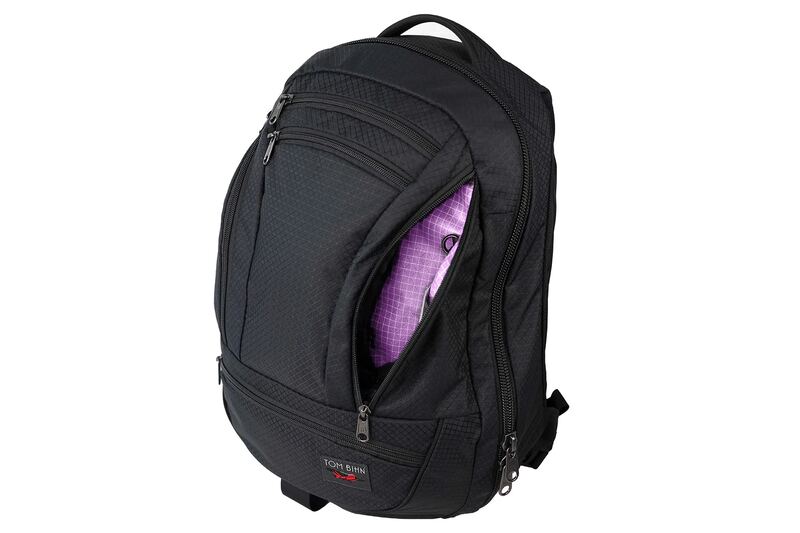
The North Face Recon provides a flexible suspension system and varied compartments, outperforming the July Carry All in adaptability and quality materials. Compared to the Harber London City, it lacks premium leather accents but offers better overall organization. The Tom Bihn Synik has more exterior pockets, but the Recon's urban-focused design and strap flexibility make it more versatile for daily use.
Who this is for
At a glance: urban professionals needing adaptable organization.
Why you’d buy the The North Face Recon
- Shoulder straps' flexible mounting adapts to varying body types.
- Well-built with many different high-quality materials.
- Varied yet well-balanced compartments.
Why you’d skip it
- Lack of strap keepers can lead to a messy look.
- Doesn't stand up on its own unless flat items packed at bottom.
Rating sources
Our 4.4 score is the average of these published ratings. More about methodology.