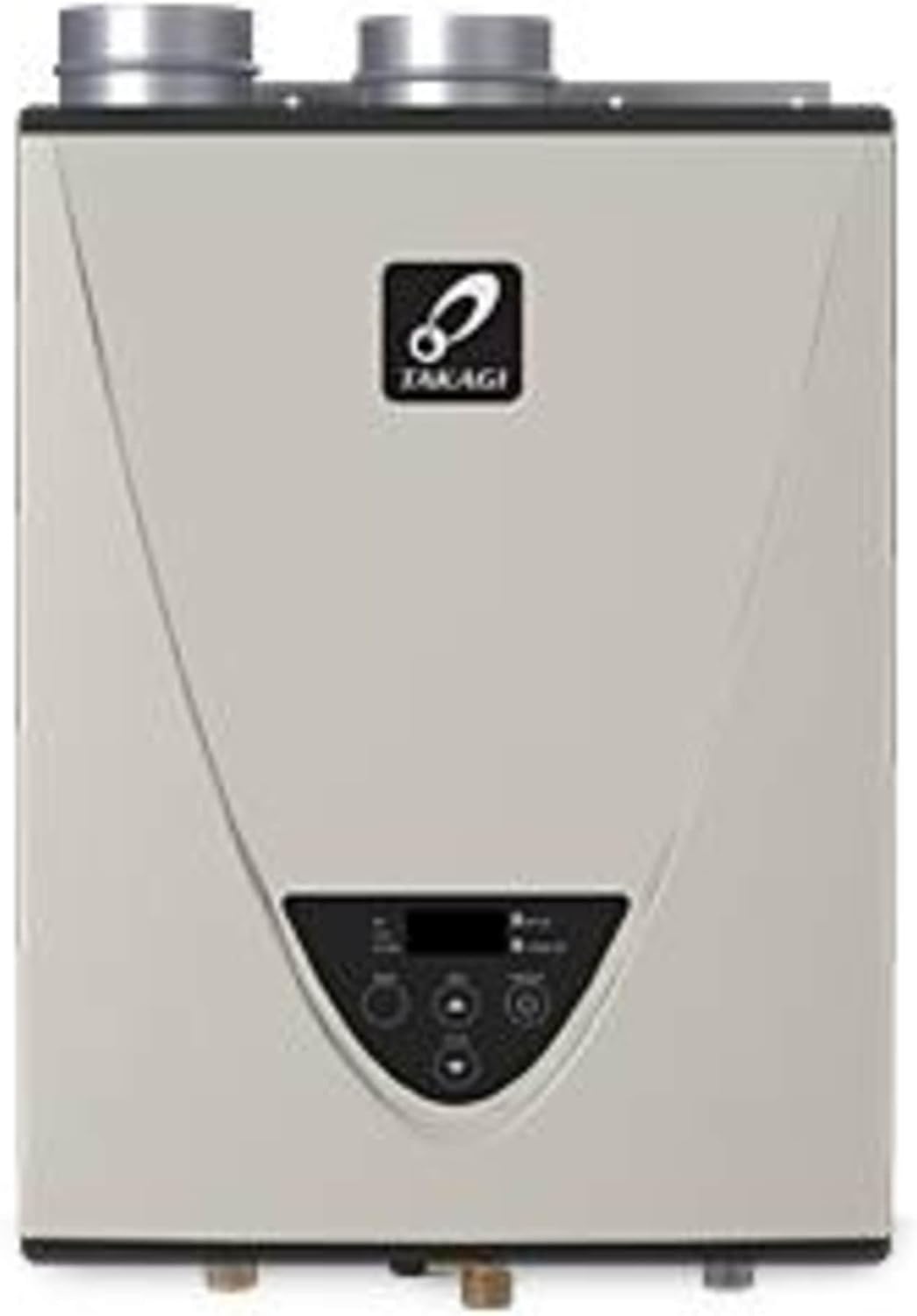
The Takagi T-H3-DV-N is Bob Vila's best condensing gas pick: a 10 GPM, 199,000 BTU unit built around a commercial-grade copper-alloy heat exchanger that suits heavier residential use like recirculation or space heating. It's Ultra-Low NOx compliant, which matters in strict-emission states, and Bob Vila praised that it 'provides plenty of heating power for most households.' Its 0.93 UEF trails the Rinnai RU199iN slightly and it lacks the Rinnai's smart-app polish. As a rugged, high-capacity condensing gas heater, it's an excellent whole-home choice.
Full review
Rugged, High-Capacity Gas
The Takagi T-H3-DV-N is built for sustained, heavy use. With a 10 GPM flow rate and 199,000 BTU of output, it has the capacity for a whole home, and Bob Vila — which named it best condensing — noted it 'provides plenty of heating power for most households.' What sets it apart from typical residential units is its construction: Takagi notes 'the primary heat exchanger utilizes commercial-grade copper alloy,' making it 'suitable for heavier residential usages such as space heating or domestic recirculation systems.' This is a unit you can lean on hard.
That capacity puts it in the same whole-home tier as the Rinnai RU199iN, comfortably ahead of any electric unit's flow rate. For a larger household, or one running a recirculation loop for instant hot water, the Takagi has the muscle.
Condensing Efficiency and Emissions
As a condensing unit, the T-H3-DV-N reclaims heat from its exhaust, reaching a 0.93 UEF — efficient, if a hair behind the Rinnai's 0.95. Importantly, it's Ultra-Low NOx compliant, which matters in strict-emission regions like California where many gas appliances must meet tight nitrogen-oxide limits. That compliance makes it one of the more broadly installable high-capacity gas units in the country, where some competitors are restricted.
Build Quality and Installation
Takagi's reputation rests on durable, plumber-favored hardware, and the commercial-grade heat exchanger reflects that. Like any condensing gas unit, it requires proper gas sizing, condensing-rated direct venting, and condensate handling, so professional installation is the norm. It's an indoor, direct-vent design that fits a typical mechanical room or utility closet. The trade-off versus the Rinnai is fewer smart features — there's no comparable polished app ecosystem — so this is a unit you set and rely on rather than monitor from your phone.
Can feed recirculation loops or hydronic heat
Bob Vila's best-condensing pick and the broader plumber-oriented coverage both emphasize durability and capacity. Reviewers like that it can serve as more than just domestic hot water — its ability to feed recirculation systems or even hydronic space heating gives it versatility that lighter units lack. The Ultra-Low NOx compliance is repeatedly flagged as a practical advantage for buyers in emission-regulated states.
0.93 UEF trails the Rinnai's 0.95
The Takagi's 0.93 UEF, while strong, trails the Rinnai RU199iN's 0.95, and its flow rate is marginally lower at 10 GPM versus 11. It requires gas service and condensing venting, ruling it out for all-electric homes and adding installation complexity and cost. And it's the more utilitarian choice — buyers who want Wi-Fi monitoring, app control, and a slicker interface will find the Rinnai more modern. This is hardware that prioritizes ruggedness over features.
Commercial-grade heat exchanger built for heavy use
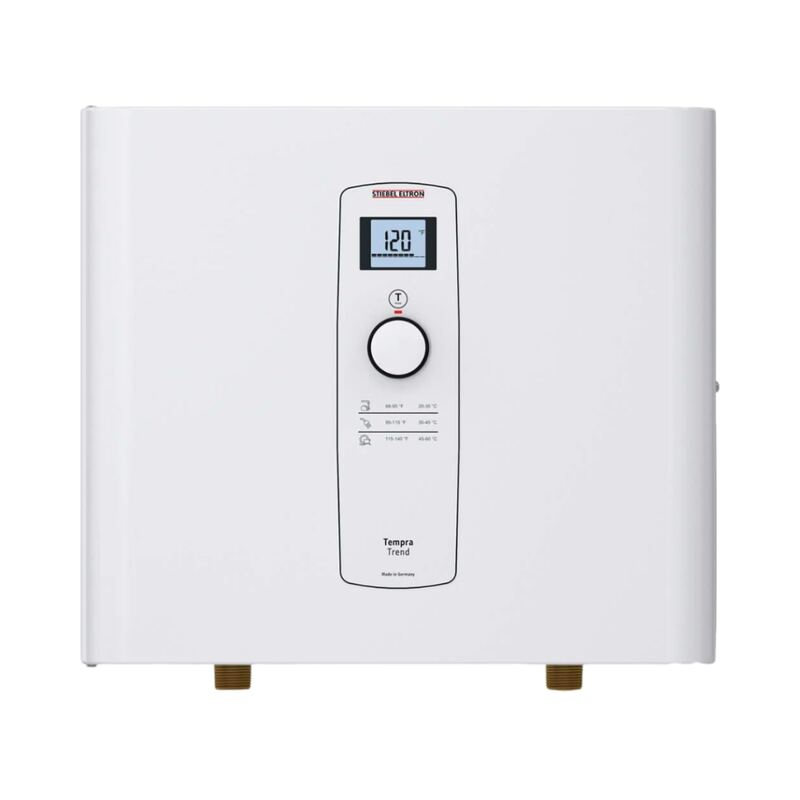
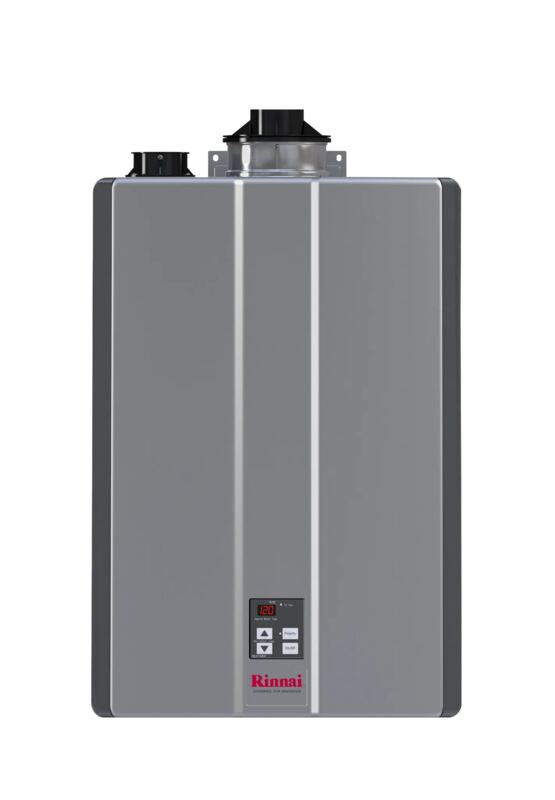
Choose the Takagi T-H3-DV-N if you have gas service, want high whole-home capacity, and value a durable, commercial-grade heat exchanger — especially if you plan to run a recirculation loop or live in an Ultra-Low NOx region. If you'd rather have the highest efficiency and app-based smarts, the Rinnai RU199iN is the better fit; if you're all-electric, the Stiebel Eltron Tempra 36 Plus is the whole-home alternative.
One owner cut gas bills 70 percent over five years
The Takagi typically comes in a bit cheaper than the Rinnai RU199iN while delivering nearly the same whole-home capacity, which is the core of its value argument. You give up a fraction of a UEF point and the slick Wi-Fi app, but you get the same 199,000 BTU output and a heat exchanger built to outlast heavy use. PexUniverse and plumbing-supply listings note the T-H3-DV series is among the most popular condensing gas units precisely because of that reliability-per-dollar balance, and one long-term owner reported a gas bill cut of over 70% across five years of use. Like all gas condensing units, the real cost is installation, so the value is best realized in a home that already has gas and will lean on the capacity for years.
Strengths
- +Condensing gas design delivering up to 10 GPM
- +199,000 BTU handles most whole-home demand
- +Commercial-grade copper-alloy heat exchanger for heavy use
- +Ultra-Low NOx compliant for strict-emission regions like California
- +Suitable for domestic hot water plus recirculation or space heating
Watch-outs
- −Slightly lower UEF (0.93) than the Rinnai RU199iN
- −Requires gas service and condensing venting
- −Professional installation needed
- −Fewer smart features than the Rinnai app ecosystem
How it compares
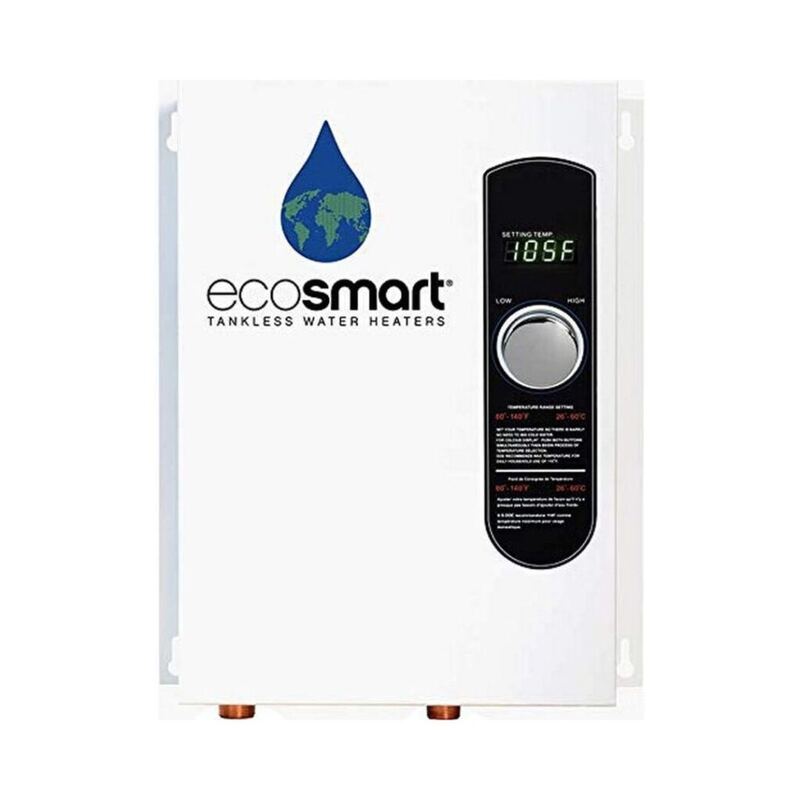
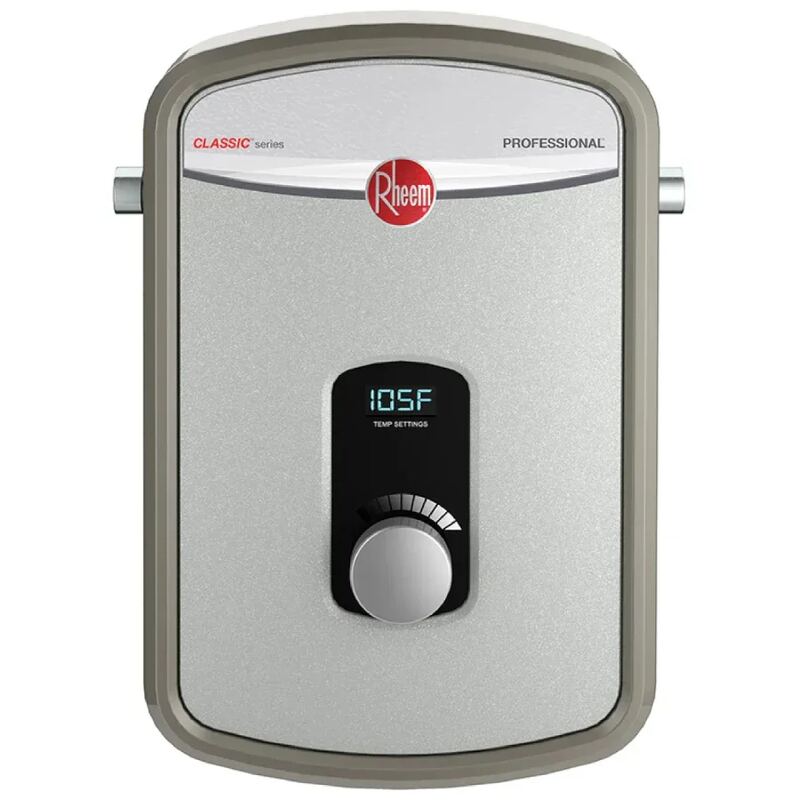
The Takagi T-H3-DV-N is the second gas unit here, matching much of the Rinnai RU199iN's 199,000 BTU output at a slightly lower 10 GPM and 0.93 UEF. Like the Rinnai it far outflows the electric Stiebel Eltron Tempra 36 Plus, EcoSmart ECO 27, and Rheem RTEX-13, but it offers fewer smart features than the Wi-Fi-equipped Rinnai.
Rating sources
“Provides plenty of heating power for most households”
“among the most popular choices for on-demand condensing gas tankless water heaters due to their reliability, efficiency and affordable price”
Our 4.3 score is the average of these published ratings. Ratings marked * were derived from the reviewer’s written analysis or video transcript — the publisher didn’t print an explicit numeric score, so we inferred one from their own words. Click through to verify. More about methodology.