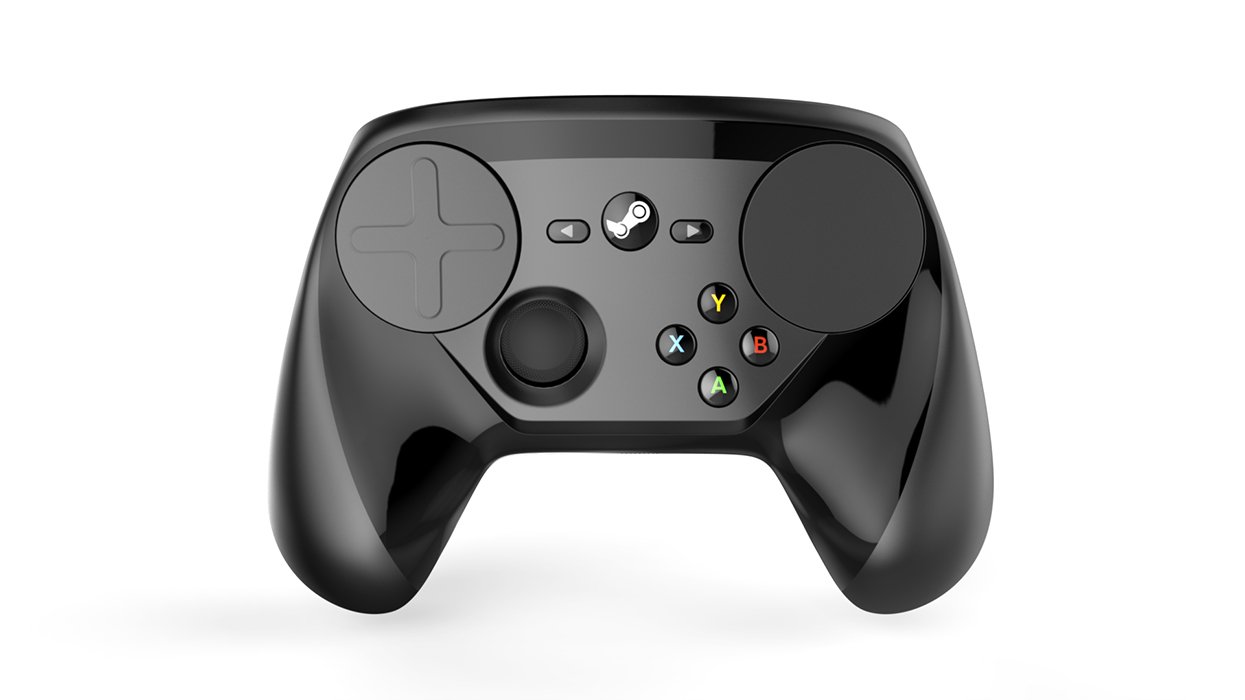
Gamersnexus found that the Steam Controller replaces standard potentiometer analog sticks with tunnel magnetoresistance technology to improve durability and reduce drift. The device features extensive customization through Steam Input, allowing per-game layouts and gyro aiming triggered by capacitive grip sensors. While Nettosgameroom noted haptic feedback on the trackpads and high repairability, Gamersnexus emphasized that the price demands flawless execution of these core features. Its larger physical footprint and heavier weight may be uncomfortable for users with smaller hands, making it better suited for those prioritizing deep customization over compact ergonomics.
Full review
TMR sticks replace potentiometers
GamersNexus found that Valve replaced standard potentiometer analog sticks with tunnel magnetoresistance (TMR) technology in the JS13 family. The original manufacturer is K-Silver, and Valve worked with them to implement design improvements on these specific components. GamersNexus dissected a sample of the TMR stick supply to create a 3D animation explaining how they work compared to traditional carbon-wiper potentiometers or Hall effect sensors. Potentiometers wear down over time as the wiper slides across carbon, leading to resistance changes and stick drift. The TMR sticks are described as an incremental improvement that balances power, cost, and performance better than previous sensor types.
Tight latency with included puck
GamersNexus tested the Steam Controller for wireless and Bluetooth range, response times, battery life, and charge time. The review highlighted that the controller performed impressively in latency testing when using Valve's included puck and when connected via wire. This low-latency performance is a critical metric for competitive gaming, ensuring that physical inputs translate to on-screen actions without perceptible delay. The inclusion of the puck appears to be a significant factor in achieving these high-quality connection benchmarks.
252g weight matches Switch Pro
Nettosgameroom noted that despite having a larger physical footprint and more buttons than many standard controllers, the weight distribution makes it comfortable to hold for extended periods.
Steam Input enables per-game layouts
Nettosgameroom emphasized that Steam Input allows almost every aspect of the controller to be configured differently for each game. Users can switch button mappings, adjust deadzone shapes and sizes, modify sensitivity scaling, and change directions for joysticks, gyroscopes, and trackpads. Layered setups allow inputs to trigger different actions depending on context, such as adding toggle sprinting to games that lack it. Inputs are not limited to standard gamepad signals; they can emulate keyboard keys, act as a mouse with extra buttons, or perform system actions like taking screenshots.
GripSense triggers gyro aiming
The controller features capacitive sensors in the grips, which Valve calls GripSense. Nettosgameroom explained that these are primarily intended to trigger gyroscopic aiming when detected, but they can be mapped to any function users prefer. While some users might find them too sensitive for their grip style and risk accidental presses, they provide an additional input option that does not physically interfere with standard button usage. This feature distinguishes the layout from the Steam Deck, which lacks these specific capacitive grip sensors.
Trackpads offer haptic feedback
Nettosgameroom found that the trackpads provide a good amount of haptic feedback to confirm input reception, whether moving a finger along them or clicking down. The actuation force required for the trackpad clicks is less than that on the Steam Deck, yet still sufficient to prevent accidental presses during normal gameplay. This tactile response helps users maintain confidence in their inputs without the fatigue associated with overly stiff buttons.
Highly repairable internal design
GamersNexus noted that the Steam Controller's assembly and ease of access are excellent, making it highly repairable. This stands in contrast to many modern gaming peripherals that are glued shut or difficult to open without damaging components. The ability to easily disassemble the controller allows users to replace worn parts, such as batteries or analog sticks, extending the device's lifespan significantly.
price demands high performance
GamersNexus stated that the original manufacturer suggested retail price is $100. They noted that Valve has significant work to do to earn this price tag, especially since the controller does not contain RAM or complex processing power like a handheld PC would. The expectation for a device at this price point includes flawless execution of its core features, particularly given the historical reputation of Valve's previous controller iterations.
Strengths
- +Tunnel magnetoresistance (TMR) analog sticks offer improved durability and performance over traditional potentiometers.
- +Extensive customization options through Steam Input allow for per-game layouts, gyro aiming, and trackpad mapping.
- +Capacitive grip sensors enable intuitive trigger-based controls like gyro aiming without accidental presses.
- +Highly repairable design with easy access to internal components.
Watch-outs
- −Larger physical footprint and heavier weight may be uncomfortable for users with smaller hands.
Rating sources
Counts as 4.06/5 in our score — this publisher's 16 scores on the site average 4.35, so its scores are adjusted down to compare fairly with other publishers.
Counts as 4.16/5 in our score — this publisher's 181 scores on the site average 4.00, so its scores are adjusted up to compare fairly with other publishers.
Our 4.1 score is the average of the 2 scored reviews above, each adjusted for how strictly its publisher scores; 2 more reviewed it without printing a score and are not in the average. More about methodology.