Verdict
Ranked #4 of 5Reviewed by Mike Hun·May 23, 2026

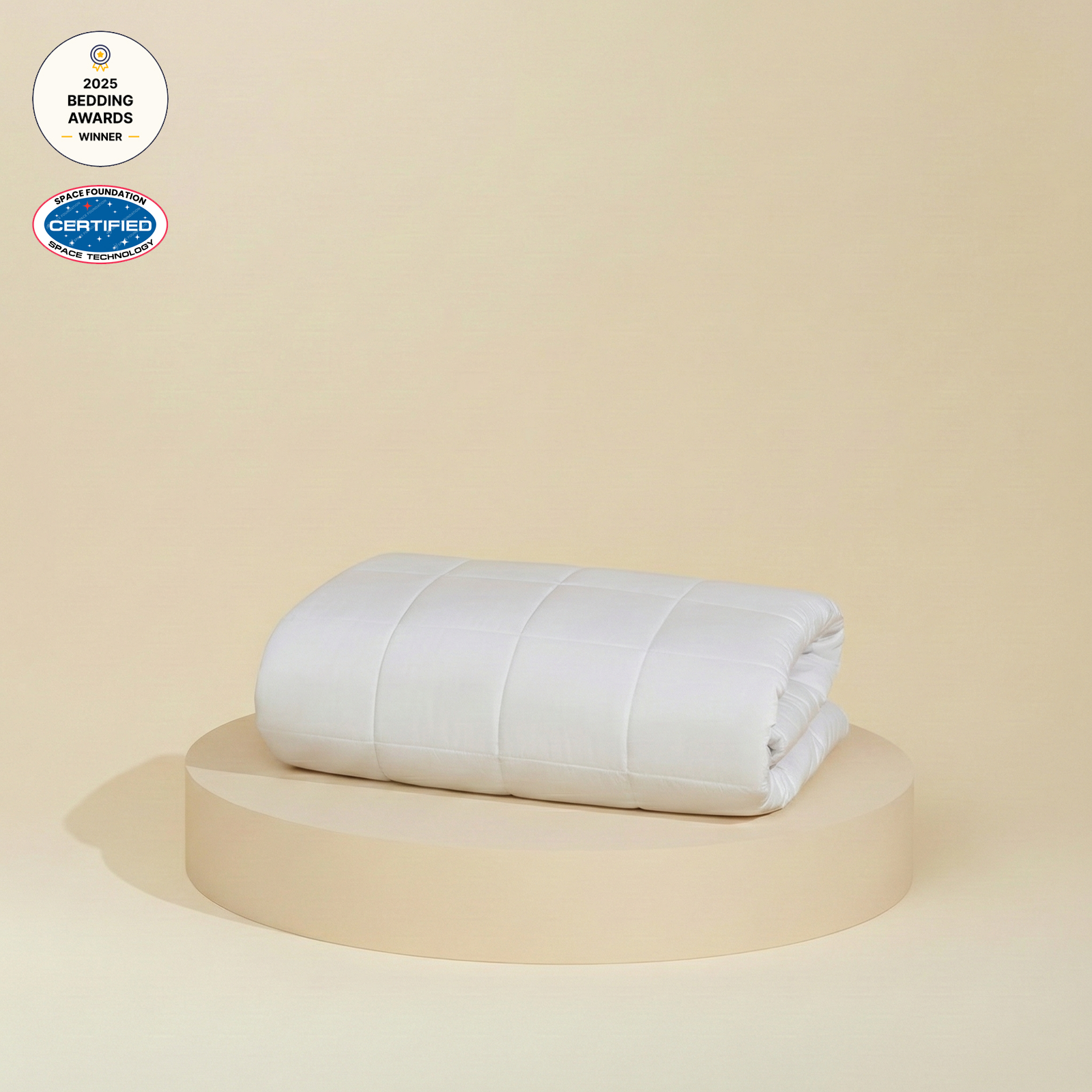
Slumber Cloud Lightweight Cooling Comforter

Averaged from 3 derived from review text
The verdict

Slumber Cloud's Lightweight Cooling Comforter is the only pick in this group that uses an active phase-change material (Outlast ClimaDry, originally developed for NASA spacesuits) rather than relying on natural fiber breathability. The PCM absorbs body heat as it builds and releases it as you cool down, which is a meaningfully different mechanism than bamboo or linen passive airflow. Reviews split between testers who swear by the night-sweat reduction and those who find the cooling underwhelming, so the 30-night trial is essential — try it before deciding.

Slumber Cloud Lightweight Cooling Comforter

Full review

Cooling Performance in Hot Sleep

Outlast ClimaDry is the only active cooling technology in this category. The phase-change material in the fill literally absorbs body heat as it builds (changing phase from solid to liquid at the microscopic level) and releases it back when you cool down. Slumber Cloud cites clinical data showing the technology "reduces night sweats by up to 50% and improves deep sleep by 20%" — claims that depend on the test protocol but are at least backed by published research rather than marketing copy. Forbes Vetted tester Bridget Chapman called the comforter "very cool to the touch" and noted it "feels cool throughout the night," which is the harder metric than first-touch cool because most blankets fail after a few hours of body heat saturation.

Healthline's review was more measured: the comforter is "cool enough to sleep comfortably," but in peak summer it "may still be too warm to use." Trustpilot reviews split the same way — some buyers swear by the night-sweat reduction, others find the cooling indistinguishable from a basic Walmart comforter. The 30-night trial is essential here because PCM cooling is genuinely different in feel from natural-fiber cooling, and individual response varies.

Feel and Drape

The Slumber Cloud Lightweight Comforter is intentionally thin — approximately quarter-inch thick — which is the trade-off for the cooling design. The Quality Edit's reviewer noted the thinner styles "help you stay cool but you lose out on the squishy cuddliness of a more traditional duvet." If you want the heavy, plush feel of a traditional comforter, this isn't it. The 300-thread-count cotton cover is breathable and softens with washing, but the quarter-inch profile reads more as a blanket than a duvet. Most buyers use it inside a duvet cover for both aesthetic and protection reasons; Slumber Cloud confirms the PCM still works through a cover.

Construction and Materials

300-thread-count 100% cotton outer cover, with a fill that's 50% Outlast ClimaDry polyester fiberfill and 50% standard polyester fiberfill. The 6-inch box-stitch quilting keeps the fill from migrating during sleep and washing. The Outlast technology was originally developed for NASA spacesuits — Outlast is the original PCM textile patent holder — and Slumber Cloud licenses the technology rather than developing their own PCM. That's a credibility advantage over generic "cooling fabric" marketing because Outlast is a published, repeatable material science rather than a vague claim.

Care and Durability

Machine wash cold on gentle, tumble dry on low. Slumber Cloud recommends washing every 1-3 months rather than weekly to extend life. The brand cautions against fabric softener (it can coat the cover fibers and reduce breathability). The 1-year warranty covers manufacturing defects but explicitly does not cover "temperature performance" — Slumber Cloud is hedging against the meaningful share of buyers who report mediocre cooling results. A few Trustpilot reviewers report "wear and tear after a few washes," though Slumber Cloud's free 30-night return makes the buyer's risk low.

Sizing and Coverage

Two sizes only — Full/Queen (90" x 98") and King/Cal King (108" x 98"). The 98-inch length runs generous compared to other cooling blankets here and gives tall sleepers tuck-under-the-feet room. No twin or twin-XL size available, which leaves out dorm and single-bed buyers. The King size at 108" wide will drape past a standard king mattress edge by a few inches on each side.

What Reviewers Loved

Forbes Vetted highlighted the active temperature regulation — the comforter doesn't just feel cool on first contact, it stays cool through the night as the PCM cycles. Business Insider's Suzy Hernandez praised how "the patented ClimaDry by Outlast fiberfill effectively adapts to temperature changes." Hunker's reviewer specifically tested it as a "NASA-approved technology" piece and found the science held up in real-world use. The Quality Edit's reviewer noted the PCM continues to work even inside a duvet cover — important because most buyers will use it that way.

Where It Falls Short

Performance varies more than any other pick in this group. Trustpilot reviewers split between "life-changing" and "indistinguishable from a Walmart comforter" — that bimodal distribution suggests PCM cooling works dramatically well for some buyers and barely at all for others. Healthline confirmed the comforter "may still be too warm to use" in peak summer months. The quarter-inch thickness lacks the squishy duvet feel many buyers want. White-only color limits aesthetic options without a cover. And the 1-year warranty doesn't cover the actual cooling performance, which is the only reason anyone buys it. Use the 30-night trial — the cooling is too individual-dependent to commit on faith.

Who It's Best For

Buyers who want active temperature regulation (phase-change material that responds to body heat) rather than passive cooling from breathable natural fibers. Night-sweat sufferers — particularly people experiencing perimenopause, menopause, or hyperhidrosis — who have tried bamboo and TENCEL options and want a meaningfully different mechanism. Anyone comfortable with a thin, quarter-inch comforter feel and willing to use the 30-night trial to verify the PCM works for their body. Skip this comforter if you want a plush duvet feel, prefer natural fibers, or want a blanket that doesn't depend on synthetic cooling tech.

How It Compares to Alternatives

Within the active-cooling-tech category, Slumber Cloud's main competitor is Sheex (CoolX technical fiber fill) and Rest's Evercool line. Sheex uses a hollow-fiber polyester rather than PCM and emphasizes moisture-wicking; Rest uses a proprietary Evercool fabric with TENCEL + Sorona fill. Slumber Cloud is the only one of the three using actual Outlast PCM with a published material-science track record dating back to NASA spacesuit development.

Against the natural-fiber picks in this round-up, the Slumber Cloud comforter is fundamentally a different product. Bamboo viscose (Cozy Earth, Luxome), eucalyptus TENCEL (Sijo), linen (Brooklinen), and cotton gauze (Quince) cool passively through breathability and moisture-wicking. The Slumber Cloud comforter cools actively through phase-change. Buyers who have tried natural-fiber blankets and felt they didn't go far enough should consider this product specifically because the mechanism is different — not because it's better in absolute terms, but because it works for some body types where natural fibers don't.

Value at This Price

Pricing varies more than other picks because Slumber Cloud runs frequent sitewide sales — the Lightweight Cooling Comforter retails at $239-$269 in Queen, often discounting to $120-$160 during Memorial Day, Black Friday, and end-of-season sales. At full price the value case is weaker; at sale pricing it's competitive with Sijo and the Brooklinen linen quilt. The 30-night trial with free returns lowers the buyer's risk dramatically, which matters for a product where individual response to PCM cooling varies so widely.

The Outlast license fee is a real cost driver — Slumber Cloud pays Outlast for the PCM intellectual property and that overhead is built into the price. Buyers who specifically want the PCM tech are paying for that license; buyers who want passive cooling will get equivalent results from the bamboo or TENCEL alternatives at lower price points. The right buying strategy is: wait for a 40-50% off sitewide sale, use the 30-night trial, and return if the PCM cooling isn't noticeably better than your previous bedding.

Long-Term Durability

Outlast PCM technology has a published shelf life of "thousands" of phase-change cycles, but the practical question is whether the fill structure holds up to repeated washing. Slumber Cloud explicitly recommends washing every 1-3 months rather than weekly to extend life, and warns against fabric softener because it coats the cover fibers and reduces breathability. A few Trustpilot reviewers report "wear and tear after a few washes," though the 1-year warranty covers manufacturing defects. The cotton outer cover is the most likely failure point — 300-thread-count cotton tears more easily than higher-thread-count alternatives — but most owners report 3-5 years of useful life with care.

Strengths

  • +NASA-derived Outlast® phase-change material clinically shown to reduce night sweats by up to 50%
  • +300-thread-count 100% cotton outer cover keeps the surface breathable while the PCM fill does the work
  • +Forbes Vetted tester reported the comforter "feels cool throughout the night," not just on first contact
  • +Lightweight quarter-inch thickness makes it ideal as a standalone summer comforter for hot sleepers
  • +30-night risk-free trial backed by Slumber Cloud's free shipping and returns

Watch-outs

  • Healthline noted that in peak summer months the comforter "may still be too warm to use"
  • Some Trustpilot reviewers found cooling performance "indistinguishable from a $20 Walmart comforter" — results vary
  • Quarter-inch profile lacks the plush, squishy feel of traditional duvets
  • Only available in white, limiting aesthetic options without a duvet cover

How it compares

The only pick here using active phase-change material (Outlast PCM) rather than passive natural-fiber cooling — meaningfully different feel and mechanism from the Cozy Earth Bamboo Blanket, Sijo Eucalyptus Bed Blanket, Brooklinen Washed European Linen Quilt, and Luxome Lightweight Blanket. More thermally responsive than any of those natural-fiber picks, but doesn't offer their hand-feel or sustainability story. Best for buyers who explicitly want active tech rather than fiber-based cooling.

Who this is for

At a glance: Night-sweat sufferers (perimenopause, menopause, hyperhidrosis) who want active temperature regulation from phase-change material, not just breathable fiber. Buyers comfortable with a thin, quarter-inch comforter feel rather than a plush duvet.

Why you’d buy the Slumber Cloud Lightweight Cooling Comforter

  • NASA-derived Outlast® phase-change material clinically shown to reduce night sweats by up to 50%.
  • 300-thread-count 100% cotton outer cover keeps the surface breathable while the PCM fill does the work.
  • Forbes Vetted tester reported the comforter "feels cool throughout the night," not just on first contact.

Why you’d skip it

  • Healthline noted that in peak summer months the comforter "may still be too warm to use".
  • Some Trustpilot reviewers found cooling performance "indistinguishable from a $20 Walmart comforter" — results vary.
  • Quarter-inch profile lacks the plush, squishy feel of traditional duvets.

Rating sources

Our 4.4 score is the average of these published ratings. Ratings marked * were derived from the reviewer’s written analysis or video transcript — the publisher didn’t print an explicit numeric score, so we inferred one from their own words. Click through to verify. More about methodology.
Frequently asked questions

Is the Slumber Cloud Lightweight Cooling Comforter worth buying?
Slumber Cloud's Lightweight Cooling Comforter is the only pick in this group that uses an active phase-change material (Outlast ClimaDry, originally developed for NASA spacesuits) rather than relying on natural fiber breathability. The PCM absorbs body heat as it builds and releases it as you cool down, which is a meaningfully different mechanism than bamboo or linen passive airflow. Reviews split between testers who swear by the night-sweat reduction and those who find the cooling underwhelming, so the 30-night trial is essential — try it before deciding.
What is the Slumber Cloud Lightweight Cooling Comforter's biggest strength?
NASA-derived Outlast® phase-change material clinically shown to reduce night sweats by up to 50%
What is the main drawback of the Slumber Cloud Lightweight Cooling Comforter?
Healthline noted that in peak summer months the comforter "may still be too warm to use"
What sources back the 4.4/5 rating?
Our 4.4/5 rating is the average of scores from 3 independent cooling blankets reviews — healthline.com, thequalityedit.com, and hunker.com. Click any source on the product page to read the original review.

How it compares

See all 5
Cozy Earth Bamboo Blanket
#1 · Top Score

Cozy Earth Bamboo Blanket

More premium feel and longer warranty than the Luxome Lightweight Blanket (also bamboo viscose), but at nearly double the price. Heavier and warmer than the Quince Organic Airy Gauze Blanket, so a better year-round pick. Lacks the phase-change tech of the Slumber Cloud Lightweight Comforter and the breezy linen drape of the Brooklinen Washed European Linen Quilt.

Sijo Eucalyptus Bed Blanket
#2

Sijo Eucalyptus Bed Blanket

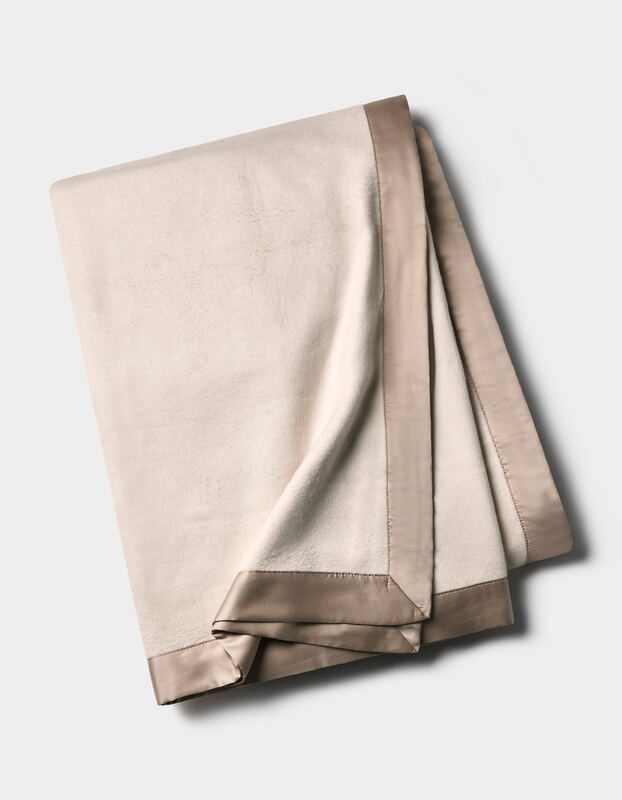
More breathable and lighter than the Cozy Earth Bamboo Blanket at one-third the price, but with less luxurious drape and a shorter trial period. Better cooling than the Luxome Lightweight Blanket because eucalyptus TENCEL outperforms standard bamboo viscose on moisture-wicking tests. Heavier and more substantial than the Quince Organic Airy Gauze Blanket, so it works as a standalone year-round blanket where the gauze quilt is mostly a summer-only layer.

Brooklinen Washed European Linen Quilt
#3

Brooklinen Washed European Linen Quilt

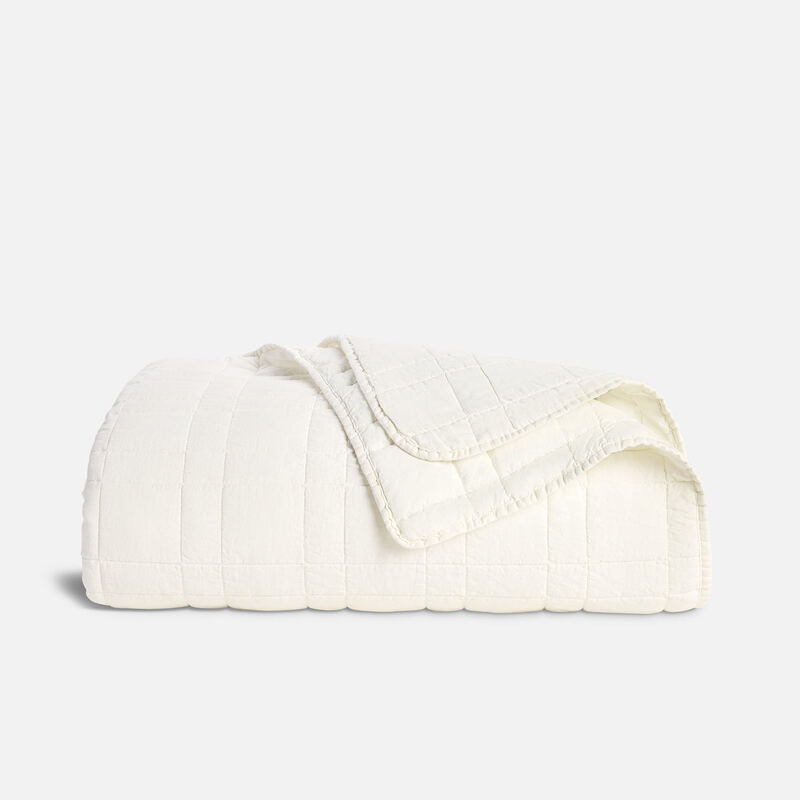
More breathable than the Cozy Earth Bamboo Blanket or Sijo Eucalyptus Bed Blanket in pure airflow terms, but doesn't wick moisture as well during heavy sweating. Heavier and more decorative than the Quince Organic Airy Gauze Blanket. Doesn't have the active cooling tech of the Slumber Cloud Lightweight Cooling Comforter, but offers a much longer return window (365 days vs 30 days).

Quince Organic Airy Gauze Blanket
#5

Quince Organic Airy Gauze Blanket

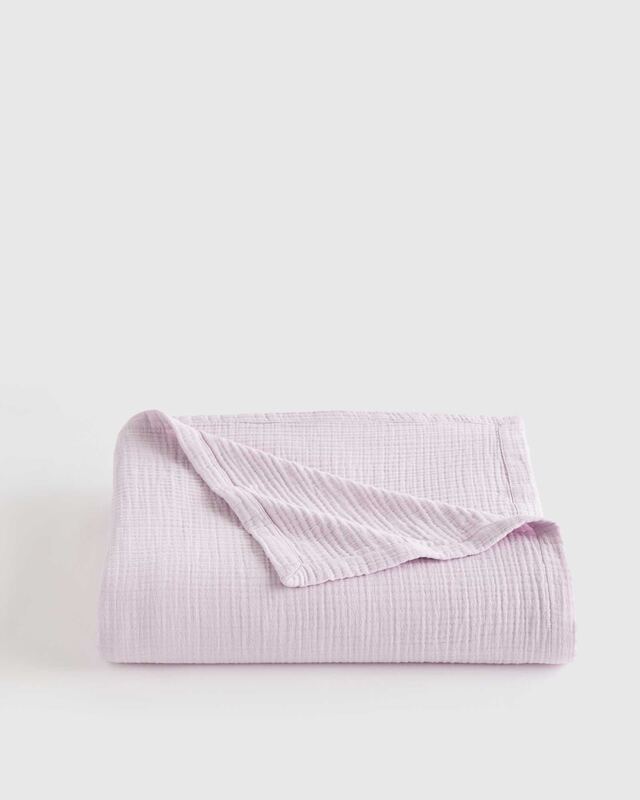
The lightest and most affordable pick in this group — meaningfully thinner and more breathable than the Sijo Eucalyptus Bed Blanket or Cozy Earth Bamboo Blanket. Better year-round single-blanket value than the Brooklinen Washed European Linen Quilt at one-third the price, but with less decorative weight. Doesn't have the active phase-change tech of the Slumber Cloud Lightweight Cooling Comforter, but offers more breathability per dollar.

Slumber Cloud Lightweight Cooling Comforter
4.4/5· $240
Buy at slumbercloud.com