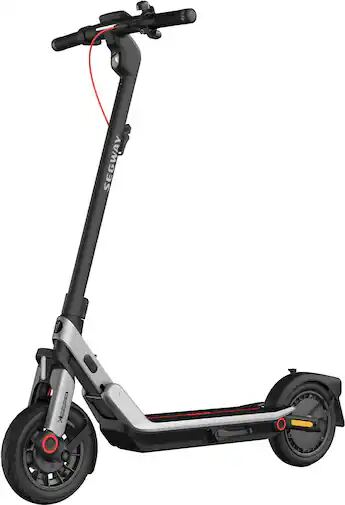
The Segway Ninebot ES3 offers an extended 28-mile range through its dual-battery system and weighs approximately 30 pounds with a convenient one-click folding mechanism, as Business Insider noted. Freshlycharged found that real-world performance typically yields between 18 and 22 miles per charge depending on rider weight and terrain. However, the scooter struggles significantly on steep inclines due to its 300-watt front motor losing substantial speed and power. The braking system is also considered eager and lacks confidence in emergency stops, requiring careful modulation to avoid sudden jerks. Solid airless tires eliminate flats but transmit vibrations over rough surfaces, while the lack of a rear taillight reduces visibility at night. This model fits riders seeking low maintenance on flat urban paths, but those commuting through hilly areas or needing robust nighttime safety should look elsewhere.
Full review
Dual battery system delivers extended range
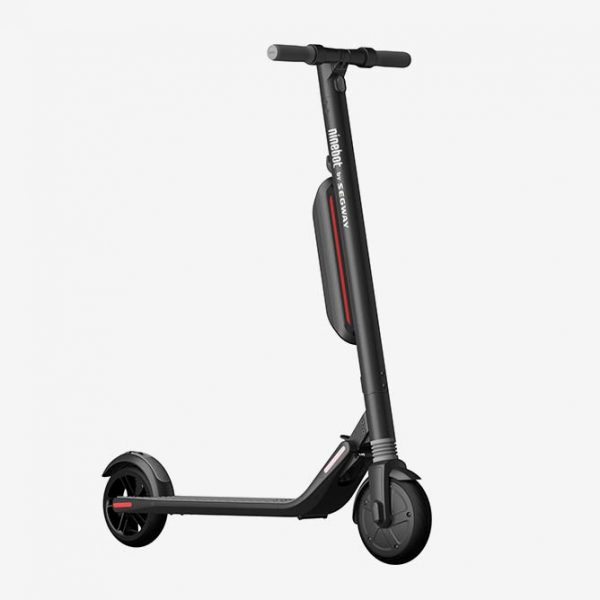
The Segway Ninebot ES3 distinguishes itself from entry-level competitors through its dual-battery architecture, which combines an internal pack with a removable external unit mounted on the stem. This configuration allows the scooter to achieve up to 28 miles of range under ideal conditions, a significant leap over previous models that relied solely on internal power sources. Freshlycharged notes that while the official rating sits at 28 miles, real-world performance in Sport mode typically yields between 18 and 22 miles per charge depending on rider weight and terrain. This extended capacity makes the ES3 viable for longer daily commutes where charging infrastructure is sparse.
The external battery adds approximately four pounds to the scooter's total weight, bringing the unit to roughly 30 pounds. While this extra mass is noticeable when carrying the device up stairs or onto public transit, it shifts slightly toward the stem without drastically altering the center of gravity for most riders. Freshlycharged points out that removing the external pack reverts the ES3 to a standard ES2 configuration, though swapping batteries requires unscrewing bolts rather than a quick-release mechanism, making frequent removal inconvenient for users who need to lighten their load daily.
Front motor struggles on steep inclines
The 300-watt front hub motor provides adequate acceleration on flat surfaces but reveals its limitations when faced with significant gradients. The Duke reported that hills effectively neutralize the scooter's momentum, causing speed to drop from cruising levels down to approximately seven miles per hour even for a rider weighing just 150 pounds. Freshlycharged confirms that while the motor can handle moderate slopes in Eco mode, riders near the 220-pound weight limit may find themselves forced to dismount and walk up steeper sections due to insufficient torque.
This power deficit is compounded by the front-wheel drive layout, which some reviewers find less intuitive than rear-drive alternatives. The Duke observed that the motor lacks the punch needed for consistent hill climbing, describing the experience as losing all speed on inclines rated around 25 percent grade. While the scooter can manage typical urban sidewalks and gentle park paths with ease, commuters in hilly cities like Montreal or San Francisco may find the ES3's performance frustratingly inconsistent when elevation changes are frequent.
Solid tires offer maintenance-free riding
The ES3 utilizes 8-inch solid rubber tires on the front and 7.5-inch units on the rear, eliminating the risk of punctures entirely. This airless design appeals to users who want a low-maintenance commuter device that does not require periodic pressure checks or patch kits for road debris. The Duke praised this feature as a major advantage over pneumatic tires, noting that the solid construction contributes to a surprisingly comfortable ride when combined with the front shock absorber.
However, the lack of air in the tires also means less natural cushioning against sharp impacts like curbs or potholes. MSG Moto described the road manners on these solid tires as terrible for rough asphalt but acceptable for smooth park paths and sidewalks. The firmness can transmit vibrations to the rider's hands and feet at higher speeds, making the scooter feel sketchy over uneven terrain despite the structural stability provided by the wide tread.
Eager braking requires careful modulation
The braking system combines an electronic front brake with a mechanical rear foot brake that activates when the rider stomps down on the rear fender. Business Insider reported that the electronic brake is notably eager, often jerking the scooter to a complete stop if applied too aggressively while descending hills. This sudden deceleration can be startling for new users who are not accustomed to modulating their thumb throttle and brake lever simultaneously.
MSG Moto expressed less confidence in the overall stopping power of the ES3 compared to higher-end models, noting that the braking feel does not inspire trust during emergency stops. The reliance on a foot-operated mechanical brake adds an unconventional layer of complexity; riders must lift one foot from the deck and apply downward pressure with their heel to engage it. While this design reduces maintenance by eliminating traditional caliper pads, it requires practice to master smooth deceleration without startling passengers or losing traction.
Lighting setup lacks rear visibility
Visibility at night is a mixed bag on the ES3. The front headlight receives praise for its brightness and range, with The Duke calling it one of the best in its class for illuminating the path ahead. However, the scooter completely omits an active rear taillight, relying instead on passive reflectors to catch light from vehicles behind.
This omission raises safety concerns for urban commuters who ride in traffic after dark. The Duke explicitly cited the lack of a functional brake light or steady rear illumination as a worrying design choice that makes the scooter less visible to drivers. Without an active red light, the ES3 blends into shadows more easily than competitors that include integrated LED taillights powered by the main battery.
Compact folding mechanism aids portability
Portability remains a strong suit for the ES3 thanks to its one-click folding lever and relatively light 30-pound frame. Business Insider highlighted how easy it is to fold the scooter down and carry it up apartment stairs or store it in small living spaces, a critical feature for city dwellers with limited storage. The locking mechanism feels secure when folded, snapping into place against the fender to prevent accidental unfolding during transport.
The folding design also makes the ES3 suitable for multi-modal commuting, allowing riders to bring it onto trains or buses where larger scooters are prohibited. MSG Moto appreciated the compact nature of the device once folded, noting that it fits easily in car trunks and does not dominate space like bulkier electric bikes. The lightweight construction ensures that even with the external battery attached, carrying the unit for short distances remains manageable.
Strengths
- +Dual battery system provides up to 28 miles of range in ideal conditions
- +Weighs approximately 30 pounds and features a one-click folding mechanism for portability
- +Equipped with solid airless tires that eliminate the risk of flats
Watch-outs
- −Struggles significantly on steep inclines, losing substantial speed and power
- −Braking system is considered eager and lacks confidence in emergency stops
- −Lacks a rear taillight, relying only on reflectors for visibility from behind
How it compares
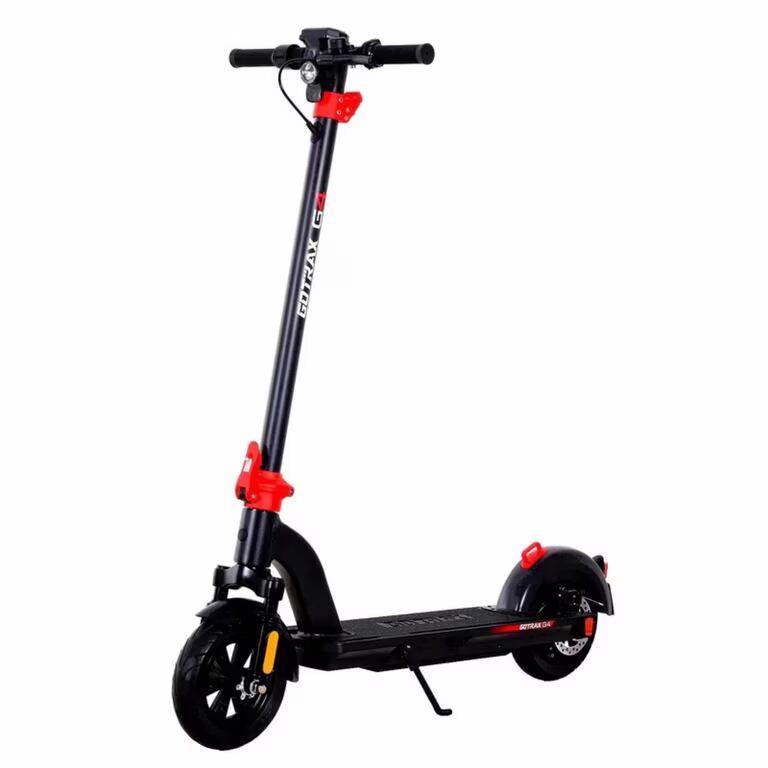
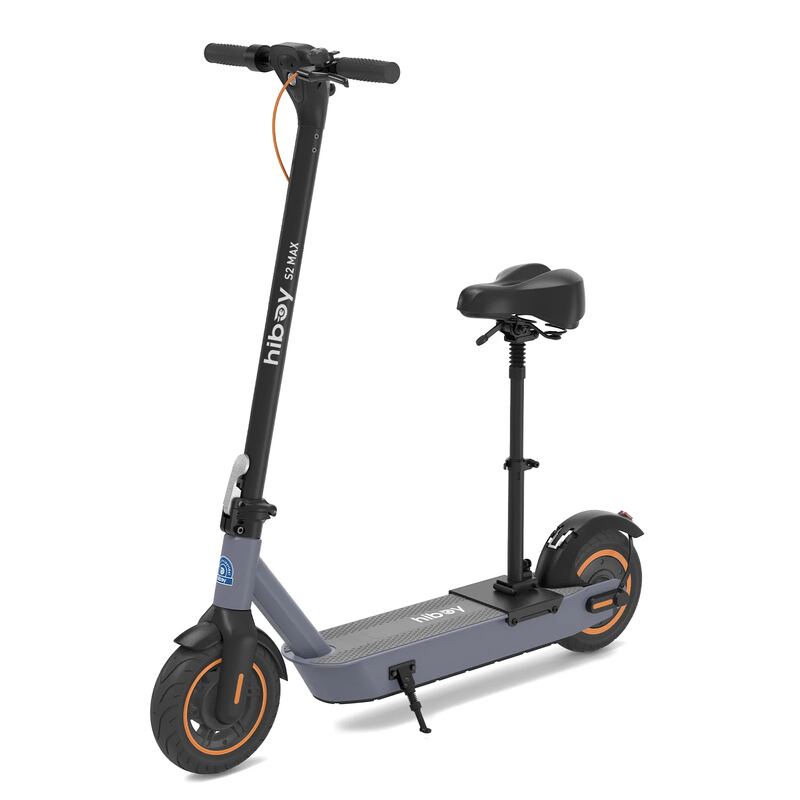
The Segway Ninebot ES3 features solid airless tires that eliminate the risk of flats, a maintenance advantage over the pneumatic tires found on both the Gotrax G4 and Hiboy S2 Max. However, it struggles significantly on steep inclines due to its 300W motor, whereas the Hiboy S2 Max handles steep grades effectively with its more powerful 500W unit.
Rating sources
“overall because of the price point that I paid for this which it's 150 for the scooter and 70 dollars for a new battery but the external battery let's be clear I'm happy with it”
“I do feel myself being drawn towards one with better braking system so in the near future I might return this one and pick up the Segway ninebot max just for the added features of the brake”
Our 2.8 score is the average of the 2 scored reviews above; 2 more reviewed it without printing a score and are not in the average. Ratings marked * were derived from the reviewer’s written analysis or video transcript — the publisher didn’t print an explicit numeric score, so we inferred one from their own words. Click through to verify. More about methodology.