Peak Design's Travel Tripod is built around packing flat: five leg sections collapse into a 15.2-inch column just 2.75 inches at its widest, with the ball head nested inside rather than bolted on top. Fstoppers rated the locking mechanism highly, and The Adventure Portal put the aluminum version through salt, dust and Arctic cold without damage. It is heavier than a carbon tripod and gets unsteady with the center column fully raised in wind.
Full review
Folds to 15.2 inches and 2.75 across
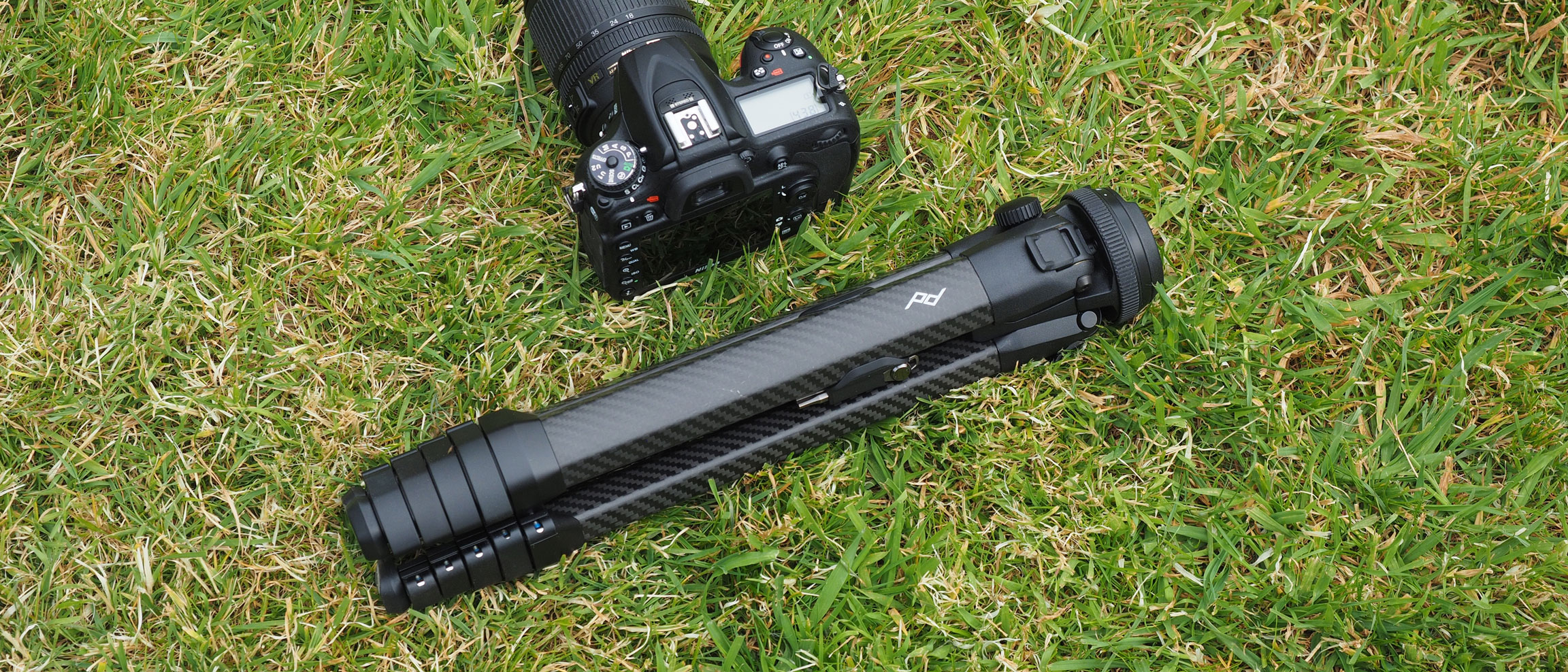
The whole point of the design is packing. Five leg sections and a head that nests inside the leg cluster collapse into a column 15.2 inches long and 2.75 inches at its widest, with no wasted air between the legs. It stands 60 inches at full extension and drops to about 5.5 inches for low work. Against a conventional travel tripod of similar height it takes up markedly less room in a bag.
A ball head with two rings instead of knobs
The integrated ball head replaces knobs with two rotating rings: one secures the quick-release plate, the other locks the ball. The Adventure Portal describes the action as needing little force to move and holding without sag once tight, and switching between landscape and portrait needs no extra hardware. A phone mount stows under the center column, which is convenient rather than pleasant to use.
Unsteady at full center-column height in wind
With the center column fully raised and a mirrorless body on top, the tripod becomes unsteady in wind, and the fix is the usual one: drop the column and accept the lower height. Rated load is just over 20 pounds, generous for the size, but the wind behavior at maximum extension is the practical ceiling rather than the number. Fstoppers found the extra mass of the aluminum version an advantage in exactly those conditions.
Leg cams arrive loose from the factory
Several leg cams shipped loose and needed the supplied tool to tighten, and the tool lives in a plastic sleeve on one leg that it keeps falling out of. The carry case has a zipper that fights being closed. None of this affects how the tripod works, but on a product at this price it is the sort of detail reviewers notice and repeat.
Salt, dust and Arctic use without corrosion
Acoustic Nature reported months of field use across high elevation, salt beaches and desert dust with the mechanism still moving cleanly and no corrosion. The Adventure Portal ran the aluminum version through Oregon, Utah desert and Arctic coast conditions and reached the same conclusion. For a tripod whose flip locks and machined cams look like they should trap grit, that record is the strongest thing in its favor.
3.44 pounds of aluminum against 2.81 of carbon
The aluminum version weighs 3.44 pounds and the carbon one 2.81, and the price gap between them is substantial for the weight saved. In wind the heavier version is arguably the better tool, and the money is better spent on a spare plate or a proper case. Buyers counting every ounce on foot will still want the carbon; everyone else is paying for a number rather than an experience.
Strengths
- +Compact folded size at 15.2 inches long and 2.75 inches wide
- +Excellent stability for its size with a very 'dead' feel
- +Fast deployment and adjustment mechanism
- +Durable aluminum alloy construction with minimal packaging
Watch-outs
- −Heavier than carbon fiber alternatives at 3.44 lbs
- −Standard ball head requires additional accessories for some setups
How it compares
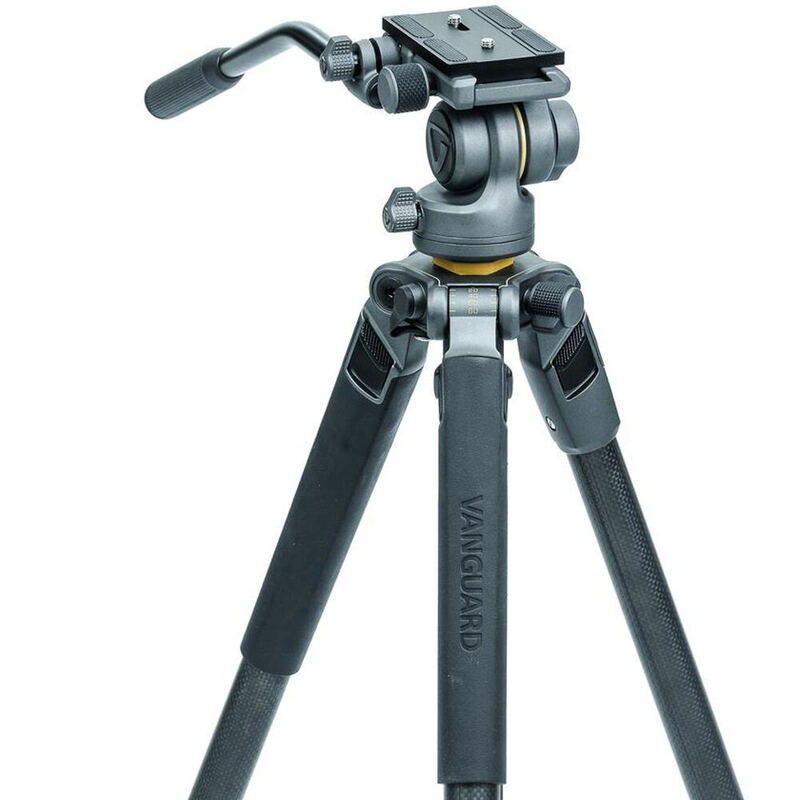
The Peak Design Travel Tripod offers superior stability and fast deployment compared to the Vanguard tripod which is more compact but less stable for its size. Unlike the Manfrotto 055XProB, it provides a more user-friendly locking mechanism and better build quality.
Rating sources
“The locking mechanism on the Peak Design travel tripod makes dropping the camera far less likely than with the other model I used.”
“The little tripod that could has been all over Oregon, beaten around in the deserts of Utah and even made it as far as the Arctic Ocean at Barrow, Alaska. Through it all, it delivered impressive performance and durability, with very few compromises.”
Our 4.6 score is the average of these published ratings. Ratings marked * were derived from the reviewer’s written analysis or video transcript — the publisher didn’t print an explicit numeric score, so we inferred one from their own words. Click through to verify. More about methodology.