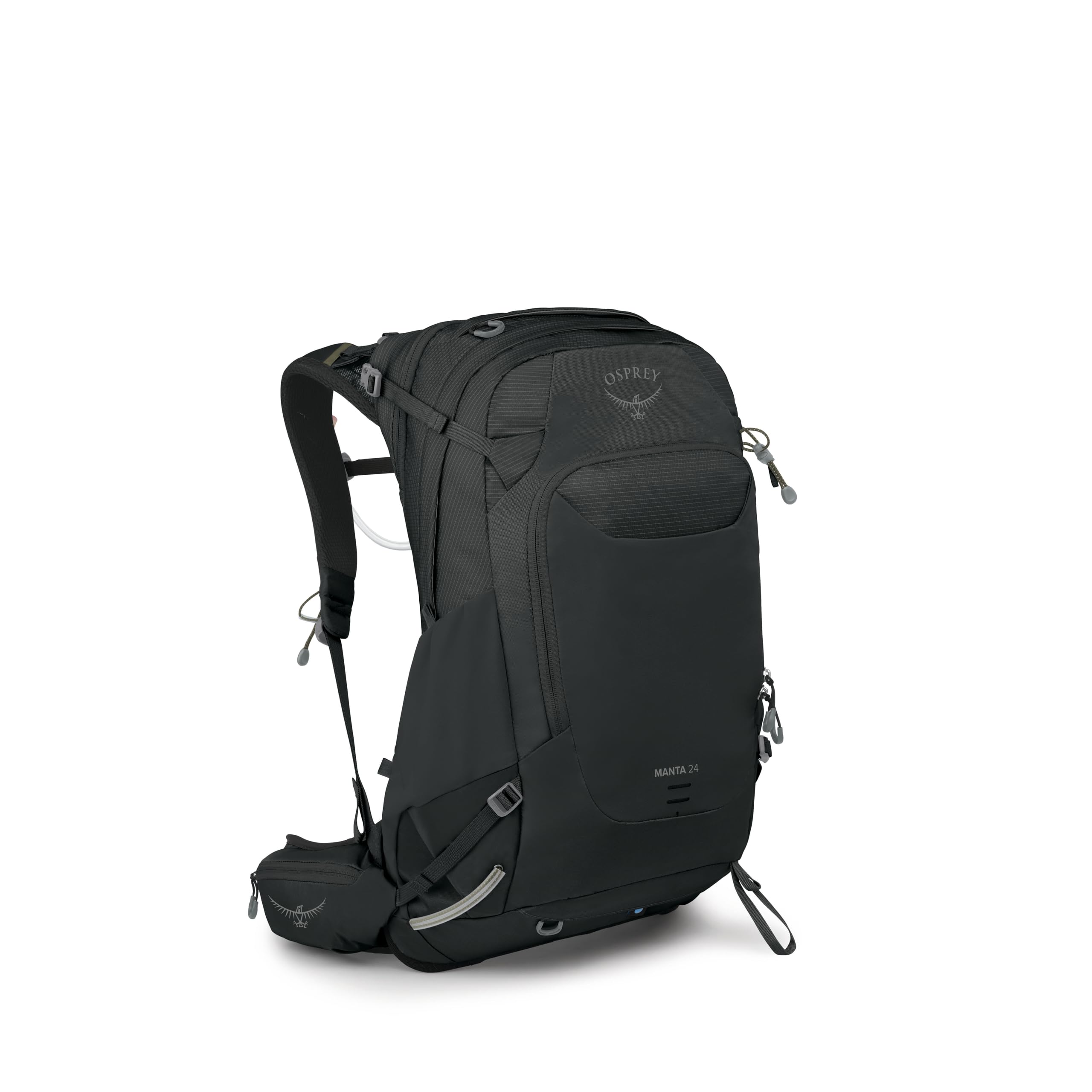
The Osprey Manta 24 features an AirSpeed tensioned mesh back panel and a 10.2 cm adjustable torso harness, which Advnture found creates a premium carrying sensation with plush EVA padding. It includes a 2.5L Hydraulics LT reservoir and rain cover out of the box, while Mountainsforeverybody noted the suspension effectively detaches the load for improved breathability during strenuous activity. However, reviewers flagged its 1.3kg weight as heavy for a 24-liter capacity bag, and Roamingthetrails identified that the hip belt zippered pockets are difficult to operate with gloves or in motion. This pack fits hikers carrying dense technical gear who prioritize load distribution over minimalism, but casual commuters should look elsewhere due to its bulk and specialized features.
Full review
AirSpeed suspension and adjustable torso fit
The Osprey Manta 24 utilizes an AirSpeed tensioned mesh back panel that separates the pack structure from the wearer's spine, creating a ventilated channel for airflow. Mountainsforeverybody found this design completely detaches the load from the body rather than pressing against it, which significantly improves breathability during strenuous climbs. The system relies on a LightWire peripheral frame to transfer weight down to the hip belt, functioning similarly to larger multi-day packs despite its 24-liter daypack classification.
A critical update for this model is the inclusion of an adjustable torso harness that provides up to 4 inches (10.2 cm) of vertical range. This allows hikers with varying body proportions to position the shoulder straps and hip belt correctly, ensuring the load sits securely on the iliac crest rather than sliding down the lower back. The sternum strap features a magnetic buckle for quick adjustment while wearing gloves or in motion, adding convenience during technical scrambling.
The harness system is fully gender-specific, with the Manta tailored for male anatomy and the Mira designed for female geometry. Advnture noted that the plush EVA padding on both shoulder straps and hip belt creates a premium carrying sensation that feels far more substantial than standard lightweight daypacks. This high-end construction ensures that even when loaded near its maximum capacity, the pack remains comfortable and stable.
1.3kg weight versus load hauling capability
Advnture measured the empty pack at 1.3kg (46oz), a figure that reviewers consistently flagged as heavy for a 24-liter capacity bag. This mass comes from the robust LightWire frame, thick padding, and durable recycled nylon construction, which prioritizes load distribution over ultralight minimalism. The trade-off is evident when comparing it to simpler packs; while it lacks the featherweight profile of basic daypacks, it offers structural support that lighter alternatives cannot match.
Despite its substantial empty weight, Australianhiker.com.au reported that the suspension system excels at hauling heavy loads, with a rated capacity between 5kg and 18kg. The reviewer noted carrying 14kg comfortably during mountain hikes, stating that the pack handles this weight better than many larger overnight packs due to its engineered hip belt transfer. This makes it an ideal choice for hikers who carry small but dense items like water reservoirs or technical climbing gear.
The durability of the materials contributes to the overall mass. The pack is constructed from Bluesign approved, 100% recycled 210D high-tenacity honeycomb contrast nylon with a PFAS-free DWR treatment. This fabric resists abrasion and assault from mountain elements effectively, though it is not fully waterproof on its own. The heavy-duty construction ensures longevity but adds to the base weight that hikers must carry.
Ten-pocket storage configuration
The Manta 24 splits its 24 liters of capacity across ten distinct compartments, catering to system-oriented hikers who require organized access. Advnture highlighted the sheer number of pockets as a key feature, noting that tools and trinkets are kept separate rather than buried in the main body. This includes two zippered hip belt pockets, dual-entry side mesh pockets for bottles or gear, and a large front pocket with internal organization.
A standout storage element is the dedicated compartment located beneath the external stretch mesh on the front panel. Mountainsforeverybody described this space as remarkably roomy, comparable in volume to the main reservoir compartment itself. It features an internal mesh pocket and key clip, providing a secure location for valuables or layers that need quick access without unpacking the entire bag.
Hydration management is handled by a separate rear compartment behind the harness, which houses the included 2.5-liter Osprey Hydraulics LT reservoir. This design keeps the main body free for other gear and protects the bladder from punctures. The reservoir features a wide-opening slider cap with an attached cord to prevent loss, along with a magnetic bite valve that snaps securely to the sternum strap for easy drinking.
Technical climbing attachments
The pack includes dedicated attachment points for technical mountain use. A large loop on the bottom of the pack pairs with a bungee tie-off near the top to secure an ice axe, making it suitable for light winter walking and scrambling. Australianhiker.com.au confirmed that these features allow the Manta 24 to transition seamlessly from summer hiking to alpine environments.
Trekking poles are managed via Osprey's Stow-On-The-Go system, which attaches directly to the shoulder straps. This allows hikers to secure their poles without removing the pack, keeping hands free for balance on steep terrain. The attachment points are reinforced and positioned to keep the poles stable during movement.
A safety light attachment point is located near the bottom of the pack for visibility in low-light conditions. However, Advnture noted that the Manta 24 lacks an integrated safety whistle and is not compatible with twin ice axes. This limitation restricts its utility for more advanced technical climbing scenarios where two tools are required simultaneously.
Hip belt pocket usability issues
While the hip belt pockets offer convenient storage, Roamingthetrails identified a significant ergonomic flaw in their design. The reviewer found that operating the zippers often requires both hands and precise manipulation, making them difficult to use while hiking or wearing gloves. This friction defeats the purpose of quick-access waist pockets, forcing users to stop and fully remove the pack to retrieve items.
This usability issue is compounded by the fact that the hip belt itself is quite wide with substantial padding. While this provides excellent comfort for heavy loads, it limits the range of motion for reaching into the side pockets without twisting the torso. Hikers who rely on frequent access to snacks or electronics may find these pockets frustrating despite their generous size.
The magnetic sternum strap buckle helps mitigate some accessibility issues by allowing one-handed adjustment, but it does not solve the zipper problem on the hip belt. Users must weigh the comfort benefits of the wide padding against the inconvenience of struggling with small zippers in motion.
Structural stability and self-standing design
The rigid LightWire frame and structured back panel give the Manta 24 a bulky profile that affects how it sits on the ground. Roamingthetrails noted that the pack cannot stand upright on its own due to the curvature of the suspension system. This makes accessing gear in the main compartment difficult unless the hiker leans the bag against a tree, rock, or other surface.
This lack of self-standing capability is a direct result of the ergonomic design intended to fit the human back. While it prevents the pack from tipping over when worn, it creates an inconvenience during rest stops where quick access to bottom-layer items is needed. Hikers must plan their packing order carefully to avoid burying frequently used gear at the base.
Suitability for heavy day loads
The Manta 24 is best suited for hikers who carry small but heavy loads, such as technical climbing gear or large hydration systems. Australianhiker.com.au recommended it specifically for those who want a smaller version of Osprey's full-featured larger packs, emphasizing its ability to haul up to 18kg comfortably. It is less ideal for ultralight enthusiasts who prioritize minimal weight over organizational complexity.
The included 2.5L reservoir and rain cover add value for day hikers in variable weather conditions. Roamingthetrails praised the inclusion of these items, noting that they eliminate the need to purchase accessories separately. The pack's versatility makes it a strong candidate for avid adventurers who spend significant time outdoors and need reliable protection for their gear.
Conversely, the pack is not recommended for casual urban commuters or travelers seeking a lightweight carry-on bag. Its technical features, heavy weight, and bulky profile make it over-engineered for city use. The high price point further limits its appeal to budget-conscious shoppers who do not require the advanced suspension system.
Strengths
- +Includes a 2.5L Osprey Hydraulics LT hydration reservoir and integrated rain cover out of the box
- +Features an adjustable torso harness system with up to 4 inches (10.2 cm) of range for customized fit
- +Utilizes a ventilated AirSpeed tensioned mesh back panel that separates the pack from the wearer's back
- +Constructed from Bluesign approved, 100% recycled 210D high-tenacity honeycomb contrast nylon
Watch-outs
- −Weighs 1.3kg (46oz), which reviewers noted is heavier than expected for a 24-liter daypack
- −Lacks an integrated safety whistle and is not compatible with twin ice axes
- −Hip belt zippered pockets can be difficult to operate while wearing gloves or in motion
How it compares
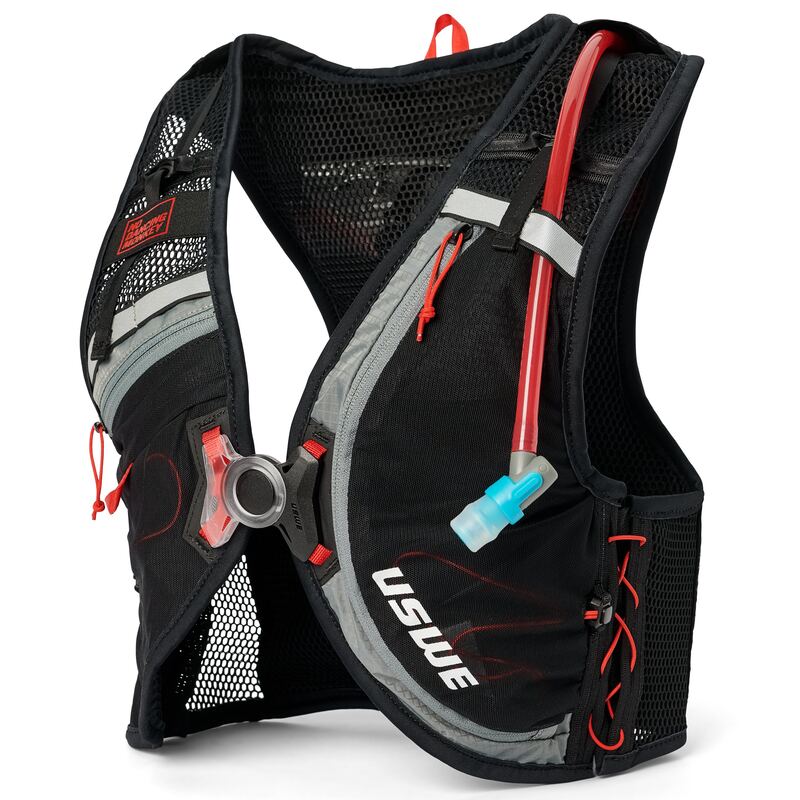
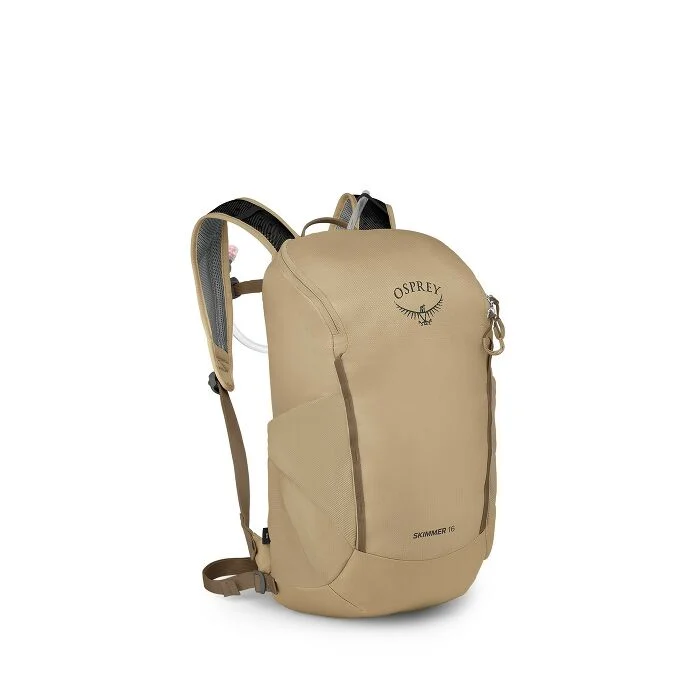
It includes a rain cover out of the box, unlike the Osprey Skimmer 16 which omits one entirely, though it weighs heavier at 46oz compared to the USWE Rush 8L's 318 grams.
Rating sources
Counts as 4.55/5 in our score — this publisher's 2 scores on the site average 4.00, so its scores are adjusted up to compare fairly with other publishers.
Counts as 4.36/5 in our score — this publisher's 3 scores on the site average 4.53, so its scores are adjusted down to compare fairly with other publishers.
Our 4.4 score is the average of the 3 scored reviews above, each adjusted for how strictly its publisher scores; 3 more reviewed it without printing a score and are not in the average. More about methodology.