The Ombraz Refugio eliminates temple pressure headaches through an armless cord design that distributes weight evenly and stays secure during high-output activities like running or skiing, as The Radavist found it exceptionally comfortable for extended excursions. Integrated nose pads improve ventilation to reduce fogging compared to previous models, though Runners World notes that heavy sweating can still cause pooling at the lens bottom. While TR-90 frames are virtually indestructible and pack flat, FindYourHavenOutdoors highlights that requiring two hands to put on or take off the glasses makes them inconvenient for quick removal during short errands. The non-polarized Zeiss lenses preserve terrain contrast but may not satisfy users needing glare reduction for water sports.
Full review
Armless cord eliminates temple pressure headaches
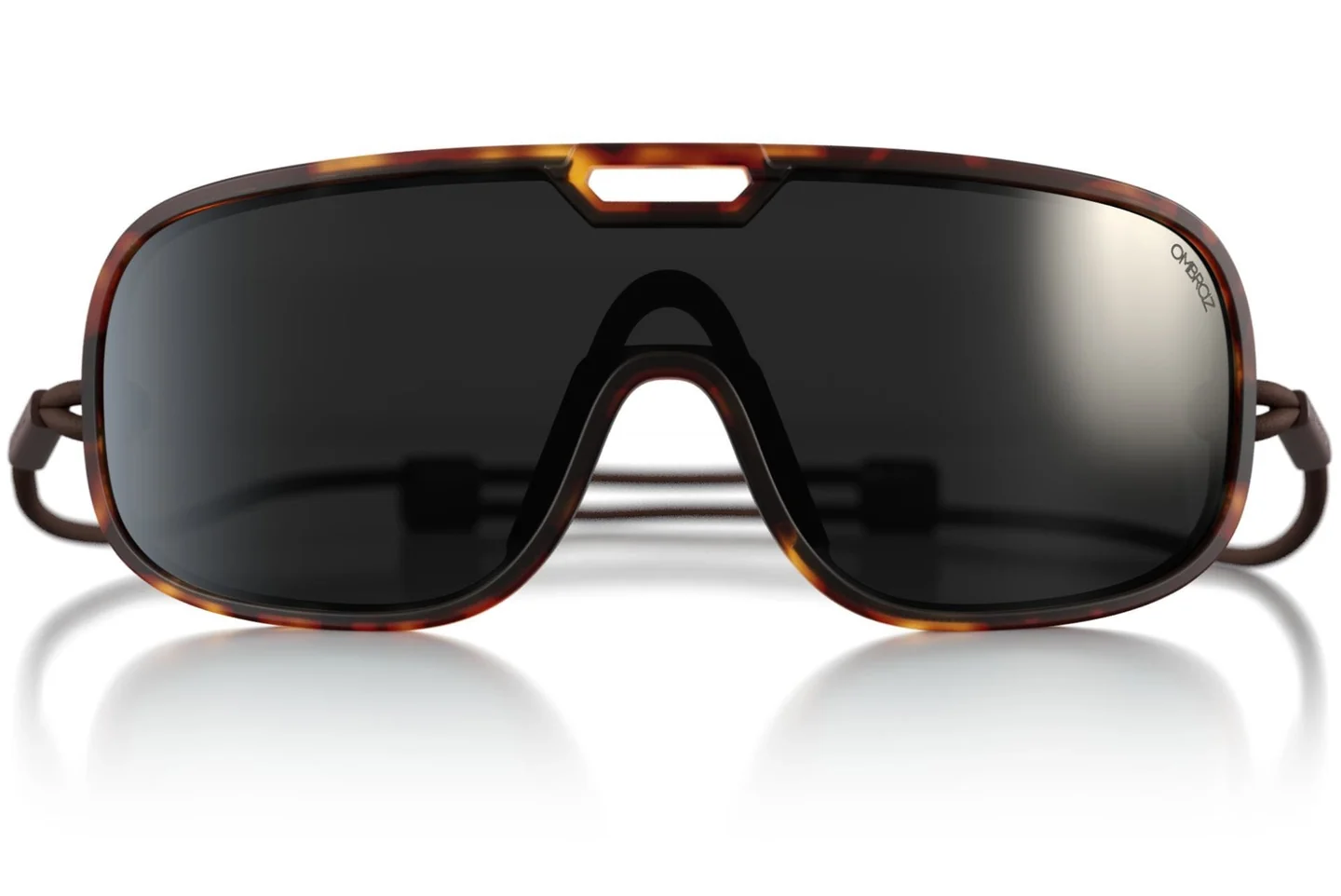
The defining architectural shift in these shades is the removal of traditional temples, replaced by a woven adjustable cord that wraps around the back of the head. This design choice fundamentally alters how the eyewear interacts with facial anatomy during prolonged wear. The Radavist notes that removing the arms eliminates the friction and digging into the temple area that often causes headaches after long days in the sun, making them exceptionally comfortable for extended outdoor excursions like river guiding or packrafting.
FindYourHavenOutdoors highlights that the armless design does not create any pressure on the side of the head, which can otherwise cause headaches during all-day mountain biking or trail running. The soft cordage distributes weight evenly without creating hot spots behind the ears, a benefit specifically noted by Runners World as crucial for users with sensory sensitivities who find standard frames claustrophobic.
The physical result is an eyewear system that feels nearly nonexistent once adjusted correctly. The cord allows for a custom fit every time it is donned, ensuring that the glasses remain comfortable regardless of whether they are worn over a hat or directly against the skin.
Integrated nose pads solve previous ventilation issues
Previous iterations of Ombraz eyewear frequently suffered from fogging and cheek sweat because the frames sat directly against the face. The Refugio addresses this mechanical flaw by introducing fully integrated, sculpted nose pads that lift the frame away from the brow bone. Bike Gear Database records that this new riser design provides a more stable fit with significantly better ventilation overall, resolving two of the three common complaints associated with earlier armless models.
The spacing created by these internal pads is critical for airflow during high-output activities. Gravelstoke explains that the integrated nose pads offer subtle lift away from the brow, increasing ventilation and reducing fogging while preventing lens smudging during sustained efforts like alpine climbing or desert scrambles. This engineering change allows the glasses to perform in environments where traditional sunglasses would quickly become obscured by condensation.
Despite these improvements, heavy perspiration can still present a challenge for certain users. Runners World notes that if you are a heavy sweater, sweat might pool at the bottom of the lens where it meets your cheek, as the shield design blocks airflow from below just as effectively as it blocks wind and debris. The air circulation is improved compared to older models, but the fundamental physics of a full-shield frame mean that extreme sweating can still lead to condensation issues near the lower rim.
Non-polarized Zeiss optics preserve terrain contrast
The optical specification for this model is strictly non-polarized, utilizing Carl Zeiss lenses in Grey Silver Mirror, Grey Black Mirror, and Brown Copper Mirror tints. Bike Gear Database praises the neutral detail and crisp visibility of these Zeiss optics, noting that shadow definition and transitions between light and dark remain clear without turning shadows into black holes, a common issue with polarized or high-contrast Chroma-pop lenses.
The decision to omit polarization is rooted in performance requirements for dynamic environments. Gravelstoke points out that while polarized lenses eliminate glare effectively on water, they can mask critical visual cues like icy patches on roads or subtle terrain changes on trails. Non-polarized optics preserve natural contrast and depth perception, allowing athletes to react faster when navigating technical descents or changing light conditions.
This optical choice also ensures compatibility with digital displays. Bike Gear Database highlights that non-polarized lenses enhance screen visibility for bike computers, navigation devices, and phones, preventing the blacking out of screens that often occurs when looking through polarized filters mid-ride. The Air Land and Sea adds that these lenses provide excellent clarity in high-reflective environments like icy slopes and sunny asphalt, making them versatile across skiing, cycling, and paddling.
Secure fit withstands aggressive movement
The cord retention system creates a lock-in performance that traditional spring hinges cannot match. Runners World confirms that the tension is easy to adjust with one hand and, once set, the glasses do not budge during sprints, dodging obstacles, or bouncing down hills. The lack of arms means there are no leverage points for the glasses to pivot off the face when hitting bumps, making them exceptionally stable on rowdy terrain.
This security is particularly valuable in high-risk environments where losing eyewear is dangerous or costly. The Air Land and Sea reports that the sunglasses stay put even during aggressive skiing under a helmet and remain secure while kayaking or paddleboarding. Southwest Hikes emphasizes that they never fall off or bounce, even on rugged mountain bike rides, allowing users to focus entirely on the trail without reaching up to push their glasses back into position.
The stability extends to activities where water is involved. The Air Land and Sea notes that with a separate retainer strap sold by the manufacturer, these sunglasses float in the water, eliminating the worry of losing them during whitewater runs or ocean swims. This combination of secure fit and buoyancy makes them a practical choice for watersports enthusiasts who need reliable eye protection without the anxiety of dropping their gear.
Two-handed operation limits quick on-off use
The very mechanism that secures the glasses also introduces friction in everyday convenience scenarios. FindYourHavenOutdoors points out a specific annoyance: if you are driving for short distances or running errands around town, needing both hands to slide the glasses on or off makes them cumbersome compared to standard eyewear. The cord requires manual adjustment via the zip-clip behind the head, which interrupts the fluid motion of quickly removing shades upon entering a building.
This limitation is echoed by other reviewers who value versatility across different activity types. The Air Land and Sea adds that while the cord takes a bit of getting used to, it requires two hands to operate effectively, making one-handed slipping on or off difficult and awkward.
For users who frequently transition between indoor and outdoor environments during short trips, this operational requirement can be a significant drawback. While the system is highly effective for long-duration activities like bikepacking, trail running, or skiing where eyewear stays on for hours, it lacks the immediacy of traditional temples for casual wear patterns that demand rapid adjustment.
TR-90 nylon frames offer crushproof durability
The frame construction utilizes TR-90 aerospace-grade nylon, a material chosen for its combination of ultralight weight and extreme resilience. Believe in the Run describes these frames as virtually indestructible, noting that they resist bending or warping even after being tossed into running duffels or subjected to rough handling. The absence of metal hinges removes the most common failure point found in conventional sunglasses.
This durability translates directly to packability and travel convenience. Bike Gear Database highlights that because there are no rigid arms to snap, the glasses can be folded completely flat for storage without worrying about breakage. Off-Piste Magazine adds that they rest comfortably around the neck when not in use, eliminating the need for a bulky hard case during activities like hiking or cycling.
The material also contributes to long-term comfort by maintaining its shape over time. Runners World notes that the frames shrug off smudges and scratches while resisting deformation, ensuring that the fit remains consistent season after season. The lightweight nature of the TR-90 nylon means users often forget they are wearing them, a quality that Southwest Hikes praises for big days on trail where heavy eyewear can become fatiguing.
Italian manufacturing establishes production provenance
The Refugio represents Ombraz's complete transition to Italian manufacturing, with both the frames and lenses produced in a family-owned workshop in Northern Italy. Gravelstoke details that this facility is located just five miles from their Carl Zeiss lens partner, allowing for tight quality control over the optical components. Every pair is hand-painted and hand-assembled, with Made in Italy engraved on the right zip-clip.
This production shift also brings a strong sustainability narrative to the product's provenance. Gravelstoke reports that the closed-loop production system runs entirely on solar energy, utilizing electric injection molding to reduce oil consumption and capturing all water for recirculation.
The commitment to European manufacturing distinguishes this model from many competitors that rely on Asian production lines. Southwest Hikes notes the eco-friendly design aspects, including plant-based materials and plastic-free shipping, which align with the values of outdoor enthusiasts concerned about environmental impact. This provenance adds a layer of craftsmanship quality that reviewers associate with the premium positioning of the eyewear.
Strengths
- +Armless design eliminates pressure points and headaches behind the ears caused by traditional temples.
- +Secure, non-slip fit stays locked in place during high-output activities like running, cycling, and skiing without bouncing or sliding.
- +TR-90 aerospace-grade nylon frames are virtually unbreakable and pack completely flat for travel or storage in pockets.
- +Integrated nose pads provide enhanced ventilation to reduce fogging on sweaty climbs compared to previous Ombraz models.
Watch-outs
- −Requires two hands to put on and take off, making them inconvenient for quick removal during short errands.
- −Non-polarized lenses may not satisfy users who specifically require glare reduction for water sports or bright beach environments.
- −Sweat pooling can occur at the bottom of the lens near the cheek if the user is a heavy sweater.
How it compares
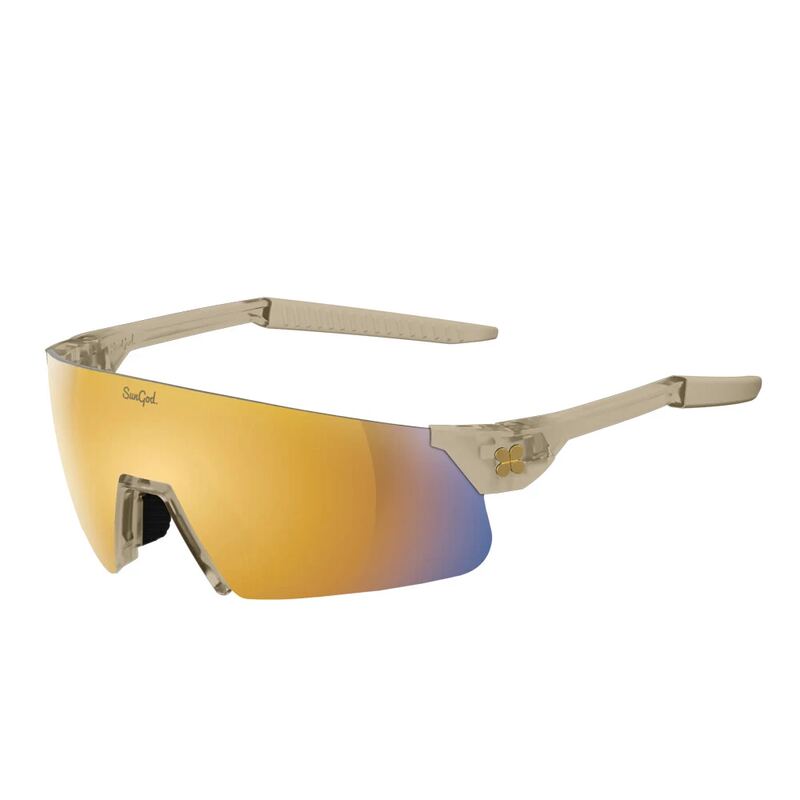
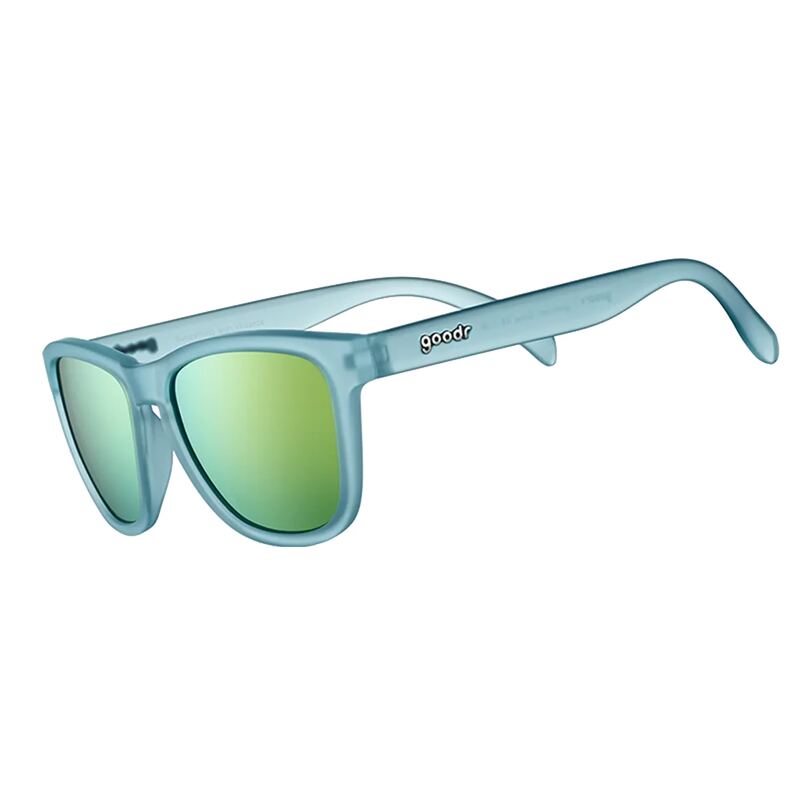
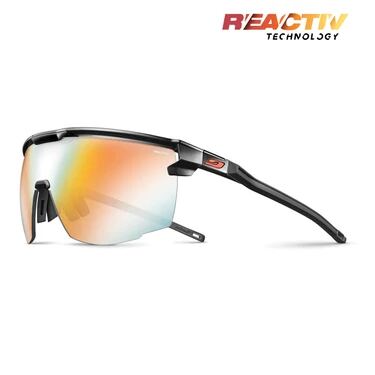
The Ombraz Refugio replaces temples with a cord, where the Goodr OG keeps temples with a grip coating and the Julbo Ultimate Reactiv has moldable CustomFIT temples. It takes two hands to put on or take off. Its Zeiss lenses are non-polarized, while the Goodr OG's are polarized, and it costs more than the Goodr OG.
Rating sources
“Designed for sweaty climbs and blown-out descents, it’s the first pair Ron Lewis wears without complaint. No fog, no bounce, no BS.”
“I have been running the charcoal frames with the brown lens with bronze mirror. I love the brown lens for most conditions and the lens clarity is unreal!”
“I’m Obsessed With My Ombraz Armless Sunglasses—And You Should Try Them, Too”
“Not only are Ombraz sunglasses perfectly functional, but they are also more comfortable and stay in place better than any standard shield sunglasses I have used.”
Our 4.5 score is the average of the 4 scored reviews above; 5 more reviewed it without printing a score and are not in the average. Ratings marked * were derived from the reviewer’s written analysis or video transcript — the publisher didn’t print an explicit numeric score, so we inferred one from their own words. Click through to verify. More about methodology.