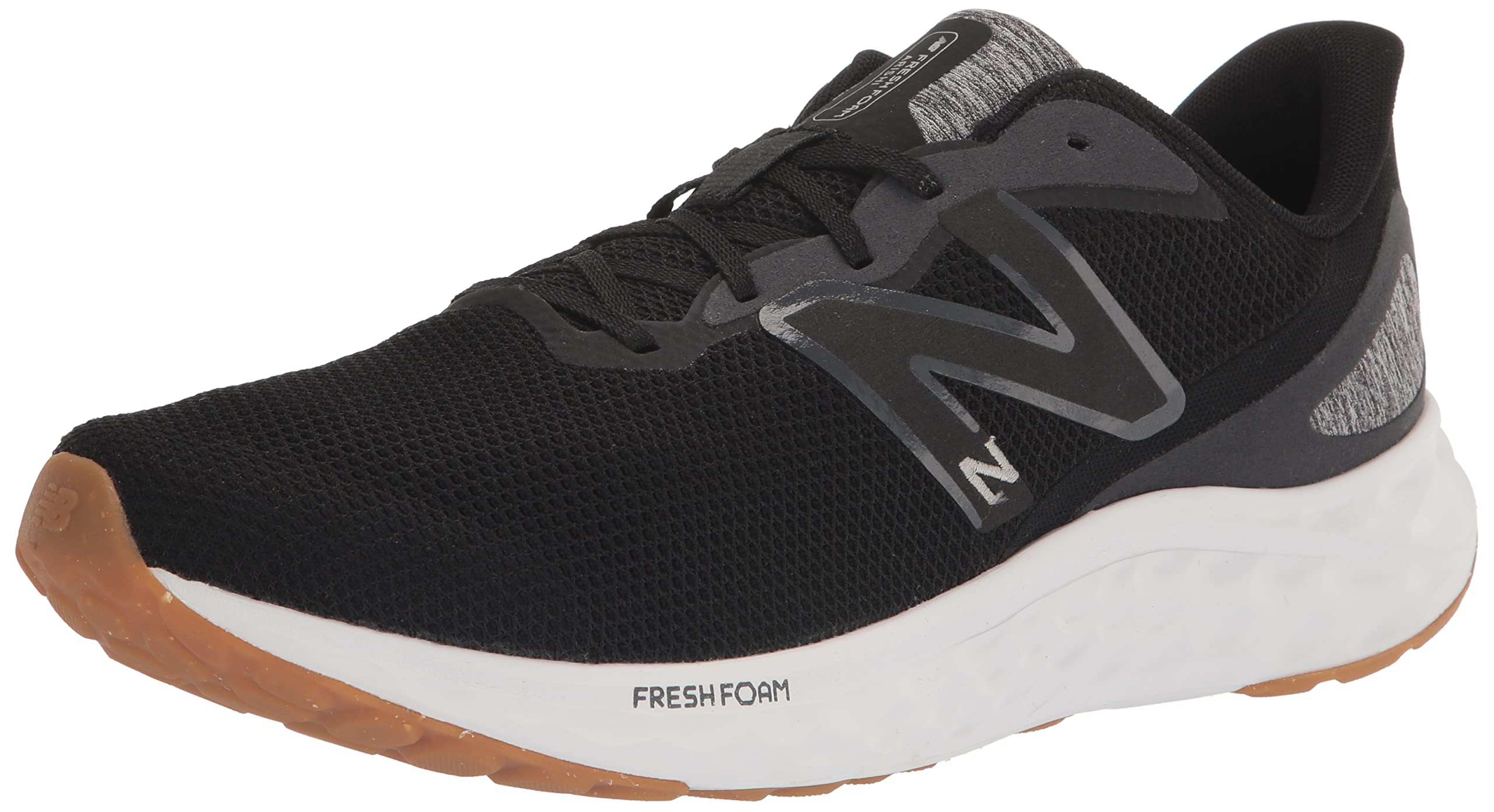
The New Balance Fresh Foam Arishi v4 delivers exceptional comfort and versatility for daily wear, with RunRepeat calling it a 'reliable and versatile daily trainer' that excels in cushioning and flexibility. The shoe offers a plush, cloud-like feel that's ideal for easy runs, walks, and gym sessions, though reviewers noted it lacks arch support and has a stiff upper that may require time to break in. At under $100, it provides standout value for casual runners seeking a neutral daily trainer, though those needing stability support may want to consider alternatives like the ASICS GT 1000 12 or New Balance Fresh Foam X Kaiha Road.
Full review
Comfort and cushioning performance
The Fresh Foam Arishi v4 delivers a cloud-like cushioning experience that reviewers consistently praised for its plushness and comfort. Testers noted that the midsole provides excellent underfoot feel, with one reviewer describing it as 'incredibly comfortable underfoot incredibly cloud-like very close to what you'd expect from getting an ultra boost midsole.' The softness of the Fresh Foam EVA midsole was highlighted as a key strength, with testers noting its sponginess and bounce back. However, the cushioning does not translate to high responsiveness or speed performance. The midsole's energy return measured 61.1% in the heel and 63.8% in the forefoot, which, while decent, falls short of what would be expected from a more performance-oriented running shoe. The shoe's low-profile design with a heel stack of 28.1 mm and forefoot stack of 20.4 mm provides adequate cushioning for casual use but lacks the depth needed for longer or faster runs.
The cushioning characteristics were noted to be more suitable for easy runs and walking rather than speed work. Reviewers observed that the shoe's softness, while comfortable, creates a flat ride that doesn't support dynamic movement well. The lack of firmness in the midsole was cited as a drawback for runners seeking more responsive footwear. One reviewer found the forefoot cushioning to be 'lackluster' and noted experiencing 'bottoming out at faster paces.' The shoe's design, while functional for casual wear, doesn't provide the support or energy return needed for serious running applications. Despite the plush feel, the lack of a snappy response makes it less suitable for those looking to improve pace or training performance.
Weight and overall build quality
The New Balance Fresh Foam Arishi v4 weighs in at 282 grams, which is exceptionally light for a running shoe. This lightweight characteristic was noted as a significant advantage, with one reviewer stating the shoes were 'some of the lightest shoes that I ever review' and 'possibly one of the lightest I review this year.' The light weight contributes to an airy feel that enhances comfort during all-day wear. The minimal materials used throughout the upper construction, including a mesh upper that extends from the midfoot to the toe box, contribute to this lightweight profile. However, the overall build quality was questioned, particularly regarding the upper materials. Reviewers noted that the upper construction uses stiffer materials that can cause heel rubbing, with one reviewer specifically mentioning 'stiff, rough materials have no place on a running shoe.' The shoe's construction also includes a tpu overlay around the heel and a simple knit upper with perforated mesh, which provides ventilation but may not offer sufficient durability for heavy use.
The lightweight nature of the shoe was seen as both a benefit and a potential limitation. While it enhances comfort and makes the shoe suitable for casual wear, it also means the materials may not withstand the rigors of frequent running. The upper's stiffness was particularly noted as a problem during initial wear, with some reviewers experiencing discomfort from the stiff materials. The shoe's overall build quality was described as basic, with materials that are functional but not premium. The lack of premium materials or advanced construction techniques limits the shoe's longevity and performance in more demanding conditions. Despite the light weight, the lack of structural support and durability in the upper materials makes it less suitable for runners who require more robust construction.
Fit and sizing considerations
Fit issues were a recurring concern among reviewers, particularly regarding sizing and width accommodation. The shoe runs small, with one reviewer recommending buyers to 'go half a size up' due to the additional plastic detailing at the front of the toe box that can cause toe scraping. The reviewer noted that the 'additional plastic detailing at the front of the toe box for extra security and stability' can make the fit uncomfortable for those with larger feet. The fit was described as narrow, with one reviewer stating that 'the fit was just the length that I didn't enjoy too much.' However, width-wise, the shoe accommodates wider feet well, with the wide version being specifically mentioned as suitable for those with broader feet. The lack of a true wide fit in some colorways was noted as a limitation for certain users. The heel counter was described as flexible but not providing enough support for pronation issues.
The shoe's fit was described as comfortable for those with average or narrow feet, but problematic for those with wider feet or larger toe boxes. Reviewers noted that while the wide version works well for broader feet, the regular size can be tight, especially in the toe area. The upper's construction, while providing a secure fit, can cause discomfort for those with sensitive heels or toes. The lack of a proper fit for wider feet was a significant drawback, particularly for runners who need more room in the forefoot. The shoe's design, while functional, doesn't accommodate the varied foot shapes that runners have. The lack of a proper wide fit in some versions limits its appeal for runners with broader feet, despite the wide version being available for those who need it.
Breathability and ventilation
Breathability was a strong point of the Fresh Foam Arishi v4, with reviewers noting the mesh upper's effectiveness in providing ventilation. One reviewer conducted a breathability test using smoke and found that the mesh upper 'offered incredible breathability' with smoke flying out in 'waves incredibly quickly and in huge amounts.' The mesh upper extends from the midfoot to the toe box, providing consistent airflow throughout the foot. This design feature was particularly praised for its ability to keep feet cool during extended wear. The ventilation was described as 'incredible' and 'superb,' with one reviewer noting that 'you can see the smoke flew out in waves incredibly quickly and in huge amounts.' The mesh construction allows for efficient airflow, which is essential for comfort during long periods of wear.
The breathability of the upper was seen as a major strength, particularly for those who wear shoes all day or use them for casual activities. The mesh upper's design was noted to be effective in preventing overheating and maintaining comfort. However, the lack of additional ventilation features in the upper materials was also mentioned as a limitation. Some reviewers noted that while the mesh provides good airflow, it may not be sufficient for high-intensity activities or hot weather conditions. The mesh upper's effectiveness was also dependent on its condition, with one reviewer noting that the upper's durability could affect its breathability over time. Despite the strong performance in breathability, the overall upper construction was still considered basic, which may limit its appeal for runners who prioritize ventilation in their footwear choices.
Durability and long-term performance
Durability was a significant concern for reviewers, particularly regarding the upper materials and overall construction. The upper construction was described as basic, with materials that are functional but not durable for heavy use. OutdoorGearLab noted that the upper materials are 'stiff, rough materials have no place on a running shoe' and that the materials can cause discomfort and rubbing. The lack of durability in the upper materials was seen as a major drawback, especially for runners who use their shoes frequently. The mesh upper, while providing good ventilation, was noted to be 'poor' in terms of durability under rugged use. One reviewer specifically mentioned that 'upper durability is poor under rugged use' and that the materials may not withstand the wear and tear of regular running.
The midsole's durability was also questioned, with one reviewer noting that 'CM-EVA hardens in below-freezing temperatures' which could affect performance in cold conditions. The Fresh Foam EVA midsole, while providing excellent cushioning, was described as 'firm' and not as stable as other materials used in higher-end models. The outsole's rubber construction was seen as providing good traction but was noted to be 'gum rubber' which could be squeaky under certain conditions. The overall construction was described as basic, with materials that are suitable for casual wear but not for regular running. Despite the strong performance in comfort and breathability, the durability concerns make it less suitable for runners who require more robust footwear.
Performance for specific activities
The Fresh Foam Arishi v4 is best suited for casual walking and light running, with reviewers noting its suitability for easy runs and daily wear. One reviewer described it as 'a good casual shoe that can cross over slightly into running' and 'a decent active lifestyle shoe' but not a 'good running shoe' for those who plan to run regularly. The shoe's performance was noted to be 'very comfortable walking shoe' but 'lackluster' in terms of forefoot cushioning for faster paces. The lack of responsiveness was seen as a major drawback, with OutdoorGearLab stating that 'the lack of responsiveness is a drawback, as is the general lack of support.' The shoe's design is better suited for walking and casual activities rather than running, with reviewers noting that it 'isn't good for consistent running' and 'is not a good choice if you plan to run regularly.' The lack of support and responsiveness makes it unsuitable for runners seeking to improve pace or training performance.
The shoe's performance in traction was described as 'decent' due to the rubber outsole, but OutdoorGearLab noted that the traction is 'more likely to grip well on a gym or weight room floor rather than on cold and wet pavement.' This suggests that the shoe is better suited for indoor use or light outdoor activities rather than road running. The outsole's design was described as 'tacky rubber' that is clearly designed for indoor surfaces more than roads. The traction was seen as adequate for casual use but not sufficient for runners who need reliable grip on various surfaces. The shoe's performance in different environments was noted to be limited, with reviewers suggesting that it is 'not a good running shoe' for those who require more robust performance. The lack of specialized features for running makes it less suitable for runners who need advanced performance characteristics.
Value proposition and alternatives
The price point of the Fresh Foam Arishi v4 was noted as a major selling point, with reviewers describing it as 'under $100' and 'affordable.' The value proposition was seen as strong for casual wear and light running, with one reviewer stating that 'at under $100 there really isn't much to complain about with this shoe.' However, the value was questioned when compared to other options in the same price range. Reviewers noted that 'for the money, there are significantly better options that will handle daily miles more enjoyably' and that 'there are far better options in the same price range.' The lack of performance features and responsiveness makes it less competitive with other budget-friendly options that offer better value. The shoe's design and comfort were praised, but the lack of performance features limits its appeal for runners seeking more advanced capabilities.
When compared to similar models, the Fresh Foam Arishi v4 was noted to be 'a good lifestyle shoe that isn't meant for consistent running' and 'not a good running shoe' for those who plan to run regularly. Reviewers suggested alternatives such as the 'New Balance FF X More v4' for runners seeking more performance and the 'New Balance FuelCell Rebel v3' for those looking for speed. The comparison with other models in the same price range highlighted the limitations of the Arishi v4 in terms of performance features and responsiveness. The shoe's value was seen as strong for casual wear but not for serious running applications. Reviewers noted that 'the lack of support, heavy upper, poor transitions, and bad responsiveness hold back this shoe' and that 'this is a lifestyle shoe that shouldn't be used for regular running.' The value proposition was strongest for those seeking a comfortable, affordable option for casual activities rather than performance running.
Strengths
- +Cloud-like cushioning with plush comfort for all-day wear
- +Extremely flexible design that's great for easy/recovery runs, according to RunRepeat
- +Lightweight at 8.5 oz with a nice bounce
- +Good value with standout energy return-to-cost ratio, per RunRepeat
- +Minimal break-in needed and comfortable for walking around town
Watch-outs
- −Lacks arch support which may not suit pronating runners
- −Stiff upper construction that can feel unforgiving initially
How it compares
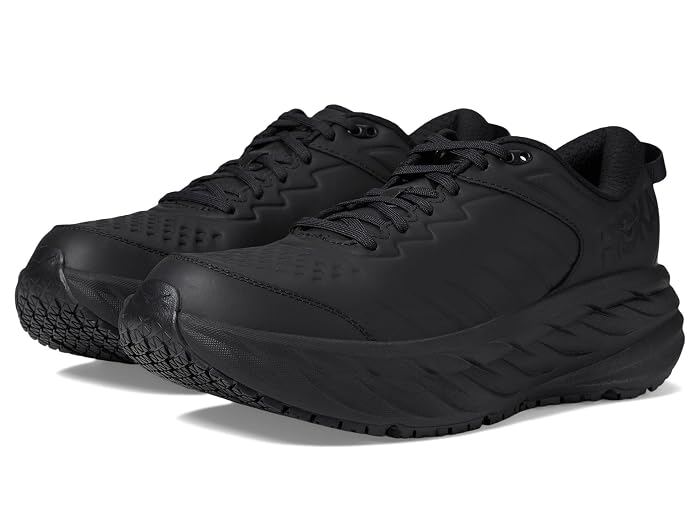
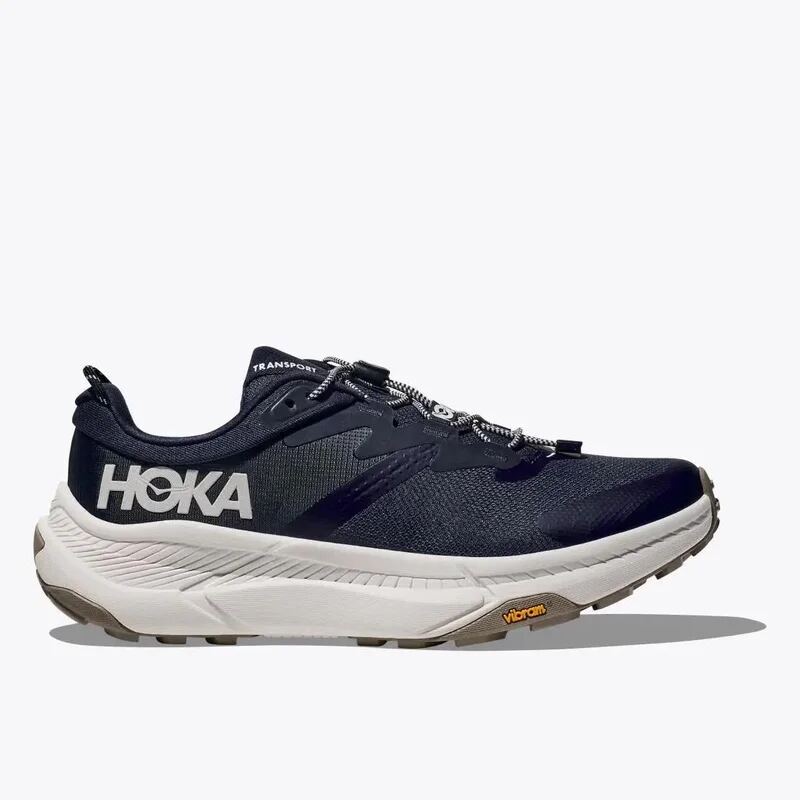
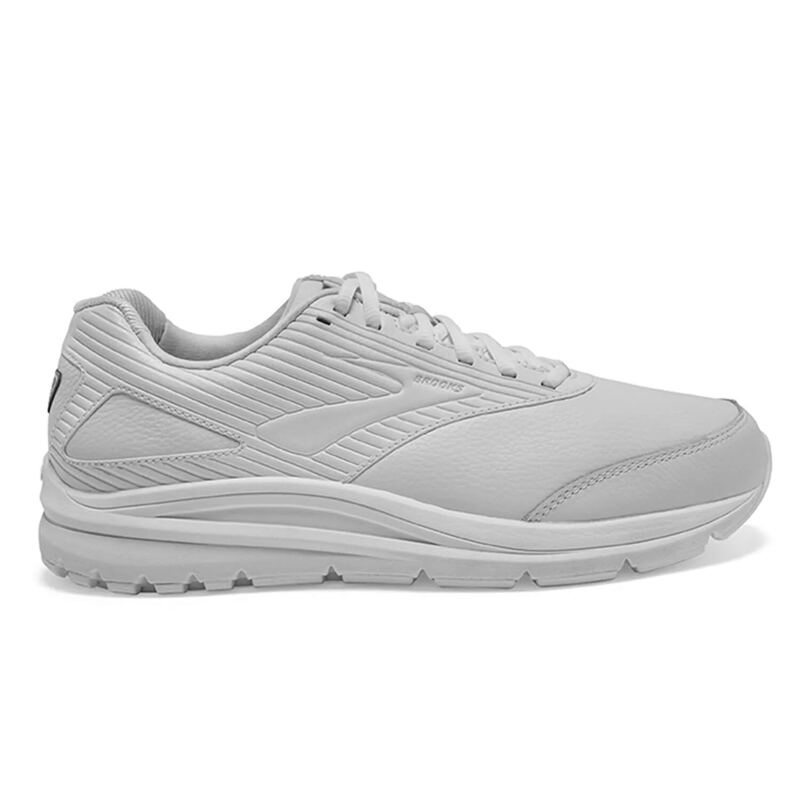
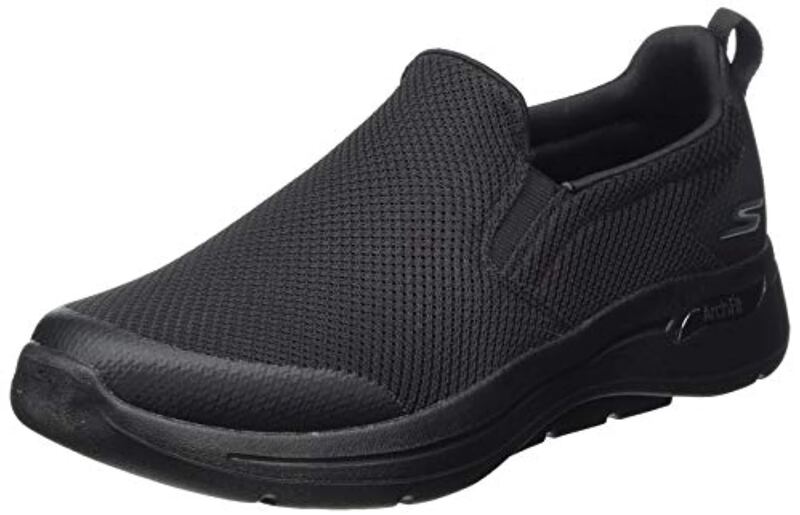
The New Balance Fresh Foam Arishi v4 stands out for its plush cushioning and flexibility, making it superior for easy runs and casual wear compared to the Brooks Addiction Walker 2, which is heavier and stiffer, or the Skechers Go Walk Arch Fit, which lacks breathability. However, unlike the Hoka Transport, it doesn't offer the same level of traction or a bungee lacing system, and it's less supportive for pronating runners.
Rating sources
Counts as 3.65/5 in our score — this publisher's 32 scores on the site average 4.23, so its scores are adjusted down to compare fairly with other publishers.
Counts as 2.51/5 in our score — this publisher's 149 scores on the site average 3.69, so its scores are adjusted up to compare fairly with other publishers.
Our 3.1 score is the average of the 2 scored reviews above, each adjusted for how strictly its publisher scores; 3 more reviewed it without printing a score and are not in the average. More about methodology.