The Mountain Hardwear Phantom 30 earns its praise on warmth-to-weight: 850-fill down, 10 ounces of it, stacking up four inches of loft. Reviewers found it holds around freezing and a little below, packs down small, and comes with an adjustable hood and draft collar. Cold sleepers and anyone heading into extreme conditions should skip it. Ultralight backpackers balancing weight against warmth are the fit.
Full review
Superior Warmth-to-Weight Ratio
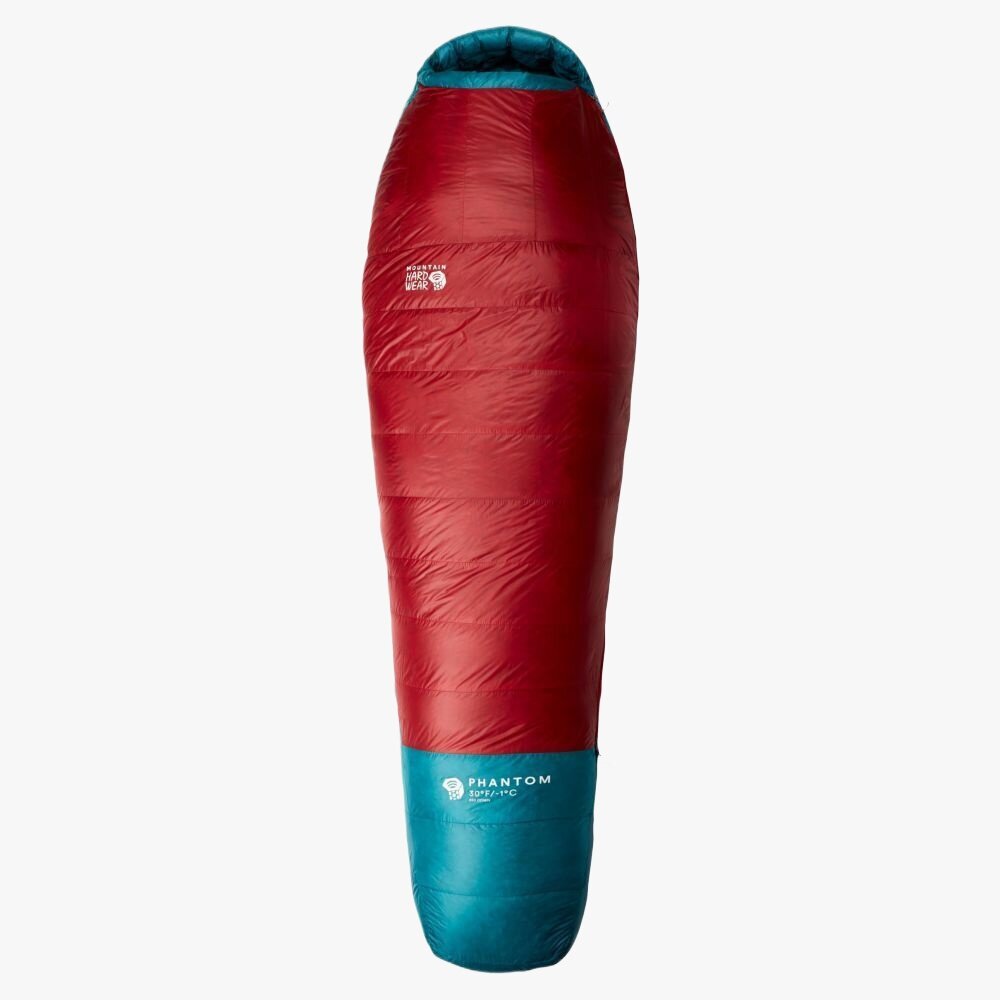
Mountain Hardwear's Phantom 30 sleeping bag delivers exceptional warmth performance for its weight class, thanks to its 850-fill down insulation. The bag contains 10 ounces of RDS-certified down, providing four inches of loft that translates to impressive warmth without the bulk. Reviewer Michael Lanza from The Big Outside confirmed the bag's effectiveness during backpacking trips in temperatures ranging from 40s°F to freezing, noting that he slept comfortably in just underwear and a light T-shirt on nights around 40°F. The 850-fill down used in the Phantom 30 provides nearly the same warmth and loft per ounce as 900-fill down, making it one of the most efficient warmth-to-weight ratios among ultralight sleeping bags. This high fill rating allows the bag to maintain its warmth even in challenging conditions like heavy dew exposure in the Canadian Rockies, where condensation soaked the tent but did not affect the bag's performance.
Lightweight Design and Packability
The Phantom 30's ultralight design is evident in its 1 lb 6.3 oz weight (632g) and compact compression profile. Engearment's Kyle Juszczyk noted that the bag compresses to roughly the size of two 1L Nalgene bottles when using the included compression sack, with additional volume savings achievable through ski straps. The bag's dimensions reflect a design priority for minimizing weight and packed volume, measuring 58 inches at the shoulders and 52 inches at the hips, with a standard 72-inch length. Mountain Hardwear's own specifications show the regular Phantom 30 compresses to just 61.3 inches x 33 inches in its compression sack (2.5 oz/71g), making it one of the most packable bags in its temperature rating category. This packability is particularly valuable for backpackers seeking to minimize their load while maintaining warmth, especially when compared to heavier alternatives like the author's previous 3lb zero-degree bag.
Exceptional Zipper System
Engearment's Kyle Juszczyk emphasized that the zipper's plastic sheath prevents fabric from getting caught, while the ripstop nylon fabric nearest the zipper resists being sucked up into the mechanism. The bag also features a secondary zipper at the bottom that allows for ventilation without exposing the entire body, which is particularly useful during warmer nights. The zipper's pull tab is designed for easy access even with gloves on, and the system includes a glow-in-the-dark reflective pull for nighttime use. This robust zipper design was so well-regarded that Juszczyk noted it single-handedly improved his perception of all other zippers, making it a standout feature in a category where zippers often fail or cause issues during extended use.
Comfort and Fit Considerations
The Phantom 30's mummy cut design maximizes warmth-to-weight ratio while providing adequate internal space for most users. Michael Lanza, who is 5'8" and 150 pounds, found the regular bag comfortable and roomy enough for a mummy bag, though he noted that larger or wider individuals might prefer more generous dimensions. The bag's adjustable hood features a face gasket that closes evenly around the head, while the draft collar and tube along the zipper protect against chilly air. The footbox design follows natural foot positioning for maximum warmth, and the bag's overall dimensions provide enough space for foot movement and the ability to stuff extra clothing for additional insulation. However, some forum users noted that the bag's loft may be less than expected, with one reviewer questioning whether it truly performs at its rated 32°F temperature, suggesting that proper storage and maintenance are crucial for optimal performance.
Mixed Reviews on Temperature Rating
While the Phantom 30 is rated for 30°F (-1°C), real-world testing shows mixed results regarding its actual performance at the temperature rating. Backpacking Light forum members reported varying experiences, with some users confirming the bag works well at its rated temperature, while others noted it may not perform reliably at the absolute limit. The bag's 850-fill down provides excellent warmth, but some reviewers have questioned whether the bag truly delivers on its 30°F rating in all conditions. One forum user noted that the bag was suitable for their needs when they were wearing a hat and down jacket with thermal pants, suggesting that layering can extend its usability below the rated temperature. However, the bag's performance in extreme cold conditions remains a point of debate among users, with some suggesting that the 30°F rating should be treated as a guideline rather than an absolute limit.
10-denier shell shares Ghost Whisperer DNA
Mountain Hardwear's Phantom 30 demonstrates solid construction quality with attention to detail in materials and manufacturing. The bag uses a 10-denier recycled shell that is extremely light and highly compressible, while the 15-denier nylon ripstop lining provides added durability and comfort. The taped construction around the zipper reduces snagging and minimizes weight, and the bag features a durable water-repellent finish that helps protect against moisture. The bag's construction includes angled horizontal baffles near the hood to minimize down migration, and the four-chamber hood design maintains even loft around the head for consistent warmth. However, some forum users have expressed concerns about the fabric's longevity, with one reviewer noting that while the materials aren't bulletproof, they should last with proper care and storage. The bag's water-resistant shell is similar to that used in Mountain Hardwear's Ghost Whisperer series, indicating a proven track record of durability in demanding outdoor conditions.
30-degree rating doesn't always hold up
Despite its many strengths, the Phantom 30 has notable limitations that potential buyers should consider. The bag's lightweight construction, while beneficial for packability, may compromise durability in harsh environments or with heavy use. Some reviewers have noted that the nylon exterior fabric feels less comfortable against the skin compared to traditional sleeping bag materials, though the interior lining provides better comfort. The bag's performance at the absolute temperature rating is inconsistent, with some users reporting that it may not reliably perform at 30°F in all conditions. Additionally, while the compression sack is functional, some users have expressed a desire for even smaller compression options to maximize pack space. The bag's unisex sizing may not accommodate all body types, particularly larger or wider individuals who might find the dimensions restrictive. The relatively high price point of $580 for the regular size also makes it a significant investment that may not be justified for casual users.
Built for three-season trips, not deep cold
The Mountain Hardwear Phantom 30 is ideal for backpackers and outdoor enthusiasts who prioritize ultralight gear and packability over maximum warmth or comfort features. It's particularly suited for users who hike in three-season conditions where temperatures rarely drop below freezing, and who value the weight savings that come with a high-fill down bag. The bag's excellent warmth-to-weight ratio makes it a strong choice for serious backpackers, mountaineers, and skiers who need to minimize their load while maintaining warmth. However, it's not recommended for users who sleep very cold or require maximum comfort, as the bag's mummy cut and minimal features may not suit all sleeping preferences. The bag is also best for those who can afford the premium price point and who understand that the 30°F rating should be treated as a guideline rather than an absolute limit. Users seeking a balance between weight savings and warmth will find the Phantom 30 to be a strong contender in the ultralight sleeping bag market.
Strengths
- +Excellent warmth-to-weight ratio due to 850-fill down
- +Four inches of loft from 10 ounces of down fill
- +Adjustable hood with even face gasket closure
- +Lightweight two-way zipper with pull tab for gloved use
Watch-outs
- −Limited space for larger or wider users
- −Not suitable for extreme cold conditions
How it compares
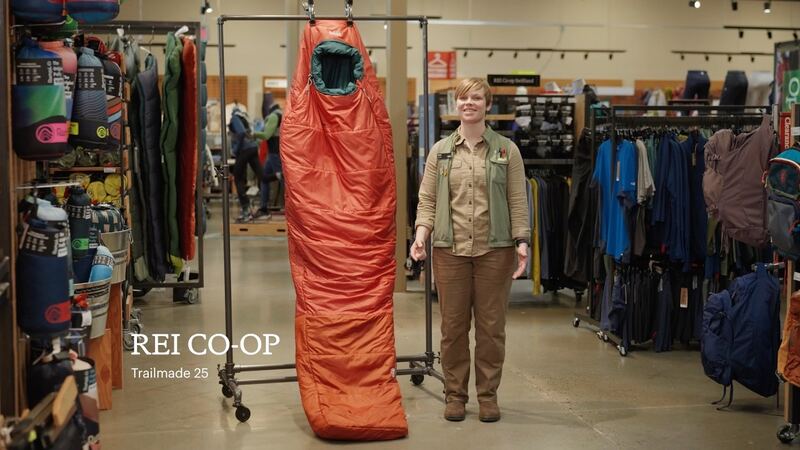
Unlike the REI Co-op Trailmade 25, which prioritizes value and sizing inclusivity, the Mountain Hardwear Phantom 30 focuses on exceptional warmth-to-weight ratio with its 850-fill down, making it superior for ultralight backpackers. While the Western Mountaineering MegaLite offers more spaciousness and lighter weight, the Phantom 30 provides a better balance of warmth and packability for moderate conditions.
Rating sources
“Mountain Hardwear has done an excellent job of making a minimalist, but a fully functioning bag that doesn't dissolve after a single-use.”
“The Mountain Hardwear Phantom has its pros that significantly outweigh its cons, making it worth investing in.”
“so minus one and the minus nine phantoms if you like the review great please give it a click or thumbs up or any sort of a comment if you have questions and even better come on into the store jump into one see what it feels like”
Our 4.4 score is the average of the 3 scored reviews above; 1 more reviewed it without printing a score and is not in the average. Ratings marked * were derived from the reviewer’s written analysis or video transcript — the publisher didn’t print an explicit numeric score, so we inferred one from their own words. Click through to verify. More about methodology.