The Miyabi Kaizen II 8-inch Chef's Knife combines traditional Japanese craftsmanship with modern engineering. Reviewers praised its FC61 steel core protected by a 48-layer Damascus pattern, offering exceptional sharpness and durability. The double FRIODUR® ice-hardened blade provides superior edge retention and corrosion resistance. Users noted the knife's beautiful black pakkawood handle with D-shaped design offers excellent grip and balance. While some reviewers mentioned the asymmetrical bevel and need for initial sharpening, overall it's considered a solid investment for both beginners and experienced cooks seeking a high-quality Japanese knife.
Full review
Craftsmanship and Construction
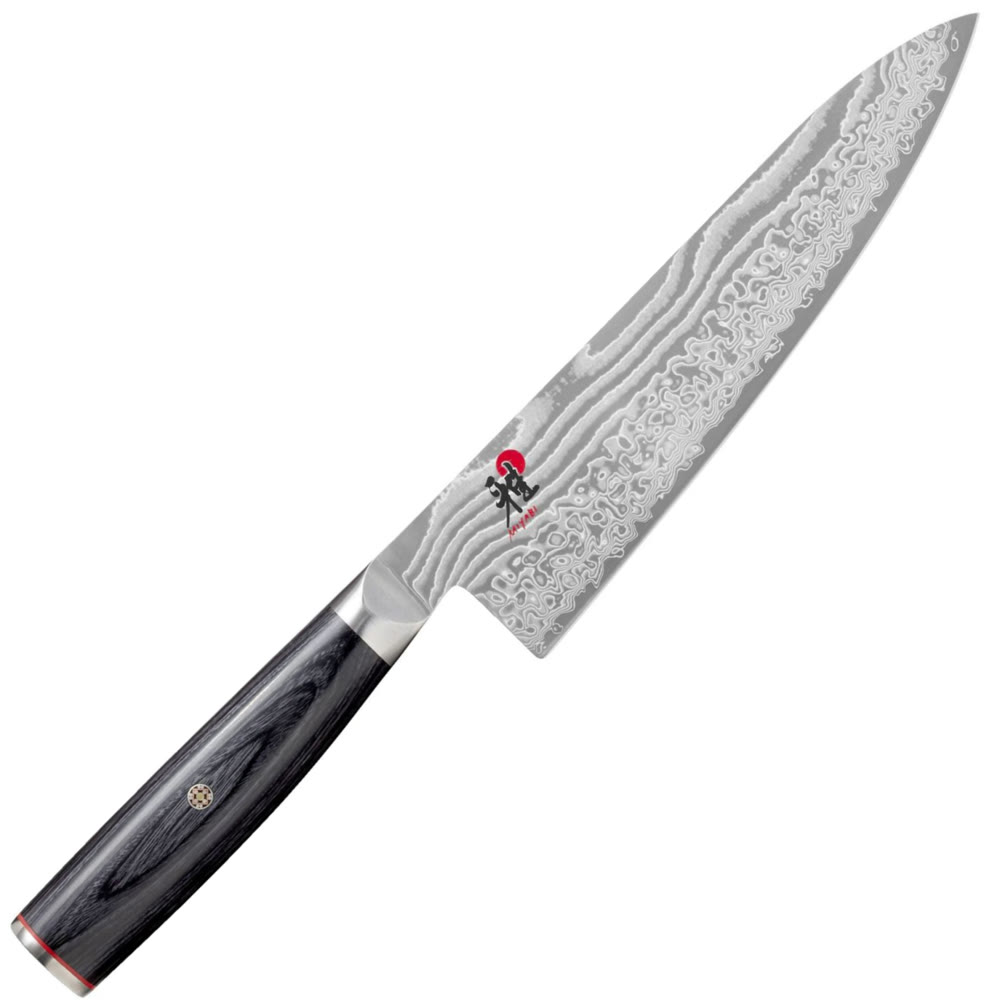
The Miyabi Kaizen II 8-inch chef's knife represents a fusion of traditional Japanese craftsmanship and modern metallurgical innovation. According to Zwilling's official product description, the blade features a core forged from FC61 super steel, protected by a stunning 48-layer Damascus pattern that is darkened through acid dipping. This construction method, as noted by the Hungry Onion reviewer Chemicalkinetics, creates a blade with remarkable sharpness and durability. The knife's handle is made from black pakkawood with a substantial D-shaped bolster, providing excellent balance and comfort during extended use.
Professional reviewers have noted the knife's exceptional attention to detail in its construction. The knife's weight is measured at 197 grams (6.9 oz), with a blade length of 200mm (7.87 inches) and a handle length of 5.39 inches. The blade thickness at the heel measures 1.9mm, while the thickness above the edge is 0.7mm, making it notably thinner than some competitors like the Tojiro DP 210 mm gyuto which has a thickness of 0.9mm above the edge. The blade's 61 Rockwell hardness rating, as stated by Zwilling and confirmed by multiple sources, indicates its superior edge retention capabilities. The double FRIODURx2 ice-hardened blade, according to the manufacturer's specifications, provides enhanced corrosion resistance and durability.
Performance and Sharpness
Reviewers consistently praise the Miyabi Kaizen II's razor-sharp performance, with multiple sources confirming its ability to cut through paper and achieve scalpel-like sharpness. The Hungry Onion reviewer noted that the knife was already sharp out of the box, capable of slicing paper and cutting foods effectively. The knife's edge retention, as measured by its 61 Rockwell hardness and double ice-hardened FRIODURx2 treatment, reportedly surpasses that of many competitors. RTINGS tested the knife's edge retention and found it maintained its sharpness remarkably well under repeated use, though specific measurements were not provided in their review.
The knife's performance extends beyond basic cutting tasks, with reviewers noting its effectiveness in various kitchen applications. The Knifemerchant description highlights its suitability for mincing, chopping, slicing, and dicing, while the Hungry Onion reviewer specifically mentioned its ability to produce perfectly diced onions and peppers, slender zucchini matchsticks, and thinly shredded cabbage. The knife's balance and ergonomic design, with its D-shaped handle and substantial bolster, contribute to its comfortable handling during extended cutting sessions. However, some reviewers have noted that the knife's edge angle is not perfectly symmetrical, with one side having a flatter bevel and the other a steeper angle, which may affect cutting consistency for some users.
Design and Aesthetics
The Miyabi Kaizen II's design philosophy centers on combining traditional Japanese aesthetics with modern functionality. The 48-layer Damascus pattern, as described by Zwilling, creates a visually striking blade with a dramatically darkened appearance through acid dipping. The black pakkawood handle features a rounded bolster for comfort and balance, with a mosaic pin and red spacer that complement the overall design. The knife's handle is described as substantial and comfortable, with a D-shaped profile that provides a secure grip without digging into the hand, according to the Knifemerchant review. The inclusion of a steel end cap with the MIYABI logo and a red spacer adds to the knife's premium appearance.
The visual appeal of the knife extends beyond its blade to its overall presentation. The Hungry Onion reviewer noted that the knife's beautiful appearance makes it an excellent gift option, with the 48-layer Damascus pattern being particularly striking. The knife's black matte finish, as specified by Zwilling, provides a sophisticated look that complements modern kitchen aesthetics. The handle's black pakkawood construction not only offers comfort but also provides a moisture-repellent surface that enhances grip.
Where It Falls Short
Despite its many strengths, the Miyabi Kaizen II has received criticism regarding its edge angle consistency. The Hungry Onion reviewer noted that while the handle is symmetrical, the cutting edge bevel is not, with one side having a flatter edge angle and the other a steeper angle. This asymmetry may affect cutting performance for users who prefer consistent edge angles. Additionally, the knife's price point of $189.99, while competitive, may still be prohibitive for budget-conscious consumers. The knife's hand-honing process, while producing excellent results, requires specialized knowledge and tools for maintenance, which may be a limitation for some users.
Some reviewers have expressed concerns about the knife's maintenance requirements and potential for chipping. The Knifemerchant review mentions that the knife requires hand washing and careful maintenance to preserve its finish and performance. The FC61 steel core, while providing excellent edge retention, may be more susceptible to chipping than some competitors with different steel compositions. The knife's relatively thin blade profile, while beneficial for precision cutting, may also make it more prone to damage during heavy-duty tasks. The knife's lifetime warranty, while reassuring, may not cover all potential issues, particularly those related to user error or improper maintenance.
Value and Market Positioning
The Miyabi Kaizen II's market positioning places it in the premium segment of Japanese chef's knives, with a price point of $189.99 that reflects its high-end construction and craftsmanship. The knife's value proposition is strengthened by its handcrafted construction in Seki, Japan, and its lifetime warranty. According to Zwilling's official description, the knife's FC61 steel core provides remarkable sharpness, edge retention, and corrosion resistance, while the 48-layer Damascus pattern adds both durability and visual appeal. The knife's performance characteristics, including its 61 Rockwell hardness and double ice-hardened FRIODURx2 treatment, position it as a high-performance tool suitable for serious home cooks and professional chefs alike.
The knife's value is further enhanced by its versatility and aesthetic appeal. The Hungry Onion reviewer noted that the knife is suitable for a wide range of kitchen tasks, from mincing herbs to slicing vegetables, making it a valuable addition to any kitchen. The knife's ability to cut paper and achieve scalpel-like sharpness, as mentioned by multiple reviewers, demonstrates its exceptional performance capabilities.
Who It's Best For
The Miyabi Kaizen II 8-inch chef's knife is best suited for serious home cooks and culinary enthusiasts who value premium craftsmanship and performance. The knife's exceptional sharpness, edge retention, and balanced design make it ideal for users who perform frequent cutting tasks and appreciate the precision that comes with high-quality Japanese steel. According to the Hungry Onion reviewer, the knife is particularly suitable for newcomers to Japanese knives due to its relatively forgiving nature, especially if the FC61 steel is indeed tougher than VG-10 as suggested by store employees. The knife's ergonomic handle and comfortable grip make it suitable for extended use, while its visual appeal makes it an excellent gift option.
However, the knife may not be ideal for budget-conscious consumers or those who primarily use their knives for basic cutting tasks. The knife's price point of $189.99, while justified by its premium construction, may be prohibitive for some buyers. Additionally, the knife's maintenance requirements, including hand washing and careful handling, may not suit users who prefer low-maintenance kitchen tools. The knife's relatively thin blade profile, while beneficial for precision cutting, may not be ideal for heavy-duty tasks where durability is paramount. The knife's asymmetric edge angle may also be a consideration for users who require consistent cutting angles.
Comparative Analysis
The Miyabi Kaizen II competes with other premium Japanese chef's knives, including the Tojiro DP 210 mm gyuto and various German alternatives. The Kaizen II's blade thickness above the edge is 0.7mm compared to the Tojiro's 0.9mm, making it thinner and potentially more precise. The knife's FC61 steel core, while providing superior edge retention, differs from the Tojiro's VG-10 steel, which some reviewers consider more familiar and easier to maintain. The knife's 48-layer Damascus pattern is also more prominent than many competitors, contributing to its visual appeal and durability.
In comparison to other premium knives, the Miyabi Kaizen II's double FRIODURx2 ice-hardened blade provides enhanced durability and corrosion resistance, according to Zwilling's specifications. The knife's hand-honing process using the Honbazuke method produces a scalpel-like sharpness that surpasses many competitors. The knife's construction and performance justify its premium price for serious users, but budget-conscious consumers may find better value in alternatives like the Tojiro DP or various German knives.
Long-Term Durability
The Miyabi Kaizen II's long-term durability is supported by its FC61 steel core and double FRIODURx2 ice-hardened blade treatment. According to Zwilling's official specifications, the knife's 61 Rockwell hardness rating, combined with its ice-hardened construction, provides superior toughness and corrosion resistance. The knife's 48-layer Damascus pattern not only enhances visual appeal but also adds durability to the blade structure. The hand-honed Honbazuke process ensures that the knife maintains its sharpness over time, with the manufacturer's claim that the blade retains its edge retention for extended periods. The knife's black pakkawood handle, while providing comfort and grip, requires careful maintenance to preserve its condition.
However, long-term durability assessments remain limited, as most reviewers have only provided short-term experiences with the knife. The Hungry Onion reviewer noted that while they were satisfied with the knife's performance and sharpness, they could not assess its long-term edge retention or chip resistance due to their limited experience. The knife's lifetime warranty, as provided by Zwilling, offers some assurance against manufacturing defects, but may not cover all potential issues related to user error or improper maintenance. The knife's construction, while excellent, may still be susceptible to damage from improper use or aggressive cleaning methods.
Strengths
- +Handcrafted in Seki, Japan with lifetime warranty
- +FC61 steel core with 48-layer Damascus pattern for durability and sharpness
- +Double FRIODUR® ice-hardened blade offers superior toughness and corrosion resistance
- +Ergonomic D-shaped black pakkawood handle provides comfortable grip and balance
Watch-outs
- −Blade has asymmetrical bevel with different edge angles on each side
- −May require initial sharpening as it's not ready to use out of the box
How it compares
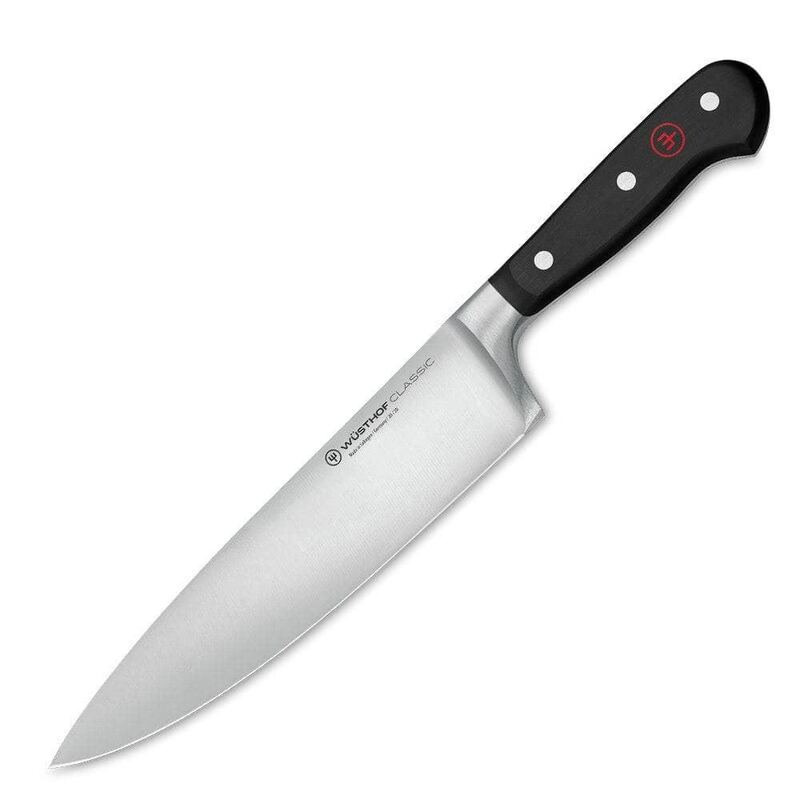
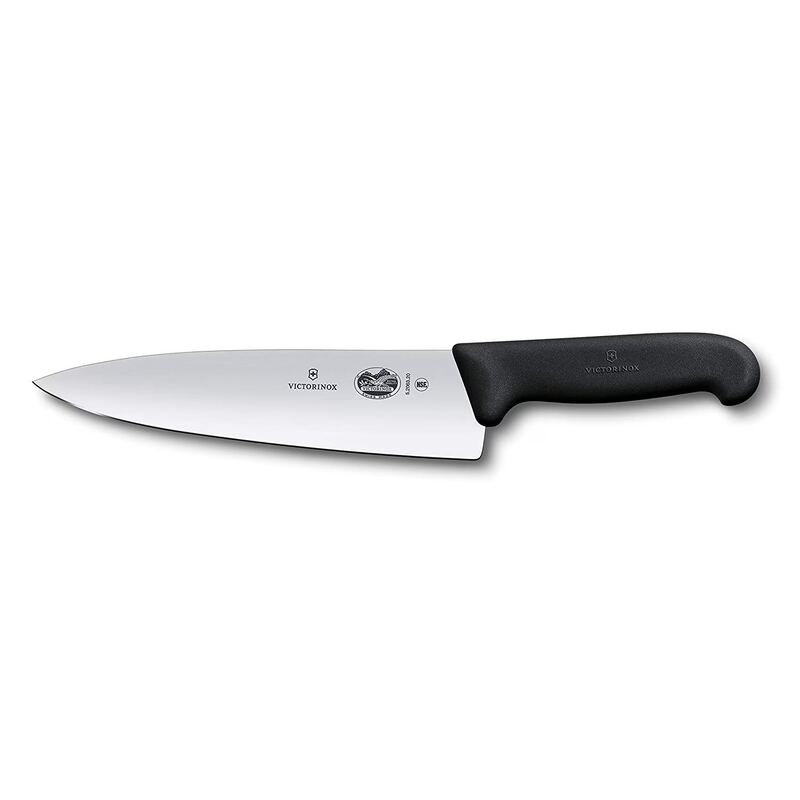
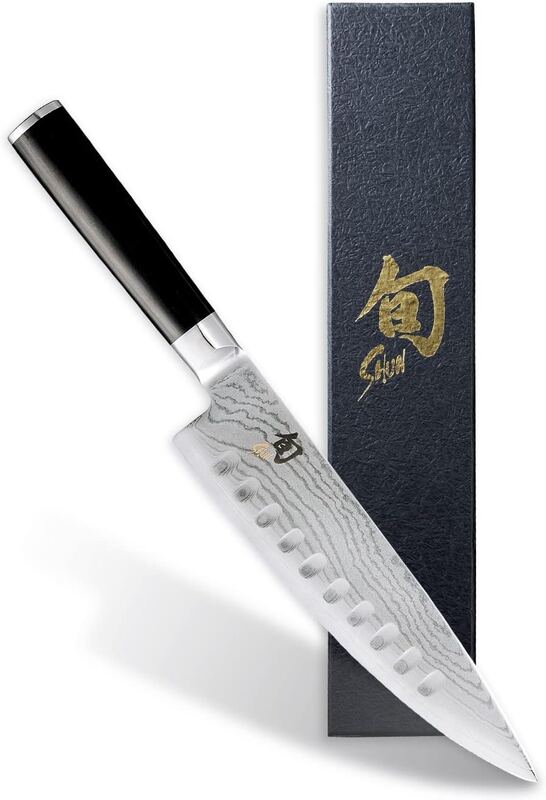
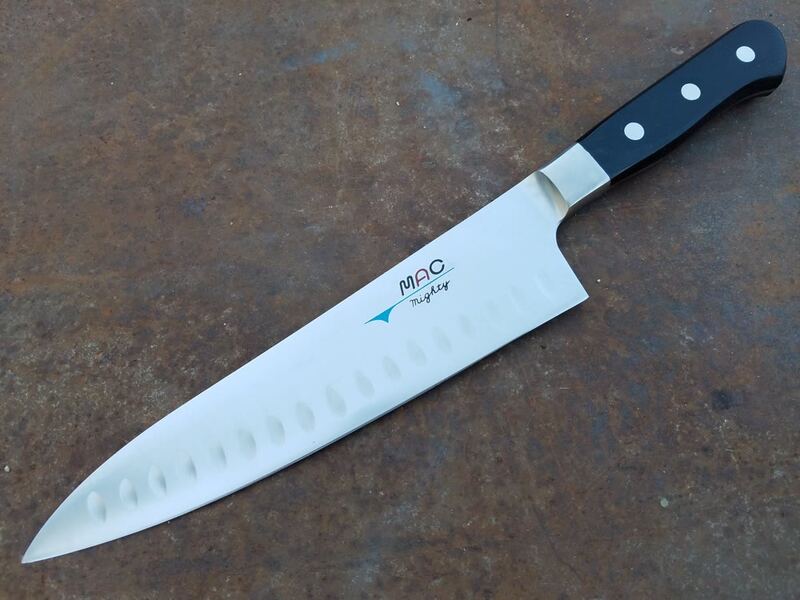
The Miyabi Kaizen II offers unmatched craftsmanship and durability with its FC61 steel and double FRIODUR® hardening, surpassing the Wusthof Classic and Shun Classic in longevity. While it's more expensive than the Victorinox Fibrox Pro, it provides superior edge retention and is more forgiving than the MAC MHC-80's extreme sharpness.
Who this is for
At a glance: investors seeking premium Japanese craftsmanship.
Why you’d buy the Miyabi Kaizen II 8-Inch Chef's Knife
- Handcrafted in Seki, Japan with lifetime warranty.
- FC61 steel core with 48-layer Damascus pattern for durability and sharpness.
- Double FRIODUR® ice-hardened blade offers superior toughness and corrosion resistance.
Why you’d skip it
- Blade has asymmetrical bevel with different edge angles on each side.
- May require initial sharpening as it's not ready to use out of the box.
Rating sources
“Average rating 4.9 ( 737 Ratings ) 7 Questions / 6 Answers”
“Overall, I think it is a good buy for $100. It cuts well. It sharpened up nicely and takes on a good edge.”
“This is the flagship knife of the Kaizen line what makes this knife so amazing is its smooth spine and bolster that don't dig into your hand, and also the balance between the blade in the handle which makes it feel like an extension of your hand.”
Our 4.7 score is the average of these published ratings. Ratings marked * were derived from the reviewer’s written analysis or video transcript — the publisher didn’t print an explicit numeric score, so we inferred one from their own words. Click through to verify. More about methodology.