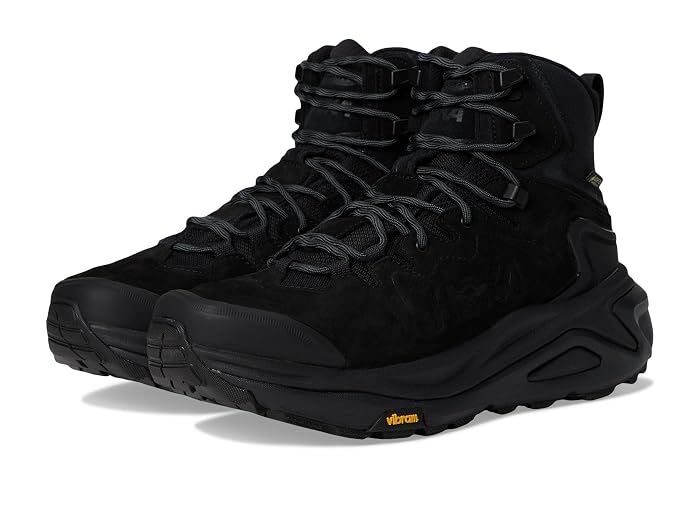
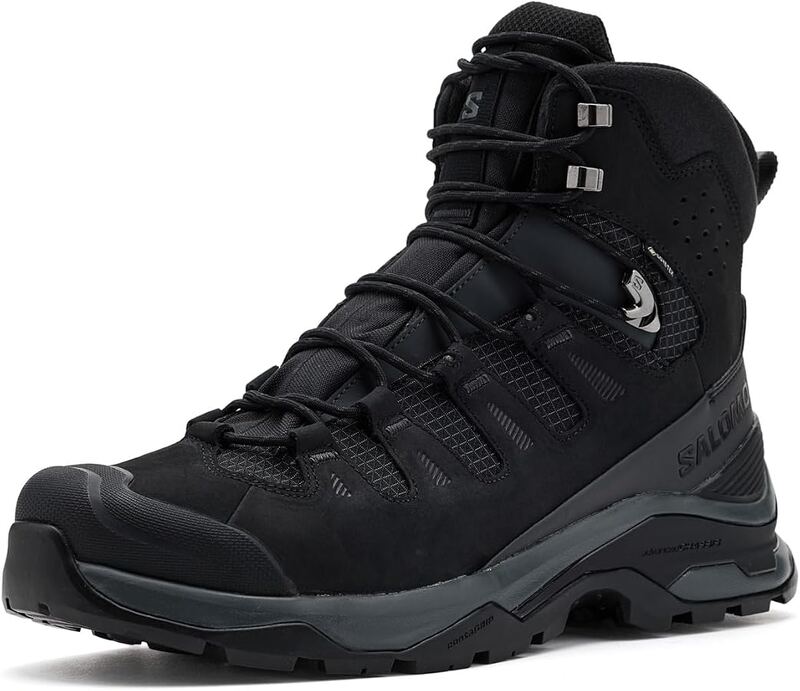
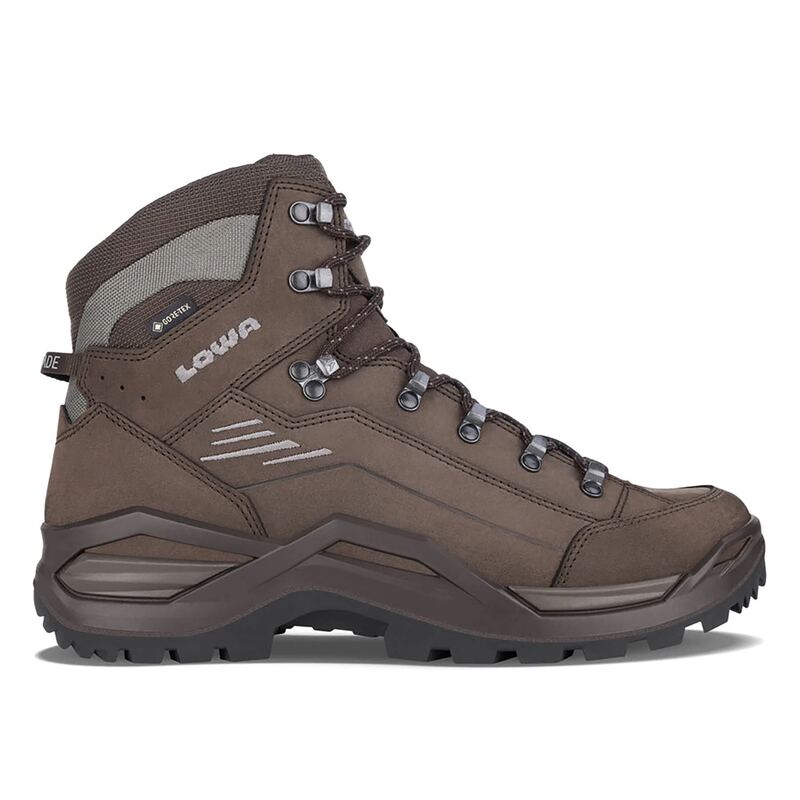
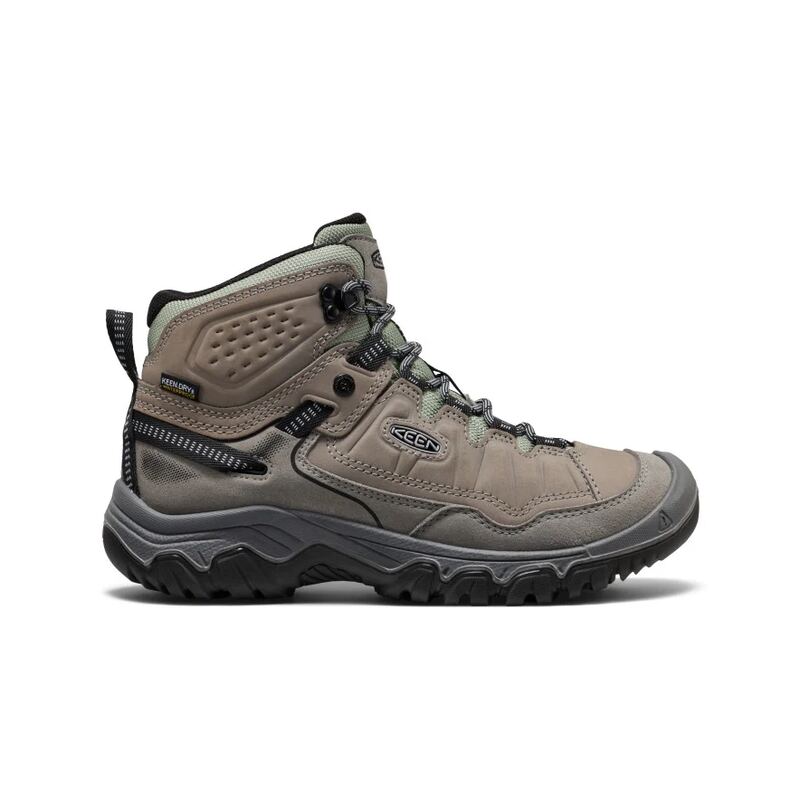
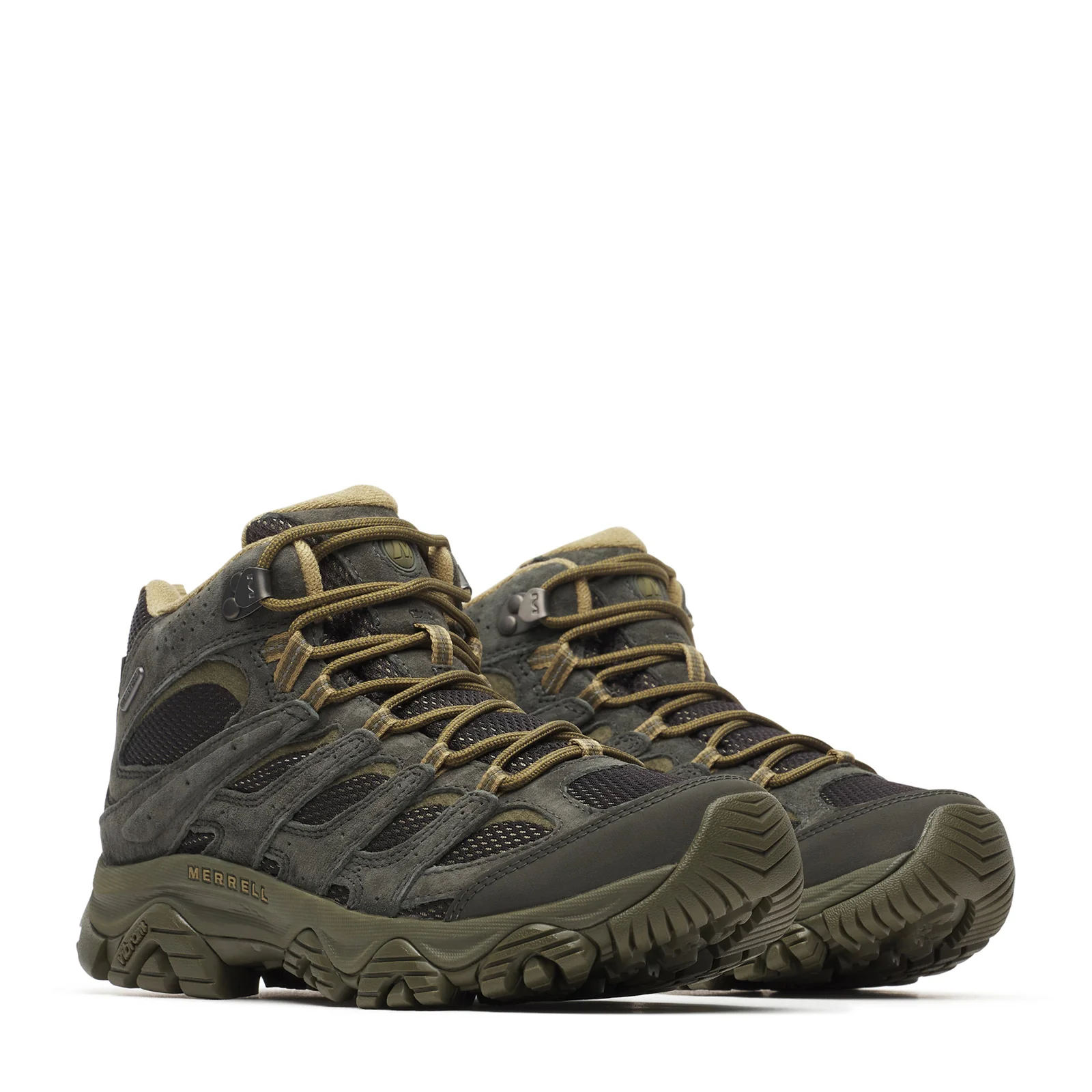
The Merrell Moab 3 Mid Waterproof delivers immediate out-of-the-box comfort without a break-in period, thanks to thick padding on the tongue and collar that secures the foot without pressure points. Outdoorgearlab found the proprietary waterproof membrane effective at keeping feet dry in wet grass and shallow streams, while bettertrail noted the Vibram TC5+ outsole provides reliable traction on loose gravel and dirt trails. However, the boot is moderately heavy compared to modern lightweight alternatives, and its firm rubber compound struggles significantly on slick or wet rock surfaces. This classic mid-height design suits day hikers seeking stability and value, but those prioritizing nimble movement or tackling technical terrain with heavy packs should look elsewhere.
Full review
Out-of-the-box comfort eliminates break-in
The Merrell Moab 3 Mid Waterproof is widely praised for its immediate readiness, requiring almost no break-in period despite its sturdy construction. outdoorgearlab noted that the boot delivers a predictable ride right from the box, making it an easy recommendation for new hikers who might otherwise struggle with stiff leather footwear. The comfort stems largely from substantial padding around the tongue and collar, which secures the foot without creating pressure points or hot spots when laced tightly. This plush interior allows wearers to step directly into the boots and head out onto the trail without enduring the initial discomfort that typically accompanies mid-height hiking boots.
The internal architecture contributes significantly to this immediate comfort profile. sectionhiker highlighted the inclusion of a molded nylon arch shank embedded within the Super Rebound Compound midsole, which provides torsional rigidity while still allowing for natural foot movement. This structural support prevents excessive twisting on uneven terrain and reduces fatigue during long days on the trail. Additionally, the factory insoles feature an Air Cushion heel that adds shock absorption, a detail that bettertrail found effective at isolating the foot from hard impacts without sacrificing ground feel.
Proprietary membrane handles wet grass and streams
Waterproofing performance varies significantly depending on how deeply water is introduced to the boot. outdoorgearlab reported that the proprietary waterproof membrane kept feet completely dry while navigating snowy early-season trails, tromping through dewy grass, and crossing shallow streams. This level of protection makes the boot highly capable for standard wet-weather hiking where water exposure is limited to surface moisture or brief submersion.
However, extended immersion exposes a critical weakness in the design. a reviewer on YouTube documented standing in a creek for fifteen minutes on the first day with no issues, but subsequent exposure to moderate rain and puddle-splashing resulted in wet feet after approximately ninety minutes of continuous activity. This discrepancy suggests that while the membrane effectively repels surface water and light splashes, it may not maintain its seal during prolonged saturation or when water pressure builds against the upper materials over time.
Vibram TC5+ traction fails on slick rock
The outsole utilizes a Vibram TC5+ rubber compound with 5-millimeter lugs arranged in a tight, U-shaped pattern that arcs toward the outside of the boot. bettertrail found these lugs effective for maintaining grip on loose gravel, dirt trails, and steep descents, particularly noting how the deeper lugs at the arch-heel transition caught firmly on rocky surfaces. The firmness of the rubber compound ensures strong abrasion resistance, allowing the outsole to maintain its structural integrity over many miles of use.
Despite this durability, the traction performance degrades noticeably on wet or slick rock surfaces. bettertrail explicitly noted that the Vibram TC5+ compound struggled significantly on slickrock, lacking the tackiness required for confident footing on smooth stone. sectionhiker corroborated this limitation, observing that while the boot climbs steep ledges adequately, it does not offer the sticky grip found in trail runners equipped with Vibram Megagrip soles. Shoppers who frequently encounter wet granite or polished stone trails should be aware of this specific traction deficit.
Heavy build sacrifices nimble feel
The Merrell Moab 3 Mid Waterproof sits on the heavier end of the hiking boot spectrum, a trade-off for its robust construction and plush cushioning. This mass is attributed to the pigskin leather upper combined with mesh panels and a substantial midsole structure.
The weight difference becomes apparent when compared to modern, running-shoe-inspired alternatives. switchbacktravel noted that while the boot offers excellent value and comfort, it lacks the nimble feel of many contemporary hiking shoes. This heavier profile can lead to increased leg fatigue over long distances for hikers who prioritize speed or lightweight gear, making the Moab 3 Mid a better fit for those willing to carry extra weight in exchange for stability and protection.
Support levels suit day hiking not heavy packs
The structural support provided by the Moab 3 Mid is adequate for moderate loads but falls short of what is required for serious backpacking. bettertrail found that while the stiff cuff and solid lacing system provide stability on uneven terrain, the boot does not match the over-the-ankle coverage or beefy midsole designs of dedicated backpacking boots like the Salomon Quest 4 GTX or Lowa Renegade Evo GTX. These heavier alternatives are generally preferred for carrying packs exceeding forty pounds or for multi-day trips where ankle protection is paramount.
hikingfeet described the Moab 3 as a hybrid between a hiking shoe and a casual sneaker, noting that many outdoor industry professionals criticize its mediocre support relative to technical boots. The boot flexes primarily at the ball of the foot rather than the midfoot, which provides a comfortable stride for day hikers but may not offer sufficient torsional rigidity for those navigating highly unstable terrain with heavy loads. This makes it an excellent choice for average day hikes but less suitable for rigorous backcountry expeditions.
Mesh panels tear under abrasive conditions
Durability concerns have emerged regarding the mesh components of the upper construction. Long-term user reports indicate that the mesh panels are susceptible to tearing at the stitching under abrasive conditions.
a reviewer on YouTube documented wearing a pair for 17 months and over 2,000 miles, noting that while the Vibram soles remained solid, the upper began splitting away from the sole in frequently worn areas. Another user on the5krunner reported discarding their boots after two years because water penetrated the interior as the mesh and leather tore at the stitching. These reports suggest that while the boot is durable for moderate use, heavy daily wear or exposure to sharp rocks can accelerate failure of the upper materials.
Wide fit options accommodate broader feet
Fit characteristics vary significantly based on foot width, with the standard regular size offering a roomy toe box that many find comparable to wide sizes in other brands. hikingfeet noted that their usual size 11.5 required a size 12 regular for a proper fit, highlighting that Merrell's sizing runs wider than competitors like Salomon or La Sportiva. This generous width makes the Moab 3 Mid an excellent option for hikers with broad feet who struggle to find comfortable footwear in standard widths.
However, the snugness around specific toes can be an issue for some users. mountaineerjourney reported a tight fit specifically around the second and third toes, describing it as uneven and restrictive. This suggests that while the overall volume of the boot is accommodating, individuals with wide forefeet or specific toe anomalies should consider testing the boots carefully or opting for dedicated wide sizes if available to avoid discomfort during long hikes.
Strengths
- +Provides immediate out-of-the-box comfort without a break-in period, featuring thick padding on the tongue and collar.
- +Features a proprietary waterproof membrane that effectively keeps feet dry in wet grass and shallow streams.
- +Offers excellent value with a price point significantly lower than many competing mid-height hiking boots.
- +Equipped with a Vibram TC5+ outsole providing reliable traction and strong durability on varied terrain.
Watch-outs
- −Traction performance degrades noticeably on slick or wet rock surfaces due to the firm rubber compound.
- −The leather and mesh upper construction is relatively heavy compared to modern lightweight hiking alternatives.
How it compares
Its proprietary waterproof membrane is effective in wet grass, though its firm rubber compound struggles on slick rock where the Vibram Rene Trac of the Lowa Renegade Evo GTX Mid provides more reliable grip.
Rating sources
Counts as 3.96/5 in our score — this publisher's 149 scores on the site average 3.69, so its scores are adjusted up to compare fairly with other publishers.
Counts as 4.41/5 in our score — this publisher's 36 scores on the site average 4.38, so its scores are adjusted down to compare fairly with other publishers.
Counts as 4.37/5 in our score — this publisher's 11 scores on the site average 4.50, so its scores are adjusted down to compare fairly with other publishers.
“Once again, the Merrell Moab boot has made it to our top picks for day hiking.”
Our 4.2 score is the average of the 3 scored reviews above, each adjusted for how strictly its publisher scores; 8 more reviewed it without printing a score and are not in the average. More about methodology.