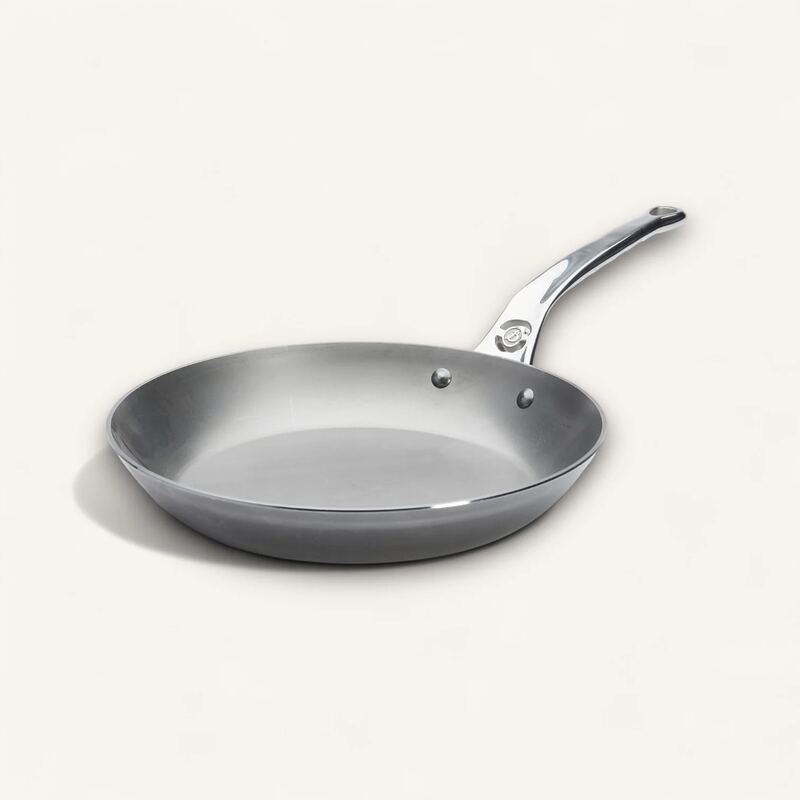
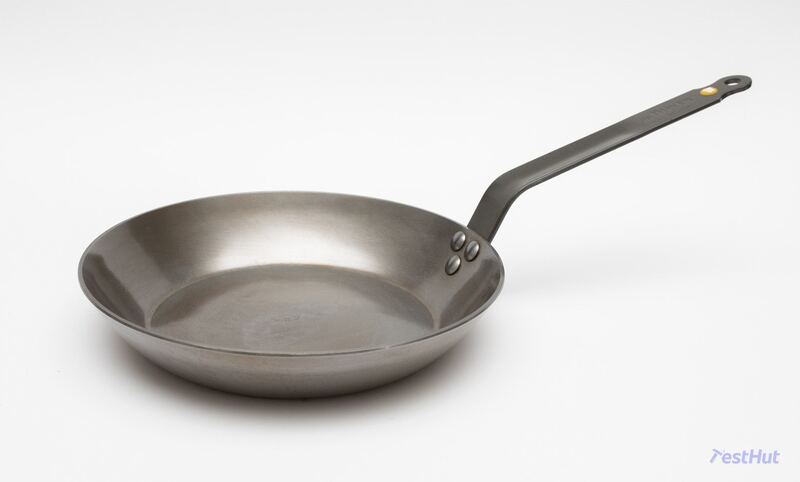
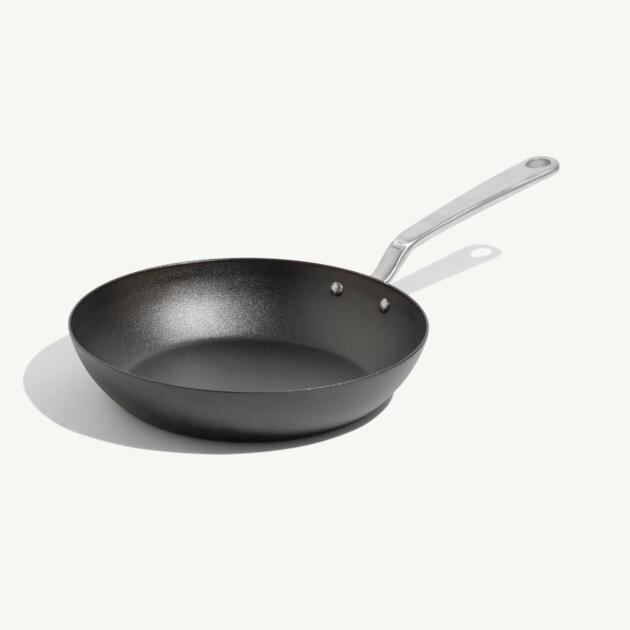
The Mauviel M'Steel carbon steel frying pan offers a lighter, more agile alternative to cast iron while delivering professional-grade searing capabilities and full stovetop-to-oven versatility up to 680°F. Thekitchn found that eggs slide freely once the initial seasoning is established, as the metal construction develops a durable nonstick patina over time without relying on synthetic coatings. However, this performance demands significant upkeep: users must remove the protective beeswax coating before first use and hand-wash the pan to prevent rust, while also noting that highly acidic foods can strip the finish. Additionally, the iron handle becomes extremely hot during cooking, requiring oven mitts for safe handling throughout the process.
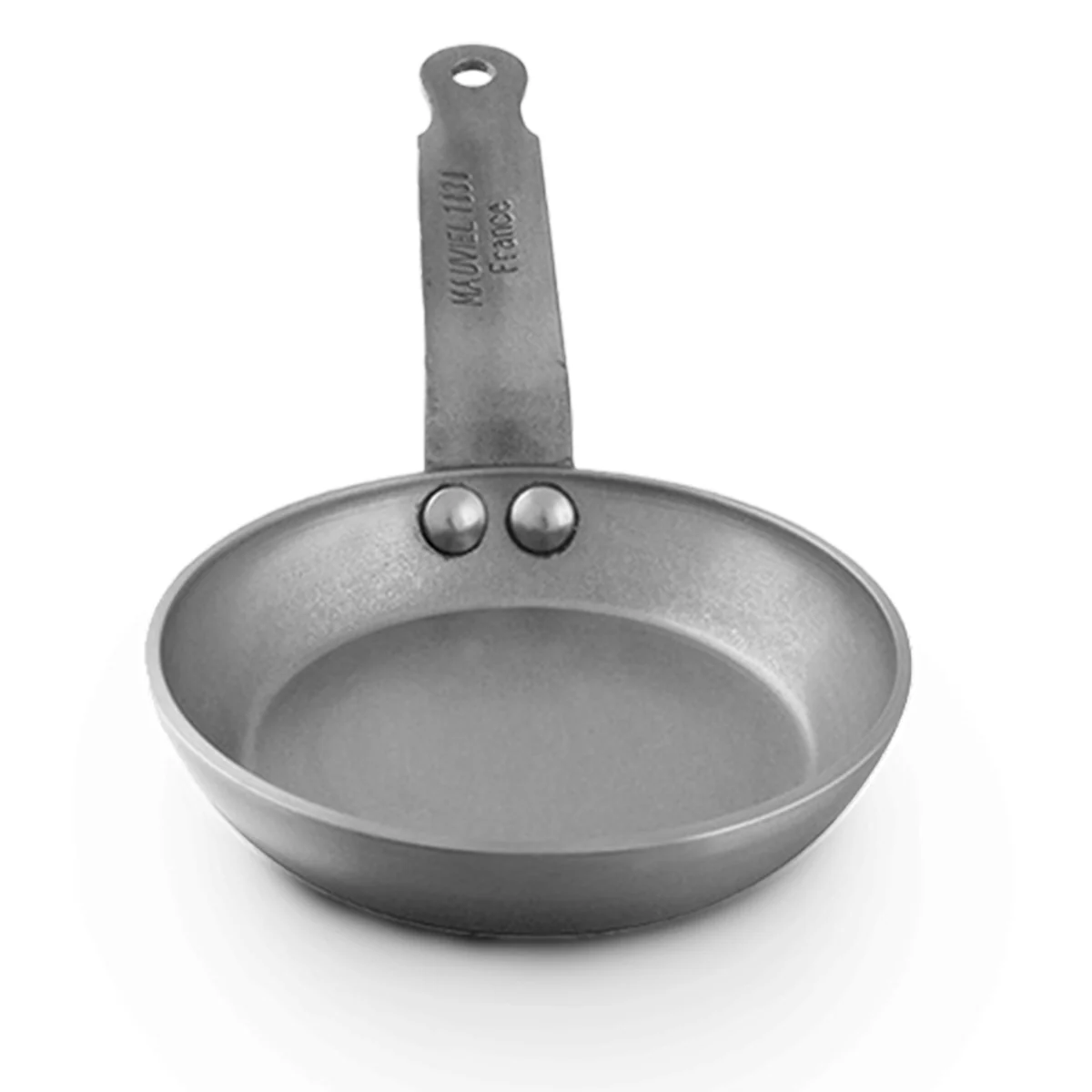
Full review
Initial Beeswax Removal and Seasoning Process
The Mauviel M'Steel arrives coated in a thick layer of beeswax designed to prevent rust during shipping, which requires immediate attention before the first use. Thekitchn reported that removing this coating is straightforward but demands hot water; simply washing under warm tap water leaves residue behind, whereas near-boiling water melts the wax off efficiently. This preparation phase typically takes about thirty minutes and involves scrubbing away the protective layer to expose bare metal.
Once the beeswax is stripped, the pan must be seasoned to establish a nonstick surface. The initial seasoning process requires heating the pan with oil in an oven or on a stovetop to polymerize the fat onto the steel. This step creates the foundational patina that defines carbon steel cookware's performance. Without this deliberate prep work, the raw iron will react immediately with food and moisture, leading to rapid rusting if left unattended.
The seasoning process is not a one-time event but an ongoing maintenance requirement. As the pan ages through repeated cooking cycles, the polymerized oil layers build up into a dark, smooth finish that improves release properties over time. This natural nonstick patina replaces the need for synthetic coatings found in conventional skillets, though it demands consistent care to maintain its integrity against moisture and acidic ingredients.
Lightweight Maneuverability Compared to Cast Iron
The Mauviel M'Steel weighs 2.4 pounds for the 7.9-inch size, making it significantly lighter and more agile than traditional cast iron skillets. This reduced weight allows users to flip food with one hand and maneuver the pan easily without straining the wrist or requiring two hands for stability. The thinner walls of carbon steel compared to thick cast iron contribute to this agility while still providing sufficient mass for heat retention.
The lighter construction makes it particularly suitable for daily use by cooks who prioritize ease of handling over maximum thermal inertia. While cast iron retains heat longer once hot, the Mauviel responds more quickly to temperature adjustments on the burner. This responsiveness allows for better control during tasks like sautéing vegetables or cooking delicate proteins that require precise heat management rather than brute-force searing power.
The balance between weight and durability is a key selling point for home cooks transitioning from heavy cast iron. The pan feels substantial enough to feel professional but light enough to be comfortable for extended use. This physical characteristic addresses one of the most common complaints about traditional carbon steel cookware, which often feels cumbersome and difficult to manage for users with limited upper body strength.
High Heat Performance and Oven Safety
The entire construction of the Mauviel M'Steel is metal, featuring an iron handle that becomes extremely hot during cooking. This design eliminates plastic or rubber components that would melt under high temperatures, allowing the pan to go directly from stovetop to oven safely up to 680 degrees Fahrenheit. The absence of heat-sensitive parts makes it ideal for finishing dishes like steaks or frittatas that require initial searing followed by oven baking.
The iron handle requires careful handling during and after cooking, as it offers no insulation from the pan's internal temperature. Users must rely on oven mitts or silicone pads to move the skillet safely, especially when transferring it from a hot burner into a preheated oven. This trade-off for full metal construction means that while the pan is versatile across heat sources, it demands constant attention to avoid burns.
The high-heat tolerance of carbon steel allows for superior searing capabilities compared to nonstick coatings, which degrade at extreme temperatures. The Mauviel can achieve a deep brown crust on proteins without releasing toxic fumes or damaging its surface structure. This thermal stability is what professional chefs value in carbon steel, enabling techniques like deglazing with wine directly in the hot pan to build complex fond for sauces.
Nonstick Performance Through Seasoning
When properly seasoned, the Mauviel M'Steel delivers impressive nonstick performance that rivals traditional synthetic coatings. Thekitchn found that eggs slid freely out of the pan with minimal oil after the initial seasoning was established. This release capability improves as the patina builds over weeks or months of use, creating a naturally slick surface that requires less fat for cooking compared to stainless steel.
The nonstick properties are not inherent to the raw metal but develop through repeated exposure to heat and oil. Early users may experience sticking if they attempt to cook delicate foods before the seasoning layer is robust enough. The learning curve involves understanding how much heat to apply and ensuring adequate fat coverage, as carbon steel does not forgive neglect in the way PTFE-coated pans do.
Maintenance of this nonstick surface requires gentle cleaning methods that preserve the polymerized oil layers. Scrubbing with abrasive pads or using harsh detergents can strip away the patina, forcing users to restart the seasoning process. The goal is to build a dark, smooth finish that naturally repels food without relying on chemical coatings that wear out over time.
Handling Acidic Foods and Rust Prevention
Carbon steel reacts chemically with highly acidic ingredients like vinegar, wine, or tomato-based sauces. These acids can strip away the seasoning layer and expose raw iron to moisture, leading to rust if the pan is not dried immediately after washing. Thekitchn noted that while a splash of wine for deglazing is generally acceptable during active cooking, prolonged simmering of acidic dishes should be avoided to protect the patina.
The reactive nature of carbon steel means it cannot go into a dishwasher, where harsh detergents and extended moisture exposure will rapidly degrade the seasoning. Users must hand wash the pan with warm water and a soft sponge or brush, then dry it thoroughly on low heat before storing. This routine prevents rust formation but adds significant maintenance compared to stainless steel or nonstick alternatives.
Proper care involves wiping the pan out with paper towels after cooking and occasionally rubbing in a thin layer of oil to maintain the surface. Neglecting this step can lead to patchy seasoning where food sticks unevenly, creating frustration for users accustomed to consistent performance from synthetic coatings. The trade-off is that a well-maintained carbon steel pan will last decades without losing its nonstick properties.
Aesthetic Appeal and Professional Heritage
The Mauviel M'Steel features a classic French professional kitchen aesthetic with no branding on the cooking surface, giving it a timeless, utilitarian appearance. The riveted iron handle and smooth carbon steel body create a look that many home cooks find appealing for both functional use and visual presentation. After years of seasoning, the dark patina develops a rich character that enhances its rustic charm.
Mauviel has been manufacturing cookware since 1830, bringing nearly two centuries of craftsmanship to this carbon steel line. The brand is primarily known for premium copper cookware, but its entry into carbon steel reflects a commitment to traditional materials and methods. This heritage appeals to buyers who value historical continuity in their kitchen tools alongside modern performance.
The visual evolution of the pan from raw silver metal to a deep black seasoned surface is part of its appeal for enthusiasts. Unlike nonstick pans that degrade visually with scratches and fading, carbon steel improves in appearance as it ages. This transformation provides a sense of ownership and personalization, as each pan develops unique patterns based on cooking habits and maintenance routines.
Long-Term Durability and Ownership Experience
After three years of near-daily use, the Mauviel M'Steel remains a reliable workhorse for searing steaks and cooking eggs. The patina stabilizes over time, becoming smoother and more consistent in its release properties. Users report that once the seasoning is dialed in, the pan requires minimal intervention beyond basic cleaning and occasional oiling to maintain performance.
The durability of carbon steel means it can outlast multiple generations of synthetic nonstick pans that require replacement every few years. The material does not chip, peel, or lose its structural integrity under normal use conditions. This longevity makes the initial investment worthwhile for cooks who prioritize tools that improve with age rather than degrade.
The learning curve for carbon steel is real but shortens significantly once users understand the basics of heat management and maintenance. Those willing to invest time in proper seasoning and care will find a versatile, high-performing pan that handles everything from delicate omelets to aggressive searing. The trade-off is ongoing attention to detail compared to set-and-forget nonstick alternatives.
Strengths
- +Lighter and more agile than cast iron, making it easier to maneuver daily
- +Entirely metal construction with no plastic or rubber parts allows safe stovetop-to-oven use
- +Develops a durable nonstick patina over time, outlasting traditional nonstick coatings
Watch-outs
- −Requires initial seasoning and ongoing maintenance to prevent rust and maintain the finish
- −Not dishwasher-safe and reacts negatively with highly acidic foods like vinegar or wine reductions
- −The iron handle becomes extremely hot during use, requiring oven mitts for handling
How it compares
The Mauviel Carbon Steel Frying Pan is lighter and more agile than cast iron, weighing only 2.4 lbs compared to the de Buyer's 6 lbs, making it easier for daily maneuvering. It allows safe stovetop-to-oven use up to 680°F due to its entirely metal construction, significantly outperforming the de Buyer Mineral B pan which is limited to 400°F by its epoxy handle.
Rating sources
Our 4.5 score is the average of the 1 scored review above; 8 more reviewed it without printing a score and are not in the average. More about methodology.