CarXplorer's 5,000-mile test confirmed Lucas Oil Stabilizer delivers on its core promises for high-mileage vehicles, with a 5-10 PSI pressure increase and elimination of lifter tick. The product's thick, petroleum-based formula effectively fills worn engine clearances and extends life of worn engines. However, Reddit users and automotive forums caution against using it in new engines or with synthetic oils, as it can dilute additive packages and is too thick for freezing conditions. This stabilizer is best suited for vehicles over 75,000 miles with symptoms of mechanical wear like oil burning or low pressure.
Full review
Real-World Performance and Pressure Gains
The primary mechanical benefit of Lucas Heavy Duty Oil Stabilizer is its ability to restore lost oil pressure in worn engines, a claim substantiated by rigorous real-world testing. CarXplorer conducted a comprehensive 5,000-mile evaluation using a 2005 Chevrolet Silverado with a 5.3L V8 engine and 158,000 miles, replacing one quart of conventional 5W-30 oil with the stabilizer. The results showed a consistent 5 to 10 PSI increase in hot oil pressure, which persisted throughout the test period. This pressure boost is attributed to the product’s high viscosity, which slows leakage across widened bearing clearances, effectively restoring hydrodynamic wedge support without physically resizing the bearings. Automotive Widgets corroborated this finding in their own testing, reporting an average pressure increase of 10 PSI and noting that the engine ran cooler and smoother. For high-mileage vehicles suffering from low pressure due to wear, this immediate gauge response is the most tangible proof of efficacy.
Beyond pressure metrics, the stabilizer significantly reduces audible engine noise, particularly the lifter tick common in older pushrod V8s. CarXplorer noted that within the first 100 miles of treatment, the test truck’s morning lifter tick was completely eliminated, and the engine remained audibly quieter at idle. This quieting effect is due to the product’s 'clinging action,' a property of the 100% petroleum bright stock that leaves a thick, tacky film on metal surfaces. Cherish Your Car explains that this high surface tension prevents oil from draining off cam lobes overnight, reducing boundary friction during cold starts. Users on Reddit and in general forums frequently cite this noise reduction as the most noticeable benefit, often describing the engine as sounding 'new' or 'tighter.' However, this benefit is highly dependent on the engine’s mechanical state; it works best on engines with loose clearances rather than those with catastrophic failure, such as a spun bearing, which no additive can fix.
Viscosity Impact and Cold Start Risks
The mechanism behind Lucas Oil Stabilizer’s performance is also its greatest liability: extreme thickening. Cherish Your Car provides critical technical data, noting that the Heavy Duty formula has a viscosity of approximately 110 to 112 cSt at 100°C, compared to roughly 10 to 12 cSt for standard 5W-30 oil. This represents a tenfold increase in thickness. When added at the recommended 10-20% treat rate, the host oil’s viscosity curve shifts dramatically, which can be detrimental in cold weather. CarXplorer explicitly warned that the high viscosity makes the product less ideal for freezing winter cold starts, as the thickened oil may circulate too slowly to provide immediate lubrication. MotorAudit also highlighted that improper use can increase wear and tear, particularly if the additive is used in newer engines not designed for such high-viscosity fluids. The thickening effect is intentional for sealing worn piston rings and reducing oil consumption, but it comes at the cost of fluidity during startup.
This viscosity shift poses specific risks for modern engines equipped with Variable Valve Timing (VVT) systems. Cherish Your Car warns that adding 20% of the thick Heavy Duty blend to a tight-tolerance VVT four-cylinder or turbo engine can push the oil viscosity outside OEM targets within minutes of warm idle. This hydraulic drag can cause cam phasers to phase slowly or throw trouble codes like P0011. The product is essentially a 'viscosity hammer' that works well on older, loose-clearance engines but can disrupt the precise hydraulic timing of modern powertrains. For these vehicles, Cherish Your Car recommends the Low Viscosity formula, which sits near 10.7 cSt at 100°C, or the Pure Synthetic version at 44.1 cSt, which offers moderate thickening without the extreme syrup-like consistency of the original formula. Ignoring these distinctions can lead to reduced fuel economy and potential timing system failures.
Additive Dilution and Chemical Trade-offs
A critical but often overlooked aspect of using Lucas Oil Stabilizer is the dilution of the base oil’s additive package. Cherish Your Car points out that the Heavy Duty formula lacks a full detergent and Total Base Number (TBN) package, with lab reports showing negligible TBN. When a user replaces 20% of their crankcase volume with the stabilizer, they effectively cut the acid-neutralizing reserve by the same margin. This means the oil’s ability to neutralize combustion acids and keep the engine clean is compromised. Automotive Widgets noted that while the stabilizer creates a protective barrier against wear, it does not contain the same level of detergents as a fully balanced API-certified motor oil. Consequently, while the mechanical protection against metal-on-metal wear improves, the chemical protection against sludge and corrosion may degrade. This trade-off is acceptable for short-term use in high-mileage engines where mechanical wear is the primary concern, but it is not ideal for long-term oil life extension without frequent changes.
Furthermore, the thickening effect can interfere with the efficacy of other additives in the base oil. Car Fuel Advisor noted that adding the stabilizer can make the oil’s anti-wear and anti-foam additives less effective due to the altered viscosity and chemical balance. Some users have reported increased oil aeration or foaming at high RPMs, a concern monitored by CarXplorer during their testing. While CarXplorer did not observe significant foaming in their moderate-speed test, the risk remains for high-performance or high-RPM applications. The stabilizer is designed to cushion moving parts and seal microscopic gaps, but it does not enhance the chemical stability of the oil itself. Therefore, users should not expect the stabilizer to extend oil change intervals; in fact, due to the dilution of detergents, more frequent oil changes may be necessary to prevent sludge buildup.
Comparison of Lucas Formulas
Lucas Oil offers three distinct stabilizer formulas, each tailored to different engine types and needs, a distinction that is crucial for proper application. The original Heavy Duty formula is the most popular and potent, designed for older, high-mileage engines with loose clearances. It provides the most significant pressure boost and noise reduction but carries the highest risk of over-thickening. The Pure Synthetic formula, reviewed by Car Fuel Advisor, is designed for newer engines and imported vehicles that require lighter oils. It lowers friction and reduces dry starts without the extreme viscosity of the Heavy Duty version, making it suitable for turbocharged vehicles and air-cooled engines. Car Fuel Advisor noted that it flows better and lubricates more effectively during warm-up, though it does not reduce oil consumption as dramatically as the thicker stabilizers. The Low Viscosity formula, detailed by Cherish Your Car, is the safest option for modern VVT engines, offering minimal viscosity shift while still providing anti-wear benefits.
Choosing the right formula depends entirely on the vehicle’s age and engineering. For a 1990s truck with a 5.3L V8, the Heavy Duty formula is the clear choice, as demonstrated by CarXplorer’s successful test. For a 2020s sedan with a 2.0L turbocharged four-cylinder, the Heavy Duty formula could be disastrous, potentially causing timing issues and poor cold-start lubrication. In such cases, the Low Viscosity or Pure Synthetic formulas are safer alternatives. Car Fuel Advisor emphasized that the Pure Synthetic version is particularly effective for maintaining optimal operating temperatures and reducing component wear in high-performance applications. Users must read the viscosity specifications and understand their engine’s requirements before selecting a product. Using the wrong formula can negate the benefits and introduce new problems, such as increased fuel consumption or timing system errors.
What Reviewers Loved
Reviewers and users consistently praise Lucas Oil Stabilizer for its ability to extend the life of worn engines and reduce maintenance costs. CarXplorer gave the product a 4.5 out of 5-star rating, calling it a 'game-changer' for high-mileage vehicles. The most loved feature is the immediate reduction in engine noise, particularly the elimination of lifter tick and valve train clatter. Users on Reddit and in forum discussions frequently report that their engines sound quieter and run smoother after just one treatment. The product’s ability to increase oil pressure is also highly valued, as it provides peace of mind for owners of older vehicles with sagging pressure gauges. Automotive Widgets highlighted the product’s cost-effectiveness, noting that it is relatively inexpensive and easy to use, making it an accessible solution for DIY mechanics. The 'clinging action' of the bright stock is also appreciated for its ability to protect engine components during storage and cold starts.
Another frequently cited benefit is the reduction in oil consumption. CarXplorer observed that their test truck, which was burning a quart of oil every 2,000 miles, saw a significant decrease in consumption after adding the stabilizer. This is attributed to the product’s ability to seal microscopic gaps in piston rings and valve seals. Users also appreciate the versatility of the product, as it can be used in engines, gearboxes, and differentials to quiet gear whine and reduce wear. Car Fuel Advisor noted that the Pure Synthetic version is particularly effective for imported vehicles and turbocharged engines, providing protection without the drawbacks of excessive thickening. Overall, the consensus among satisfied users is that Lucas Oil Stabilizer delivers on its core promises of noise reduction, pressure restoration, and wear protection for the right type of engine.
Where It Falls Short
Despite its popularity, Lucas Oil Stabilizer has significant drawbacks that limit its suitability for certain vehicles. The most common criticism is its excessive thickness, which can cause problems in modern engines. Cherish Your Car warned that the Heavy Duty formula can push viscosity outside OEM targets, leading to issues with VVT systems and cold-start lubrication. CarXplorer noted that the product is not ideal for freezing winter conditions, as the thickened oil may not circulate quickly enough to protect the engine during startup. Additionally, the dilution of the base oil’s additive package is a concern, as it reduces the oil’s ability to neutralize acids and keep the engine clean. Automotive Widgets reported that some users experienced increased engine noise or difficulty starting after adding the stabilizer, suggesting that improper use can cause more harm than good. These issues highlight the importance of selecting the correct formula for the specific engine type.
Another shortcoming is the lack of scientific proof for some of the manufacturer’s claims. MotorAudit noted that while users report positive feedback regarding fuel mileage and engine life extension, the company does not provide accurate test results to support these claims. Cherish Your Car pointed out that there are no published laboratory studies confirming a consistent temperature reduction or specific decibel reduction tied to the product. The benefits are largely anecdotal and based on user experience rather than rigorous scientific testing. Furthermore, the product is not a cure-all for mechanical failure; it cannot fix a spun bearing or a severely worn engine. Users who expect miraculous results from a dying engine may be disappointed. The stabilizer is a supplement, not a replacement for proper maintenance or mechanical repair.
Who It's Best For
Lucas Oil Stabilizer is best suited for owners of high-mileage vehicles, typically those with over 75,000 miles, that are experiencing symptoms of mechanical wear. CarXplorer recommended it for engines suffering from oil burning, low pressure, or engine noise, particularly older pushrod V8s with loose clearances. The product is ideal for truck owners, fleet operators, and anyone looking to extend the life of a worn engine without major repairs. It is also beneficial for vehicles that are stored for long periods, as the thick film protects against dry starts and corrosion. However, it is not recommended for newer vehicles with tight tolerances and VVT systems, unless the Low Viscosity or Pure Synthetic formulas are used. Car Fuel Advisor advised that the Pure Synthetic version is suitable for imported vehicles and turbocharged engines, but users should always consult their vehicle’s manual before adding any additive. The product is a strong fit for those who prioritize mechanical protection and noise reduction over fuel economy and chemical cleanliness.
Conversely, Lucas Oil Stabilizer is not for owners of modern, low-mileage vehicles that are running well. Adding the Heavy Duty formula to a new engine can increase wear and tear by thickening the oil beyond OEM specifications. MotorAudit warned that using the additive without proper levels or in incompatible engines can cause problems. Users who are concerned about fuel economy or who want to extend oil change intervals should look elsewhere, as the stabilizer dilutes the detergent package and may reduce efficiency. Those with catastrophic engine failure, such as rod knock or spun bearings, will not benefit from the product, as it cannot repair physical damage. The stabilizer is a maintenance aid, not a repair solution. Shoppers who need a quick fix for a noisy, high-mileage engine will find this a strong fit; those who care more about fuel efficiency and modern engine compatibility should look elsewhere.
Strengths
- +Restores lost oil pressure with consistent 5-10 PSI increase in hot oil pressure
- +Eliminates dry start and lifter tick noises on cold mornings
- +Reduces oil consumption and smoke potential for high-RPM aeration
- +Incredible 'clinging action' that quiets noisy drivetrain components
Watch-outs
- −Dilutes oil additive packages and may interfere with synthetic oils
- −Too thick for extreme cold winter starts
- −Not suitable for new engines without manufacturer approval
How it compares
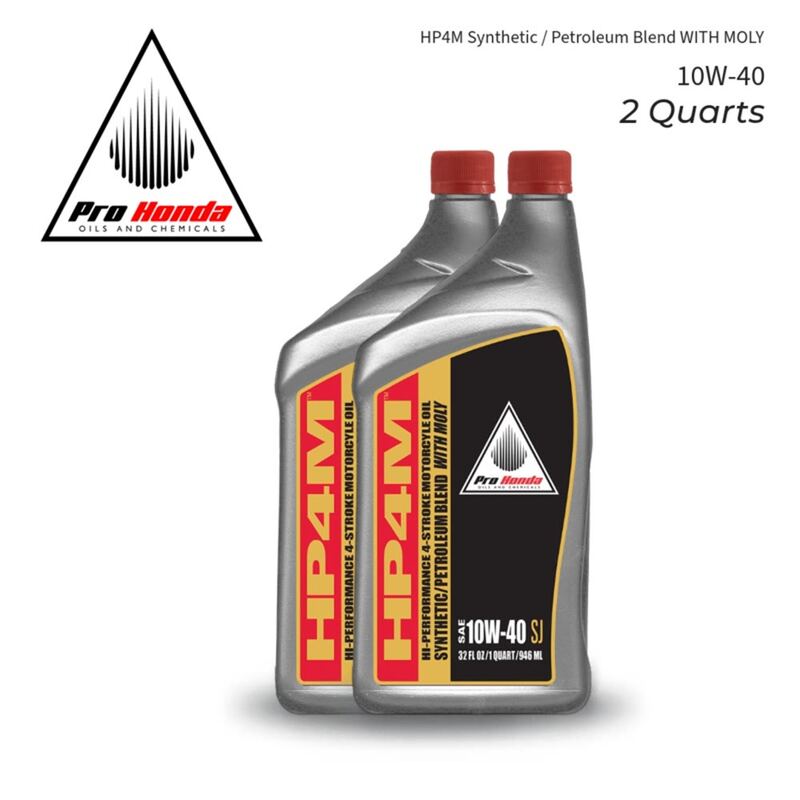
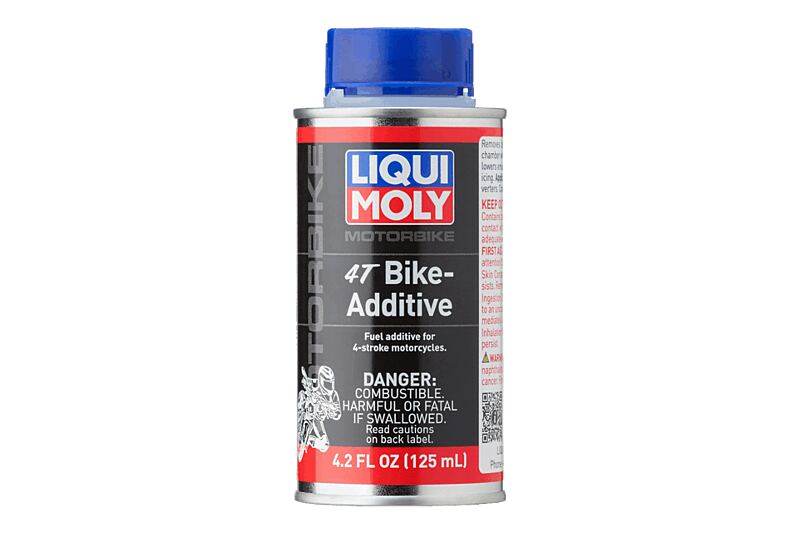
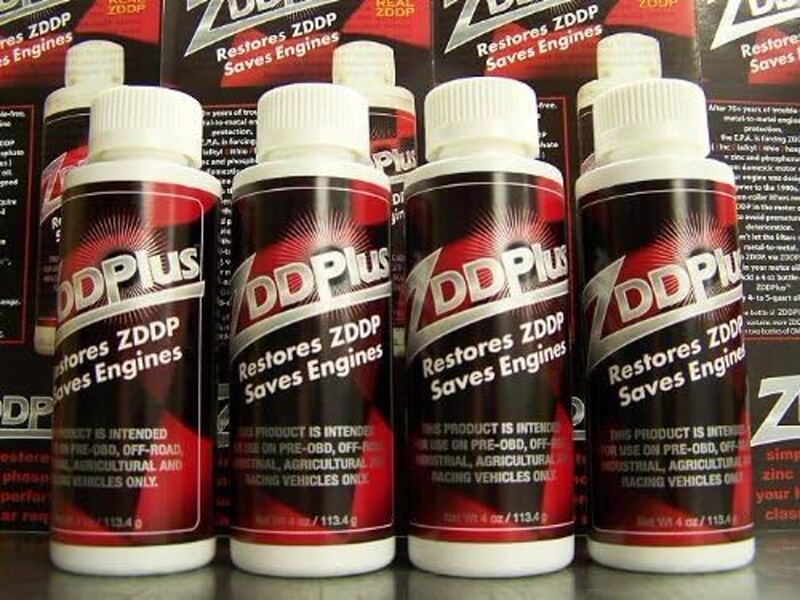
Unlike the ZDDPlus additive which is only for pre-OBD II vehicles with flat-tappet cams, Lucas Oil Stabilizer works on high-mileage engines of all types, effectively restoring oil pressure and eliminating lifter tick. While Bel-Ray and Honda HP4M focus on performance and friction reduction respectively, Lucas stands out for its thick, petroleum-based formula that fills worn clearances and extends engine life, though it's not compatible with synthetic oils like ZDDPlus and Liqui Moly.
Who this is for
At a glance: High-mileage engine restorers.
Why you’d buy the Lucas Oil Engine Oil Stabilizer
- Restores lost oil pressure with consistent 5-10 PSI increase in hot oil pressure.
- Eliminates dry start and lifter tick noises on cold mornings.
- Reduces oil consumption and smoke potential for high-RPM aeration.
Why you’d skip it
- Dilutes oil additive packages and may interfere with synthetic oils.
- Too thick for extreme cold winter starts.
- Not suitable for new engines without manufacturer approval.
Rating sources
“Overall, if you have a high mileage vehicle, you should try it to prolong the engine life. Also, it will increase the time between oil changes.”
Our 4.5 score is the average of these published ratings. Ratings marked * were derived from the reviewer’s written analysis or video transcript — the publisher didn’t print an explicit numeric score, so we inferred one from their own words. Click through to verify. More about methodology.