The LIFX A19 Color is the brightest and best hub-free bulb. Matter support means it now works across every major ecosystem. The downside: a near-Hue price without Hue's mesh reliability, and like all Wi-Fi bulbs it taxes your router as you add more.
Full review
1,100 lumens with no hub required
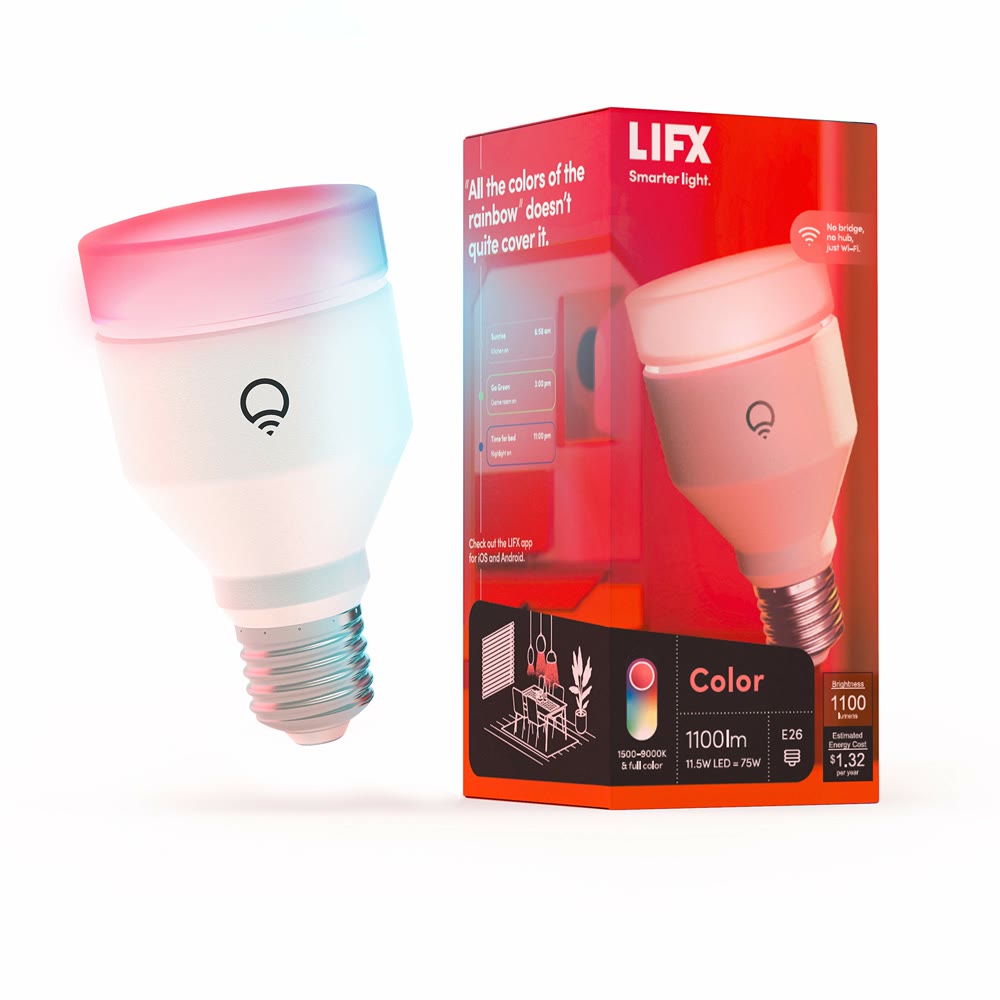
The LIFX A19 Color's headline trait is raw brightness. The bulb is rated at 1,100 lumens. That extra brightness over the 800-lumen Hue is immediately visible in larger rooms and fixtures where you want a single bulb to do real work. For anyone who finds typical smart bulbs a little dim, the LIFX is the obvious answer.
The other defining feature is that it needs no hub. TechRadar noted it 'works straight out of the box without requiring a hub and is cheaper than Philips Hue.' You screw it in, connect it to Wi-Fi, and you're done — no bridge to buy or place. The trade, as with any Wi-Fi bulb, is that each unit occupies a slot on your router and responses can be marginally slower than a Zigbee or Thread bulb.
Vivid, saturated color across 1500K to 9000K
LIFX colors are vivid and deeply saturated, with an exceptionally wide color-temperature range spanning roughly 1500K to 9000K — wider than Hue's. The palette and the bulb's effects engine make it a favorite for accent and mood lighting where punchy, dramatic color is the goal. Modern Castle described it as the brightest hub-free bulb with 'vivid, saturated color.'
The one knock reviewers raise is naturalness. TechRadar noted 'the light it throws isn't as natural' as Hue's. For saturated color the LIFX is superb; for the most neutral, even everyday white light, Hue still has a slight edge.
Matter support now covers every major ecosystem
Setup is among the simplest in the category precisely because there's no hub. The LIFX app handles Wi-Fi onboarding through a straightforward color-wheel interface, and the bulb supports a generous library of preset themes and specialty modes. With Matter support added, the bulb now pairs natively into Alexa, Google Home, Apple Home, and SmartThings, which removes the cross-ecosystem limitations earlier LIFX bulbs had.
The app is capable if not quite as polished as Hue's, with solid scheduling and scene tools. For a single-app, no-extra-hardware experience, LIFX is hard to beat — the entire setup is screw-in, connect, and control, with Matter providing the long-term compatibility insurance that hub-free Wi-Fi bulbs historically lacked.
Pays near-premium price without a mesh network
Price is the main issue. LIFX bulbs sit close to Hue territory, yet without the Bridge they don't get a Zigbee mesh, so you're paying near-premium money for Wi-Fi reliability rather than mesh reliability. For a large install that distinction matters, because Wi-Fi bulbs degrade in responsiveness as you pile on more of them.
The upward-directed light pattern and the slightly less natural white rendering are secondary caveats. None of these undermine the bulb's core appeal as the bright, hub-free color champion, but they're the reasons it ranks just behind Hue rather than ahead of it.
Brighter than Hue, less reliable at scale
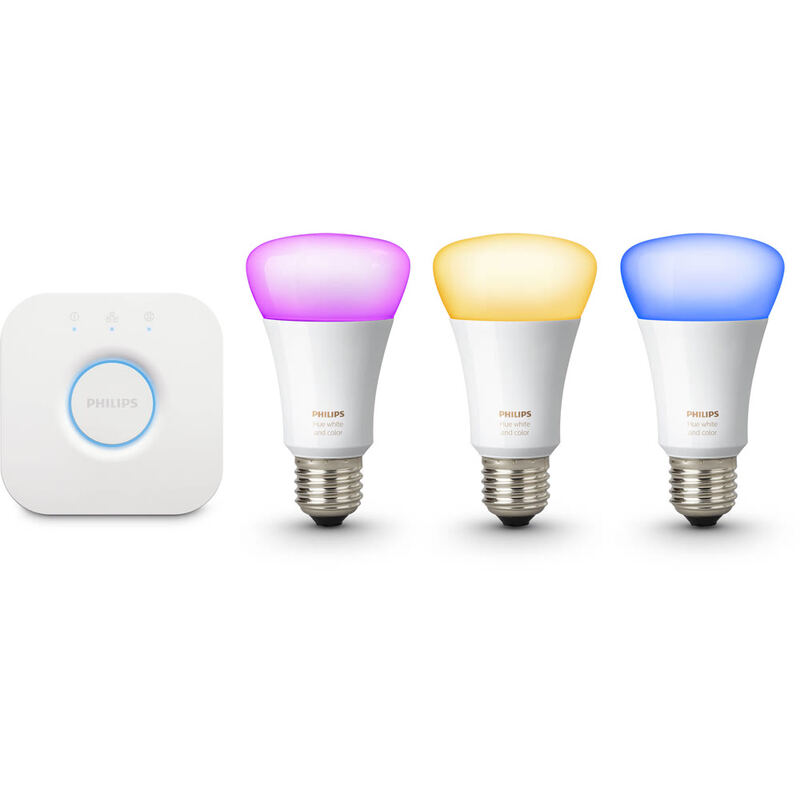
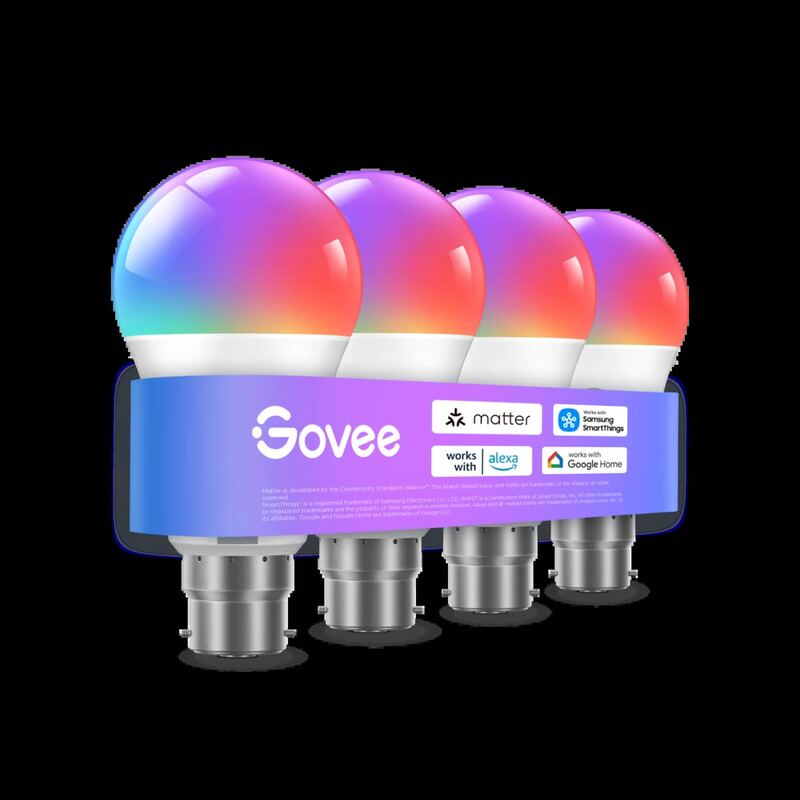
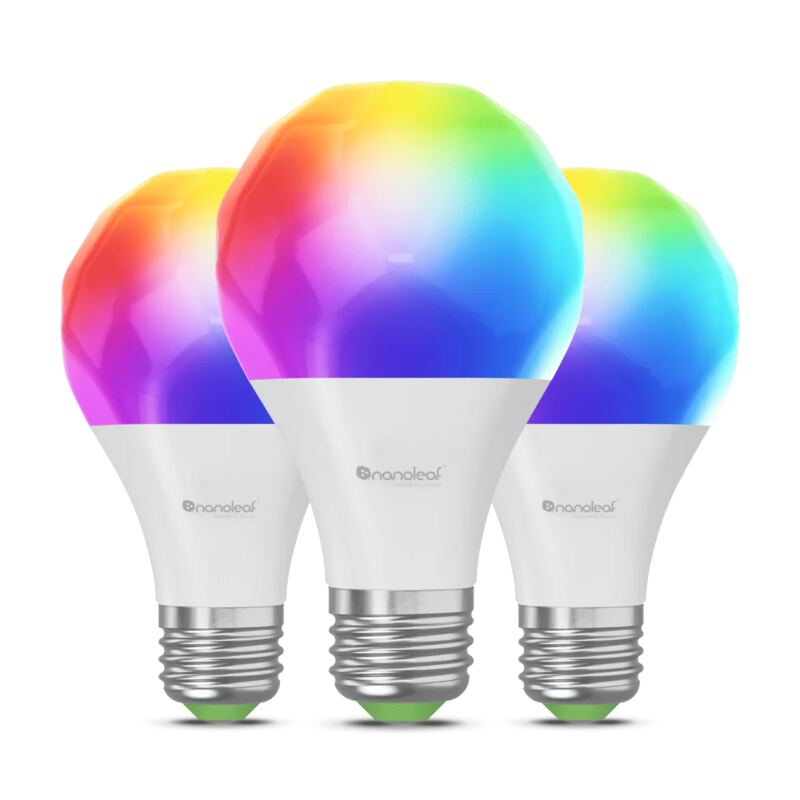
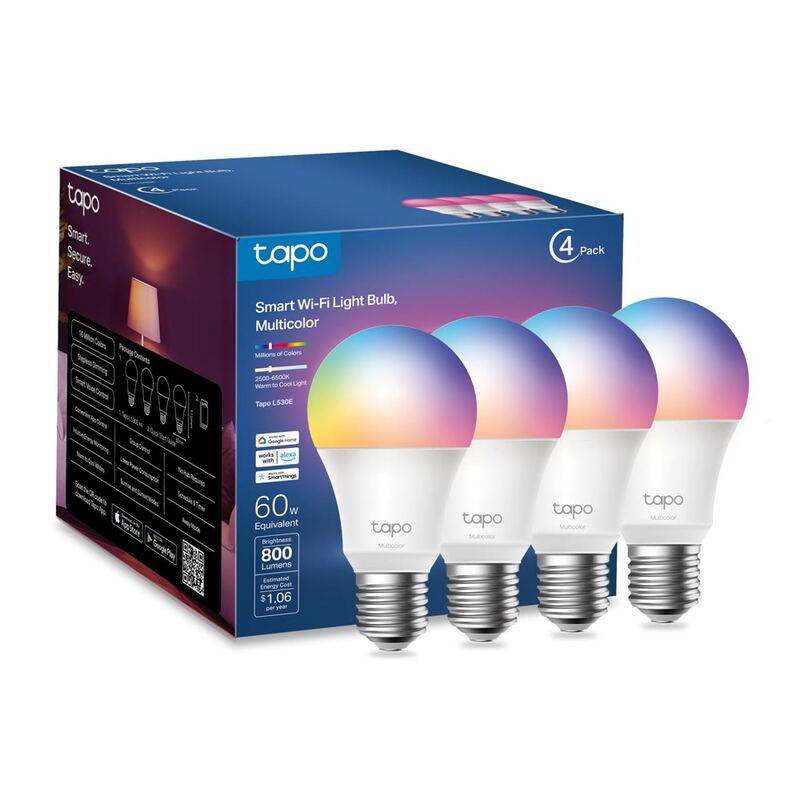
Versus the Philips Hue White and Color Ambiance A19, the LIFX is brighter and hub-free but less reliable at scale and not quite as natural in its whites. Versus the cheaper field, it costs considerably more than the Nanoleaf Essentials A19, Tapo L530E, and Govee Smart A19 — its justification is the 1,100-lumen output and the saturated color those budget bulbs can't match.
If brightness and color vibrancy without a hub are your priorities, LIFX is the pick. If you want the cheapest decent color bulb, the Govee or Tapo win; if you want Matter future-proofing on a budget, Nanoleaf does; and if you want maximum reliability and ecosystem, Hue does. LIFX occupies the bright-premium-but-hub-free niche cleanly.
Best for larger rooms that need real brightness
The LIFX A19 Color is for buyers who want the brightest, most vivid color bulb that requires no hub and works with every ecosystem via Matter — and who are willing to pay near-premium prices for it. It's especially good for accent lighting, larger rooms, and anyone who finds ordinary smart bulbs too dim.
Look elsewhere if you're cost-conscious or planning a large install. The Govee Smart A19 and Tapo L530E are far cheaper for basic color, the Nanoleaf Essentials A19 adds Thread and Matter value, and the Philips Hue White and Color Ambiance A19 is the better choice for a big, reliability-critical system.
Strengths
- +No hub required — connects directly over Wi-Fi
- +Vibrant, saturated colors with a huge palette and effects
Watch-outs
- −Each bulb loads your Wi-Fi network, limiting scalability
How it compares
The brightness leader. It out-lumens the Philips Hue White and Color Ambiance A19 (1,100 vs 800) and needs no hub like the Hue does, but its Wi-Fi connection lacks Hue's Zigbee mesh reliability. Its edge over the Nanoleaf Essentials A19, Tapo L530E, and Govee Smart A19 is superior output and color saturation.
Rating sources
Counts as 3.92/5 in our score — this publisher's 195 scores on the site average 4.25, so its scores are adjusted down to compare fairly with other publishers.
Counts as 4.52/5 in our score — this publisher's 4 scores on the site average 4.79, so its scores are adjusted down to compare fairly with other publishers.
Our 4.2 score is the average of the 2 scored reviews above, each adjusted for how strictly its publisher scores; 1 more reviewed it without printing a score and is not in the average. More about methodology.