kitchenorderly found that the nesting architecture drastically minimizes cabinet footprint by allowing bases to slide smoothly inside one another, preventing chaotic 'kitchen avalanches.' HSN demonstrated that the robust silicone rim and locking latches create a completely leakproof seal, keeping soups and sauces secure even when inverted in lunch bags. The color-coded system simplifies organization by matching lids to containers via dots on the base bottom, though mumsnet notes the premium price point may deter budget-conscious shoppers. While BPA-free plastic resists warping and odors, tomato-based sauces can occasionally leave faint orange tints on clear walls over time. This set fits users with severe space constraints or those needing reliable leakproof transport for liquids; it is less suitable for storing dry goods where the higher cost cannot be justified.
Full review
Nesting architecture eliminates cabinet clutter
The defining engineering achievement of this product line is its ability to collapse a large collection of disparate containers into a single, compact column. kitchenorderly describes the design as solving the classic 'kitchen avalanche' by allowing every base to slide smoothly inside the next largest size. This nesting capability drastically minimizes the footprint inside crowded kitchen cabinets, transforming what would typically be a chaotic drawer full of mismatched plastic tubs into an orderly stack that occupies minimal shelf space.
The system extends beyond just the bases; Mumsnet notes the companion lids are engineered to snap firmly together in a single flat stack that sits directly on top of the nested bases. This unified layout ensures users spend zero time hunting for a matching lid when packing away leftovers or preparing school lunches, as every component locks together into a cohesive unit. The visual clarity of the clear plastic walls further aids organization by allowing users to see exactly what is stored inside without opening each individual container.
Color-coded dots simplify lid pairing
A persistent frustration in food storage is trying to pair clear plastic lids with their corresponding bases, often leading to mismatched seals or lost pieces. Joseph Joseph addresses this by implementing a vibrant color-coding system across the entire product range. Each container base features a subtle colored dot on the bottom that directly corresponds to the color of its designated locking lid. This intuitive visual cue streamlines meal prep workflows, allowing users to instantly grab the right pairing even during a morning rush.
The HSN review team highlights this matching system as a critical feature for quick identification in busy kitchens. By visually linking the base to the correct lid through these distinct color markers, the design removes the guesswork from storage organization. This attention to detail ensures that every container remains paired with its proper seal, maintaining the integrity of the nesting stack and preventing the common household issue of orphaned lids.
Silicone rim delivers leakproof airtight seals
The locking mechanism on these containers is anchored by a robust silicone rim that creates an engineered airtight seal. This feature guarantees completely leakproof performance, making the containers safe for transporting soups, sauces, and cut fruits in lunch bags or backpacks without worrying about messy spills. The secure closure prevents oxygen exposure, which helps lock in flavor and extend ingredient freshness for several days compared to loosely covered alternatives.
HSN demonstrates the reliability of this seal by turning a container filled with purple liquid completely upside down over a paper towel, showing zero leakage even when shaken vigorously. This level of security is particularly important for liquids like salad dressings or broths that would typically ruin other storage solutions if tipped over. The locking latches on the corners work in tandem with the silicone rim to ensure the container only opens when the user intentionally releases it.
BPA-free plastic resists warping and odors
Constructed from high-grade BPA-free plastics, these containers are designed for long-lasting durability against accidental drops on hard kitchen tile floors. The material is specifically engineered to resist staining, warping, and lingering food odors over prolonged daily use. This resilience makes them a reliable investment for busy home cooks who demand consistent performance without the degradation often seen in cheaper plastic alternatives.
The containers are dishwasher safe, allowing for easy cleaning on the top rack of standard dishwashers. While some users prefer hand-washing to maintain clarity, the material's resistance to warping ensures that repeated machine washing does not compromise the fit of the lids or the structural integrity of the bases. The clear construction allows for excellent visibility of contents, which helps prevent forgotten leftovers from spoiling in the back of the refrigerator.
Tomato sauces cause faint orange staining
Despite the high-quality material claims, some users report that tomato-based sauces can occasionally leave faint orange tints on the clear plastic walls over time, according to Mumsnet. This specific type of staining is a known limitation of clear plastics when exposed to highly pigmented foods repeatedly. While it does not affect the structural integrity or safety of the containers, it can impact the aesthetic appeal for users who prioritize pristine clarity in their kitchen storage.
Premium pricing exceeds budget alternatives
The premium price point of this system is significantly higher than basic, budget-friendly disposable containers or generic plastic tubs. mumsnet notes that while the brand is trusted for practical space-saving solutions, the cost may deter shoppers looking for simple, low-cost storage options. The investment is justified by the locking mechanism and nesting design, but it places these containers in a higher tier compared to standard kitchenware.
Shoppers who need reliable, leakproof transport for lunches or have severe cabinet space constraints will find this strong fit despite the cost. Those who primarily store dry goods like flour and sugar, or who do not mind hunting for matching lids, might find the premium price difficult to justify when cheaper alternatives are available.
Strengths
- +Nesting design allows bases to slide smoothly inside one another, drastically minimizing cabinet footprint and preventing 'kitchen avalanches'
- +Color-coded system matches lids to containers via colored dots on the base bottom, eliminating the struggle of finding matching pairs, per Mumsnet
- +Engineered airtight seal with robust silicone rim ensures leakproof performance for soups and sauces even when inverted or tossed in bags
- +Constructed from BPA-free plastic that resists staining, warping, and lingering food odors while remaining dishwasher safe
Watch-outs
- −Premium price point is significantly higher than basic budget-friendly disposable containers
- −Tomato-based sauces can occasionally leave faint orange tints on the clear plastic walls over time
How it compares
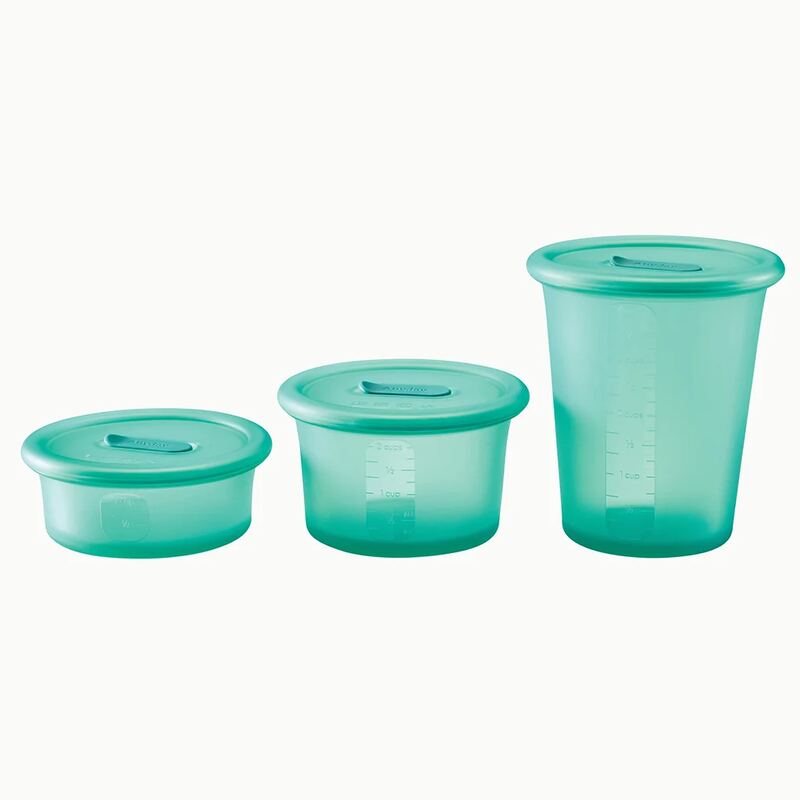
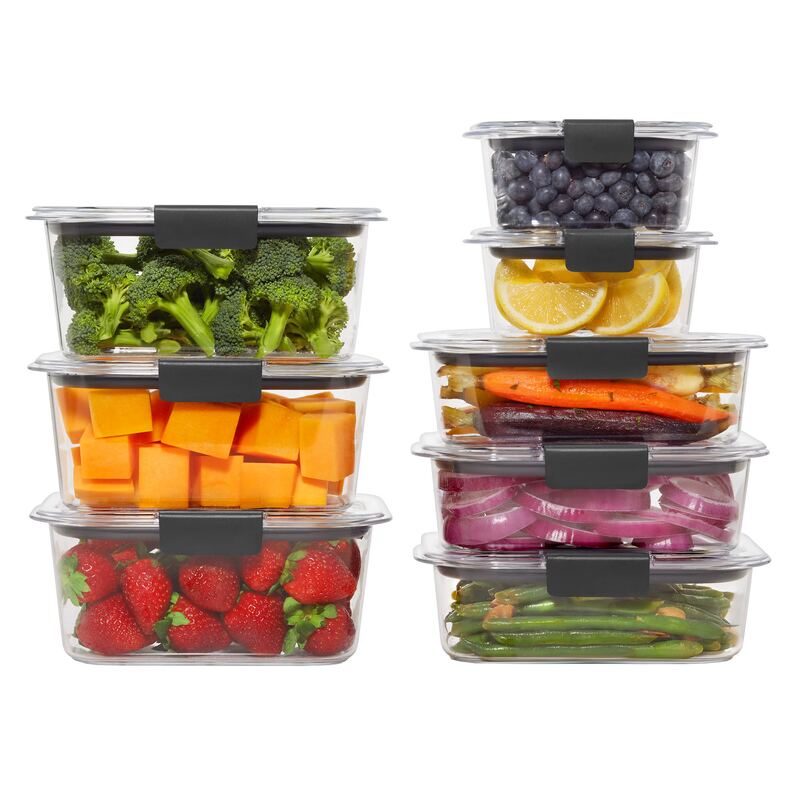
The Joseph Joseph Nest Lock containers feature a nesting architecture that drastically minimizes cabinet footprint, whereas the Anyday Anydeli Mixed Set is bulkier and does not nest closely. It offers color-coded lids for easy matching, unlike the Rubbermaid Brilliance set which relies on uniform lid shapes but lacks this specific visual coding system.
Rating sources
“Joseph Joseph if you've ever Googled them and researched these guys it's an amazing company and they create some of the best storage wear on the planet”
“The Joseph Joseph Nest lock set is a smart and space- saving option for those with limited storage space.”
Our 4.5 score is the average of the 3 scored reviews above; 1 more reviewed it without printing a score and is not in the average. Ratings marked * were derived from the reviewer’s written analysis or video transcript — the publisher didn’t print an explicit numeric score, so we inferred one from their own words. Click through to verify. More about methodology.