For beginners under 5'9" and 180 pounds, the Intex Challenger K1 is a lot of kayak for the money. Paddling Magazine praised its stability and ease of use, while Dave Samuel's 30-day review flagged significant tracking issues and size constraints that rule it out for taller or heavier paddlers. Manual inflation is laborious, and the thin vinyl can be damaged by over-inflation. Calm-water lake paddling and fishing are where it works; serious paddlers or anyone chasing performance should look elsewhere.
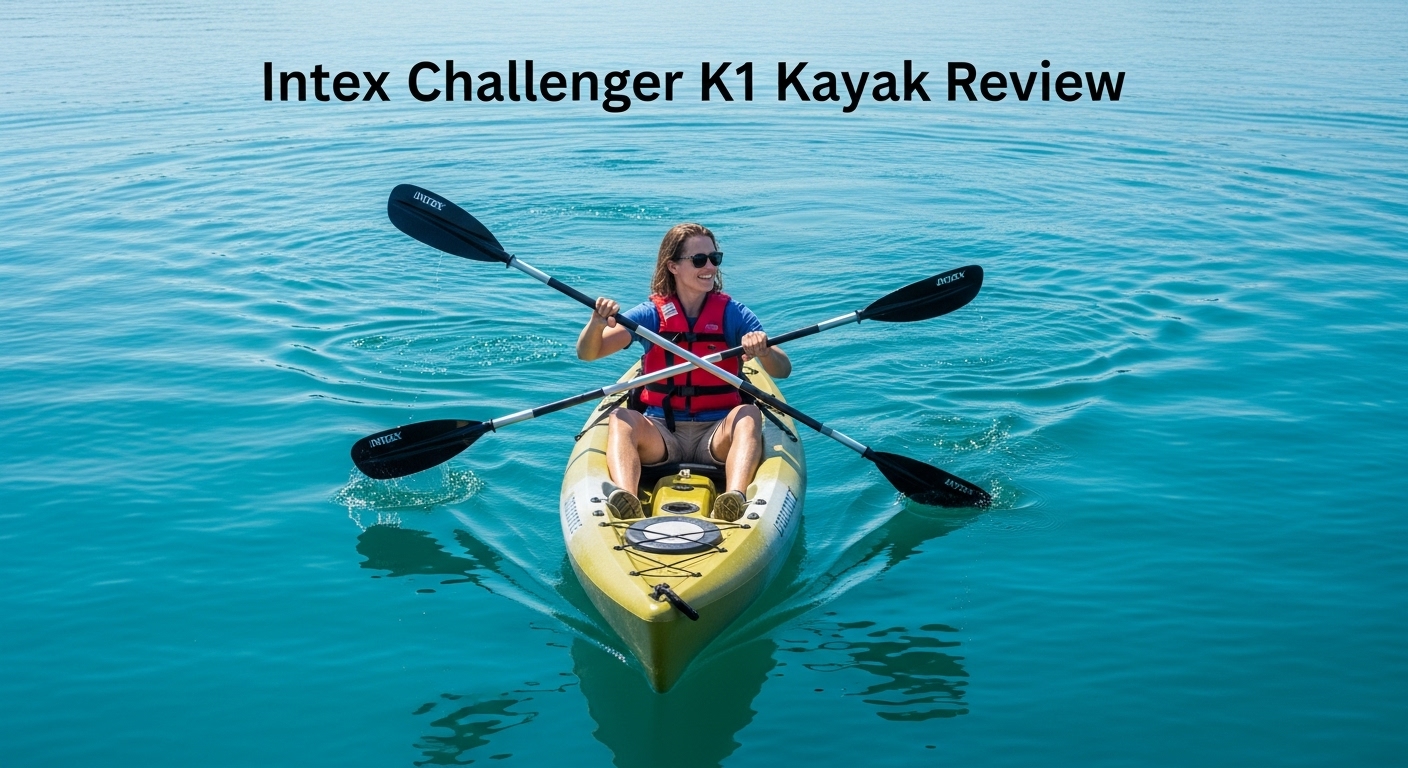
Full review
Tops out at just 2 to 3 mph
The Intex Challenger K1 delivers a surprisingly functional experience on calm water, but its performance quickly reveals limitations under real-world conditions. Paddlingmag.com's Conor Mihell noted that while the kayak feels stable and predictable on calm lakes, it struggles significantly with tracking and wind resistance. On a gentle river with minimal current, the kayak's poor tracking became immediately apparent, requiring constant correction even with the included skeg. The Challenger K1 maintains speeds of only 2-3 mph, which pales in comparison to hard-shell kayaks that typically cruise at 4-5 mph. The kayak's 2-3 mph maximum speed makes longer trips exhausting, particularly in light wind conditions where the kayak becomes a sail. The lightweight design, while beneficial for portability, translates to a lack of momentum and directional stability that becomes problematic during extended paddling sessions.
Professional reviewer Dave Samuel from Paddleroundthepier.com experienced similar tracking issues, noting that even with the skeg attached, maintaining a straight line required constant correction. The kayak's 9-foot length and shallow depth create a design compromise that favors stability over speed and directional control. The flat bottom provides excellent primary stability for beginners, but this same design makes the kayak difficult to paddle efficiently over longer distances. The combination of slow speed and poor tracking means that the Challenger K1 becomes a frustrating experience for anyone seeking to cover significant water distances or navigate through moderate currents. During his 30-day testing period, Samuel found that the kayak's performance deteriorated significantly in even light winds, making it unsuitable for anything beyond sheltered calm water conditions.
Thinner PVC than you'd expect for $140
The Challenger K1's construction reveals a clear budget-conscious approach that affects both durability and user experience. According to Paddlingmag.com, the kayak is made of enhanced molecular PVC, a material that feels thinner than what one would expect from a $140 kayak. The vinyl construction, while flexible and easy to store, lacks the rigidity of more expensive models and shows signs of wear under regular use. The welded seams appeared straight and well-constructed during initial setup, but long-term durability remains questionable. Glenn Said's six-month review revealed that despite the thin material, the kayak held up well against minor scrapes and punctures, with the included repair kit proving effective for small tears. However, the material's thinness becomes a concern when considering potential damage from sharp rocks or debris in the water.
The kayak's design features two large air chambers running the perimeter of the boat and a flat bottom made up of smaller tubes known as 'I-beams.' This construction provides excellent stability but sacrifices performance characteristics. The I-beam design creates a stable platform that allows for comfortable paddling, but it also contributes to the kayak's sluggish handling and poor tracking. The open cockpit design, while making entry and exit easy, creates a safety concern in rough water conditions where swamping becomes possible. The included accessories, including an adjustable inflatable seat with backrest, aluminum paddles, and a high-output hand pump, are basic but functional.
Setup and Assembly Process
Setup and assembly of the Intex Challenger K1 takes longer than advertised, requiring approximately 15 minutes for beginners rather than the claimed 10 minutes. The inflation process, while functional, demands significant effort from the user. Paddleroundthepier.com's Dave Samuel noted that the manual pump works but is a workout, requiring about 12 minutes to fully inflate the kayak. The included hand pump is adequate but slow, leading many users to purchase electric pumps for convenience. The Boston valves work well for inflation but can expand in heat, causing issues with over-inflation. The inflation process involves multiple steps: first inflating the floor chamber to about 1 PSI, then the main hull chamber to 1.5 PSI, followed by installing and inflating the seat, attaching the skeg, and assembling the paddle sections. The process is straightforward but time-consuming, particularly for those unfamiliar with inflatable kayak setup.
Paddlingmag.com's Conor Mihell emphasized that the kayak's lightweight design at 28 pounds makes it easy to transport and carry to the water. However, the assembly process requires careful attention to pressure levels, as over-inflation can stress seams and cause damage. The kayak's components include a dual-action pump, adjustable inflatable seat, collapsible 5-part paddle, tracking fin, and even a simple inflatable footrest. The included accessories are basic but sufficient for beginner use. The carrying bag, while basic, holds everything needed for a paddling session and provides adequate protection during transport.
Included gear alone would cost $75 to $100
Paddlingmag.com's Conor Mihell highlighted the kayak's ease of use and storage, calling it ideal for those who want to try kayaking without making a significant investment. The kayak's price point of around $95-140 makes it accessible to budget-conscious consumers. The bright green and blue color scheme, as noted by Paddleroundthepier.com, looks better in person than in photos, adding a fun element to the paddling experience. The kayak's stability and ease of entry and exit make it particularly appealing to beginners, with the wide cockpit allowing for comfortable access regardless of user size.
Glenn Said's six-month review emphasized the kayak's versatility and ease of use, noting that it was suitable for both lake and creek paddling. The kayak's lightweight design at 23.9 pounds makes it easy to carry, even for solo paddlers. The included accessories, including a foot pump, repair kit, 3-piece paddle, and inflatable seat, provide everything needed for basic paddling.
Cramped for paddlers over 5 foot 9
The Intex Challenger K1's primary limitations stem from its size and performance compromises that become apparent during extended use. Paddleroundthepier.com's Dave Samuel discovered that the kayak simply doesn't work for anyone over 5'9" tall, with the cockpit becoming uncomfortably cramped for taller users. The kayak's slow speed of 2-3 mph, combined with poor tracking, makes it unsuitable for anything beyond sheltered calm water conditions. The kayak struggles significantly in even light wind, becoming difficult to control and requiring constant correction.
The kayak is made of thin vinyl. A repair kit for small tears is included, but the overall material quality remains a concern. The kayak's performance in rough water conditions is particularly poor, with the shallow depth and lightweight design making it unsuitable for ocean kayaking or challenging river conditions. The inflatable seat, while adjustable, lacks adequate back support for extended paddling sessions, leading to discomfort and back aching after longer trips. The lack of proper weight distribution and the kayak's design limitations make it unsuitable for serious paddling or extended use.
Meant for an hour or two on the water
The Intex Challenger K1 is best suited for beginners under 5'9" and 180 pounds who want to test kayaking on calm waters without making a major investment. Paddlingmag.com's Conor Mihell recommends it for recreational paddlers looking to have fun on the water for an hour or two at a time. The kayak's affordability makes it ideal for those who want to try kayaking before investing in a more expensive model. The included accessories provide everything needed for basic paddling, making it a complete package for first-time users. The kayak's stability and ease of use make it particularly appealing to those new to paddling, with the wide cockpit allowing for comfortable entry and exit regardless of user size.
However, the Challenger K1 is not recommended for taller or heavier paddlers, or those seeking performance in challenging water conditions. The kayak's size limitations and performance compromises make it unsuitable for anyone over 5'9" or 180 pounds. The poor tracking and slow speed make it unsuitable for anything beyond sheltered calm water conditions, with the kayak becoming difficult to control in even light wind. The thin vinyl material and basic paddle quality make it unsuitable for serious paddling or extended use. Those seeking a more durable, high-performance kayak should look elsewhere, as the Challenger K1's design compromises prioritize affordability and beginner-friendliness over performance.
Slower than premium inflatables at 3 to 4 mph
The Intex Challenger K1 competes with other budget-friendly inflatable kayaks like the Sea Eagle 370 and larger Intex Challenger K2, but its performance falls short of more expensive alternatives. Paddlingmag.com's Conor Mihell noted that while the Challenger K1 performs like other beginner kayaks, it lacks the performance and comfort of more expensive models. The kayak's 2-3 mph speed is significantly slower than premium inflatables that typically reach 3-4 mph, and its tracking issues make it unsuitable for longer paddling sessions. The Challenger K1's design compromises between stability and performance, favoring stability over speed and directional control. Compared to hard-shell kayaks, the Challenger K1's performance is significantly compromised due to its inflatable construction and shallow depth.
The kayak's value proposition becomes clear when compared to more expensive models, as the Challenger K1 offers basic functionality at a fraction of the cost. However, its limitations in tracking, speed, and comfort make it unsuitable for serious paddling or extended use. The included accessories alone would cost $75-100 separately, making the package deal hard to beat for the right person. The Challenger K1's performance in rough water conditions is particularly poor compared to dedicated whitewater kayaks or ocean kayaks, which are designed to handle challenging conditions. The kayak's lightweight design and portability make it appealing for storage and transport, but these advantages are offset by its limited performance capabilities.
Thin material may need replacing over time
The Intex Challenger K1 delivers exceptional value for its price point of $95-140, particularly for beginners who want to test kayaking without a major financial commitment. Paddlingmag.com's Conor Mihell emphasized that the kayak's affordability makes it ideal for those who want to try kayaking before investing in a more expensive model. The included accessories, including a foot pump, repair kit, 3-piece paddle, and inflatable seat, provide everything needed for basic paddling, with these items alone costing $75-100 separately. The kayak's ability to handle various water conditions, from calm lakes to shallow creeks, adds to its value proposition for casual paddlers. The bright green and blue color scheme and easy setup make it appealing to first-time users who want a fun, accessible introduction to kayaking.
However, the kayak's limitations become apparent when considering its long-term value. The thin vinyl material and basic paddle quality may require replacement or upgrades after extended use, reducing the overall value proposition. The kayak's performance in rough water conditions and its limited comfort for extended paddling sessions make it unsuitable for serious paddlers or those seeking performance. The included accessories, while functional, are basic and may not meet the needs of more experienced users. Despite these limitations, the Challenger K1's affordability and beginner-friendly design make it a solid choice for those testing the waters of kayaking without a significant financial investment.
Strengths
- +Excellent value for beginners with complete kit included
- +Lightweight at 26 pounds, easy to transport and store
- +Good primary stability for calm water paddling
- +Includes all necessary accessories like paddles, pump, and cargo net
Watch-outs
- −Size limitations make it uncomfortable for paddlers over 5'9" tall
- −Poor tracking and difficulty maintaining straight line in wind
- −Manual pump is slow and requires significant effort to inflate
How it compares
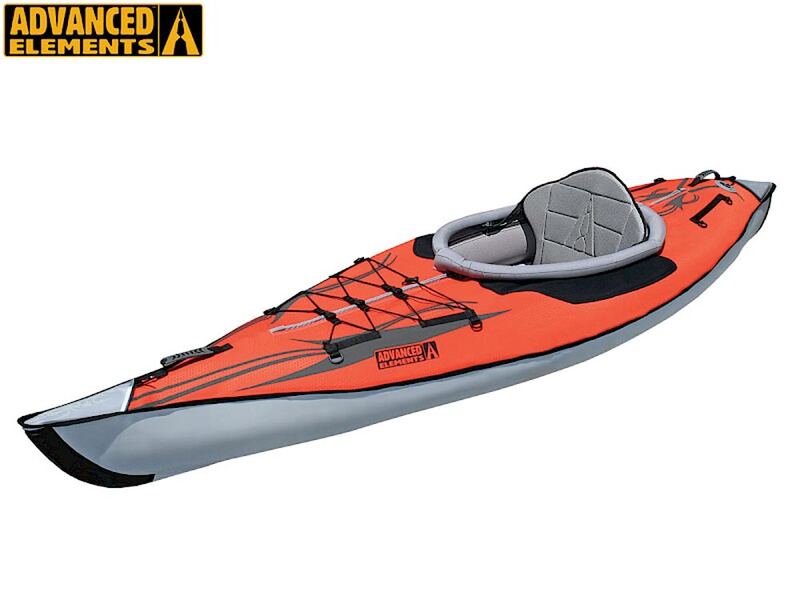
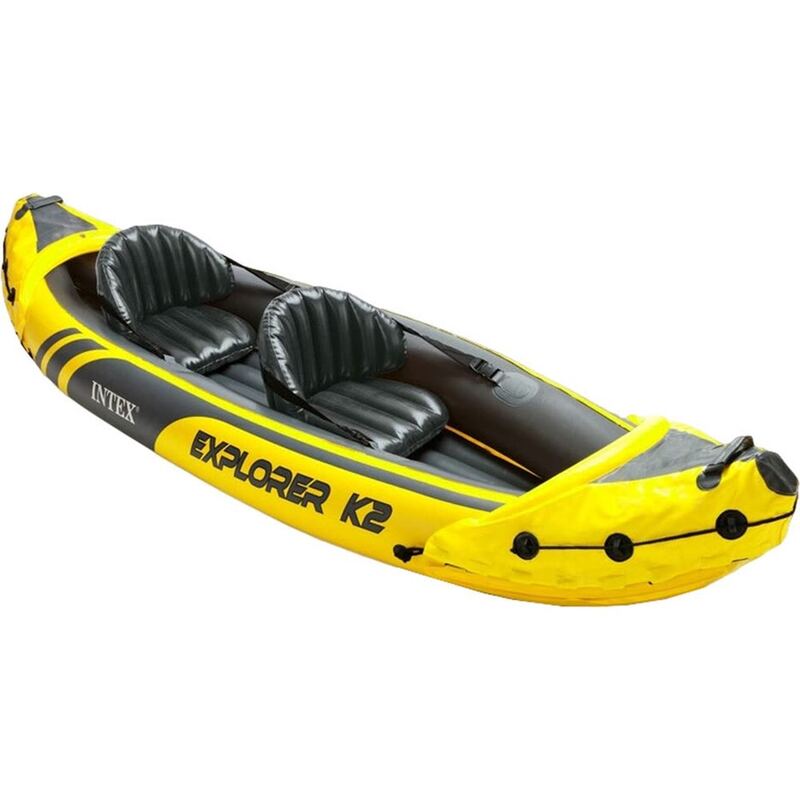
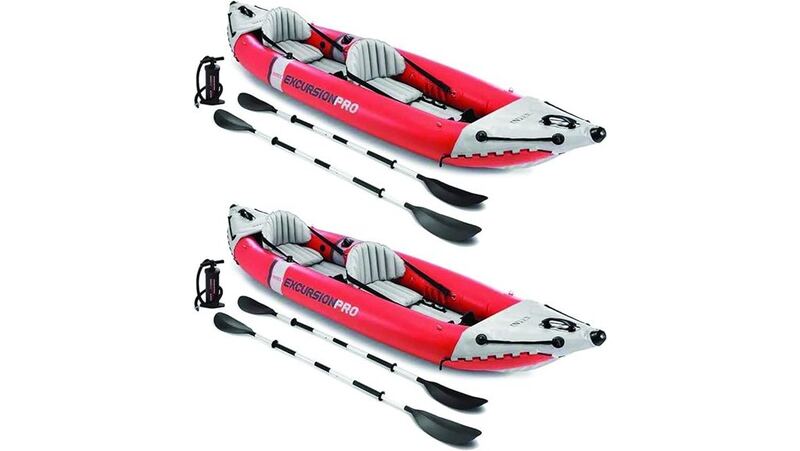
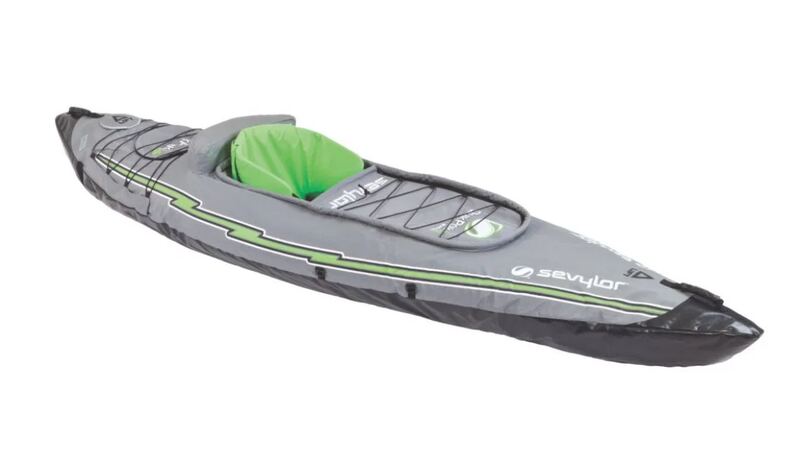
The Intex Challenger K1 is the cheapest boat in this group and, like the Sevylor Quikpak K5, a flat-bowed solo recreational kayak that wanders in wind and tracks worse than the rib-framed Advanced Elements AdvancedFrame. Its low weight capacity and tight cockpit make it the most size-limited pick here, less roomy than the tandem Intex Explorer K2 or Intex 68309EP Excursion Pro K2. Choose it over the Sevylor Quikpak K5 only if absolute lowest price matters more than the K5's lighter backpack carry and included spray cover.
Rating sources
“The Intex Challenger K1 is a user-friendly inflatable kayak that's easy to paddle and easy to store in small spaces.”
“If you're itching to hit the water but don't want to break the bank or wrestle with storage, buy the Intex Challenger K1 Kayak—it's your ticket to affordable fun!”
“The Intex Challenger K1 is a cost-effective and user-friendly model. Pros: One of the most cost-effective kayaks available Stable design is great for beginners Quick setup and take-down”
Our 3.8 score is the average of these published ratings. Ratings marked * were derived from the reviewer’s written analysis or video transcript — the publisher didn’t print an explicit numeric score, so we inferred one from their own words. Click through to verify. More about methodology.