The Hario Mizudashi Cold Brew Pot is about as simple as cold brewing gets, in both design and operation. Reviewers praised how easy it is to use and how neatly it fits a fridge shelf, with Home Grounds calling it 'foolproof' from setup to cleanup. The glass is fragile, and it can't make concentrate. An Oddly Correct reviewer still got strong, complex cold brew out of it, while Home Grounds framed it as good value for beginners. It suits anyone wanting a basic, no-fuss brewer rather than advanced features or durability.
Full review
Cracked when dropped on a granite counter
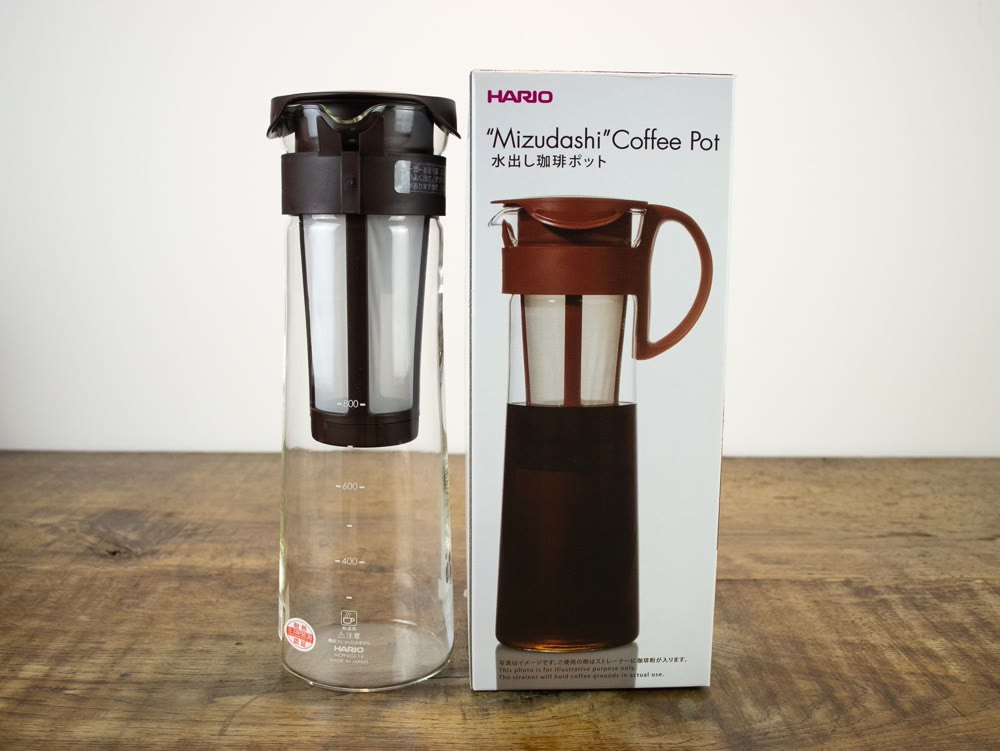
The Hario Mizudashi Cold Brew Coffee Pot presents a minimalist aesthetic that aligns with Hario's reputation for clean, functional design. According to Oddly Correct's review, the brewer consists of just three main components—glass carafe, plastic filter basket, and lid—with an optional detachable bottom for the filter chamber. Homegrounds' Julia Bobak noted that the design is approachable and uncluttered, requiring no prior brewing experience to operate. However, the build quality raises concerns about durability. The glass carafe, while attractive and well-formed, is fragile and prone to cracking or chipping if dropped or knocked over, as Bobak experienced when it fell on a granite countertop. The plastic components, including the handle and filter basket, contribute to the affordable price point but may not offer the longevity of more robust materials.
The dimensions of the Mizudashi are compact, measuring 4.33" wide by 4.72" deep by 11.81" tall, making it easy to store in standard refrigerator doors. This small footprint sets it apart from larger cold brew makers like the Toddy, which can occupy entire shelves. The spout design is praised for its smooth pouring action, eliminating drips during the brewing process. However, the top-heavy nature of the brewer when filled makes it somewhat unstable, requiring careful handling. The filter basket, made of fine nylon mesh, is detachable and designed for easy cleaning, though it requires hand-washing due to the glass construction.
Ease of Use and Brewing Process
Hario Mizudashi excels in user-friendliness, making it ideal for beginners or those seeking a simple cold brew solution. Oddly Correct's review highlights that the process is straightforward: grind coffee, add it to the filter chamber, slowly pour cold water until grounds are submerged, and let it steep for 8-24 hours. The simplicity of this method is echoed by Carlos Hernandez from Carlos Eats, who found the device easy to use and effective after just one morning's trial. The included instruction booklet supports multiple languages, enhancing accessibility. According to Coffee Detective's Nick Usborne, the process involves adding approximately 110 grams of medium-coarse coffee grinds to the filter basket, followed by slow addition of cold water until the water level reaches the top band where the handle attaches to the carafe. The reviewer notes that gentle agitation helps ensure even saturation of grounds.
The recommended brewing time varies significantly based on personal preference and environmental conditions. Homegrounds' Bobak suggests brewing in the refrigerator for 20-24 hours, which she found convenient for timing. However, the manufacturer's instructions recommend 8-16 hours at room temperature, which may be faster but could result in less vibrant flavors. The Mizudashi's design does not accommodate brewing at room temperature without risk of spoilage, as noted by Kaldis Coffee's testing. Users can adjust brewing time based on grind size and desired strength, with 18-24 hours being optimal for most preferences. The ease of setup and cleanup—simply removing the filter basket, rinsing with warm water, and composting the grounds—makes it particularly appealing for daily use.
Brewing Performance and Flavor
The flavor profile produced by the Hario Mizudashi is generally well-received, with reviewers noting its ability to produce smooth, low-acid cold brews. Oddly Correct's author found the brew to be strong, sweet, and complex, especially when using a medium-coarse grind and 110 grams of coffee for a 1000mL batch. The reviewer's method yielded a beverage that was both refreshing and invigorating, with a noticeable strength that could keep drinkers energized throughout the afternoon. Coffee Detective's Nick Usborne also praised the results, describing the cold brew as bold and flavorful, with a smooth texture that avoids the watery taste common in poorly extracted cold brews.
However, there are notable variations in performance depending on user preferences and brewing techniques. Kaldis Coffee's testing revealed that the initial manufacturer instructions resulted in under-extracted brews lacking body and sweetness. The team had to adjust grind size, coffee-to-water ratios, and brewing times to achieve desired results. The Mizudashi's filter basket only extends halfway down the bottle, limiting the amount of coffee that can be used and preventing the production of concentrated cold brew. This design limitation means users cannot make a highly concentrated batch that can be diluted later, which is a disadvantage compared to systems like the Toddy or Kinto Capsule.
Limitations and Drawbacks
Despite its strengths, the Hario Mizudashi has several notable limitations that potential buyers should consider. The most significant drawback is the inability to produce cold brew concentrate due to the filter basket design. Homegrounds' Julia Bobak explicitly states that the basket only goes halfway down the bottle, preventing the creation of a strong concentrate. This makes the Mizudashi less versatile for users who prefer to dilute their cold brew or store it for extended periods. Additionally, the glass carafe is fragile and requires careful handling, increasing the risk of damage during transport or accidental drops.
Another concern raised by reviewers is the lack of dishwasher safety for the glass components. Oddly Correct's author recommends hand-washing the carafe, while Homegrounds' Bobak notes that Hario claims the device is dishwasher safe but prefers to hand-wash due to fragility. The nylon mesh filter, although detachable for cleaning, may discolor or develop odors over time and requires periodic soaking in a solution like Urnex Cleancaf to maintain freshness. The plastic components, while functional, may not offer the same durability as more robust materials, potentially leading to long-term wear and tear.
Pays for itself in under 20 dollars
The Hario Mizudashi offers excellent value for its price point, particularly when compared to premium cold brew makers. Carlos Hernandez from Carlos Eats noted that the device pays for itself under $20, especially when considering the cost of purchasing cold brew at coffee shops, which can exceed $6 per glass. The affordability of the Mizudashi makes it accessible to a broad range of consumers, particularly those new to cold brewing or looking for a simple solution without significant investment. Homegrounds' Julia Bobak emphasized that the device is cost-effective and suitable for beginners, offering a balance between functionality and price.
However, the value proposition varies depending on user needs and preferences. Kaldis Coffee's review suggests that while the Mizudashi is affordable, it requires experimentation to achieve optimal results, unlike more straightforward systems like the Toddy. The lack of a concentrate-making capability may limit its appeal for users who prefer to store stronger brews or dilute their cold brews. Additionally, the need for careful handling and potential replacement of the nylon mesh filter over time may add to long-term costs. Despite these considerations, the Mizudashi remains a solid choice for those seeking an easy-to-use, budget-friendly cold brew solution.
Can't make a strong storable concentrate
The Hario Mizudashi Cold Brew Coffee Pot is best suited for individuals who prioritize simplicity, affordability, and ease of use in their cold brewing routine. It is particularly ideal for beginners or those new to cold brewing, as highlighted by both Oddly Correct and Homegrounds reviewers. The device's straightforward process and minimal setup requirements make it accessible to users without prior brewing experience. Coffee Detective's Nick Usborne recommends it for those who want a smooth, low-acid cold brew without the complexity of more advanced systems. The compact size also appeals to users with limited kitchen space, as noted by Homegrounds' Julia Bobak, who appreciated its ability to fit easily in the refrigerator door.
However, the Mizudashi may not be ideal for users seeking to make cold brew concentrate or those who require a more robust and durable system. The inability to produce strong concentrate limits its versatility compared to other cold brew makers like the Toddy or Kinto Capsule. Users who prefer to store cold brew for longer periods or dilute it later may find the design limiting. Additionally, the fragile glass construction and plastic components may not appeal to users who prioritize durability or frequent transport. The device is also less suitable for those who prefer to brew at room temperature, as the lack of proper insulation increases the risk of spoilage.
Less concentrated than the Toddy, easier to clean
When compared to other cold brew makers, the Hario Mizudashi stands out for its simplicity and affordability, though it lacks some features found in more advanced systems. Kaldis Coffee's review compared it to the Toddy and Kinto Capsule, noting that while the Toddy produces a more concentrated brew, the Mizudashi offers a more approachable design and easier cleanup. The Toddy's larger capacity and ability to produce strong concentrate make it a better choice for heavy users or those who prefer to dilute their cold brews. However, the Mizudashi's compact size and lower price point make it more accessible for casual users or those with limited kitchen space.
The Kinto Capsule, another popular cold brew maker, offers a different approach with its capsule-based system, which is more convenient for quick brewing but lacks the flexibility of the Mizudashi's pour-over style. The Hario Mizudashi's glass construction and simple design provide a more traditional brewing experience, while also offering better control over the brewing process. Compared to the Toddy, the Mizudashi is less expensive but produces a less concentrated brew. For users seeking a balance between ease of use and functionality, the Mizudashi offers a compelling middle ground, though it may not satisfy those who require a high-concentration cold brew or more durable construction.
Long-Term Durability and Maintenance
The long-term durability of the Hario Mizudashi is a concern due to its glass construction and plastic components. Homegrounds' Julia Bobak noted that the glass carafe is fragile and prone to cracking or chipping if dropped or knocked over, which could lead to replacement costs over time. The plastic handle and filter basket may also degrade with frequent use, though the nylon mesh filter can be replaced when needed. Oddly Correct's reviewer recommends hand-washing the device to avoid damage, which adds to the maintenance effort required. The nylon mesh filter, while detachable and easy to clean, may discolor or develop odors over time and requires periodic soaking in a solution like Urnex Cleancaf to maintain freshness.
The device's maintenance requirements are relatively straightforward, with most users reporting that cleaning takes only about ten seconds after brewing. The filter basket can be easily removed and rinsed with warm water, and the glass carafe can be cleaned by hand without difficulty. However, the need for careful handling and potential replacement of components may increase long-term costs. The plastic components, while functional, may not offer the same longevity as more robust materials, potentially leading to wear and tear over time. Despite these concerns, many users find the device reliable for regular use, especially when handled with care and maintained properly.
Strengths
- +Simple and intuitive brewing process that's perfect for beginners
- +Compact design that fits easily in the fridge
- +Well-crafted glass carafe with smooth pouring spout
- +Affordable price point that makes cold brew accessible
Watch-outs
- −Glass carafe is fragile and prone to cracking or chipping
- −No way to make cold brew concentrate
How it compares
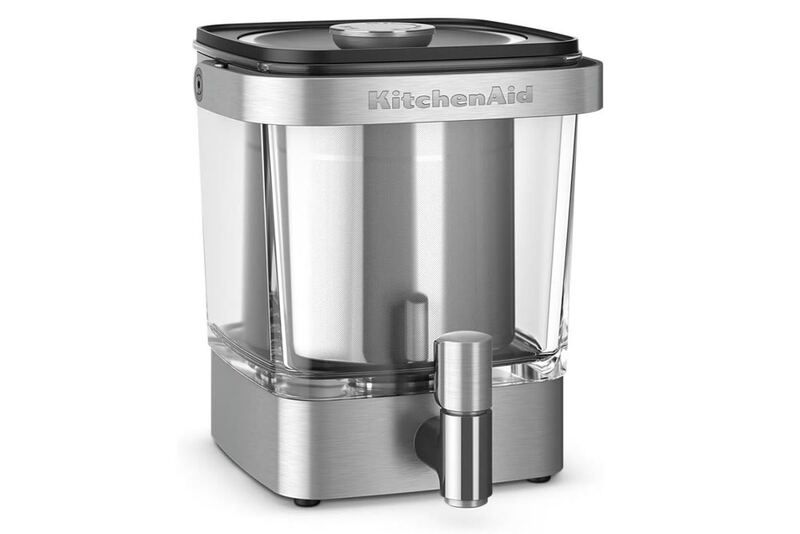
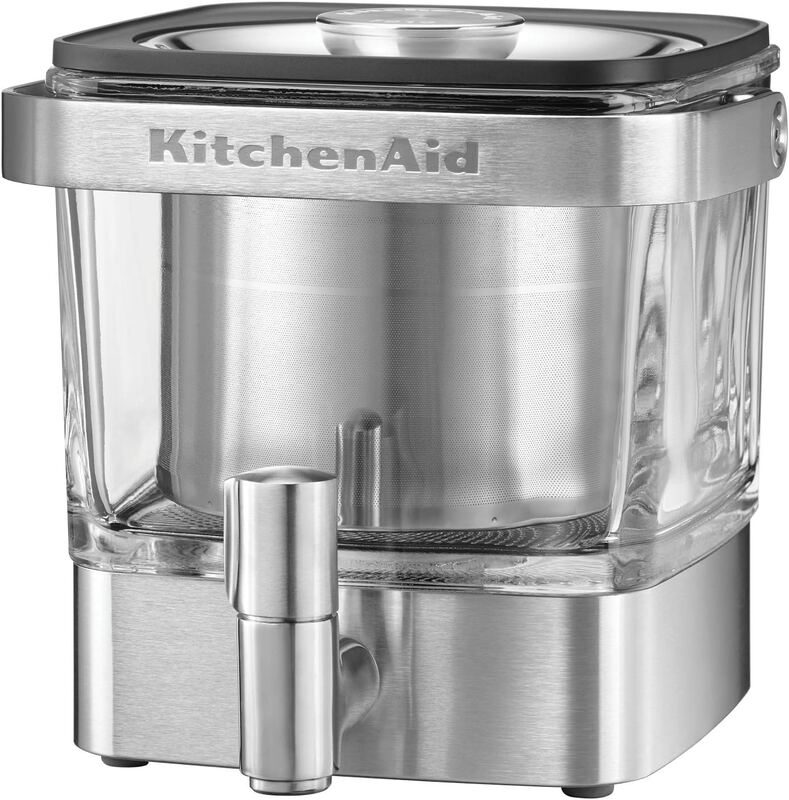
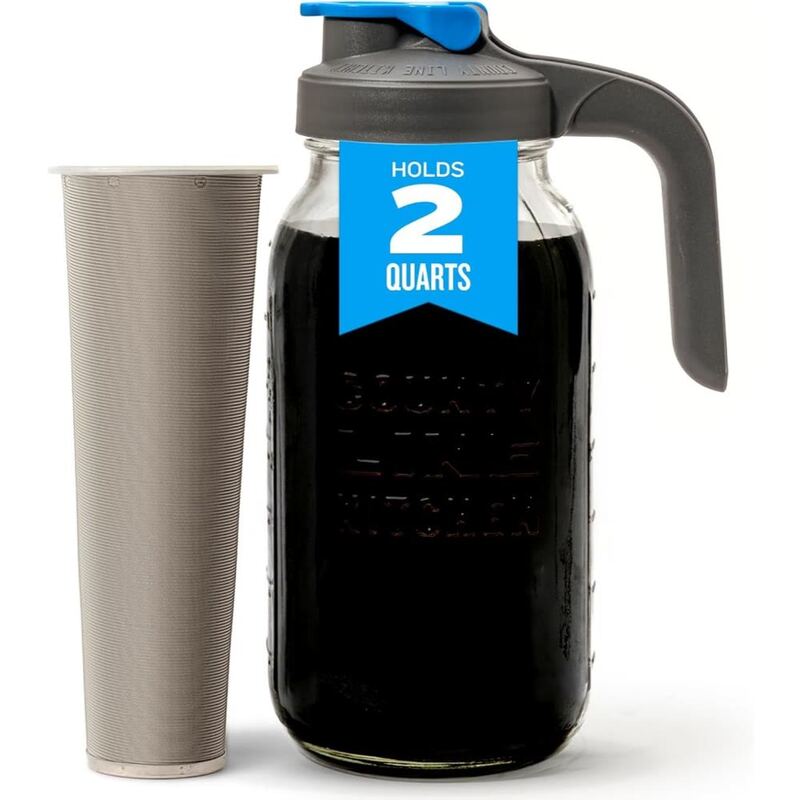
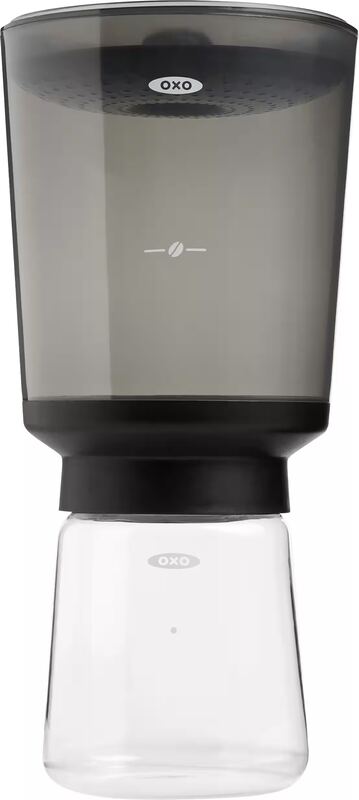
The Hario Mizudashi offers the simplest brewing process and is beginner-friendly, unlike the more complex OXO or Toddy systems. Its glass carafe and compact fridge-friendly design are appealing, but it lacks the concentrate-making capability of the KitchenAid or OXO models. While it's more affordable than the Ovalware pitcher, it's also less durable due to its fragile glass construction, which the KitchenAid and Toddy systems avoid.
Rating sources
“I recommend the Hario Mizudashi Cold Brew Coffee Pot, 600ml, Black. This excellent product really shows how Japan understands coffee culture and creates quality products for fans of a good Cup of Joe.”
Our 4.2 score is the average of the 3 scored reviews above; 1 more reviewed it without printing a score and is not in the average. Ratings marked * were derived from the reviewer’s written analysis or video transcript — the publisher didn’t print an explicit numeric score, so we inferred one from their own words. Click through to verify. More about methodology.