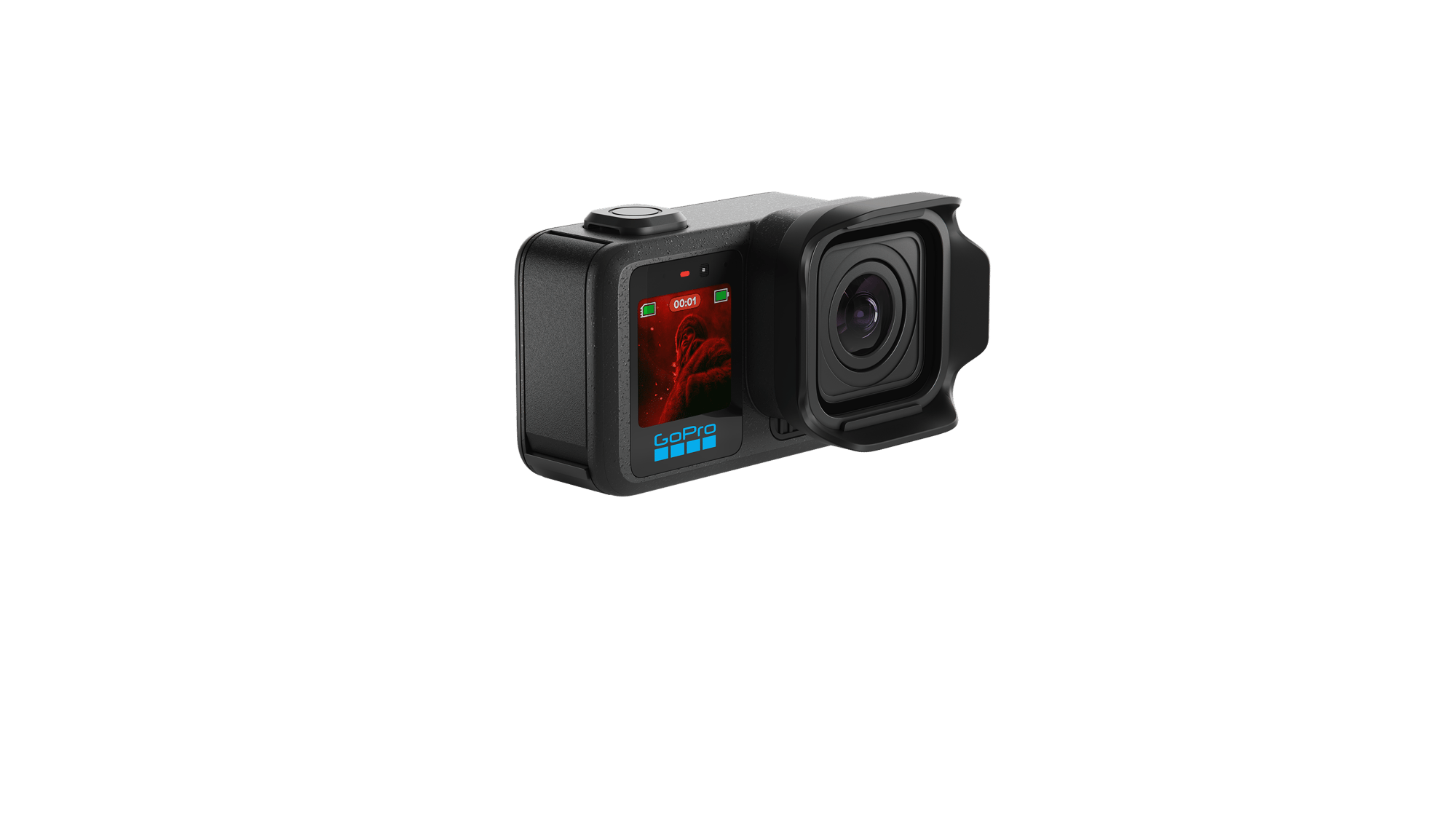
The GoPro Mission 1 Pro puts a 1-inch 50-megapixel sensor behind 8K 60 fps recording, and superior low-light capability follows from that. Reviewers called it GoPro's most important new product in years, praising its sharp, color-accurate video and excellent dynamic range. The bigger sensor adds weight and cost: $270 more than the GoPro Hero 13. Engadget framed it as a camera for serious action shooters willing to pay a premium for top-tier video quality, with the extra weight and price likely to deter casual users.
Full review
Sensor and Video Quality
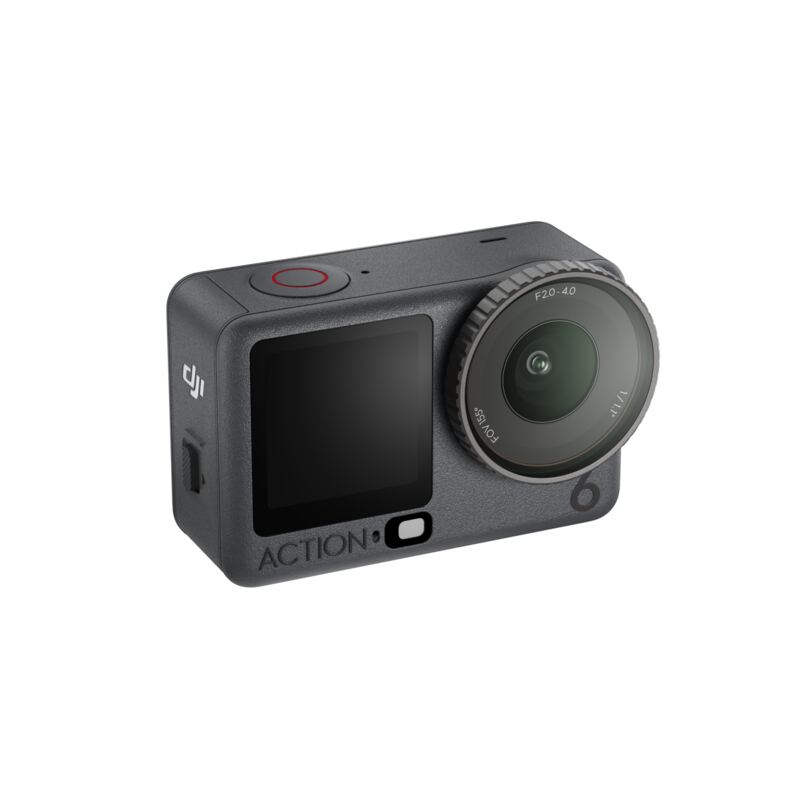
The GoPro Mission 1 Pro represents a significant leap in action camera technology, primarily driven by its new 1-inch, 50-megapixel sensor. This sensor measures 13.2 x 8.8mm, substantially larger than the 1/1.15-inch sensor found in competitors like the DJI Osmo Action 6. According to GoPro's own testing, this larger sensor delivers 14 stops of dynamic range and native 1.6µm pixels with 3.2µm fused pixels, enabling superior low-light performance. The sensor's increased light-gathering capability allows for better noise control at higher ISO settings, which is particularly evident in night-time recordings. The sensor supports 8K video at 60fps, a capability that outpaces most action cameras, including the DJI Action 6 which is limited to 4K at 120fps. The Mission 1 Pro also offers 4K at 240fps, enabling incredibly smooth slow-motion footage. Engadget's Steve Dent confirmed that the video quality is 'sharp, color accurate' and 'beats all rivals' in terms of resolution and dynamic range. The 1-inch sensor also enables 4:3 open gate capture at up to 8K 30fps, providing 33% greater resolution than competitors, which is especially beneficial for content creators who need flexibility in post-production.
The video quality improvements are not just about resolution, but also about the camera's ability to handle challenging lighting conditions. The new sensor, combined with GoPro's GP3 processor, reportedly provides better efficiency and thermal performance. The sensor's size also introduces some tradeoffs in terms of weight and bulk, which will be discussed in the build quality section. The sensor's performance is particularly evident in the camera's ability to handle high frame rates and maintain image quality under demanding conditions. For creators who need to capture cinematic footage in challenging environments, the Mission 1 Pro's sensor is a major selling point, though it comes at a premium price point.
Charges in an hour, versus the Hero13's 100 minutes
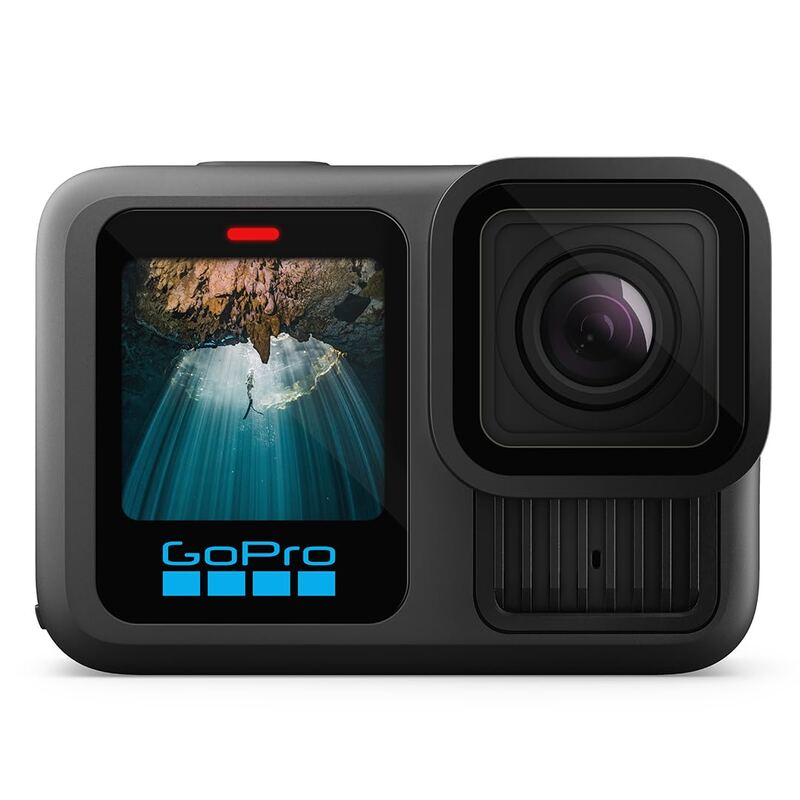
The Mission 1 Pro's build quality reflects its premium positioning, but it also introduces notable physical changes compared to previous GoPro models. The camera weighs 0.46 pounds (207g), which is 0.11 pounds heavier than the GoPro Hero 13 Black, and is about three-quarters of an inch thicker. This increase in size and weight is primarily attributed to the larger 1-inch sensor and the new lens system. The camera's dimensions are 78.0 × 50.0 × 27.8 mm, making it noticeably bulkier than its predecessor. The increased weight is most noticeable when mounting the camera on helmets or other headgear, where it can create a front-heavy feel that affects balance during movement. However, the camera's design remains compact enough for most action scenarios, and the mounting system is still compatible with GoPro's magnetic latch and the traditional 'fingers' system. The camera's body is waterproof to 20 meters (66 feet) without a housing, which is the same as previous models, but the larger sensor and increased power requirements mean that thermal limitations are more pronounced during extended 8K 60fps recording sessions.
The Mission 1 Pro features a redesigned interface with a 1.4-inch front LCD and a 2.59-inch OLED rear display, both of which are larger than those found on the Hero 13. The larger screens are bright and sharp enough for sunny conditions, though they may struggle in direct sunlight. The buttons and controls are more accessible, with the record and power buttons positioned for easier access during action, and the menu system has been reorganized to group frequently used settings under the 'Image' menu. The camera's design also includes a new processor and Enduro 2 battery, which contribute to improved battery life and thermal performance. The new battery technology allows for faster charging, going from 0 to full in an hour compared to the 100 minutes required by the Hero 13. The camera's mounting system remains familiar to GoPro users, but the increased size means that some accessories may need to be adjusted or replaced to accommodate the new dimensions.
Performance and Battery Life
Battery life is one of the Mission 1 Pro's standout features, with GoPro claiming over five hours of recording at 1080p30 and over three hours at 4K30. Independent testing confirmed these claims, showing that the camera can record for more than 3 hours at 4K30, which is nearly double the Hero 13's 102 minutes. The new Enduro 2 battery, which is 2150mAh, is compatible with the Hero 13's Enduro batteries, allowing for interchangeability. However, the camera's thermal performance is more limited at higher frame rates. At 8K 60fps and 4K 240fps, the camera is rated for about 35 minutes of continuous recording without airflow, but independent testing showed it could manage 46 minutes under similar conditions. This thermal limitation is a tradeoff for the increased processing power required for high-resolution video capture. The camera's new GP3 processor is designed to handle these demands more efficiently, but the thermal performance is still a consideration for users who plan to record extended high-frame-rate footage.
The Mission 1 Pro's performance under load is impressive, particularly when compared to previous GoPro models. The camera's ability to capture 8K video at 60fps while maintaining good image quality is a significant improvement over previous action cameras. The new processor also enables faster frame rates, with the ability to capture 4K at 240fps for 8x slow-motion footage. However, the camera's performance is not without limitations. The increased power requirements and heat generation mean that the camera may throttle performance under sustained high-resolution recording. The camera's ability to maintain consistent performance during extended use is a key factor for professional users who need reliable results in demanding environments. The battery life improvements are particularly valuable for users who need to record for extended periods without access to charging facilities.
Nearly triples the Hero13's recording time at 4K30
Reviewers consistently praised the Mission 1 Pro's video quality, particularly its ability to capture 8K video at 60fps and its superior low-light performance. Engadget's Steve Dent highlighted that the camera offers 'sharp, color accurate video with excellent dynamic range,' and that it 'beats all rivals' in terms of video quality. The camera's ability to capture 4:3 open gate footage at 8K 30fps was also noted as a significant advantage, providing 33% greater resolution than competitors.
The camera's improved battery life was another major point of praise. The fast-charging capabilities of the new Enduro 2 battery were also noted, with the camera charging from 0 to full in an hour compared to the 100 minutes required by the Hero 13. The camera's ability to handle high frame rates without significant performance degradation was also appreciated by reviewers. The new GP3 processor's ability to deliver 2X the pixel processing power was highlighted as a key factor in enabling the camera's high-resolution video capabilities. The camera's stabilization features, particularly the HyperSmooth technology, were also praised for delivering 'impossibly smooth footage without a gimbal.' Overall, reviewers were impressed with the camera's ability to deliver cinematic-quality footage in a compact, rugged package.
$270 pricier than the Hero13 Black
Despite its impressive capabilities, the Mission 1 Pro has several notable drawbacks that may deter some users. The most significant issue is its increased size and weight, which makes it less suitable for certain applications where compactness is essential. The camera's weight of 0.46 pounds (207g) is 0.11 pounds heavier than the Hero 13 Black, and its increased thickness can create a front-heavy feel when mounted on helmets or other headgear. This can affect balance and comfort during extended use, particularly in high-speed scenarios where the camera's weight could become a liability. The camera's larger sensor also introduces thermal limitations, particularly at 8K 60fps and 4K 240fps, where it's rated for only 35 minutes of continuous recording without airflow. Independent testing showed that the camera could manage 46 minutes under similar conditions, but this is still a limitation for users who need to record extended high-frame-rate footage.
Another significant drawback is the camera's price point, which is considerably higher than previous GoPro models. The Mission 1 Pro is priced at $699.99, which is $270 more than the Hero 13 Black, and this premium price may not be justified for users who don't require the camera's advanced features. The camera's lack of interchangeable lens support in the standard model is also a limitation for professional videographers who need more control over their lens choices. The Mission 1 ILS model, which supports interchangeable lenses, is expected to be available later this year, but the lack of this feature in the standard models may be a dealbreaker for some users. Additionally, the camera's waterproof rating of 20 meters is the same as previous models, which may not be sufficient for deep-water diving or other underwater activities where more robust protection is required.
Built for cinematic 8K60 and 4K240 slow motion
The GoPro Mission 1 Pro is best suited for professional videographers and content creators who require cinematic-quality footage in challenging environments. The camera's ability to capture 8K video at 60fps, combined with its superior low-light performance and 4:3 open gate capabilities, makes it ideal for users who need maximum flexibility in post-production. The camera's improved battery life and fast-charging capabilities are particularly valuable for users who need to record for extended periods without access to charging facilities. The Mission 1 Pro is also well-suited for users who need to capture high-frame-rate footage, such as 4K at 240fps, for slow-motion effects. The camera's stabilization features, particularly the HyperSmooth technology, make it ideal for capturing smooth footage in high-speed scenarios. However, the camera's increased size and weight may not be suitable for users who prioritize compactness or need to mount the camera on helmets or other headgear where balance is critical.
The Mission 1 Pro is not recommended for casual users or those who don't require the camera's advanced features. The premium price point of $699.99 may not be justified for users who only need basic action camera functionality. The camera's thermal limitations at high frame rates may also be a concern for users who plan to record extended high-resolution footage. Additionally, the lack of interchangeable lens support in the standard model means that professional videographers who need more control over their lens choices may need to wait for the Mission 1 ILS model. Users who prioritize compactness, portability, or budget over advanced features may find the Hero 13 Black or other more affordable alternatives more suitable for their needs. The camera's performance in low-light conditions and its ability to capture high-resolution stills make it a strong choice for users who need to capture detailed footage in challenging environments.
1-inch sensor dwarfs the Osmo Action 6's
The GoPro Mission 1 Pro stands out from its competitors in several key areas, particularly in video quality and sensor size. Compared to the DJI Osmo Action 6, which features a 38MP sensor and is limited to 4K at 120fps, the Mission 1 Pro offers significantly higher resolution and frame rate capabilities. The Mission 1 Pro's 1-inch sensor is also larger than the DJI's 1/1.15-inch sensor, resulting in better low-light performance and dynamic range. However, the Mission 1 Pro's higher price point of $699.99 makes it more expensive than the DJI Action 6, which is priced at around $400. The camera's ability to capture 8K video at 60fps is a significant advantage over the DJI's 4K at 120fps, but this comes at the cost of increased size and weight. The Mission 1 Pro's battery life is also superior to the DJI's, with over three hours of recording at 4K30 compared to the DJI's 102 minutes.
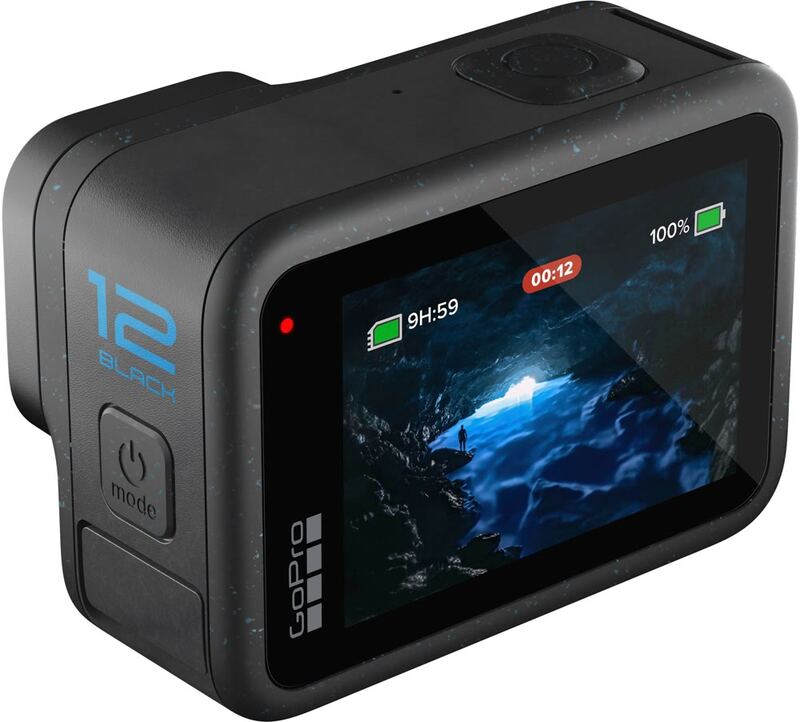
When compared to other action cameras in the same price range, the Mission 1 Pro offers a compelling combination of features. The camera's ability to capture 8K video at 60fps and its superior low-light performance make it a strong contender for professional users who need high-quality footage. However, the camera's increased size and weight may make it less suitable for users who prioritize compactness or need to mount the camera on helmets or other headgear where balance is critical. In comparison to the GoPro Hero 13 Black, the Mission 1 Pro offers significantly better video quality and frame rate capabilities, but at a premium price point of $699.99 compared to the Hero 13's $429.99. The Mission 1 Pro's improved battery life and fast-charging capabilities are also notable improvements over the Hero 13.
Priciest option here, at $699.99
The $699.99 price tag for the GoPro Mission 1 Pro reflects its premium positioning and advanced features, but it also raises questions about value for money. The camera's ability to capture 8K video at 60fps, combined with its superior low-light performance and 4:3 open gate capabilities, justifies the premium price for professional users who require maximum flexibility in post-production. The improved battery life and fast-charging capabilities are also valuable features that add to the camera's overall value. However, the camera's increased size and weight, as well as its thermal limitations at high frame rates, may not be worth the premium for casual users or those who prioritize compactness. The camera's price point is also significantly higher than the Hero 13 Black, which is priced at $429.99, and the DJI Osmo Action 6, which is priced at around $400. The Mission 1 Pro's ability to capture 50MP stills with auto low-light capture is a significant advantage, but this may not be enough to justify the premium price for users who don't require the camera's advanced features.
The value proposition becomes more complex when considering the camera's lack of interchangeable lens support in the standard model. The camera's performance in low-light conditions and its ability to capture high-resolution stills make it a strong choice for users who need to capture detailed footage in challenging environments, but the premium price point may not be justified for casual users or those who don't require the camera's advanced features. The camera's improved battery life and fast-charging capabilities are significant improvements over previous GoPro models, but the overall value depends on the user's specific needs and usage patterns. For professional videographers who need maximum quality and flexibility, the Mission 1 Pro offers compelling value, but for casual users, more affordable alternatives may be more suitable.
Strengths
- +8K 60 fps video capability
- +Excellent low-light performance
- +Best battery life of any GoPro camera
- +Larger 1-inch sensor for better image quality
Watch-outs
- −Heavier than GoPro Hero 13
- −More expensive than rivals
How it compares
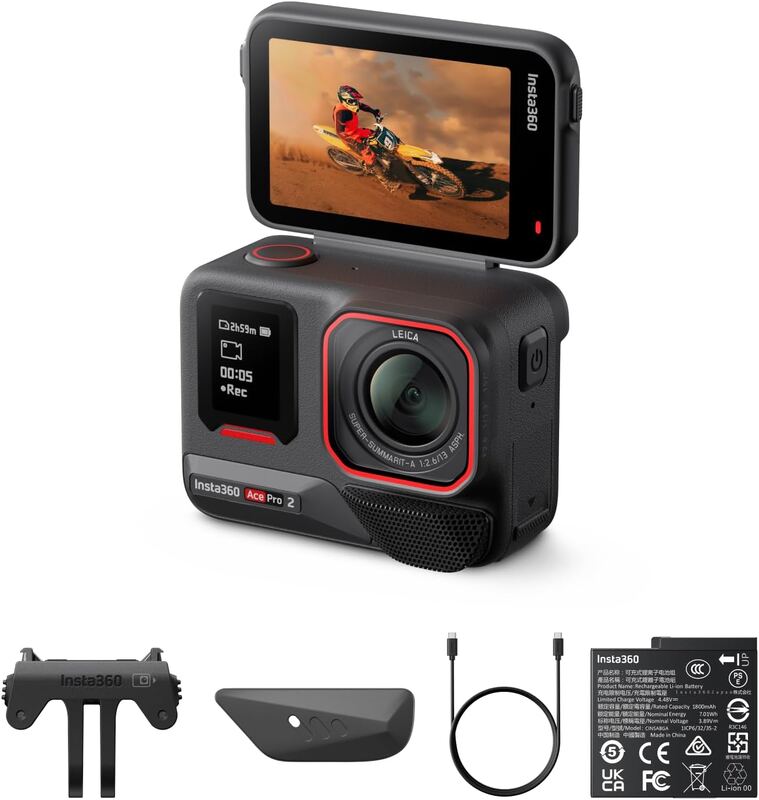
The GoPro Mission 1 delivers superior video quality with its 1-inch sensor and 8K 60 fps, a level unmatched by the GoPro Hero13 Black or Insta360 Ace Pro 2. While it's heavier and more expensive than the GoPro Hero 13 Black, it provides better low-light performance and is ideal for serious shooters.
Rating sources
“Honestly, probably not. There are a few aspects of this release we find perplexing that well discuss below.”
“With the biggest action camera sensor yet and open gate 8K video, the Mission 1 is GoPro's most important new product in years.”
Our 3.7 score is the average of these published ratings. Ratings marked * were derived from the reviewer’s written analysis or video transcript — the publisher didn’t print an explicit numeric score, so we inferred one from their own words. Click through to verify. More about methodology.