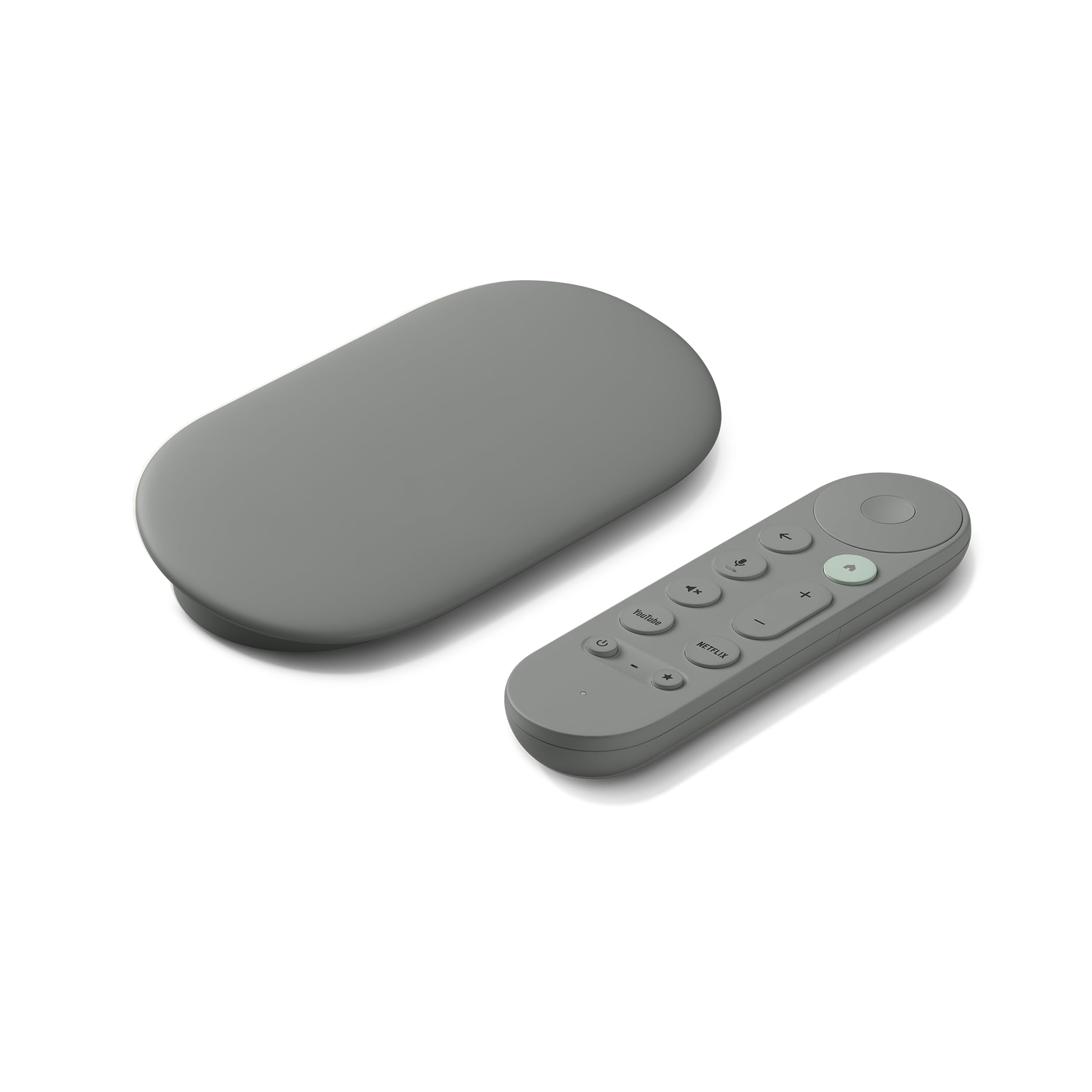
The Google TV Streamer features a MediaTek MT8696 processor and 4GB of RAM that CNET found deliver snappy performance suitable for cloud gaming, while its built-in Thread radio allows it to act as a Matter hub. The remote includes an infrared blaster and speaker, which 6monthslater.net noted helps locate the device easily. However, XDA Developers reported persistent UI freezes, screen flickering, and unstable HDMI-CEC handshakes that cause random power cycling of connected devices. Additionally, reliance on Wi-Fi 5 limits future-proofing compared to modern standards, making this unit best for wired setups or smart home enthusiasts who can tolerate software bugs.
Full review
MediaTek MT8696 processor enables cloud gaming
CNET found the Google TV Streamer to be zippy and powerful enough for a little cloud gaming, marking a significant departure from its predecessor. The device utilizes a MediaTek MT8696 system-on-chip paired with 4GB of RAM and 32GB of storage, which Flatpanelshd identified as an ARM A55 CPU running at 2.0GHz alongside an Imagination Technologies PowerVR Rogue GE9215 GPU. This hardware configuration allows the interface to feel snappy during navigation and app launching, a quality that distinguishes it from budget streaming sticks that often struggle with heavier workloads.
The performance gains are substantial enough to support high-bandwidth content delivery without stuttering. The inclusion of 4GB of memory ensures that multitasking between apps remains fluid, preventing the system from becoming sluggish when switching between streaming services or smart home controls.
Thread radio and Ethernet port define connectivity
Flatpanelshd highlighted the strategic shift to a box form factor as essential for housing a built-in Thread border router, which acts as a Matter hub for smart home devices. By moving wireless communication into this separate unit, Google avoids the signal shielding issues common with TVs that often block Wi-Fi and Bluetooth signals from their rear panels. This design choice validates the approach taken by competitors like Nvidia and Apple, who have long favored box designs over dongles to ensure robust connectivity.
The physical connections on the back of the device include a Gigabit Ethernet port alongside HDMI 2.1 and USB-C power inputs. While CNET described the Wi-Fi as not-quite cutting-edge due to its reliance on the 802.11ac standard, the presence of wired connectivity provides a stable alternative for users who can route cables behind their furniture. The device supports both Dolby Vision and HDR10+ video formats, ensuring compatibility with modern high-dynamic-range content streams.
Remote design includes infrared blaster and speaker
The included remote features a built-in speaker that allows users to locate the device by pressing a button on the set-top box or asking a Google Assistant-enabled smart display. This finding from 6monthslater.net addresses a common pain point for streaming users who frequently misplace their controllers. The remote also incorporates an infrared blaster in its front face, enabling it to learn and control legacy devices that do not support HDMI-CEC, such as older AV receivers or non-smart televisions.
The physical design of the remote is thicker and larger than previous Google TV remotes, which 6monthslater.net noted makes it less likely to wedge into couch cushions. It includes dedicated shortcuts for Netflix and YouTube, with a third customizable button that can be set to display smart home feeds or control specific inputs. This layout simplifies navigation for non-technical users while retaining the functionality expected by power users.
User interface freezes and flickers during operation
XDA Developers reported persistent glitches with the Google TV Streamer, including random UI freezes, screen flickering, and intermittent lag when scrolling through menus. The reviewer noted that even after installing updates, the home screen often hangs when switching between apps or reordering icons. These issues occur regardless of whether alternative Android TV launchers are used, suggesting a deeper software instability within the Google TV operating system on this specific hardware.
The performance degradation appears to correlate with storage usage, as XDA Developers observed that filling the 32GB drive with self-hosted streaming apps like Jellyfin and Kodi exacerbates the lag. Apps stall, and the remote occasionally disconnects when the system is under heavy load. These bugs interrupt the entertainment experience and have led some users to consider abandoning the device in favor of more stable alternatives.
HDMI-CEC handshake causes random power cycling
A significant flaw identified by XDA Developers is the instability of the HDMI-CEC implementation, which leads to devices randomly powering on or off without user input. The reviewer experienced constant problems with the Streamer triggering unintended state changes in connected televisions and audio systems, despite downloading all available firmware updates. This issue forces users to disable HDMI-CEC entirely and rely on manual remote control for power management.
The lack of a documented fix from Google has left many home media enthusiasts frustrated by this persistent handshake failure. While other modern streaming boxes handle CEC communication reliably, the Streamer's inability to maintain stable connections with external devices undermines one of its key convenience features. This instability is particularly problematic in complex AV setups where synchronized power-on sequences are expected.
Wi-Fi 5 standard limits future network compatibility
9to5google.com pointed out that the reliance on Wi-Fi 5 (802.11ac) represents a missed opportunity for future-proofing, especially given the increasing prevalence of Wi-Fi 6E routers in modern homes. The reviewer noted that network congestion can affect the Streamer's performance, and the lack of newer wireless standards means the device may struggle to keep pace with evolving home network demands over its lifespan.
While the Gigabit Ethernet port mitigates some connectivity concerns for users who can hardwire their setup, those relying on wireless connections are limited by this older standard. The absence of Wi-Fi 6 or higher capabilities is viewed as a significant oversight for a device positioned at the high end of the streaming market, particularly when competitors offer more robust wireless options in similar price brackets.
Strengths
- +MediaTek MT8696 processor and 4GB RAM deliver snappy performance suitable for cloud gaming
- +Built-in Thread border router acts as a Matter hub for smart home devices
- +Gigabit Ethernet port provides stable connectivity alongside Wi-Fi 5 (802.11ac)
- +Remote features an infrared blaster to control legacy devices and a built-in speaker for finding the lost remote
Watch-outs
- −User interface suffers from random freezes, lag, and flickering screens
- −HDMI-CEC handshake is unstable causing devices to power on or off randomly
- −Wi-Fi 5 standard lacks future-proofing compared to modern Wi-Fi 6E routers
How it compares
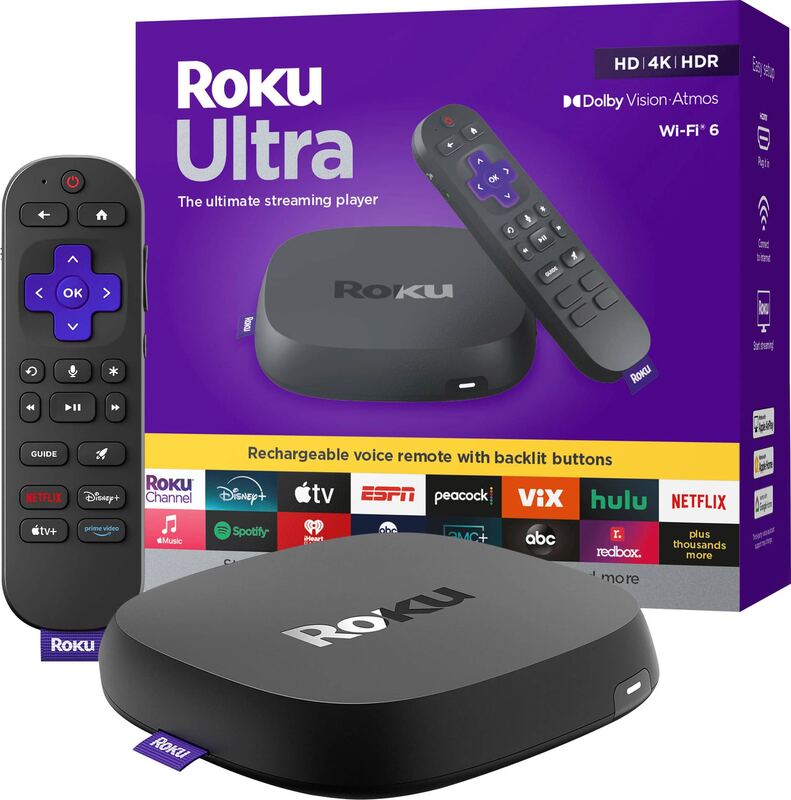
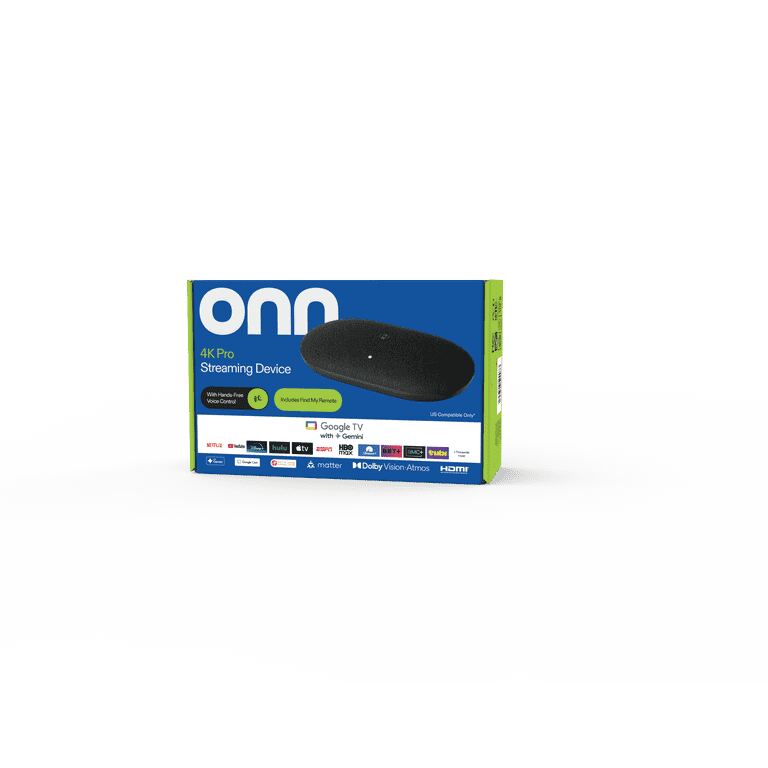
The Google TV Streamer 4K is limited to Wi-Fi 5, while the Roku Ultra (2024) and the Onn 4K Pro (2026) both have Wi-Fi 6. Its Gigabit Ethernet port is faster than the 100 Mbps port on the Onn 4K Pro (2026), and it has 4GB of RAM against 3GB in the Onn 4K Pro (2026).
Rating sources
Counts as 4.06/5 in our score — this publisher's 34 scores on the site average 4.21, so its scores are adjusted down to compare fairly with other publishers.
“I found the new Google TV Streamer to be better than its predecessor.”
“I gave the Google TV Streamer another chance, but it's still too buggy.”
Our 4.1 score is the average of the 1 scored review above, each adjusted for how strictly its publisher scores; 5 more reviewed it without printing a score and are not in the average. More about methodology.