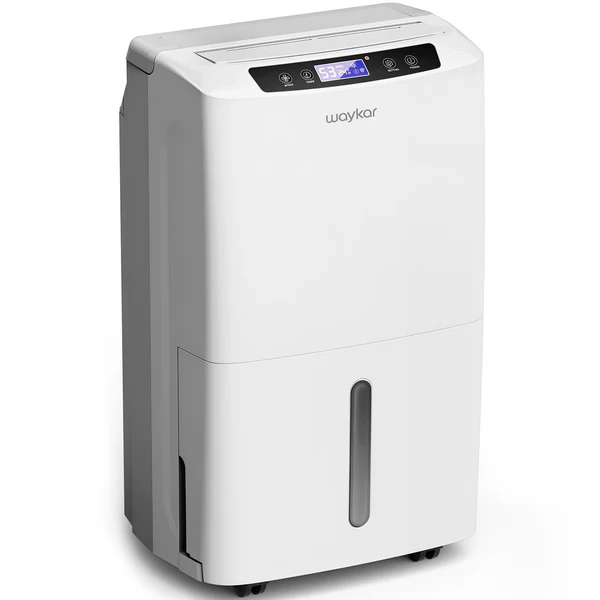
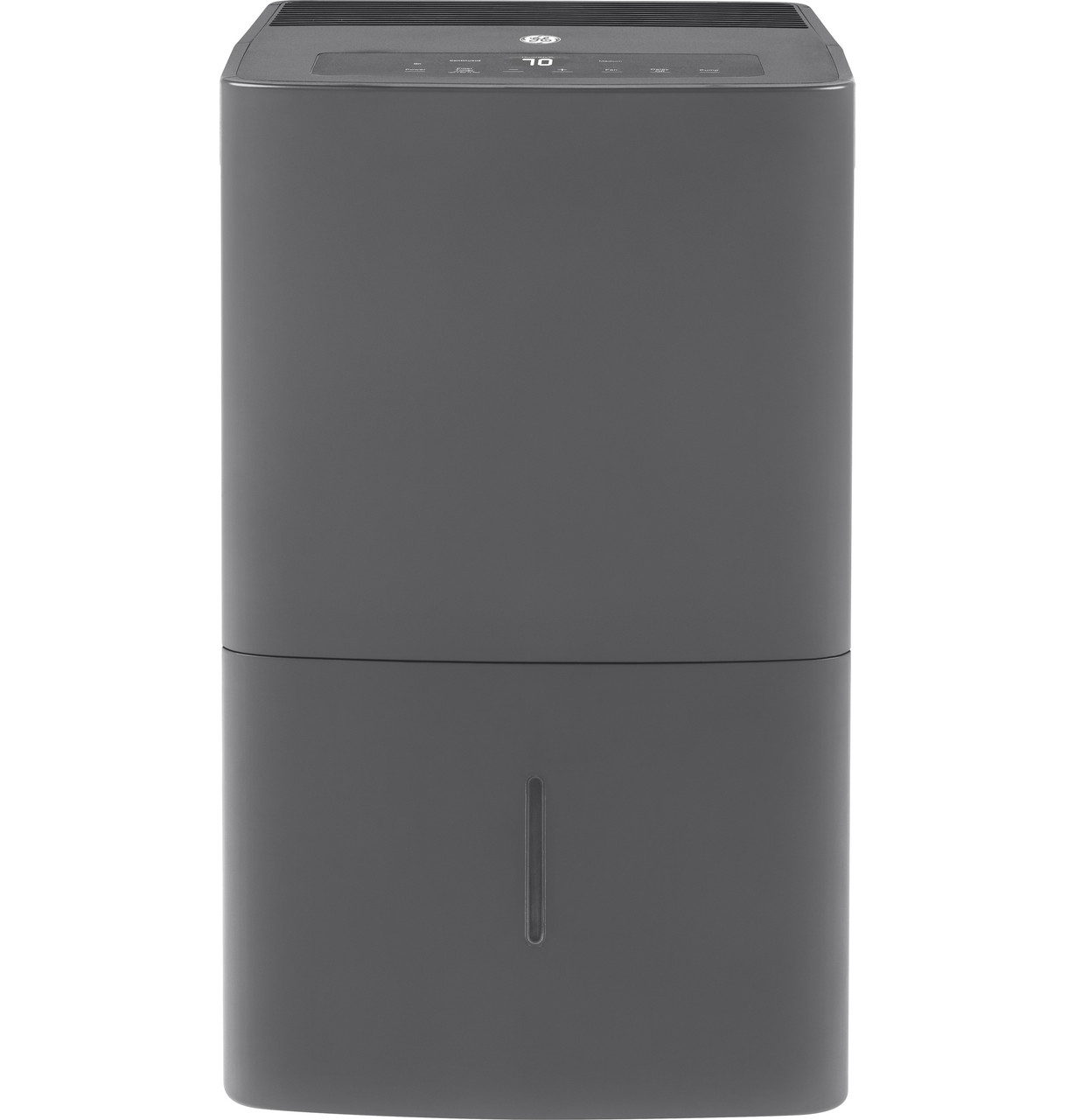
The GE APER50LZ is the strong-pump specialist for difficult basements. Its built-in pump and 16-foot hose push collected water up and out, the single most important feature when the nearest drain sits above the unit, which is common in below-grade basements. RTINGS named it a top basement pick, and owners rate it 4.5 stars. It is loud and GE has since superseded it, but as a dedicated pump unit for hard-to-drain basements it remains a clear pick.
Full review
Real-World Performance
The GE APER50LZ is a competent 50-pint performer built around one standout capability. In Live Science's testing the unit pulled a room from 55% relative humidity down to 40% in about an hour, solid mid-pack drying for the class. Quietest.org's evaluation scored it 7.1 out of 10 across design, functionality, and value, concluding it is a solid choice for those needing powerful dehumidification in larger spaces. RTINGS, which tests dehumidifiers extensively, named it among the best for basements.
Owners back that up with a 4.5-star consensus across thousands of Amazon ratings, frequently noting it keeps large basements dry without fuss. Its Smart Dry mode automatically adjusts fan speed to the measured humidity, so the unit ramps up when a room is damp and eases off as it dries, which keeps it from running flat out longer than necessary.
The Built-in Pump
The reason to choose the APER50LZ over a cheaper unit is its pump. Most basements present a drainage problem: the floor drain or utility sink sits higher than the dehumidifier, so a simple gravity hose will not work because water cannot flow uphill. The APER50LZ's built-in pump solves this by actively pushing condensate through the included 16-foot hose, up and out a window or into a raised sink, so the unit can run unattended indefinitely.
Reviewers consistently single this out as the unit's best feature. Quietest.org called the pump and 16-foot hose a lifesaver that eliminates constant bucket emptying, and GE's own materials note it removes the need to ever check the water level. For a below-grade basement, that pump is frequently the difference between a dehumidifier you can truly set and forget and one you have to babysit.
Basement-Friendly Features
Beyond the pump, the APER50LZ includes auto-defrost control, which is important because basements often stay cool enough that a dehumidifier's coils can frost over. The defrost cycle clears that ice automatically so the unit keeps removing moisture in cooler conditions rather than stalling. A 50-pint capacity and up to 4,000 sq ft of rated coverage make it suitable for large, damp basements.
Three fan speeds plus the Smart Dry auto mode give you control over the noise-versus-speed trade-off, and the unit rolls on casters for moving between spaces. The combination of pump, defrost, and capacity is squarely aimed at the basement use case, which is why it lands on basement-specific best lists rather than general-purpose roundups.
Where It Falls Short
The clearest weakness is noise. Live Science measured it at around 65 dB right next to the unit, and quietest.org rated its noise level the lowest of its scoring categories. In an unfinished basement that does not matter, but if your basement is a living space you will hear it running. The bucket is also on the small side if you ever run the unit without the pump or a hose, meaning more frequent emptying in that mode.
There is also a sourcing caveat: GE has superseded this model in its current lineup, so availability can be intermittent and you may find it sold through third-party stock rather than as a flagship product. It remains widely available and well supported, but it is no longer GE's newest unit, and the warranty is a standard one year.
How It Compares to Alternatives
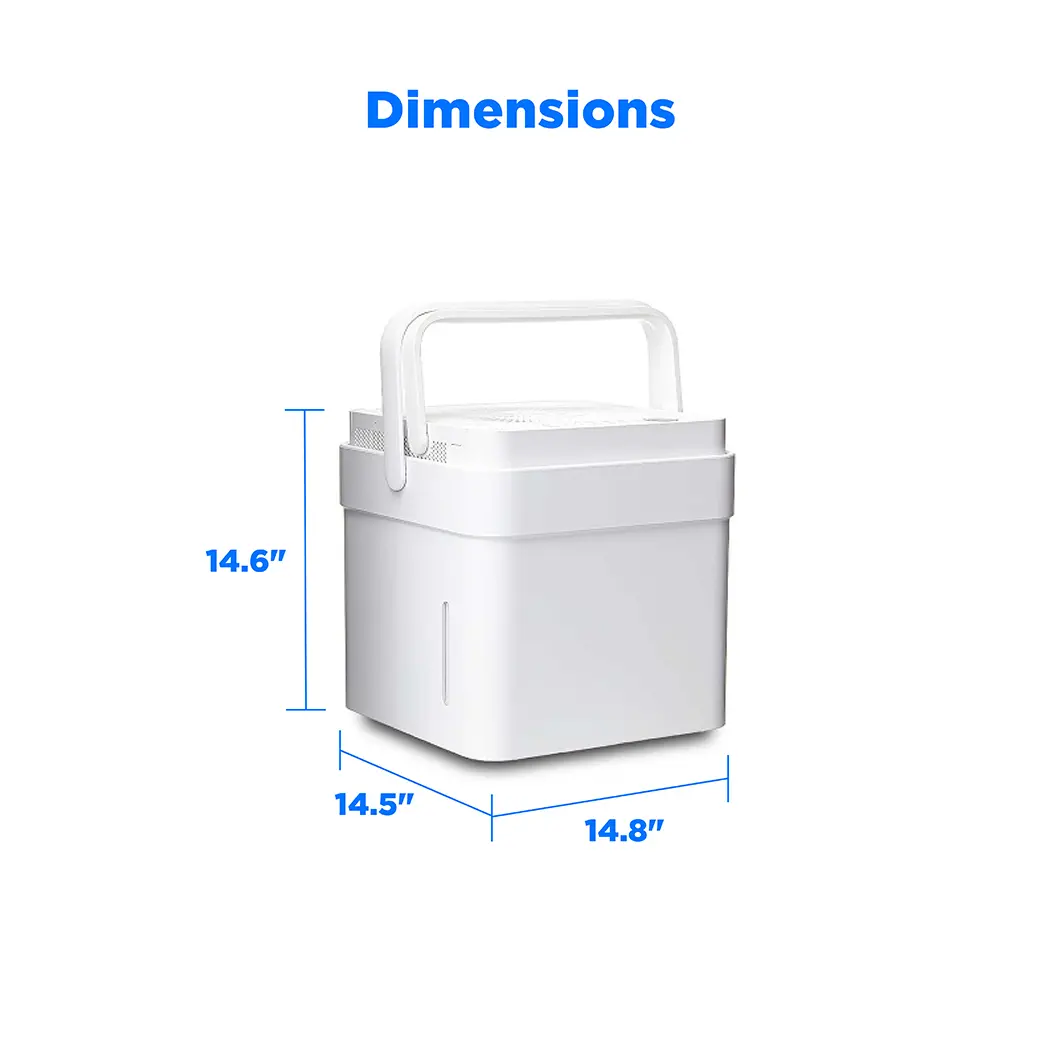
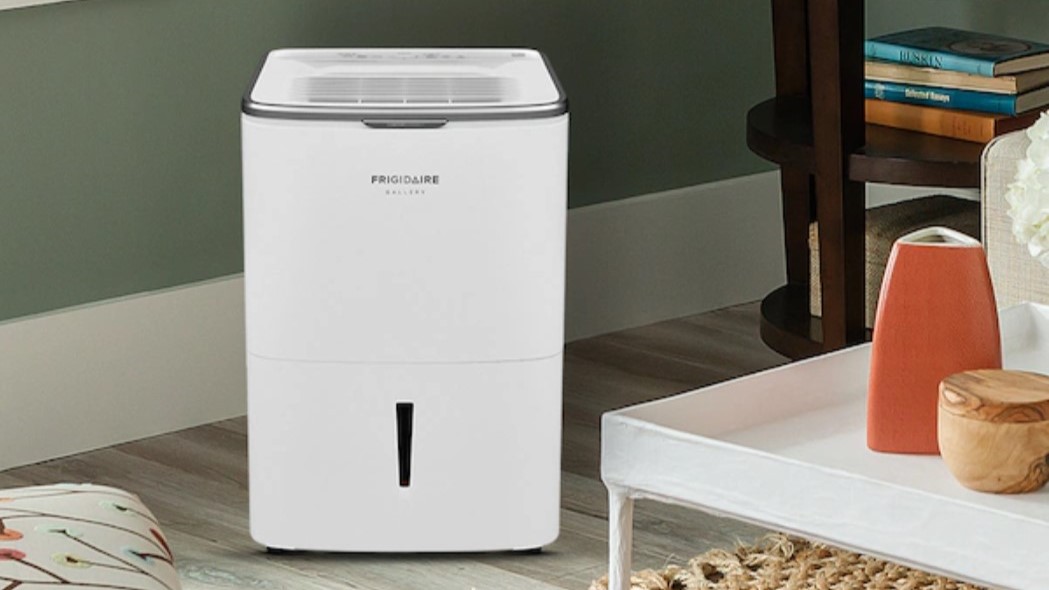
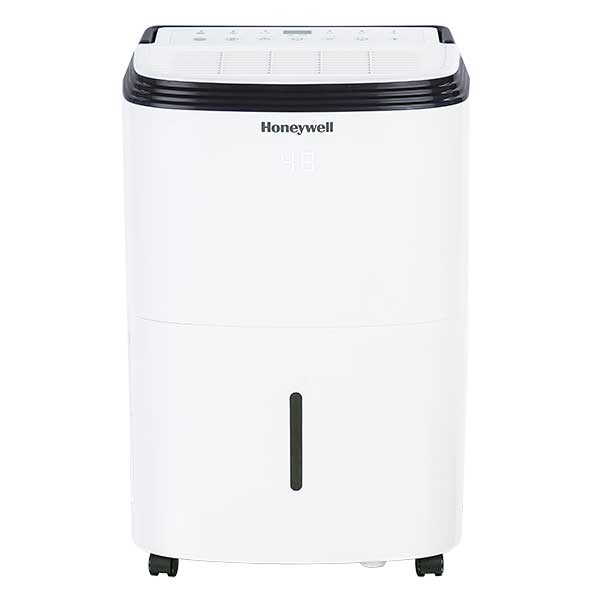
Against the Midea Cube, the GE matches the pump capability and lift distance but gives up the Cube's class-leading efficiency and oversized expandable reservoir, so without a hose you empty its bucket far more often. Against the Frigidaire Gallery FGAC5044W1, the GE wins decisively on drainage for upward-draining basements but loses on smart features and quiet operation. And the Honeywell TP50WKN is quieter but cannot pump water uphill at all.
The decision is really about your drain. If your basement's drain sits above the unit, the GE's pump makes it the simplest answer in this roundup. If you have a low drain or do not mind the bucket, the quieter or smarter alternatives become more attractive, and the GE's noise becomes harder to justify.
Who It's Best For
Buy the GE APER50LZ if your basement's nearest drain is above the dehumidifier and a powered pump is the deciding feature. It is the right unit for a below-grade basement, a sunken laundry area, or anywhere gravity drainage is impossible, where its 16-foot pump lift turns an awkward space into one the dehumidifier can manage on its own.
It is not the pick if your basement is also a quiet living area, where its noise on high would intrude, or if you want smart-app control, where the Frigidaire Gallery is better. But for the specific and common basement problem of draining water upward, the APER50LZ is a focused, proven tool.
Value at This Price
The APER50LZ is the most affordable pump-equipped unit in this roundup, and that is its core value proposition: it delivers the single most important basement feature, a powered pump that lifts water to a higher drain, without the premium price of the Midea Cube. For a buyer whose only hard requirement is upward drainage, it is the budget-conscious way to get there. Owner ratings of 4.5 stars across thousands of reviews reflect that buyers feel they got their money's worth.
What you give up at this price is the Cube's efficiency and oversized reservoir and the Frigidaire's smart features and quiet. Quietest.org scored it well on value but flagged noise as its weak point. So the value is real but conditional: it is an excellent buy if the pump is what you need and you can tolerate the noise, and a poor fit if quiet or smart control matter more to you than the lower price.
Strengths
- +Built-in pump with a 16-foot hose lifts water vertically out a window or up to a sink
- +RTINGS' best-for-basements pick; strong 50-pint capacity for large, damp spaces
- +Smart Dry auto-adjusts fan speed to the room's humidity
- +Auto-defrost control keeps it working in cooler basement temperatures
- +Energy Star certified with a strong 4.5-star Amazon owner consensus
Watch-outs
- −Loud, measured around 65 dB next to the unit
- −GE has superseded this model, so stock can be intermittent
- −Small bucket if you use it without the pump or hose
- −1-year warranty
How it compares
The dedicated pump unit here, matching the Midea Cube on lift distance but without the Cube's oversized reservoir or efficiency. It is louder than both the Frigidaire Gallery FGAC5044W1 and the Honeywell TP50WKN, and lacks the Wi-Fi smarts of the Frigidaire, but its pump makes it the simplest answer for a basement that drains upward.
Who this is for
At a glance: Below-grade basements where the nearest drain sits above the unit, so a powered pump to push water up and out is the deciding feature.
Why you’d buy the GE APER50LZ 50-Pint Dehumidifier with Built-in Pump
- Built-in pump with a 16-foot hose lifts water vertically out a window or up to a sink.
- RTINGS' best-for-basements pick; strong 50-pint capacity for large, damp spaces.
- Smart Dry auto-adjusts fan speed to the room's humidity.
Why you’d skip it
- Loud, measured around 65 dB next to the unit.
- GE has superseded this model, so stock can be intermittent.
- Small bucket if you use it without the pump or hose.
Rating sources
“The built-in pump and 16-foot hose are a lifesaver, eliminating the need for constant bucket emptying.”
“The humidity in the room was 55%, and it decreased to 40% after just an hour of running.”
“Built-in pump with included hose drains water to any location up to 16 feet away, eliminating the need to check the water level and empty the bucket periodically.”
Our 4.4 score is the average of these published ratings. Ratings marked * were derived from the reviewer’s written analysis or video transcript — the publisher didn’t print an explicit numeric score, so we inferred one from their own words. Click through to verify. More about methodology.