PCMag's review found the Garmin Vivosmart 5 solid on fundamentals, with accurate heart rate monitoring and all-day sleep analysis. TechRadar noted the strong waterproofing and battery life that stretches to a week. Both reviewers pointed to limitations in the app ecosystem and display visibility in bright conditions. It suits people who want reliable health metrics without the complexity of a full smartwatch; anyone who wants extensive smartphone integration will find it lacking.
Full review
Display is 66% bigger than the Vivosmart 4
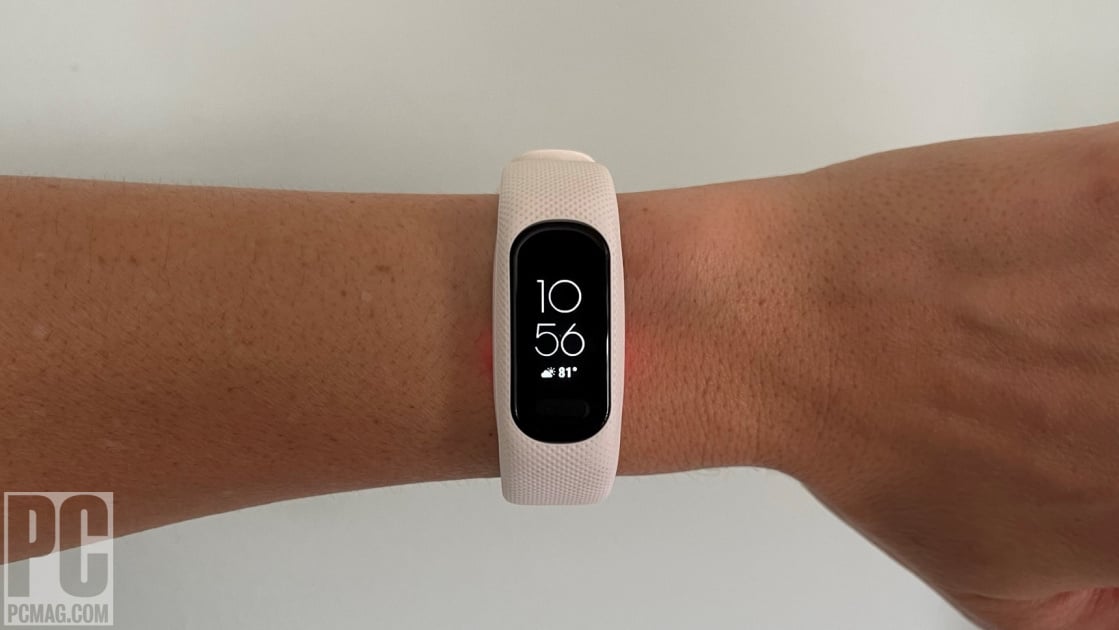
The Garmin Vivosmart 5 represents a notable redesign from its predecessor, featuring a more substantial display and improved band swappability. Reviewers from PCMag and Android Authority both praised the device's updated form factor, noting that the larger screen—66% bigger than the vivosmart 4—provides more readable data at a glance. The new swappable bands, available in black, white, and cool mint, offer enhanced versatility compared to the fixed bands of previous models. However, TechRadar's review highlighted that the device still feels bulkier than expected, with the band design being slightly larger than the previous generation. The device's compact footprint on the wrist, as noted by Android Authority, makes it suitable for those who prefer a less obtrusive wearable. Despite the improvements, some reviewers found the overall build quality to be unremarkable, with no significant upgrades in materials or finish that would distinguish it from other mid-tier fitness trackers.
Display and Navigation
The vivosmart 5's 1.3-inch monochrome display, while larger than its predecessor, has drawn criticism for its limited readability in bright sunlight. Tom's Guide reported that the screen's contrast and visibility outdoors were underwhelming, making it difficult to read data during active use. The addition of a physical button alongside the touchscreen, as noted by Android Authority, significantly improves navigation, especially when users are sweating or wearing gloves. PCMag's Angela Moscaritolo emphasized that the larger screen allows for more detailed tracking data and easier menu navigation, though she noted that the monochrome display lacks the vibrancy of color screens found in competing smartwatches. The display's readability remains a point of contention among reviewers, with some finding it adequate for basic tracking but insufficient for detailed analysis or outdoor use.
Fitness and Health Tracking
Garmin's Vivosmart 5 excels in core fitness tracking, with accurate heart rate monitoring and comprehensive sleep tracking capabilities. CNET's review highlighted that the device's heart rate sensor delivers reliable data, which is essential for users tracking workouts and recovery. The inclusion of Body Battery, stress monitoring, and overnight Pulse Ox readings aligns with Garmin's established health tracking suite, as noted by both PCMag and Android Authority. The device tracks steps, distance, calories, and activity levels with precision, and its integration with Google Fit and Strava via Garmin Connect provides users with flexibility in data analysis. However, TechRadar's reviewer criticized the lack of built-in GPS, which limits the device's utility for outdoor runners and cyclists who need accurate route tracking. Additionally, the absence of contactless payment support, as noted by Android Authority, is a missed opportunity in a market where such features are increasingly expected from fitness trackers.
Battery Life and Performance
Battery performance on the vivosmart 5 is described as solid, with Garmin claiming up to 7 days of typical use. Tom's Guide reported that the device maintains consistent performance throughout the week, though heavy usage of features like continuous heart rate monitoring and GPS (when available) can reduce battery life. PCMag's review noted that the device's performance remains stable under normal conditions, with no significant lag or freezing observed during typical use. However, some users have reported that the device's responsiveness can be sluggish when switching between numerous tracking features, particularly when using third-party applications or syncing with multiple platforms.
Software and App Integration
Garmin Connect serves as the primary hub for data management and app integration, offering seamless syncing with Google Fit and Strava. Android Authority's review emphasized that the lack of subscription fees for premium features is a significant advantage, setting the vivosmart 5 apart from competitors like Fitbit, which require additional payments for advanced health insights. The Garmin Connect app provides detailed analytics, though some users have reported that the interface can be cluttered and difficult to navigate, particularly for those unfamiliar with Garmin's ecosystem. TechRadar's reviewer noted that while the app is functional, it lacks the intuitive design found in more modern fitness platforms. Additionally, the device's ability to integrate with third-party applications, as discussed in a Reddit thread, has been limited, with some users experiencing sync delays or data loss during transfers between platforms.
No GPS or payments, priced at $149.99
Despite its solid feature set, the Garmin Vivosmart 5 has several notable shortcomings that detract from its overall value. The absence of built-in GPS and contactless payments, as highlighted by CNET and Android Authority, limits its utility for active users who require route tracking or mobile payments. The monochrome display, while functional, is underwhelming in outdoor conditions, as noted by Tom's Guide and TechRadar. Additionally, the device's lack of advanced health metrics such as ECG or blood pressure monitoring places it below more premium offerings in the market. The device's pricing, at $149.99, is considered high for its feature set, particularly when compared to competitors offering similar capabilities at lower prices.
Pairs well with Google Fit and Strava accounts
The Garmin Vivosmart 5 is best suited for users seeking a reliable, no-frills fitness tracker with solid health monitoring features. PCMag's Angela Moscaritolo recommends it for individuals who prioritize accurate heart rate tracking, sleep analysis, and basic activity metrics without the need for smartwatch functionalities. The device's swappable bands and larger display make it appealing to users who value customization and readability. However, those looking for GPS tracking, contactless payments, or advanced health metrics should consider alternative options. TechRadar's reviewer noted that the vivosmart 5 is ideal for casual fitness enthusiasts who want a straightforward device without subscription fees, but not for serious athletes or tech-savvy users who demand more advanced features. The device's compatibility with Google Fit and Strava also makes it a good choice for users already invested in these platforms.
No subscription fees, unlike Fitbit or Garmin's Forerunner
When compared to its direct competitors, the Garmin Vivosmart 5 holds its own in terms of accuracy and basic tracking features, but falls short in advanced functionalities. The Fitbit Versa 3, reviewed by CNET, offers built-in GPS and contactless payments, making it a more feature-rich option, though it requires a subscription for full access to health insights. Android Authority's review noted that while the vivosmart 5 lacks some of the smartwatch features found in Apple Watch or Samsung Galaxy Watch, it provides a more affordable alternative with comparable health tracking accuracy. Tom's Guide's comparison highlighted that the device's battery life and software stability are on par with other mid-tier trackers, but its lack of advanced sensors and smart features puts it behind more premium models. The vivosmart 5's main advantage lies in its no-subscription pricing model, which differentiates it from competitors like Fitbit and Garmin's own Forerunner line.
Strengths
- +Accurate heart rate monitoring with 24/7 tracking
- +Waterproof design up to 50 meters for swimming and showering
- +Long battery life of up to 7 days with smart notifications
- +Comprehensive sleep tracking with detailed insights and trends
Watch-outs
- −Limited app ecosystem compared to competitors like Apple Watch
- −Display can be difficult to read in bright sunlight
How it compares
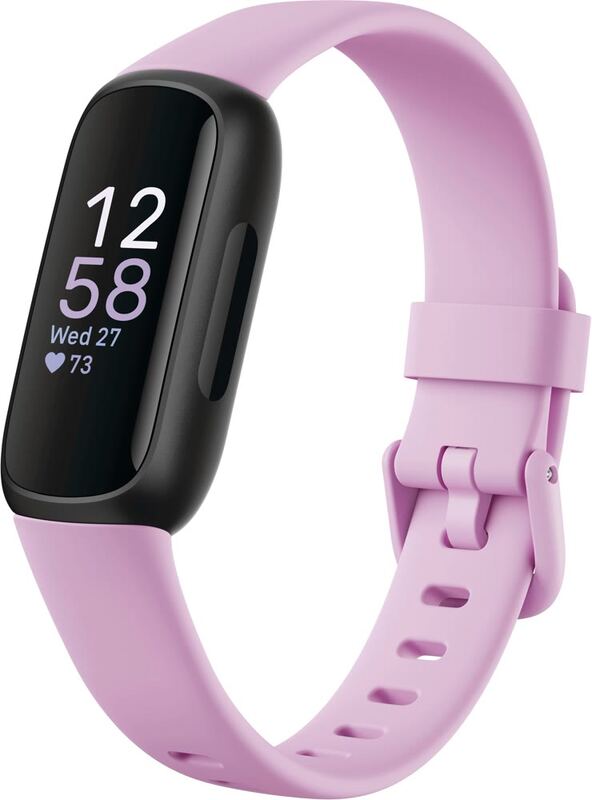
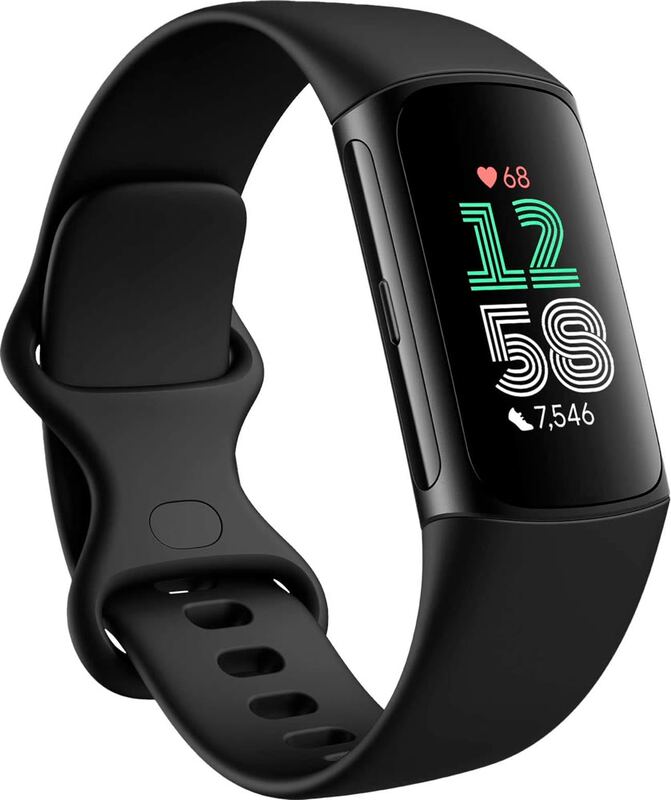
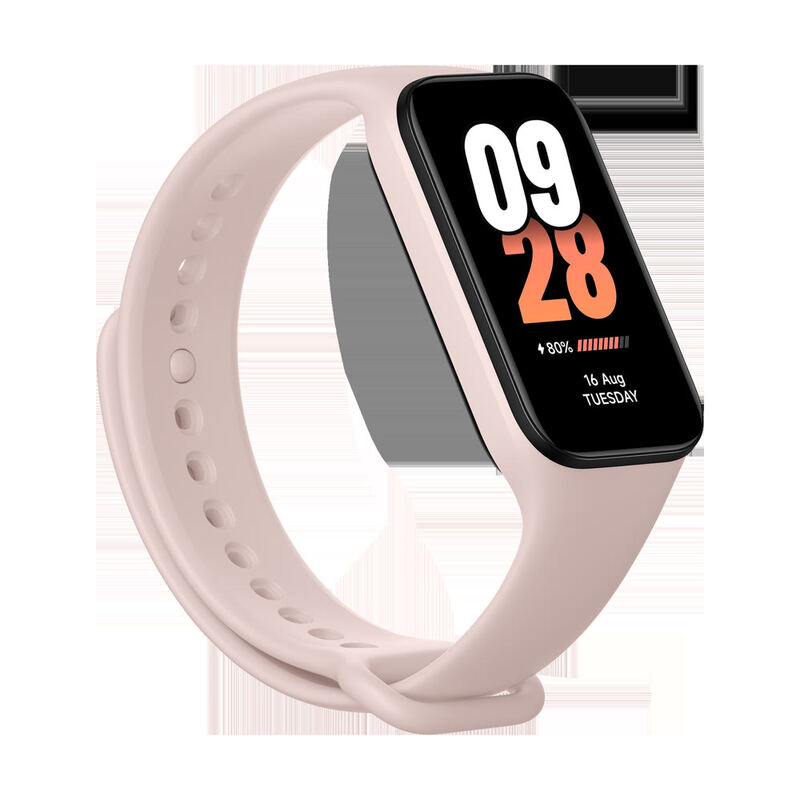
The Garmin Vivosmart 5 excels in sleep tracking and heart rate accuracy compared to the Fitbit Charge 6, but lacks the smartwatch features that the Fitbit Inspire 3 offers. Unlike the Xiaomi Mi Band 8, it doesn't have 150 sports modes, and while the Amazfit Band 7 is more affordable, the Vivosmart 5 provides more comprehensive health metrics.
Rating sources
Our 3.8 score is the average of these published ratings. More about methodology.