Verdict
Ranked #3 of 5Reviewed by Mike Hun·April 29, 2026

Gaggia Classic Pro

Averaged from 5 published ratings
The verdict

The Gaggia Classic Pro remains a solid budget option for entry-level espresso makers seeking quality results, though it demands considerable practice and technique to master. Wirecutter's Signe Brewster found the machine rewarding after months of experimentation, while The Coffee Chronicler's Asser Christensen noted its evolution from a basic workhorse to a more refined model with improved features like the new steam wand and solenoid valve. However, both reviewers emphasized the steep learning curve and lack of PID control as significant drawbacks. This machine suits dedicated home baristas willing to invest time in learning but may not appeal to those seeking immediate café-quality results without effort.

Gaggia Classic Pro

Full review

Commercial Build Quality at Home

The Gaggia Classic Pro distinguishes itself in the sub-$500 market primarily through its industrial-grade construction, which reviewers consistently highlight as superior to plastic-heavy competitors. James Wilson of CoffeeBrewsHub notes that the machine weighs approximately 18 pounds, a density that signals durability rather than cheap fillers. The chassis is constructed from stainless steel with no flex or hollow-sounding panels, giving it a presence that feels built for daily use over decades. Unlike many entry-level machines that use smaller portafilters, the Classic Pro utilizes a commercial-spec 58mm portafilter. This is the same diameter found on high-end La Marzocco and Nuova Simonelli machines, allowing users to access a vast ecosystem of aftermarket baskets, tamper tools, and accessories that are incompatible with the 54mm or 51mm filters used by brands like Breville.

The internal components further reinforce this commercial pedigree. The machine features a chrome-plated brass group head, which Wilson describes as a visual centerpiece that retains heat effectively for temperature stability during extraction. The locking mechanism of the portafilter requires only a short, confident rotation rather than a full 180-degree turn, providing a tactile feedback that assures the user the basket is properly seated. While the aesthetic is deliberately spartan—lacking the curves or digital displays of modern consumer appliances—this functional design ensures that every element, from the three front switches to the pressure gauge, serves a specific purpose. The water reservoir, holding 2.1 liters, is accessible from the rear, a standard implementation at this price point that allows for three to four days of use for a single drinker before refilling.

Evolution of Hardware and Boiler Issues

The lineage of the Gaggia Classic has seen significant changes, particularly regarding the boiler material and pressure regulation, which creates a complex landscape for buyers. Kev from Coffee Blog UK details the transition from the original aluminum boiler to the controversial 2023 Evo Pro, which introduced a non-stick coating to prevent galvanic corrosion between the brass group head and aluminum boiler. This decision led to what the community dubbed 'Boilergate,' where flakes of coating were found in coffee, prompting a recall and repair program. In response, Gaggia released the 2024 Evo Pro with an uncoated aluminum boiler and the latest E24 version featuring a solid brass boiler. The E24’s brass boiler offers roughly 30% more capacity than the original aluminum unit, though it remains small at just over 100ml. This increase is modest but appreciated by users who found the original capacity limiting for back-to-back drinks.

Another critical hardware update is the Over-Pressure Valve (OPV). The North American version of the Evo Pro includes a 9-bar OPV spring, a feature that Coffee Chronicler Asser Christensen identifies as ideal for real espresso extraction. This update eliminates the need for the popular 'OPV-Spring Mod' previously required to reduce pressure from the factory default of 11-12 bars, which often resulted in over-extracted, bitter shots. However, Christensen notes that this 9-bar update has not been rolled out globally, leaving European and other international users with the higher-pressure default. This regional discrepancy highlights the importance of checking the specific model variant, as the out-of-the-box performance can vary significantly depending on where the machine was manufactured and sold.

The Necessity of Temperature Surfing

Despite its robust build, the Gaggia Classic Pro lacks a Proportional Integral Derivative (PID) controller, meaning it does not maintain a consistent brewing temperature automatically. Signe Brewster of NYT Wirecutter explains that achieving café-quality espresso requires a technique known as 'temperature surfing.' This involves a precise sequence of pushing buttons and waiting specific intervals to ensure the machine is at the optimal temperature when pulling a shot. Brewster initially synthesized this process into a 50-step instruction manual, highlighting the steep learning curve for beginners. Without a PID, the user must manually manage the heat cycle, which can be frustrating for those seeking a set-and-forget experience. However, with practice, Brewster found she could cut the steps in half, demonstrating that while the process is complex, it is manageable for dedicated users.

The absence of a PID is a deliberate design choice that keeps the cost down but places the burden of consistency on the operator. James Wilson of CoffeeBrewsHub notes that many enthusiasts eventually install a third-party PID controller to automate this process, effectively turning the Gaggia into a more stable platform. This modularity is part of the machine’s appeal; it is designed to be tinkered with. However, for a true beginner who does not wish to engage in technical modifications, the need to monitor temperature manually can be a significant barrier. The machine demands attention and timing, rewarding patience with better extraction but punishing haste with inconsistent results. This dynamic makes the Gaggia less of an appliance and more of a tool that requires skill to wield effectively.

Steam Wand and Milk Texturing

A major improvement in the Classic Pro series is the replacement of the Panarello steam wand with a commercial-style single-hole wand. Asser Christensen of The Coffee Chronicler praises this update, noting that the previous Panarello wand was unsuitable for creating the microfoam necessary for latte art. The new wand is capable of producing excellent quality frothed milk, allowing users to texture milk for cappuccinos and lattes with a level of control previously unavailable on the Classic line. However, Christensen cautions that while the wand is a significant step up, it does not match the steam pressure and boiler size of more expensive dual-boiler machines. For users making one or two milk drinks, the wand suffices, but those looking to make multiple lattes in quick succession may find the recovery time between steaming and brewing to be a limitation.

Signe Brewster of Wirecutter found that frothing milk was 'a bit tricky' but manageable, eventually achieving good results with practice. The single-boiler design means users must switch between brewing and steaming modes, requiring a cooldown period or a flush of the group head to reset the temperature. This workflow adds time to the morning routine, which can be a drawback for those seeking speed. The steam wand’s power is adequate for home use, but it lacks the intense pressure of professional machines, meaning texturing milk requires more effort and technique. Users should expect a learning curve in mastering the wand, but the potential for creating latte art is genuinely present, distinguishing the Classic Pro from cheaper machines that cannot produce microfoam at all.

Grinder Dependency and Total Cost

The Gaggia Classic Pro does not include a built-in grinder, a fact that significantly impacts the total cost of ownership and the quality of the final cup. James Wilson of CoffeeBrewsHub emphasizes that a good espresso grinder is non-negotiable for getting the most out of the machine. Signe Brewster of Wirecutter initially paired her Gaggia with an OXO grinder, a budget pick, but found it limiting. She eventually upgraded to a Eureka Mignon Libra, a grind-by-weight machine that cost more than the espresso machine itself. This trajectory is common among Gaggia owners; the machine’s capability is only as good as the grind it receives. Without a high-quality burr grinder, users will struggle to achieve the fine, consistent grind necessary for proper extraction, leading to bitter or sour shots regardless of the machine’s performance.

This dependency means that the advertised price of the Gaggia Classic Pro, typically around $449 to $500, is only half the equation. Shoppers must budget for a separate grinder, which can range from $100 for entry-level options to $500 or more for professional-grade units. Wilson notes that the Gaggia is perfect for upgraders who already own a quality grinder, but for true beginners, the hidden cost of a good grinder can be a shock. The machine’s 58mm portafilter also requires a compatible tamper, which is not always included or may be of low quality if included. The ecosystem of accessories—scales, distribution tools, bottomless portafilters—can quickly add to the expense, making the Gaggia a gateway into a more expensive hobby rather than a standalone solution.

Where It Falls Short

Despite its strengths, the Gaggia Classic Pro has notable drawbacks that reviewers consistently highlight. The primary issue is the lack of convenience and automation. For users accustomed to super-automatic machines or even semi-automatics with PIDs, the manual temperature surfing and single-boiler workflow can feel archaic and frustrating. Signe Brewster of Wirecutter described the initial learning curve as daunting, requiring hours of video tutorials and trial and error. The absence of a built-in grinder is another significant shortcoming, forcing users to invest in additional equipment and counter space. Furthermore, the small boiler capacity, even with the E24’s 30% increase, limits the machine’s ability to handle high-volume brewing sessions without significant wait times for heat recovery.

Quality control issues with the 2023 Evo Pro’s coated boiler also cast a shadow over the brand’s reliability in recent years. Kev from Coffee Blog UK detailed the 'Boilergate' issue, where coating flakes contaminated coffee, requiring users to test their machines and potentially return them for repair. While Gaggia addressed this with the E24 brass boiler, the incident highlights the risks of buying a machine that has undergone rapid design changes. Additionally, the regional disparity in OPV settings means that international buyers may receive a machine that requires immediate modification to perform optimally. These factors make the Gaggia Classic Pro less appealing to casual users who prioritize ease of use and consistency over customization and build quality.

Who It Is Best For

The Gaggia Classic Pro is best suited for espresso enthusiasts who view coffee making as a craft rather than a convenience. James Wilson of CoffeeBrewsHub describes it as ideal for 'tinkerers' who want to mod and customize their machine, as well as those who value commercial-grade build quality at an entry-level price. It is particularly well-suited for users who already own a high-quality grinder and are looking for a durable, repairable machine that can grow with their skills. The 58mm portafilter and solenoid valve make it a favorite among purists who want to learn real barista technique, including temperature surfing and manual milk texturing. For these users, the Gaggia offers a platform that rewards dedication and experimentation, providing a level of control and customization that automated machines cannot match.

Conversely, the Gaggia Classic Pro is not recommended for true beginners who seek a simple, plug-and-play experience. If convenience, speed, and automation are top priorities, users should look elsewhere. Those who do not wish to invest in a separate grinder or learn complex brewing techniques will find the machine frustrating and underwhelming. The lack of a PID and the single-boiler design make it less suitable for households that require multiple drinks in quick succession. Shoppers who prioritize consistency without manual intervention should consider machines with built-in PIDs or dual boilers, even if they come at a higher price point. The Gaggia is a tool for the engaged hobbyist, not a solution for the casual coffee drinker.

Strengths

  • +Produces surprisingly complex espresso shots for an entry-level machine
  • +Steam wand capable of creating quality frothed milk suitable for latte art
  • +Includes solenoid valve for easier cleaning and backflushing
  • +Durable build quality with long-term reliability when properly maintained

Watch-outs

  • Requires significant learning curve and technique to achieve consistent results
  • Lacks PID controller for consistent temperature control, necessitating 'temperature surfing'
  • Some users report issues with boiler coating in newer Evo Pro models

How it compares

The Gaggia Classic Pro stands out from the Breville Bambino Plus for its durability and ability to produce complex shots, though it lacks the PID control that makes the Bambino Plus more beginner-friendly. While the DeLonghi La Specialista Arte Evo offers a built-in grinder, the Gaggia provides a more traditional barista experience with a better steam wand. Unlike the De'Longhi Dedica, it doesn't simplify features but instead demands more skill for consistent results.

Who this is for

At a glance: dedicated home baristas willing to learn.

Why you’d buy the Gaggia Classic Pro

  • Produces surprisingly complex espresso shots for an entry-level machine.
  • Steam wand capable of creating quality frothed milk suitable for latte art.
  • Includes solenoid valve for easier cleaning and backflushing.

Why you’d skip it

  • Requires significant learning curve and technique to achieve consistent results.
  • Lacks PID controller for consistent temperature control, necessitating 'temperature surfing'.
  • Some users report issues with boiler coating in newer Evo Pro models.

Rating sources

Our 4.4 score is the average of these published ratings. More about methodology.
Frequently asked questions

Is the Gaggia Classic Pro worth buying?
The Gaggia Classic Pro remains a solid budget option for entry-level espresso makers seeking quality results, though it demands considerable practice and technique to master. Wirecutter's Signe Brewster found the machine rewarding after months of experimentation, while The Coffee Chronicler's Asser Christensen noted its evolution from a basic workhorse to a more refined model with improved features like the new steam wand and solenoid valve. However, both reviewers emphasized the steep learning curve and lack of PID control as significant drawbacks. This machine suits dedicated home baristas willing to invest time in learning but may not appeal to those seeking immediate café-quality results without effort.
What is the Gaggia Classic Pro's biggest strength?
Produces surprisingly complex espresso shots for an entry-level machine
What is the main drawback of the Gaggia Classic Pro?
Requires significant learning curve and technique to achieve consistent results
What sources back the 4.4/5 rating?
Our 4.4/5 rating is the average of scores from 5 independent espresso machines under $500 reviews — coffeebrewshub, wholelattelove, homegrounds.co, thecoffeelocator, and coffeegeek.tv. Click any source on the product page to read the original review.

How it compares

See all 5
Breville Bambino Plus Espresso Machine
#1 · Top Score

Breville Bambino Plus Espresso Machine

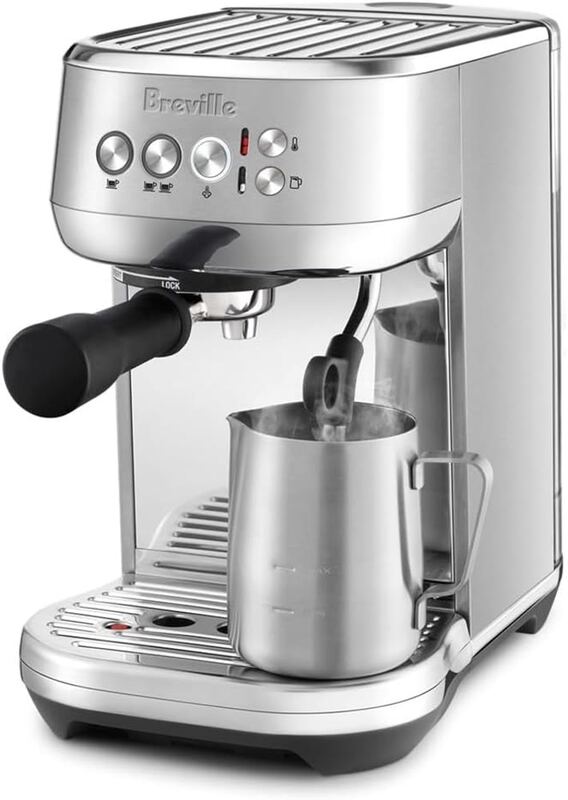
Unlike the Gaggia Classic Pro, which requires significant technique to master, the Breville Bambino Plus delivers consistent results right out of the box with its built-in PID and preinfusion technology. While the DeLonghi Dedica offers simplicity, the Bambino Plus provides more advanced features like thermo jet heating without sacrificing usability. Compared to the DeLonghi La Specialista Arte Evo, it lacks a built-in grinder but compensates with superior temperature control and faster warmup times.

DeLonghi La Specialista Arte Evo Espresso Machine
#2

DeLonghi La Specialista Arte Evo Espresso Machine

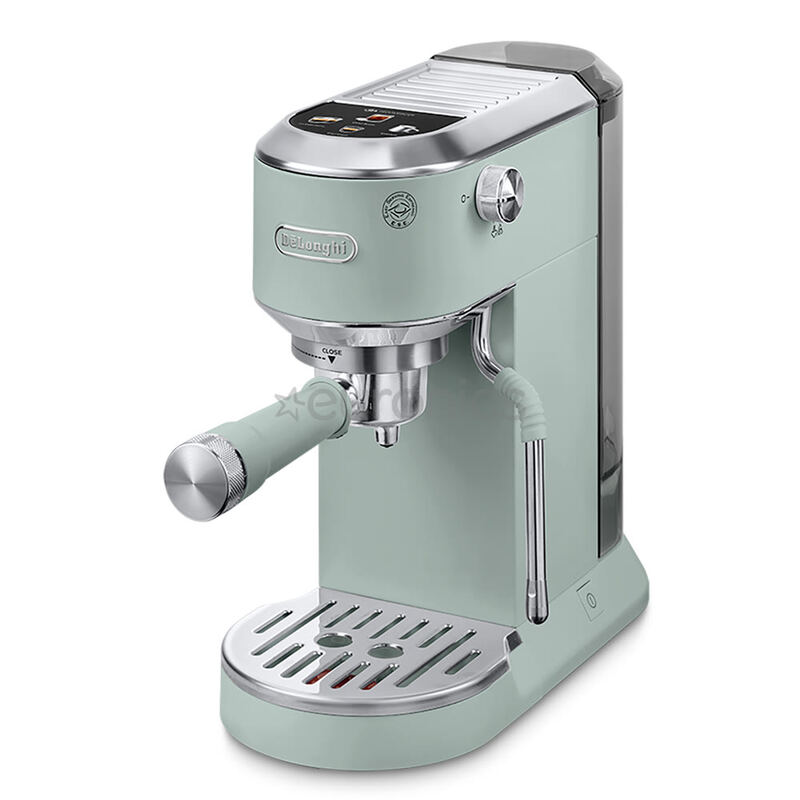
The De'Longhi La Specialista Arte Evo surpasses the Breville Bambino Plus by offering a built-in grinder and programmable timer, features that the Bambino lacks. While it's more user-friendly than the Gaggia Classic Pro, it falls short in milk frothing capability compared to the Philips 1200 Series. Unlike the De'Longhi Dedica, it provides more advanced features but at the cost of a smaller water tank and limited milk texturing.

Philips 1200 Series Fully Automatic Espresso Machine
#4

Philips 1200 Series Fully Automatic Espresso Machine

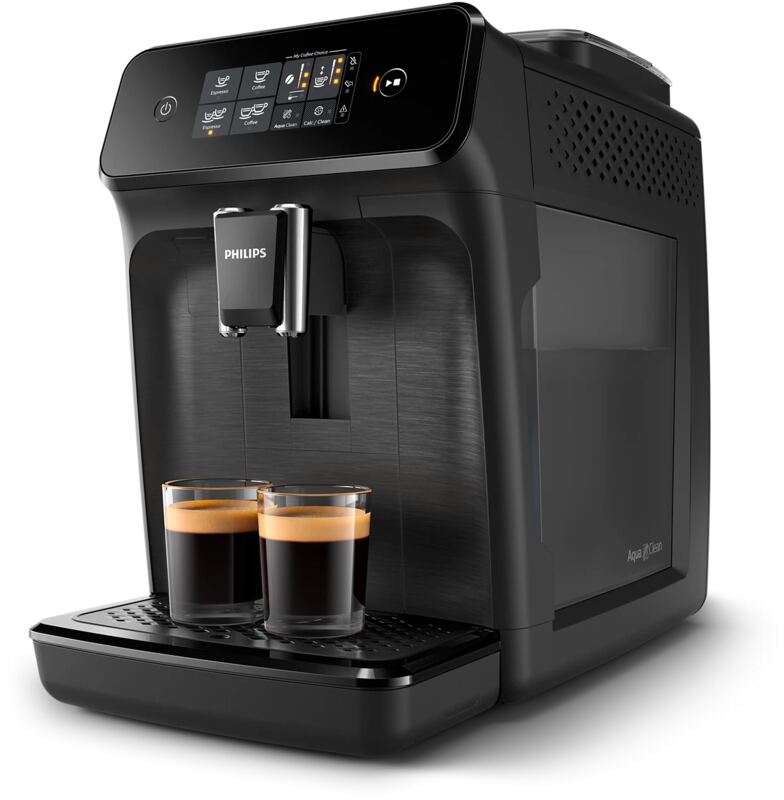
The Philips 1200 Series offers better filtration and a ceramic burr grinder than the DeLonghi Dedica, but lacks the simplicity and tactile feedback of the Breville Bambino Plus. While it's more advanced than the Gaggia Classic Pro in terms of maintenance and consistency, it doesn't provide the same level of control or complexity that experienced baristas seek. Compared to the DeLonghi La Specialista Arte Evo, it's more affordable but less feature-rich.

De'Longhi Dedica
#5

De'Longhi Dedica

The De'Longhi Dedica is more compact and beginner-friendly than the Breville Bambino Plus, but lacks the advanced features like PID control and thermo jet heating that make the Bambino Plus superior for consistent results. While it's simpler than the Gaggia Classic Pro, it doesn't offer the same level of control or milk frothing capability. Compared to the DeLonghi La Specialista Arte Evo, it's less feature-rich and lacks a built-in grinder.

Gaggia Classic Pro
4.4/5· $449
Check Price on Amazon