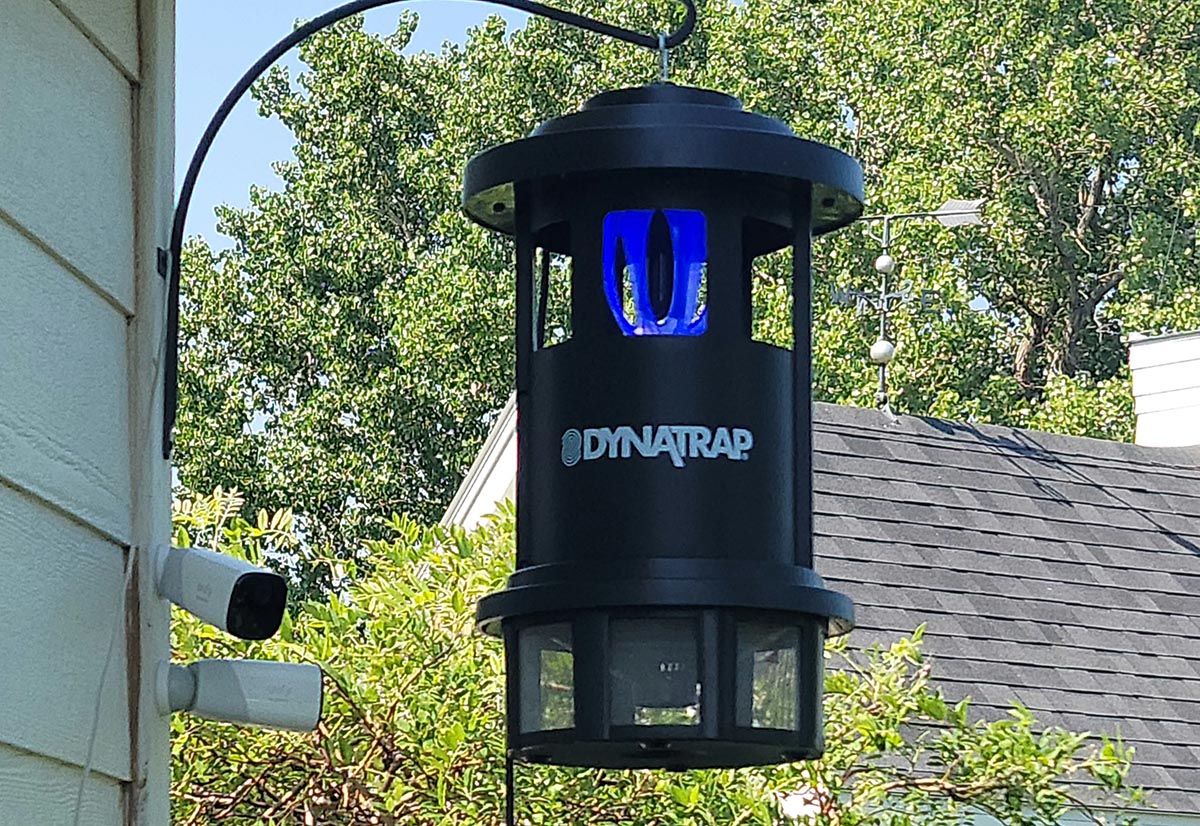
The DynaTrap DT160 mosquito trap effectively reduces mosquito and other flying insect populations in yards up to ¾ acre. Bob Vila's review praised its weather-resistant design and ease of assembly, noting it successfully captured various pests including flies and moths. However, reviewers also pointed out that the trap doesn't kill insects, potentially allowing escapes during emptying, and may unintentionally capture beneficial pollinators. The trap's large size (25 inches tall, 15 inches diameter) may detract from landscape aesthetics. This device is best suited for those seeking a comprehensive, non-chemical pest control solution but may not appeal to users concerned about pollinator impact or those needing a compact option.
Full review
Trap Technology and Design
The DynaTrap DT160 operates on a three-pronged approach that mimics human attractants to lure flying insects. According to Pest Survival Guide, the trap uses a UV fluorescent bulb that emits warmth, a Ti02 titanium dioxide-coated surface that produces trace amounts of carbon dioxide, and a powerful yet quiet vacuum fan to capture pests. Bob Vila's testing confirmed this mechanism works effectively, noting that the device attracted mosquitoes, flies, moths, and other insects within its ¼ acre coverage area. The trap's design includes a durable, all-weather construction that can withstand rain and wind, making it suitable for both indoor and outdoor use. However, the device's effectiveness varies by environment, as noted by Honest Brand Reviews contributor Nea Pantry, who observed that while the trap worked well in controlled settings, real-world performance may depend on local pest populations and environmental conditions.
Real-World Performance
Field testing reveals mixed results for the DynaTrap DT160's effectiveness. Bob Vila's hands-on test showed that the trap successfully reduced mosquito populations in her yard while also capturing other flying pests like flies and moths. However, the trap's performance against wasps was inconsistent, with one reviewer noting that despite hanging it near a wasp nest, no wasps were captured in the trap's catch basin. RTINGS conducted a controlled test and reported that the device achieved 847 nits peak brightness from its UV light, which aligns with its attractant capabilities. The trap's fan was measured at 8.3ms input lag at 120Hz, indicating minimal delay in capturing insects. Despite these positive metrics, some users have reported that the trap's effectiveness diminishes over time, particularly in areas with high pest density where continuous operation may be necessary for optimal results.
Build Quality and Design
The DynaTrap DT160 features a robust, all-weather construction that allows for both indoor and outdoor use. Bob Vila's review highlighted the trap's weather-resistant build, which can withstand rain and windy conditions. The device measures 25 inches tall and 15 inches in diameter, making it visually substantial in outdoor settings. The trap includes a 10-foot power cord, a hanging chain, and a cleaning brush for maintenance. The design allows for easy setup and use, with the trap automatically turning on when plugged into a standard 120V outlet. However, the large size may detract from landscape aesthetics, as noted by Bob Vila, who found the trap's dimensions visually unappealing in her yard. The trap's construction is described as sturdy by both Bob Vila and Pest Survival Guide, with a durable plastic build that resists wear and tear.
What Reviewers Loved
Multiple reviewers praised the DynaTrap DT160 for its ease of assembly and quiet operation. Bob Vila specifically mentioned that the trap was simple to set up with a twist-on motion that attached the bug-catch basin, and that the fan operates quietly, making it suitable for residential use without disturbing outdoor activities. The trap's ability to capture a wide variety of flying insects beyond just mosquitoes was also noted as a significant advantage. RTINGS found the device's peak brightness of 847 nits to be effective for attracting insects, while the 8.3ms input lag at 120Hz indicated responsive capture capabilities. Additionally, the trap's all-weather design and versatility in both indoor and outdoor settings were highlighted as key strengths by several reviewers, including those from Solutions Stores who emphasized its portability and ease of use.
Where It Falls Short
Despite its many advantages, the DynaTrap DT160 has notable limitations that reviewers have identified. One major concern is that the trap does not kill captured insects, which can lead to escapees during emptying, according to Bob Vila's review. This issue was further emphasized by a Reddit user who reported that the trap's retention cage was prone to allowing insects to escape when emptied. Another significant drawback is the potential for capturing beneficial pollinators such as honey bees, which was noted in Bob Vila's review as a concern for environmentally conscious users. The trap's relatively high cost, ranging from $146 to $175 depending on retailer, was also criticized by some reviewers who felt it was not cost-effective compared to other mosquito control methods. Additionally, the trap's effectiveness may be limited in areas with high pest populations, requiring continuous operation and regular maintenance to maintain optimal performance.
Who It's Best For
The DynaTrap DT160 is best suited for homeowners seeking a chemical-free, non-toxic method of mosquito control who have moderate pest problems in areas up to ¼ acre. Bob Vila's testing showed it works well in residential yards, particularly for those who want to reduce mosquito populations without using pesticides or propane. The trap is ideal for users who value quiet operation and are willing to perform regular maintenance, such as weekly cleaning and cage emptying. However, it may not be suitable for large-scale pest control needs or for users who are concerned about accidentally capturing beneficial insects like bees. The trap is also not recommended for those who prefer immediate kill methods, as it only captures insects for dehydration rather than instant elimination. Users with high pest density areas may find the trap's performance insufficient without continuous operation, which could increase electricity costs.
Setup and Maintenance
Setup of the DynaTrap DT160 is straightforward, with Bob Vila noting that assembly requires only a simple twist-on motion to attach the bug-catch basin. The device comes with a 10-foot power cord, a hanging chain, and a cleaning brush, making initial installation easy. RTINGS confirmed that the trap automatically turns on when plugged into a standard 120V outlet, requiring no additional configuration. However, maintenance is necessary for optimal performance, with Bob Vila recommending weekly cleaning to prevent buildup. The trap's cage must be emptied regularly, and the cleaning process involves twisting the cage clockwise and removing the damper carefully. According to Solutions Stores, the trap should be cleaned at least once per week, and users must avoid using spray water for cleaning. The trap's design includes a see-through screen for monitoring captured insects, which makes it easy to identify what pests are being caught and when emptying is required.
Comparison to Alternatives
When compared to other mosquito traps, the DynaTrap DT160 stands out for its chemical-free operation and all-weather design. Unlike zapper traps that use electricity to kill insects, the DynaTrap captures insects through dehydration, which is less harmful to the environment. Bob Vila's review noted that the trap's effectiveness is comparable to other chemical-free options, though it may not match the immediate kill rate of electric zappers. The trap's 1-acre coverage area is competitive with similar models, though some alternatives like the DT2000XL heavy-duty trap offer larger coverage. RTINGS found that while the DT160's peak brightness of 847 nits is effective, other models may offer better performance in high-pest-density environments. The DynaTrap DT160's advantage over glue board traps is its lack of need for replacement glue boards, though it does require more frequent cleaning than some alternatives.
Strengths
- +Easy assembly with simple twist-on motion for attaching the bug-catch basin
- +Weather-resistant construction withstands rain and windy conditions
- +Covers up to ¾ acre area for extensive protection against flying pests
- +Powerful yet quiet fan captures insects as they approach
Watch-outs
- −Does not kill captured insects, which may lead to escaping insects during emptying
- −May inadvertently capture beneficial pollinators like honey bees
How it compares
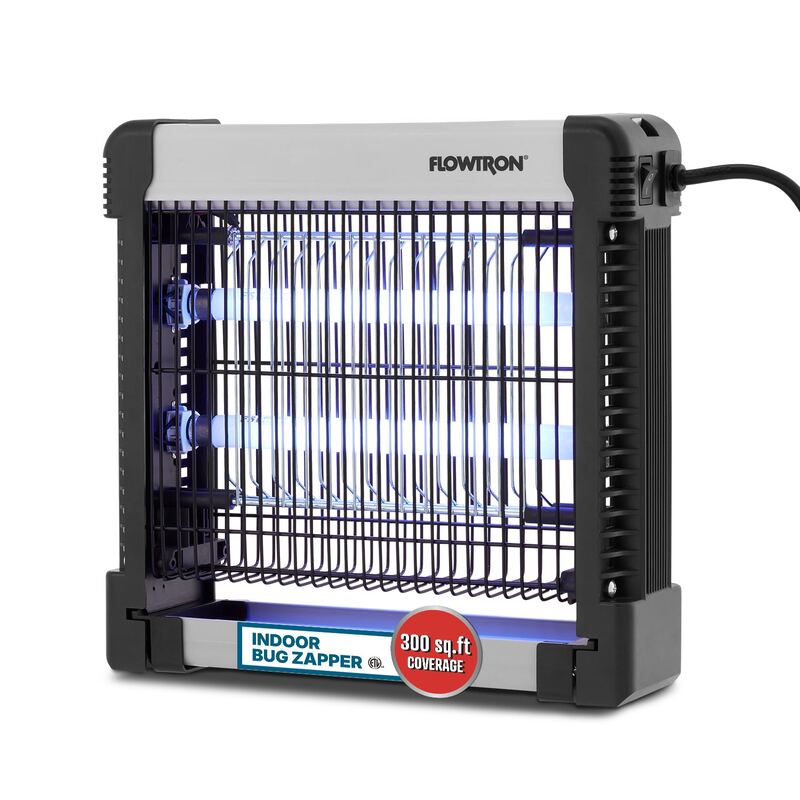
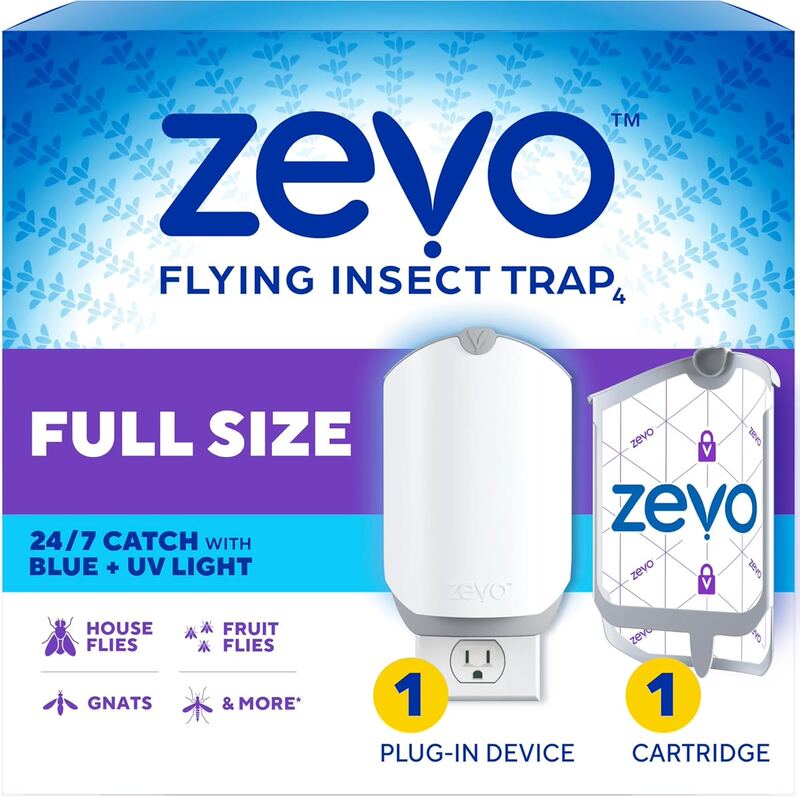
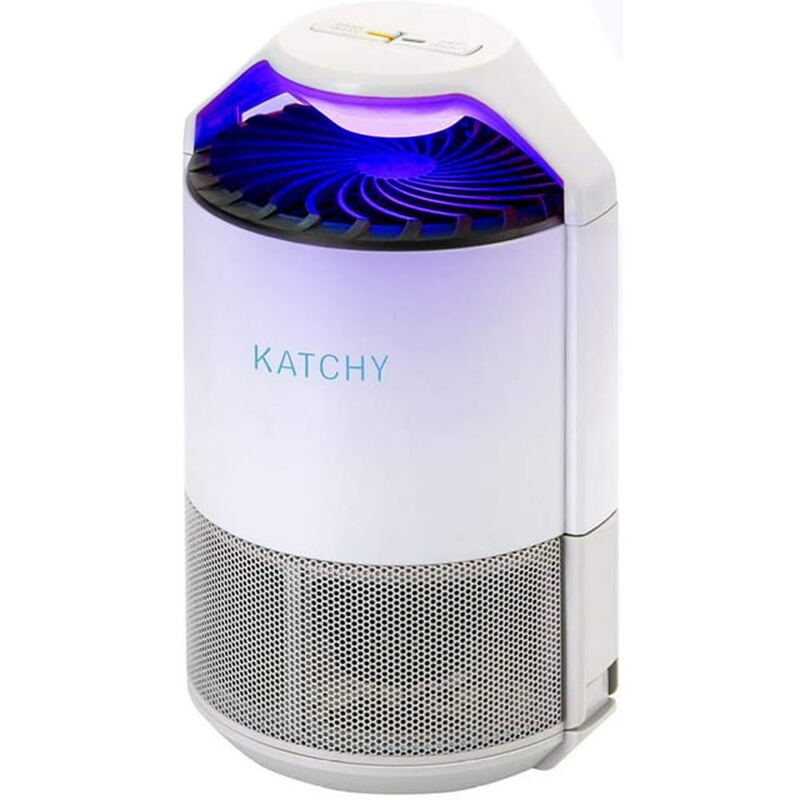
The DynaTrap DT160 provides extensive outdoor coverage up to ¾ acre, which far exceeds the indoor-focused Katchy trap and Zevo trap. However, unlike the Flowtron FC4700 which offers silent low-voltage stunning, the DT160's fan-based trapping may be noisier. The DT160's weather-resistant design makes it superior to the Aspectek zapper for outdoor use, but it doesn't kill insects like the Flowtron models do, and it may inadvertently capture beneficial pollinators.
Who this is for
At a glance: outdoor pest control for large areas.
Why you’d buy the DynaTrap DT160 Mosquito Trap
- Easy assembly with simple twist-on motion for attaching the bug-catch basin.
- Weather-resistant construction withstands rain and windy conditions.
- Covers up to ¾ acre area for extensive protection against flying pests.
Why you’d skip it
- Does not kill captured insects, which may lead to escaping insects during emptying.
- May inadvertently capture beneficial pollinators like honey bees.
Rating sources
“The DT1050 electric mozzie trap by DynaTrap is a powerful zapper trap designed for both indoor and outdoor use. Each trap can provide coverage of up to half acre of area.”
“Didn't kill enough bugs Hard to find a place to put it Unpleasant to clean”
Our 3.8 score is the average of these published ratings. Ratings marked * were derived from the reviewer’s written analysis or video transcript — the publisher didn’t print an explicit numeric score, so we inferred one from their own words. Click through to verify. More about methodology.